

Berlin Wall East Side Gallery
“Politics is the continuation of the war (with) by other means“. That’s the slogan on this original section of the Berlin Wall. If you want to see the longest remaining stretch of the Wall, then the East Side Gallery is the place to go, in what was once East Berlin controlled by the communist DDR. I visited it in 2006 and stayed at a hotel close by at the Ostbahnhof (East station). I think it was a weekend, a Sunday morning, as there was little traffic around.
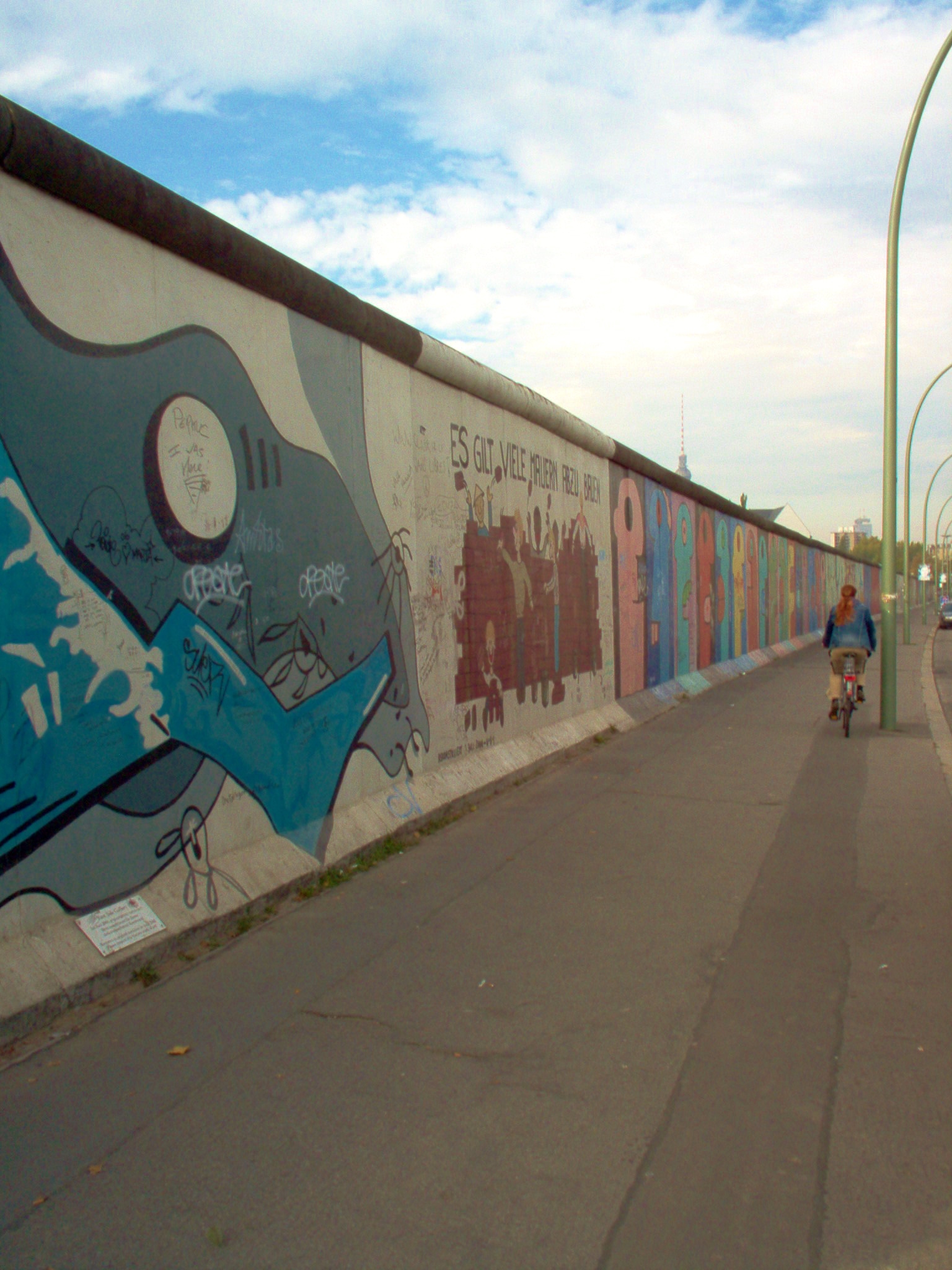
Berlin Wall East Side Gallery
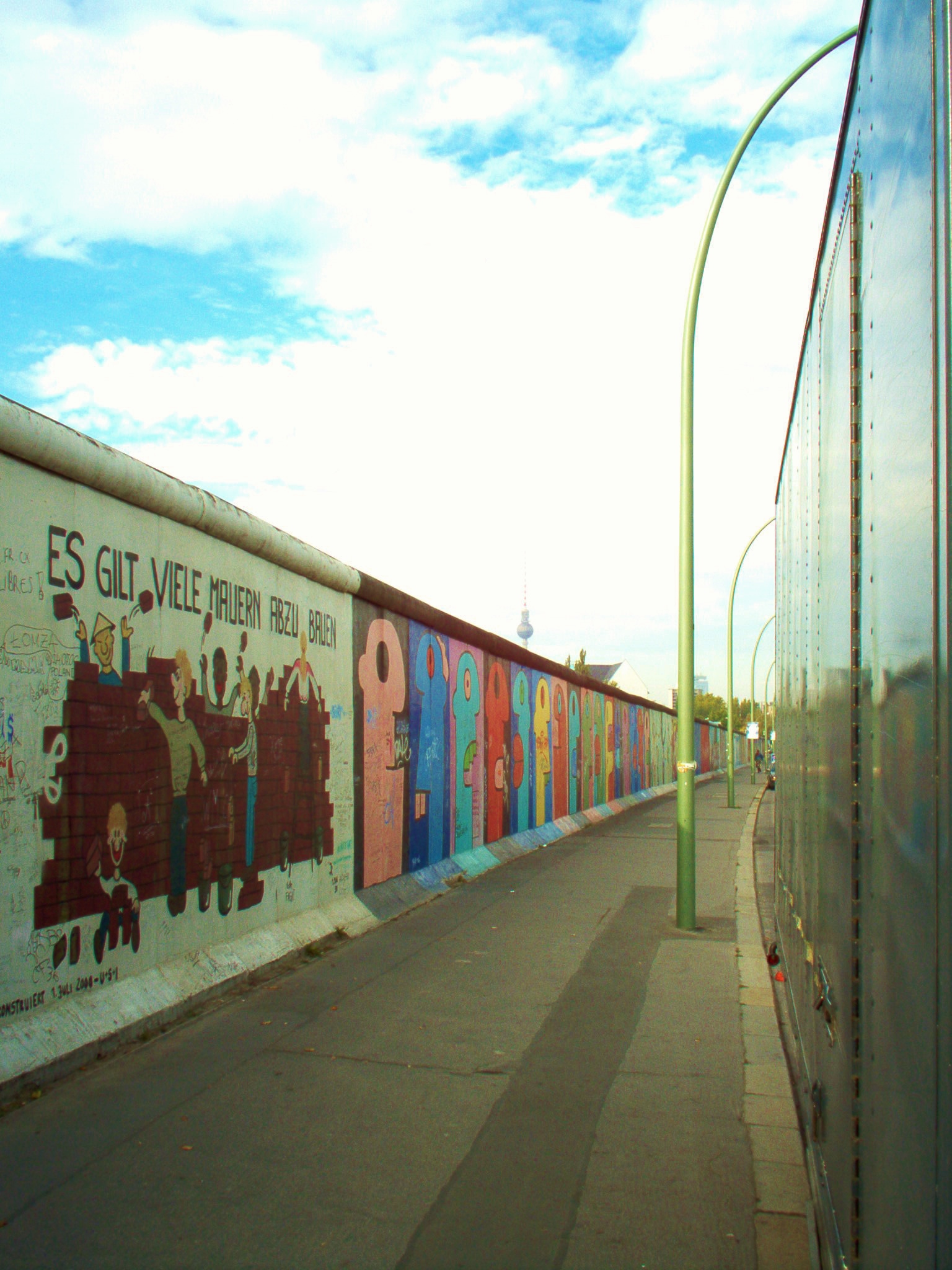
Berlin Wall East Side Gallery
But this part of the German capital’s history is under threat. The Guardian reports that construction workers backed by police have removed a section of the Wall to make way for a building project, despite calls for the site to be preserved. Residents expressed shock at the removal of part of the East Side Gallery, which followed a series of protests, including one attended by the actor David Hasselhoff. A police spokesman said there were no incidents as work had begun at about 5am to take down four sections of the wall, each about 1.2 metres wide, to make way for an access route to the planned high-rise luxury flats. The site is alongside the River Spree.
The East Side Gallery was recently restored at a cost of over £2m to the city. Construction staff removed a piece earlier this month but a public outcry halted building work, with local politicians saying they would look for a way to keep the rest of the wall intact. At least 136 people died trying to scale the wall that divided communist-run East Berlin from West Berlin.
The wall which was erected in 1961 came down on November 9th 1989. This stretch along with other bits such as former watchtowers then became a tourist attraction, with colourful paintings by 120 artists decorating the concrete slabs. Kani Alavi, head of an East Side Gallery artists’ group, said: “I can’t believe they came here in the dark in such a sneaky manner. All they see is their money. They have no understanding for the historic relevance and art of this place.”
By mid-morning the six-metre gap was covered by a wooden fence and guarded by scores of police officers. An Irishman Ivan McClostney who moved to the area a year ago from Ireland is quoted as saying: “If you take these parts of the wall away, you take away the soul of the city. This way, you make it like every other city. It’s so sad.”
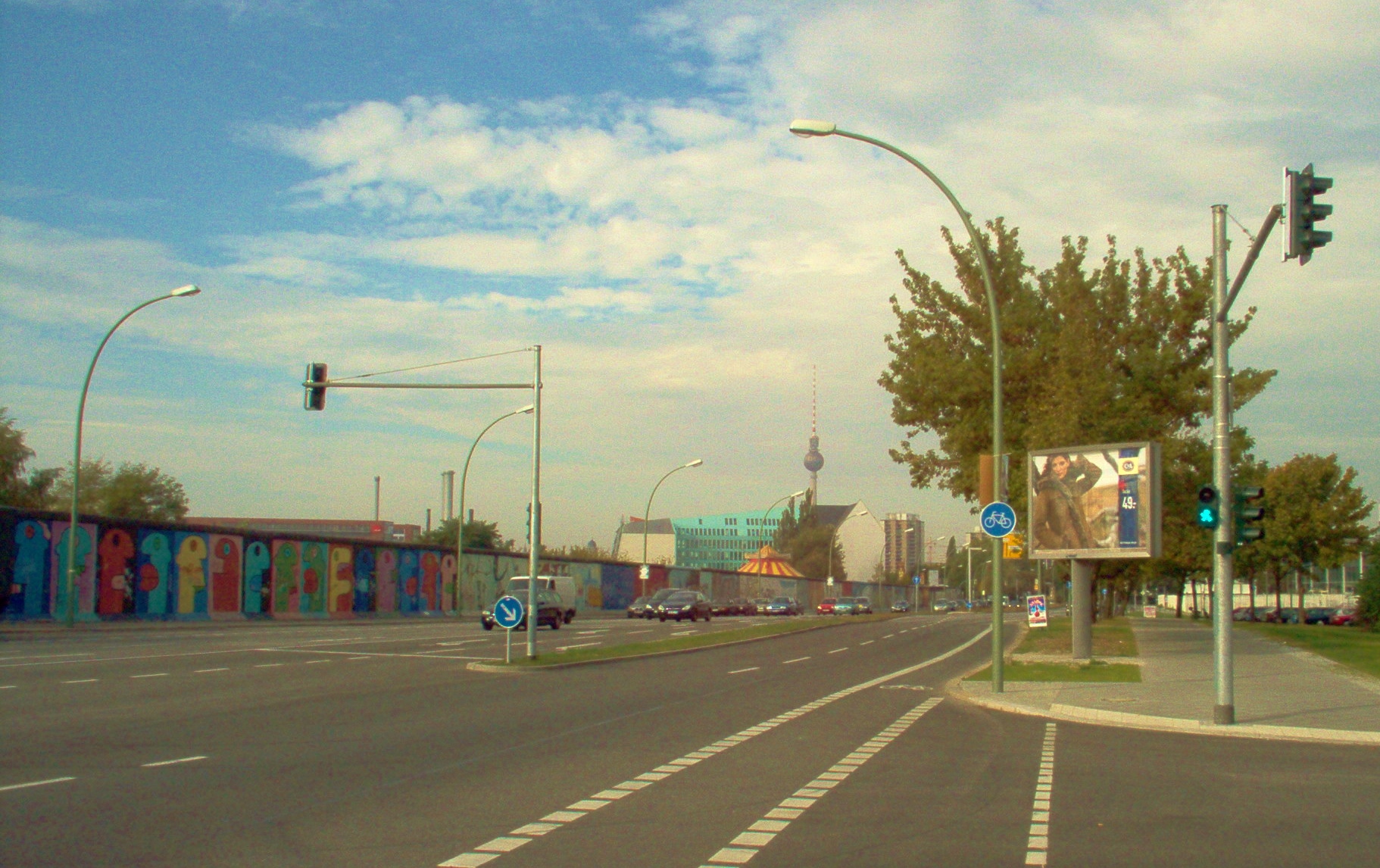
Berlin Wall with TV tower in background
The developer said the removal of parts of the wall was a temporary measure to enable trucks to gain access to the building site. He said after four weeks of fruitless negotiations with city officials and owners of adjacent properties, he was no longer willing to wait. I am wondering if this reminder of the divided city will still be there the next time I go to Berlin, one of my favourite travel destinations.


 Michael Fisher's News