Get me outta here!

Michael Fisher's News

© Michael Fisher MMXXII

Menu

Skip to content
  • Home
  • About

Author Archives

borderroamerhttps://fisherbelfast.wordpress.comThe Northern Standard, Monaghan. Reporter.
borderroamer's avatar

VIRGINIA, Co. CAVAN

13/07/2013 by borderroamer

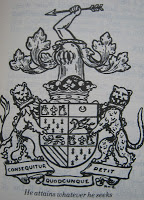
Taylo(u)r Coat of Arms (Marquis of Headfort)

With Cavan beating Fermanagh in the All-Ireland Championship qualifier and with the Virginia Show fast approaching in little over a month’s time, I found a suitable contribution today from blogger ‘Lord Belmont’ on the history of landowners the Marquesses of Headfort. It was originally published in July 2011 and is one of a series of such interesting articles on his website relating the story of the Big Houses of Ulster….
Virginia Park
THE MARQUESSES OF HEADFORT WERE MAJOR LANDOWNERS IN COUNTY CAVAN, WITH 14,220 ACRES

The first of this family who went over to Ireland was:

THOMAS TAYLOUR, who being a close friend of the celebrated Sir William Petty, accompanied him thither, in 1653.

This Thomas was the son of John Taylour, of Battle, in Sussex, and grandson of Thomas Taylour, of Ringmere, in that parish, who died at Stoneham, in that county, in 1629, aged 70.

Thomas, the grandson, jointly undertook, and perfected, the Down Survey, although the maps were published in the name of Sir William Petty only.

In 1660, he sold his lands in England, and purchased others in County Meath; and, after the Restoration, was appointed a sub-commissioner of the court of Claims, 1664-66.

After some intermediate employments, he officiated as vice-treasurer at war, during the suspension of the Lord Ranelagh, in 1681, in which office he died of dropsy and jaundice in 1682, aged 51.

His only surviving son, THOMAS TAYLOUR was created a baronet in 1704 and appointed a member of the Privy Council in 1726.

His grandson, THOMAS, 3rd Baronet, born in 1724, was raised to the peerage as Baron Headfort, in 1760; and advanced to a viscountcy, as Viscount Headfort, in 1762. Lord Headfort was further advanced, in 1766, to the dignity of an earldom, as Earl of Bective, in 1766. His eldest son, THOMAS, 2nd Earl, KP, was created MARQUESS OF HEADFORT in return for his support in passing the Act of Union, in 1800.

His seat, Headfort House, in County Meath, was the only Adam house in Ireland. In 1901 the 4th Marquess, an eminent horticulturist, caused a sensation when he converted to Rome to marry a showgirl called Rosie Boote. A figure of great dignity, she remained the dominant personality in the family during young Michael’s youth and early adult life. Virginia, in the county of Cavan, was named after ELIZABETH I, “the Virgin Queen”. It owes its origin to the plantation of Ulster in 1609. The lands eventually passed into the possession of Lucas Plunkett, Earl of Bective, a Roman Catholic, who was later created Earl of Fingall.

It can also be said that Lucas Plunkett, along with his son Christopher, frustrated the plans of the Government to proceed with the development of the town and its incorporation during his tenure. He was sympathetic to the rebel Irish and sided with them against the planters during the 1641 Rebellion and the Williamite Wars of 1688-91, earning him the label of ‘traitor’.

Consequently it fell to Thomas, 1st Marquess of Headfort, and his successors, to fulfil the patent in relation to the development of the town in the second half of the 18th century and 19th century – the patent which was originally granted to Captain Ridgeway in 1612. Lord Headfort maintained a beautiful park beside Ramor Lough, where he had a hunting lodge (above) in plain, rambling, Picturesque cottage style; a two-storey house with a three-bay centre and single-storey, three-bay wings. The family often stayed here during the summer or autumn months, between 1750 and 1939.

The former hunting lodge is now a hotel, located on the shores of Lough Ramor. The Headforts also owned 12,851 acres in Westmorland and 7,544 acres in County Meath. (Blog: Lord Belmont)

Tom Doorley pointed out on twitter @tomdoorley that the current (7th) Marquis of Headfort, Thomas Michael Ronald Christopher (Taylour), Earl of Bective, born in 1959, is an estate agent in West London. Thanks also to Tom, there’s a bit of family history in an obituary in the Daily Telegraph for the 6th Marquis, who died in December 2005, aged 73. Tom also recommends a book by Lingard Goulding on The Story of Headfort School.

In a further development it was drawn to my attention by @ThisIsCavan that the Anglo-Celt newspaper in Cavan reports that the Park Hotel, recently on the market for €900,000 with its 28 bedrooms and nine-hole golf course in a 93 acre parkland setting beside Lough Ramor, had now been purchased by a leading London restaurateur in Mayfair, Richard Corrigan.

Share this:

  • Share on Facebook (Opens in new window) Facebook
  • Share on X (Opens in new window) X
Like Loading...
NEWS TRAVEL UNCATEGORISED Lord BelmontMarquess of HeadfortPark Hotel VirginiaTom DoorleyVirginia Show Leave a comment

FRANCHISE FOOTBALL

12/07/2013 by borderroamer
Fulham FC

Fulham FC

News tonight of two developments in the world of English soccer. First in London with this statement from Mohamed Al Fayed, the owner of Harrods and for the past sixteen years, owner of a leading football club:-

“My time of serving as the custodian of Fulham Football Club would one day come to an end, and I feel that time has now arrived”.

The Club which has a ground alongside the River Thames at Putney, Craven Cottage, has been sold to Shahid Khan, Chief Executive of Flex-N-Gate Group and owner of the Jacksonville Jaguars of the National Football League in the United States. The transaction has been approved by the Barclays Premier League.  Khan assumes 100 per cent ownership of the club, debt-free, as of today. In a statement to AP, Khan said his priority was to ensure the club & Craven Cottage each have a viable and sustainable Premiership League future.

Meanwhile the Dons Trust, owners of League 2 side AFC Wimbledon, have expressed concern about recent developments at Coventry City FC. Chair of the Trust, Matt Breach, said that Coventry’s move to ground-share at Northampton Town “could be extremely dangerous for football”. The Football League has permitted the would-be owners of Coventry City to move the Club to Northampton for three years, citing Wimbledon’s previous move to Selhurst Park in 1991 as a precedent.

Matt Breach said:-

“In 1992, the then owners of Wimbledon Football Club were given permission to move the Club, supposedly temporarily, to Crystal Palace FC’s Selhurst Park. This was meant to be a ground share which would end with a new stadium in our home borough. But this move and the lack of proper oversight by the football authorities fostered the conditions for the stealing of our Club and its permanent removal to Milton Keynes. We’re extremely worried that in agreeing to this move, the Football League has not thought out the potential consequences, which could be catastrophic for Coventry City and its fans and community, but also could be extremely dangerous for football as a whole.”

Talking about the achievements of AFC Wimbledon under fan ownership, Matt added:-

“That we’re only now realistically seeking a return to Plough Lane, where our own demise commenced, shows just how long it can take to reconnect and rebuild those links. Although we’re very proud of what we’ve achieved under fan ownership we need to be honest and say that the cause was a failure  by the football authorities to police the game properly”, he said.

There have been more twists in the saga, as Sky Blues fan Robin Sheeran pointed out to me. The latest twist is set out in the Coventry Telegraph: “Ricoh Arena to sue Northampton Town if it hosts Coventry City ‘home’ matches“.

Share this:

  • Share on Facebook (Opens in new window) Facebook
  • Share on X (Opens in new window) X
Like Loading...
NEWS SPORT AFC WimbledonCoventry CityFulham FCMatt BreachMohamed Al FayedNorthampton TownRicoh ArenaSky Blues Leave a comment

BELFAST LIONS SIGHT PROJECT

11/07/2013 by borderroamer
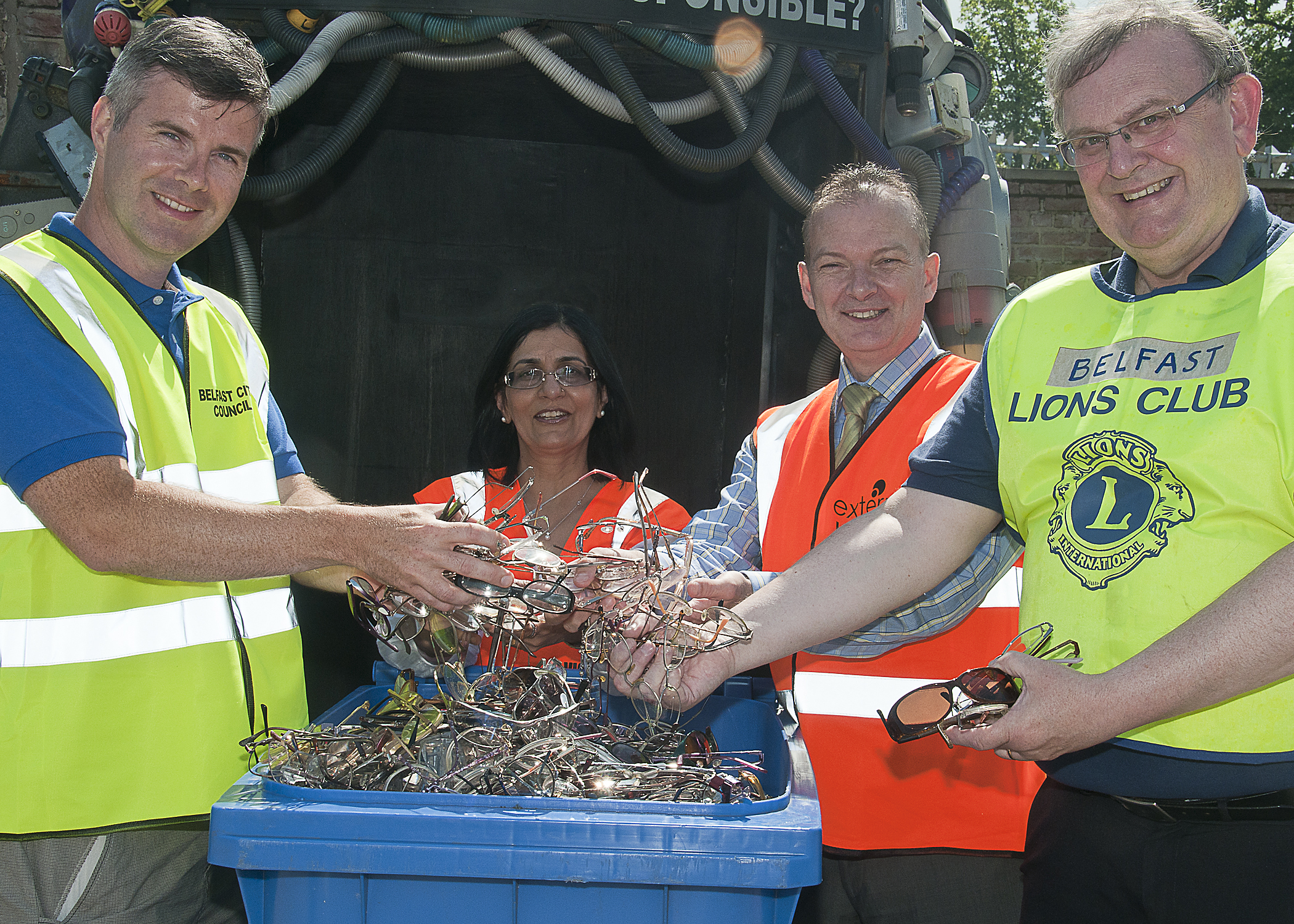
Belfast Lions Club President Michael Fisher with Cllr Steven Corr & representatives of ArtsEkta & Extern Photo: Ken Oliver

Belfast Lions Club President Michael Fisher with Cllr Steven Corr & representatives of ArtsEkta & Extern Photo: Ken Oliver

Charity’s vision sees old spectacles recycled for foreign eye camps

We need your old spectacles! An initiative to recycle old or unwanted pairs of specs is helping people in countries as far afield as Africa and India. Belfast City Council is backing a Belfast Lions Club initiative to send old pairs of glasses to eye camps in developing countries and Eastern Europe where they are matched to the right patient.

Bowlers Jack Boles & Alfy Hanson join Bobby Duke (middle) at Ormeau Park to help launch the scheme Photo: Ken Oliver

Bowlers Jack Boles & Alfy Hanson join Bobby Duke (middle) at Ormeau Park to help launch the scheme Photo: Ken Oliver

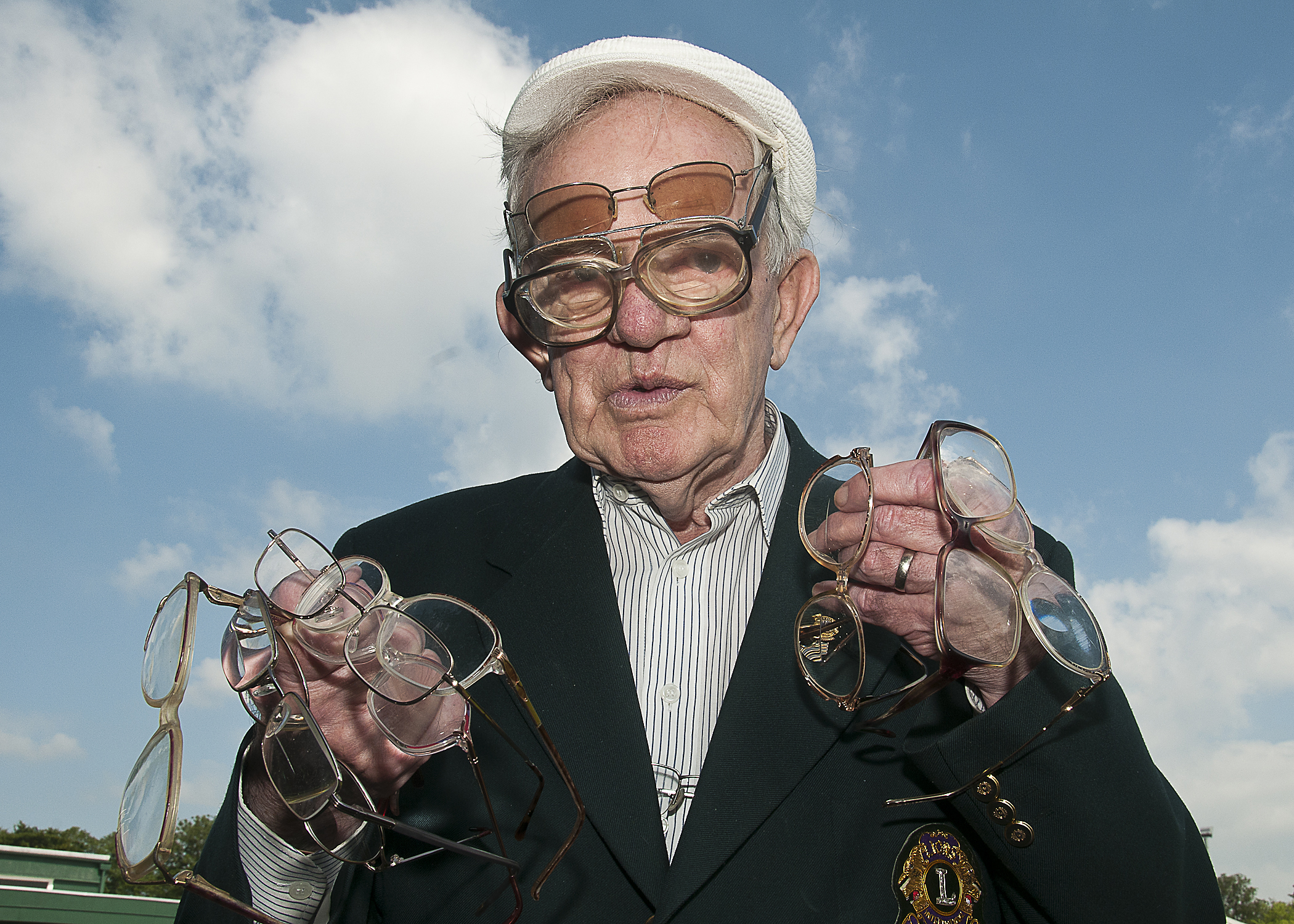
Belfast Lions are co-operating with the charity Extern and social enterprise ArtsEkta on the project. The donated glasses will be shipped to a regional Lions Eyeglass Recycling Centre at Chichester in England, where they will be cleaned and prepared for distribution by Lions and other groups.  Helping to launch the scheme was Bobby Duke, a Lions Club member for nearly fifty years and a Past District Governor of the group. He is a retired teacher from Finaghy.

Past District Governor Bobby Duke, Belfast Lions Club

Past District Governor Bobby Duke, Belfast Lions Club Photo: Ken Oliver

The President of Belfast Lions Club Michael Fisher said the recycling scheme was a good example of how Lions could make a difference in their own communities and worldwide. “In most developing countries, an eye test can cost as much as one month’s wages and a single eye doctor may serve a community of hundreds of thousands of people”, he said. He also hoped the project would help to attract more volunteers to become involved with the work of the Lions, which started up originally in the city in 1959 through the late Bert Mason, a businessman who went on to serve as International President of the organisation.

The Chair of Belfast Council’s Health and Environmental Services Committee, Councillor Steven Corr, said: “This is a really great idea and I’m delighted the Council is involved in such a worthwhile project. We take a lot of things for granted here; people often have more than one pair of glasses and change them quite regularly so to be able to help others in developing countries have the gift of better vision, is really fantastic. I would like to extend my personal thanks to the Belfast Lions Club for taking on this initiative and hopefully through raising awareness, we can encourage people to recycle their old specs.”

Cllr Steven Corr & Extern help to launch the spectacles project

Cllr Steven Corr & Extern help to launch the spectacles project    Photo: Michael Fisher

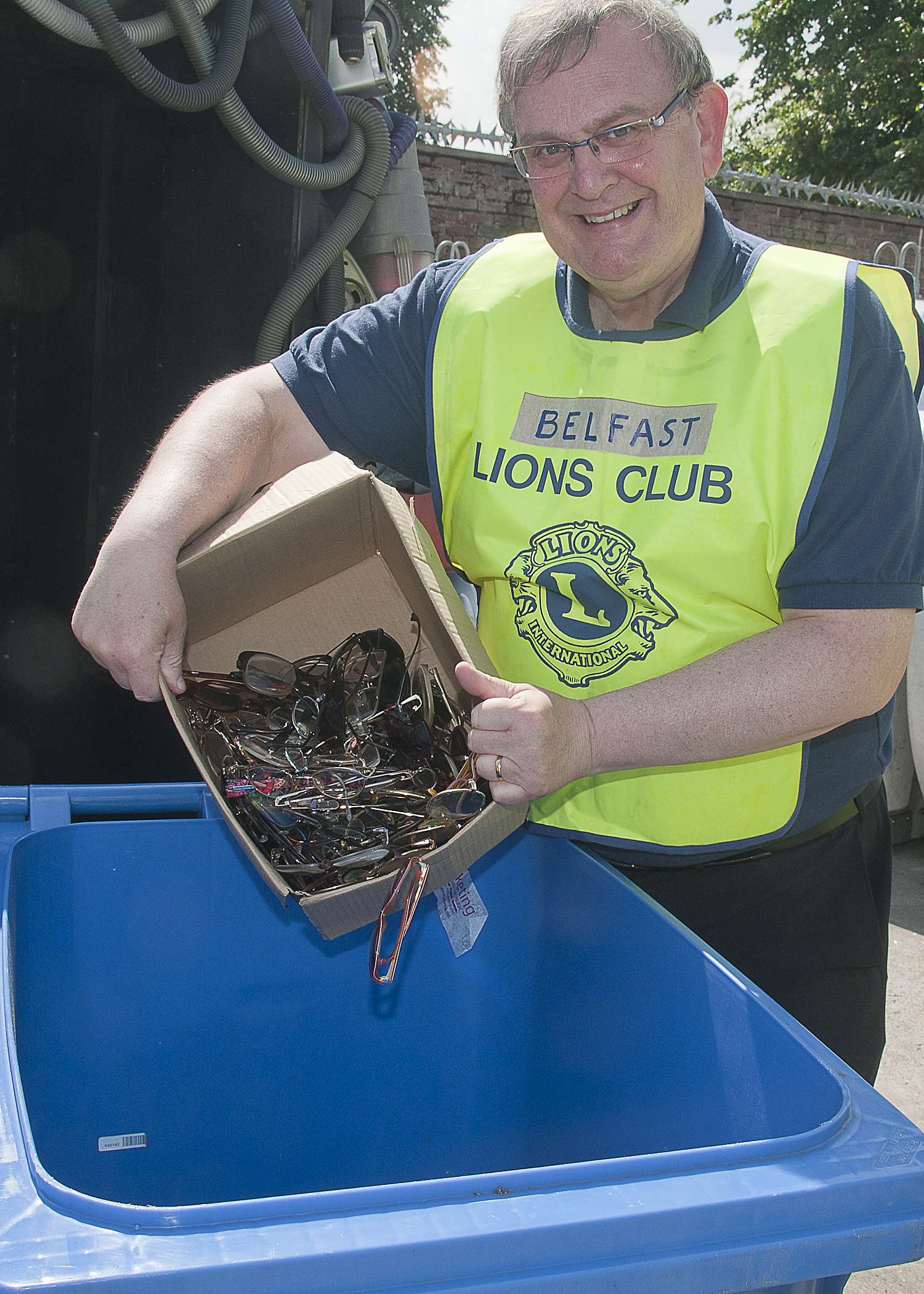
To donate used glasses (including sunglasses and reading glasses), place them in the specially marked blue bins located in the Council’s four main recycling centres in the city. These are located at Ormeau (Park Road), Palmerston Road, Alexandra Park Avenue and Blackstaff Way. You can find out about recycling facilities in your area by visiting www.belfastcity.gov.uk/recycling.

President Belfast Lions Club, Michael Fisher, recycling spectacles at the Ormeau depot

President Belfast Lions Club, Michael Fisher, recycling spectacles at the Ormeau depot  Photo: Ken Oliver

Belfast Lions Club is looking for new members and meets on the first Wednesday of every month at 7:30pm at the Wellington Park Hotel, Malone Road. The next meeting is on Wednesday 4th September when a presentation will be made to one of the charities for which funds are raised, Diabetes UK (NI). Lions Clubs are a group of men and women who identify needs within the community and work together to fulfil those needs. They belong to the world’s largest service club organization with more than 1.3 million members in 45,000 clubs in over 200 countries. For more information about the project or the activities of Belfast Lions Club, contact Michael Fisher.

RecycleFSColor

Share this:

  • Share on Facebook (Opens in new window) Facebook
  • Share on X (Opens in new window) X
Like Loading...
NEWS UNCATEGORISED Belfast City CouncilBelfast Lions ClubBert MasonCllr Steven Corrspectacles Leave a comment

BBC ‘JACUZZI OF CASH’

10/07/2013 by borderroamer

BBClogoLooking at the story about the BBC Trust chairman Lord Patten calling the size of severance payments made to senior BBC managers a matter of “shock and dismay”, I wondered why it had taken so long for the ‘gatekeepers’ of the Corporation’s standards to realise what was going on. Seven years ago a senior NUJ official in the broadcasting sector warned about how BBC executives were “bathing themselves in a Jacuzzi of cash, while staff are experiencing a drought”, at a time of staff cutbacks and reductions in their pension benefits.

Speaking in 2006, Paul McLaughlin added that even though the Corporation had capped bonuses at 10% of basic pay – down from 30% two years ago – salary increases meant that senior executives have still seen their total remuneration packages grow significantly. Mr McLaughlin said that as a result senior BBC managers were guaranteed a fixed annual increase in their overall pay and bonus package of 15%. Under the previous bonus scheme, he said, they could get a bigger rise, in theory, but this was more dependent on hitting performance-related targets.  nujlogo_burgundy

“Over the last three years, (2003-2006) basic BBC executive pay has gone up by more than 30%. That’s at a time when the BBC is claiming there is no money and the annual pay deal they have offered this year is below inflation“, the NUJ representative said.

Today the BBC reports the evidence given by Lord Patten to the Public Accounts Committee at Westminster. Interesting to note the comments by Lucy Adams, Director of Human Resources: when asked about why there had been overpayments (severance payments to executives that went beyond contractual terms), she said “the overwhelming focus was to get numbers out of the door as quickly as possible”. I’m waiting to see the report coming up now on Newsnight.

Chair of the Public Accounts Committee Margaret Hodge MP who had earlier been grilling Lord Patten and the new DG Lord Hall, told Jeremy Paxman the equivalent of half the cost of running Radio 4 (£25m) had been spent by the Corporation on exiting 150 senior executives. Now the blame game is starting.

But one former executive did the right thing: former director of archive content Roly Keating gave back a payment of £376,000 on the basis that it was not authorised “fully and appropriately”.

Share this:

  • Share on Facebook (Opens in new window) Facebook
  • Share on X (Opens in new window) X
Like Loading...
NEWS BBCLord PattenNUJPaul McLaughlinpensionsPublic Accounts Committee Leave a comment

A BRIDGE TOO FAR?

09/07/2013 by borderroamer

In March I wrote about the ongoing controversy over the plan for a new cross-border bridge at Narrow Water linking County Down near Warrenpoint with Omeath in the Carlingford peninsula in County Louth. Now the project has been given the go-ahead by the Northern Ireland Finance Minister Sammy Wilson of the DUP and the way has been cleared for funding of €17.4m to be obtained from the Special EU Programmes Body under the INTERREG scheme. The BBC reports that the scheme for the bridge 660 metres (2,165 feet) long will be subject to various conditions in relation to its upkeep by Newry and Mourne Council as well as Louth County Council.

Proposed Narrow Water Bridge

Proposed Narrow Water Bridge

They have been talking about the project since 1976 when the East Border Region committee was formed by ten councils on both sides of the border, years before the Anglo-Irish agreement or the Good Friday agreement. The provisional EU offer of help last year was welcomed by the EBR Committee Chair, Councillor Jackie Crowe, a Sinn Féin member from Monaghan.

Proposed Bridge

Proposed Bridge

The approved scheme is for a single carriageway cable-stayed bridge across Carlingford Lough, which will be able to open to enable tall ships, leisure craft and other marine vessels access to Victoria Lock and the Albert Basin in Newry. The total length of the scheme is 660m while the towers have a height of 90m and 37m respectively. The design is by Roughan O’Donovan Consulting Engineers, who were also responsible for the new Boyne Bridge on the M1 near Drogheda.

Margaret Ritchie MP

Margaret Ritchie MP

The SDLP MP for South Down Margaret Ritchie has taken a keen interest in the project since her involvement with the East Border Region Committee as a Councillor in 1985. She paid tribute to people such as her predecessor Eddie McGrady, Jim McCart, Donal O’Tierney and Barney Carr, who she said had never faltered from their belief in the bridge and who had shaped the economic debate for it and kept the project alive during very difficult political times in the North. In March she had raised questions with Sammy Wilson and accused him of dragging his feet in approving the Stormont contribution to the project.

Following a meeting with the Minister today Ms Ritchie said she was delighted to confirm that residual funding had been secured to allow the construction of the Narrow Water Bridge, which she described as one of the most important North South projects to be brought forward.

“Narrow Water Bridge will enable, not only many jobs to be provided in construction, but also will be a vital gateway to the Mournes on completion. It will be an important catalyst for economic investment and tourism not only in South Down and the Cooley Peninsula but throughout the island of Ireland. The project is a shining example of how far we have come as a community and in our North South relations. It also symbolises the future of our economy, which is in our tourism product, and this is now something, thanks to the peace process that we can export worldwide“, she said.

The MP said she had been making robust representations to secure funding for this project for considerable time and previously had met with all other funders including the Taoiseach, the Secretary of State for Northern Ireland and the Good Friday Agreement Committee in Dublin. She said today was a very positive day for the Narrow Water Bridge project, the people of Warrenpoint, Kilkeel and the Mournes and she thanked everybody who she said had worked so hard to bring the project to this now very advanced stage.

Narrow Water project

Narrow Water project

UPDATE: Tuesday 9th July
But wait a second! Just when it seemed that Northern approval for the project was almost ready, there’s been a development on the other side of the border with Louth County Council placing the project on hold, owing to high tendering costs (and I wonder how much has been spent already on design fees and other preparatory work).

South Down SDLP MP Margaret Ritchie has demanded a meeting with the Taoiseach over the delay and says she wants both the British and Irish Governments to provide alternative resources to ensure the delivery of the Narrow Water Bridge project. She said:-

“I am disappointed by the decision of Louth County Council to put the Narrow Water Bridge project on hold due to the fact that tenders for the construction of the bridge were much higher than the financial envelope available for the project. I acknowledge the fact that Louth County Council has put the project on hold whilst they pursue alternative sources of funding.

I have already requested a meeting with the Taoiseach to impress upon him the importance of delivering this important piece of North/South infrastructure, and the fact that this project, on completion, would act as a stimulus to the local economy through increased visitor numbers, business investment opportunities, and make a contribution to job creation in the construction industry.
Already, the Bridge has received planning and marine consent as well as the financial support of the Special European Union Programmes Body, the Irish Government and the Northern Ireland Executive.
Furthermore, we await the outcome of the decision on the Bridge Order from the Minister for Regional Development, and only yesterday I had urged Minister Kennedy to process that application for the Bridge Order to approval stage as quickly as possible. Due to the importance of this bridge to under-pinning economic investment in the local area, I would be urging the Taoiseach to explore and to try and provide additional funding for the project and to examine if the European Union might have resources to assist with reducing the shortfall.

Undoubtedly, this will be a blow for the local community in Warrenpoint and in the Cooley Peninsula who fought hard for the project, and knowing their determination, I know they will not allow this setback to daunt them in pursuit of the Narrow Water Bridge. I and my colleagues in the SDLP are determined to continue our fight for this project along with the local community, the Chambers of Commerce, and other public representatives to ensure that this important piece of North/South tourist infrastructure is delivered to the Carlingford Lough area. At this time, the financial support and solidarity of both the British and Irish Governments as well as the Northern Ireland Executive is required to deliver this project which would assist in making a contribution to the local economy in South Down and the Cooley Peninsula in County Louth.”

So perhaps it will be a bridge too far, after all the talk.

Share this:

  • Share on Facebook (Opens in new window) Facebook
  • Share on X (Opens in new window) X
Like Loading...
NEWS POLITICS Louth County CouncilMargaret Ritchie MPNarrow Water BridgeSDLPTaoiseach Leave a comment

AMALFI

08/07/2013 by borderroamer

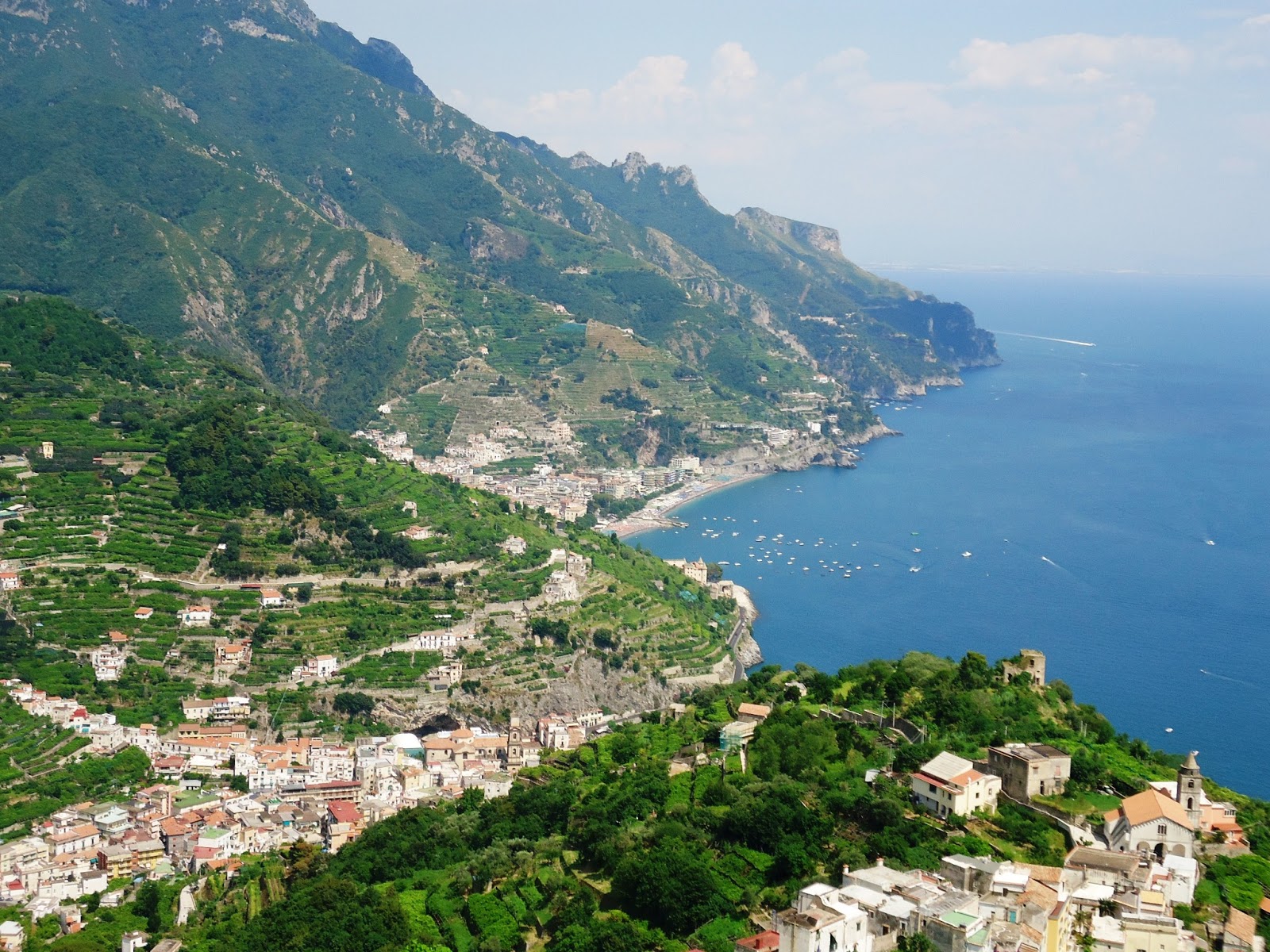
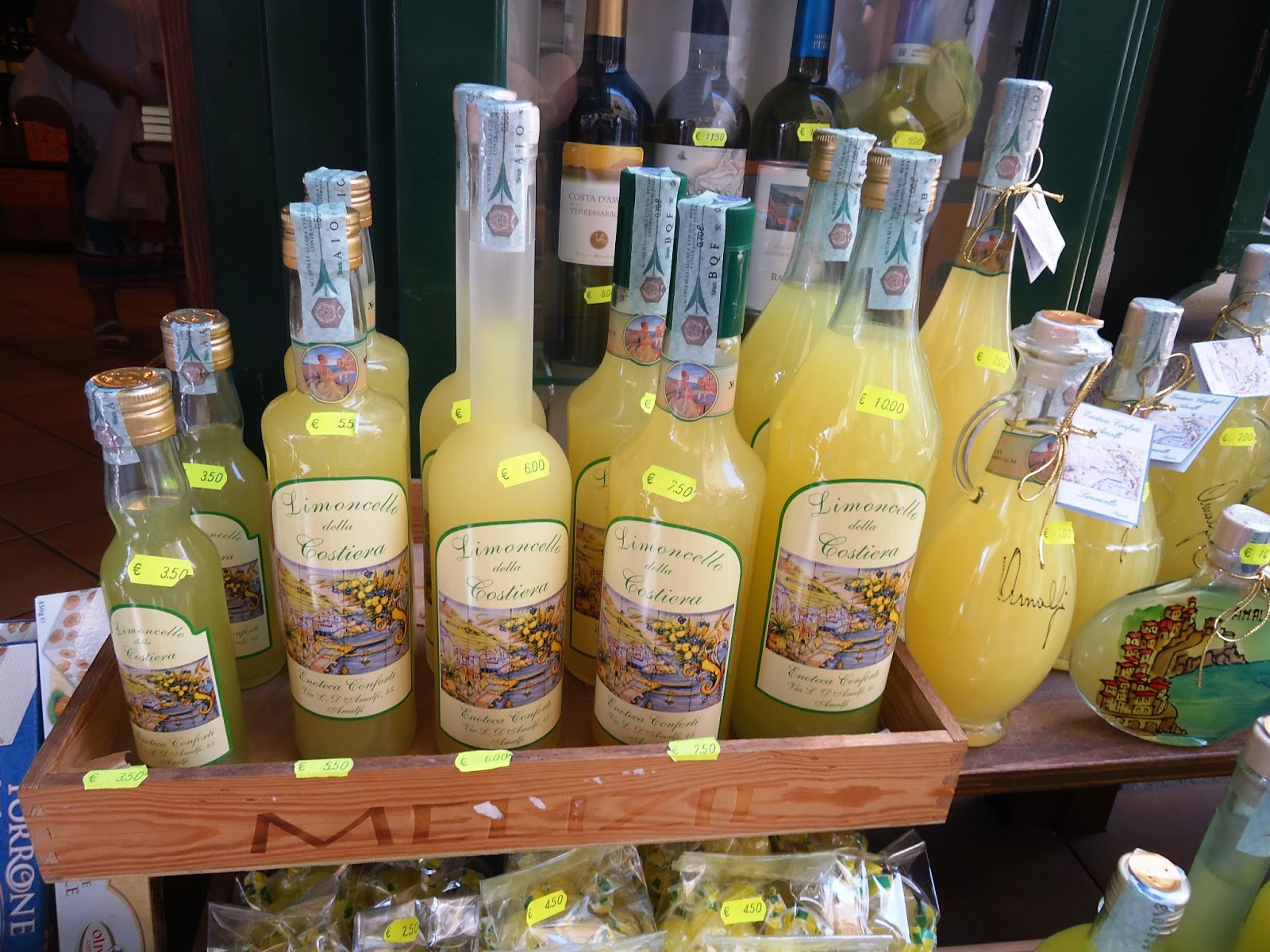
I have enjoyed reading about Patrick Comerford’s  travels in Italy, particularly his blog on “Three weddings and some cathedrals on the Amalfi coast”. I visited many of the same places last year including the Duomo at Amalfi itself. He also made the journey up the mountain to Ravello, where there are some lovely villas and where you get a great view across towards Sorrento and looking down on Maiori (where we stayed) and the Bay of Salerno. He has some nice photographs as well, including the local liqueur, limoncello:

Looking down on the Amalfi coast from Ravello (Photograph: Patrick Comerford (2013)

Patrick Comerford

I spent Saturday [6 July 2013] along the Amalfi Coast, which stretches along the southern coast of the peninsula east of Sorrento. With its steep shoreline, towering cliffs, rocky outcrops, hairpin bends, with the shimmering blue sea below and one pretty coastal town or pastel-coloured village after another, the Amalfi Coast is a popular location for motor advertising shots and the weekend traffic also showed how this a popular destination for both Italians and the thousands of tourists staying in the Naples and Sorrento area. I had no mid-life-crisis, open-topped red sports car for today’s journey. Instead, I travelled by coach with the four dozen or so people in our group along the only land route on the Amalfi Coast – the 40 km stretch along the Strada Statale 163, running along the coastline from Positano in the west to Vietri sul Mare in the east.

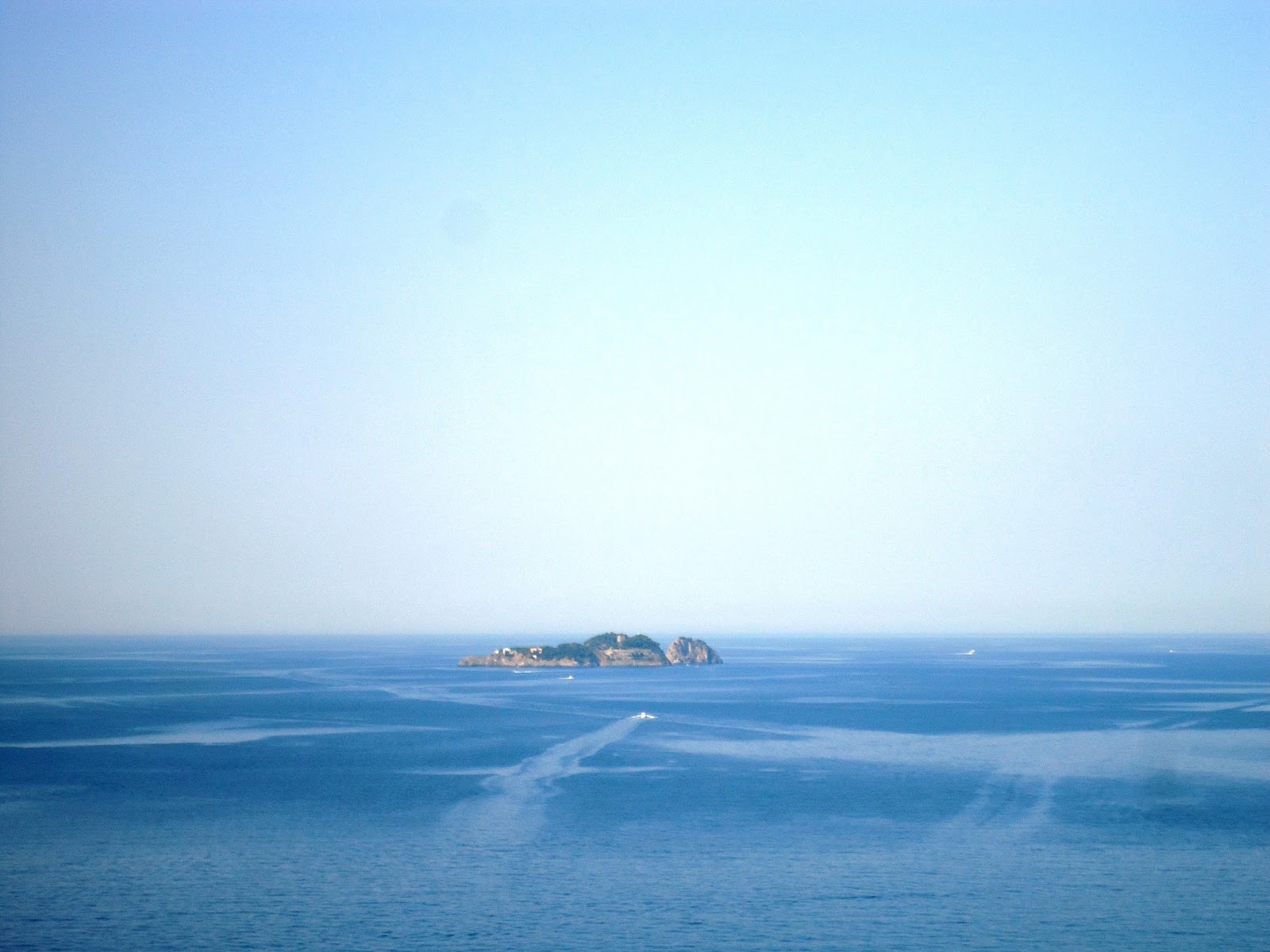
The rocks of Sirenuse … home to the Sirens who may have given their name to Sorrento (Photograph: Patrick Comerford, 2013)

Below us in the blue sea for the most part of the journey we could see the tiny islands that form Li Galli Archipelago. United the 19th century there were known as Sirenuse and the said to be the home of the mythical Sirens who lured sailors unto the rocks and who may have given their name to Surrentum or Sorrento. In the 10th and 11th centuries, the Duchy of Amalfi was an independent statelet based on the town of Amalfi. This coastline was part of the Principality of Salerno, until Amalfi was sacked by the Republic of Pisa in 1137.

The Amalfi Coast is known for limoncello, a liqueur produced from locally-grown lemons (Photograph: Patrick Comerford, 2013)

In 1997, the Amalfi Coast was listed as a Unesco World Heritage Site and as a cultural landscape. This area is also known for limoncello, a liqueur produced from lemons grown between February and October in the terraced gardens along the coast. After the unification of Italy, the Amalfi coast has enjoyed a huge economic revival, boosted in the late 20th century by international tourism. Our first stop was in Positano, a village and commune , mainly in an enclave in the hills leading down to the coast. It was a port in the mediaeval Amalfi Republic. The church of Santa Maria Assunta has a dome made of majolica tiles and a 13th century Byzantine icon of a black Madonna. According to local legend, the icon was stolen in Byzantium and was being shipped across the Mediterranean by pirates when a terrible storm blew up in the sea near Positano. The frightened sailors heard a voice on board saying: “Posa, posa!” (“Put down! Put down!”) The sacred icon was taken off the boat and carried to the fishing village, and only then the storm abated. Positano prospered in the 16th and 17th centuries. However, by the mid-19th century, the town had fallen on hard times, and more than half the population emigrated, mostly to Australia. By the first half of the 20th century, Positano was a relatively poor fishing village. It began to attract large numbers of tourists in the 1950s, especially after John Steinbeck published his short story ‘Positano’ in Harper’s Bazaar in May, 1953. “Positano bites deep,” he wrote. “It is a dream place that isn’t quite real when you are there and becomes beckoningly real after you have gone.” After we gone through Positano and stopped briefly on the eastern edge of the town for the panoramic view and freshly squeezed orange juice and once again at a ceramic shop at Grotta dello Smeraldo before continuing on to the harbour town of Amalfi. I had an internal debate between boats and architecture: would I go on a boat trip with the others out into the Bay of Salerno? Or would I visit the Duomo in Amalfi on my own?

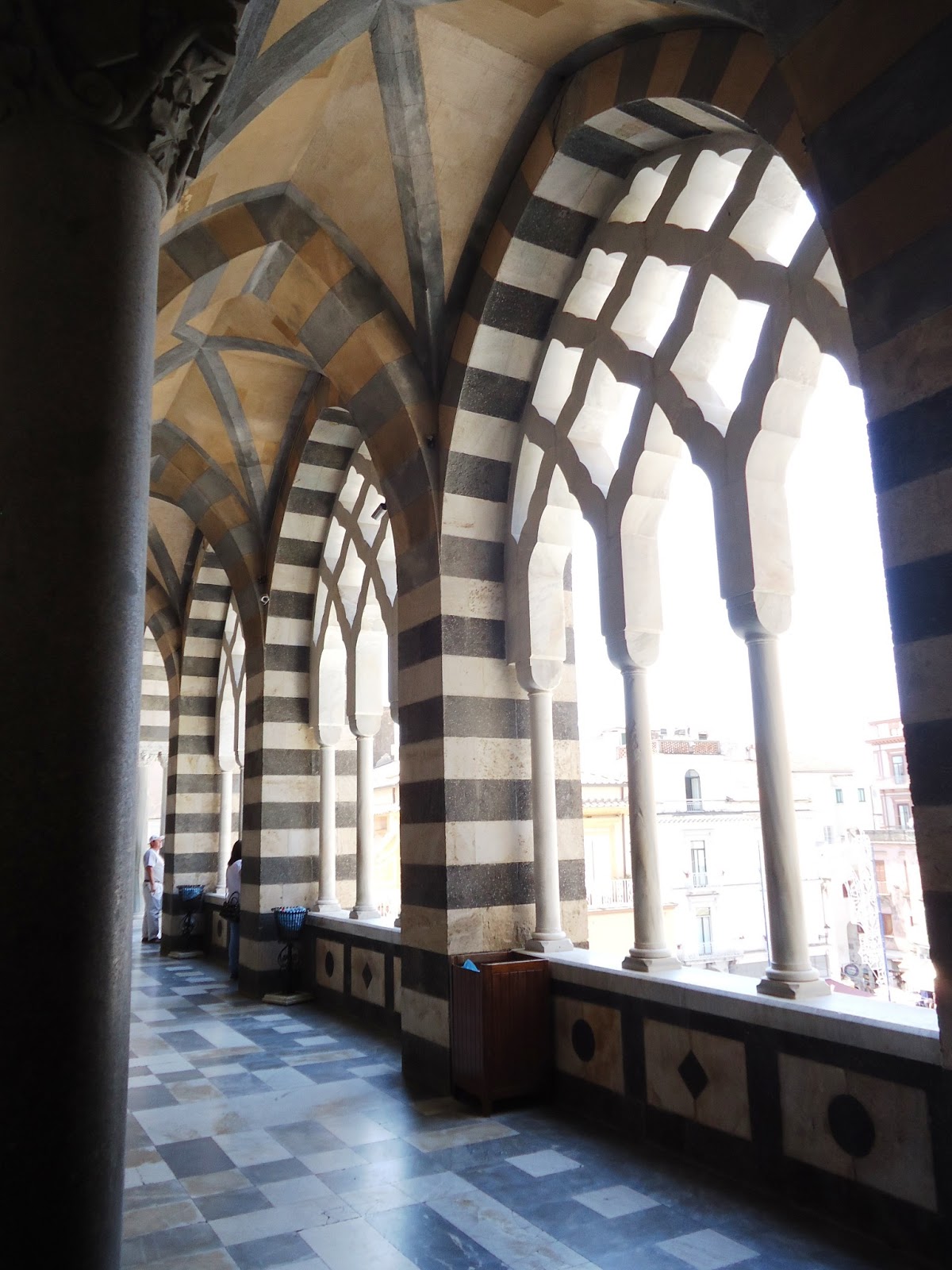
The portico of the Duomo di Sant’Andrea looks down onto the Piazza Duomo below (Photograph: Patrick Comerford, 2013)

I plan to visit Capri on Monday, so architecture won the day today, and I climbed the broad steep steps to the Duomo di Sant’ndrea. And I was just in time too, for a wedding was about to begin, and by the time the boat-trippers returned the bride had arrived and the cathedral was closed to visitors.

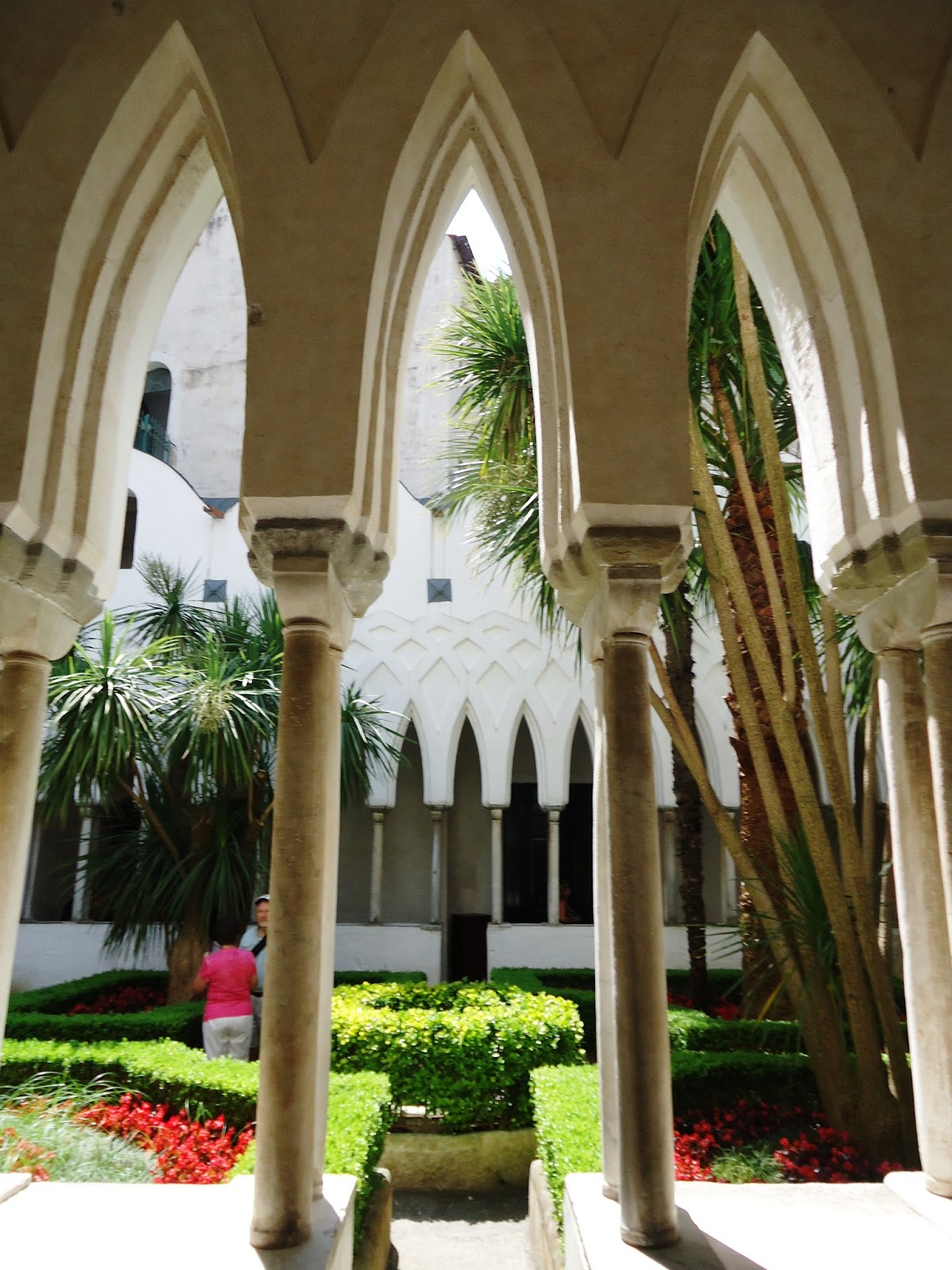
The Cloisters of Paradise with their ornate Moorish-style colonnades (Photograph: Patrick Comerford, 2013)

The cathedral doors were cast in bronze in Constantinople in the 11th century. But the entrance to the cathedral is through the beautifully named Chiostro del Paradiso or Cloisters of Paradise, with its ornate Moorish-style colonnades of white-washed, interlaced arches, palm trees, and inner garden. The cloisters lead into the museum in the former Basilica di Crocifissio, with bare walls and an eclectic collection of ecclesiastical artefacts, including a bishop’s sedan chair made in Macao in the 18th century, along with paintings, mitres and vestments.

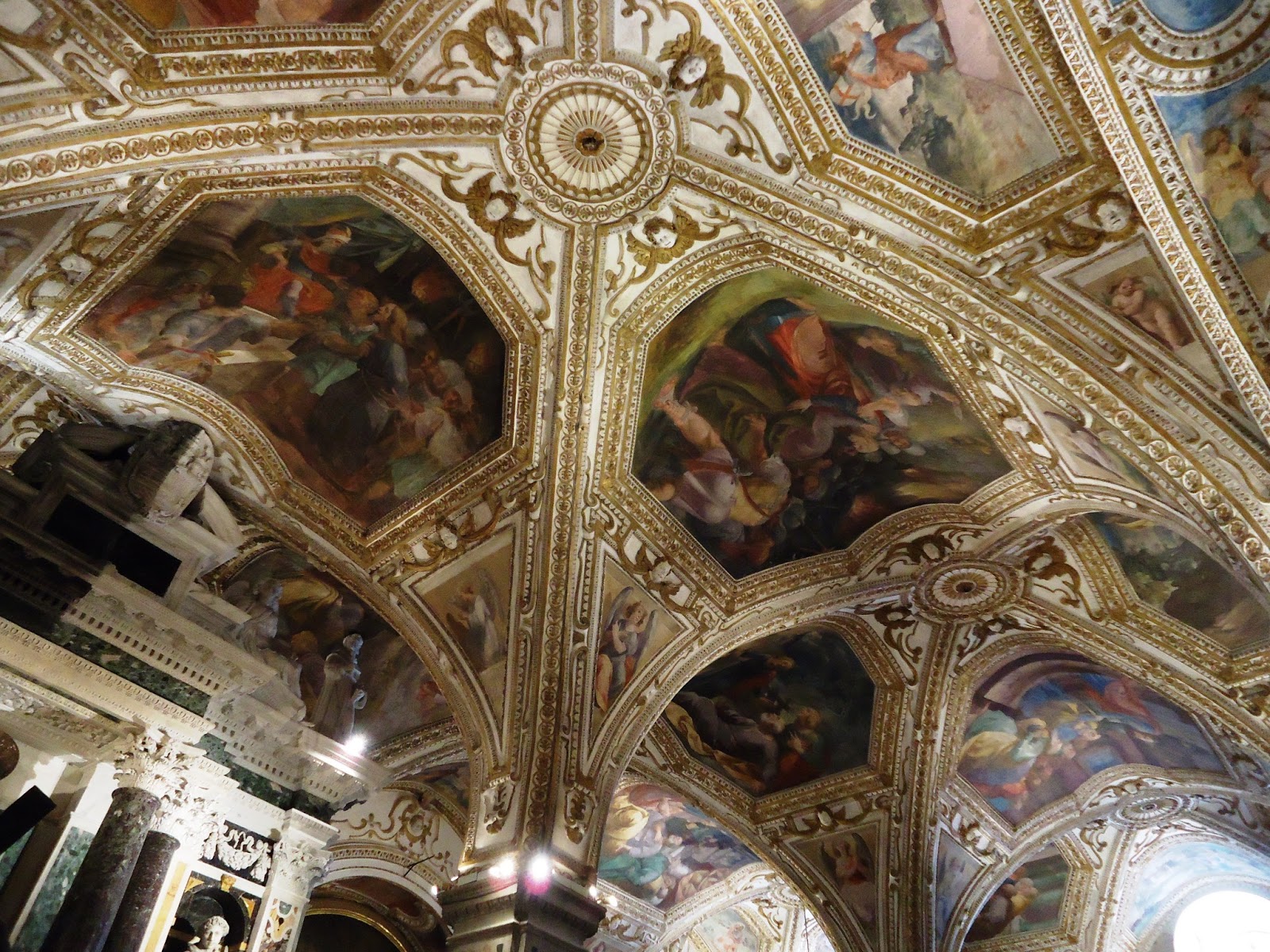
The richly decorated ceiling of the crypt below the Duomo in Amalfi (Photograph: Patrick Comerford, 2013)

Steps lead down to the crypt, with its richly decorated baroque ceiling and a shrine containing the body of Saint Andrew, who gives his name to the cathedral above. The apostle’s body was brought to Amalfi by the Knights of Saint John of Jerusalem, who brought it here in 1204, having plundered it in Constantinople which contains. The body is buried deep beneath the shrine – although the saint’s head is in Patras in Greece – but the shrine includes a small vessel placed above the coffin to catch a miraculous fluid that is said to flow from the saint’s body ever since the 14th century. Away from the bustle of the square in the front of the cathedral and back from the busy beach and harbour, the back streets and the stepped side streets were quiet and cool in the mid-day sun. From Amalfi, we climbed up through the cultivated terraced mountainside and the hairpin bends to Scala, where we had lunch in the Margheritta Hotel, in a balcony looking down on the road we had had climbed in our two small buses.

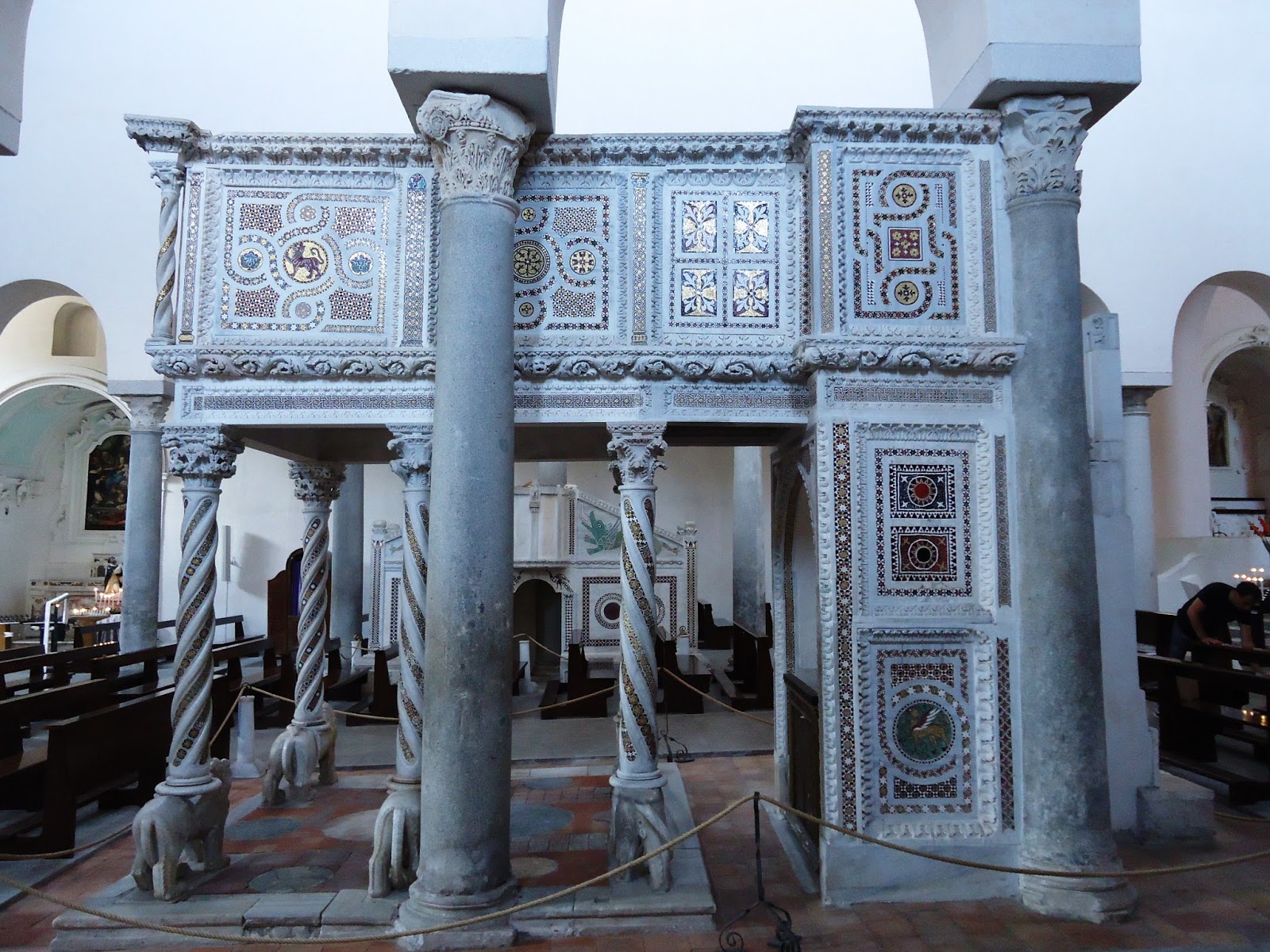
The ornate Gospel pulpit in the Duomo in Ravello (Photograph: Patrick Comerford, 2013)

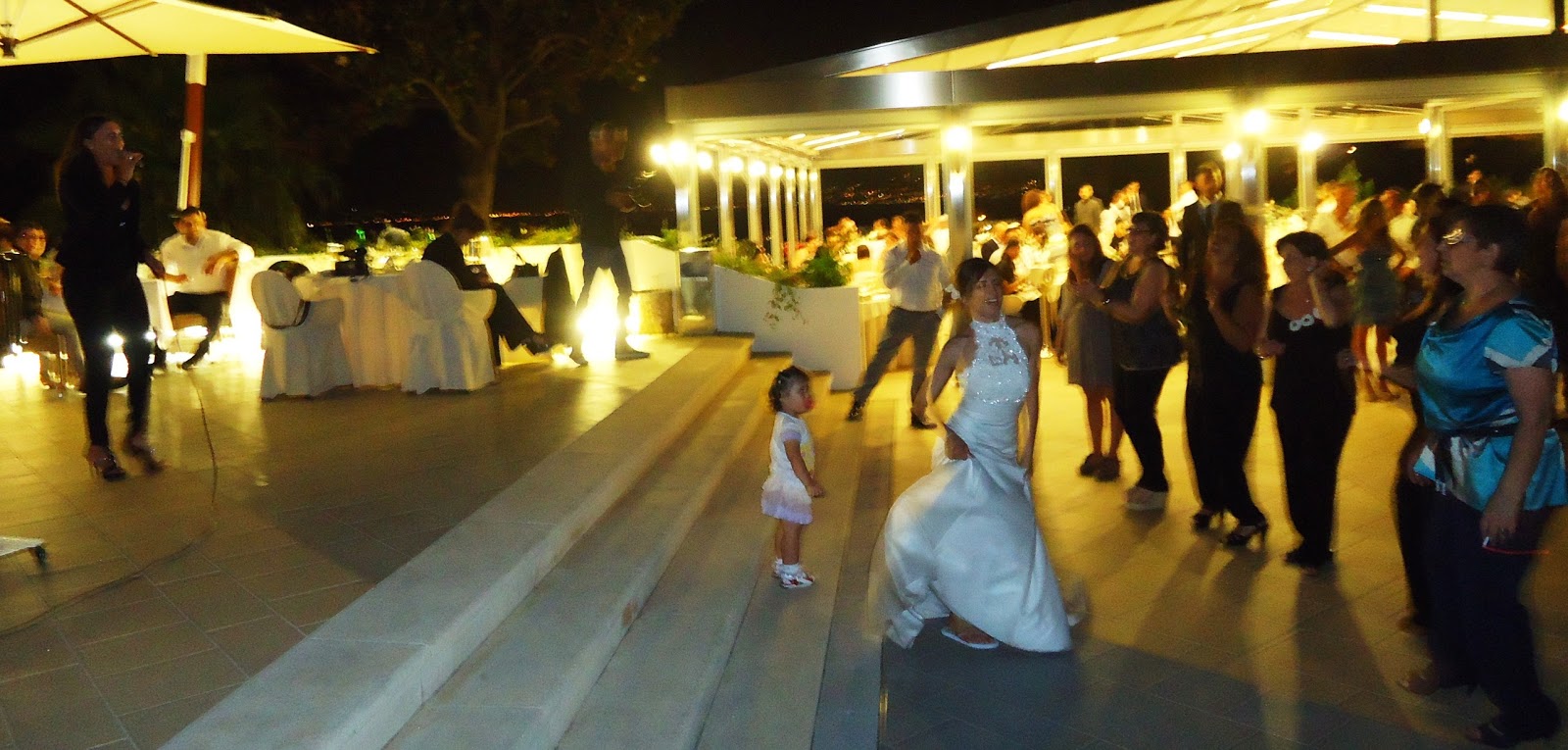
From Scala, we travelled back down to Ravello, once an independent city state. This was also the setting for part of Richard Wagner’s Parsifal, and here DH Lawrence wrote part of Lady Chatterley’s Lover. The Duomo, dedicated to Saint Pantaleone, was being prepared for a wedding, but once again I had arrived in time to see the inside of the cathedral and its museum. The duomo has two ornately decorated pulpits – an Epistle pulpit and a Gospel pulpit. The Gospel pulpit has twisted columns patterned with mosaics resting on six carved lions. There was time to look inside the tropical gardens of the Villa Rufolo, which inspired Klingsor’s magic garden and the stage design of Wagner’s Parsifal. Although we could see it from the balconies of Ravello, we never got as far as Salerno. As we sat to dinner back in the Grand Hotel Moon Valley, a wedding was taking place by the pool, and some of us joined the happy families until late in the evening.

The bride dances at the third wedding in a day (Photograph: Patrick Comerford, 2013)

Share this:

  • Share on Facebook (Opens in new window) Facebook
  • Share on X (Opens in new window) X
Like Loading...
TRAVEL UNCATEGORISED AmalfilimoncelloPatrick ComerfordPositanoRavelloSorrento Leave a comment

BOSTON TAPES

07/07/2013 by borderroamer
Boston College

Boston College

Following yesterday’s statement by Ed Moloney and Anthony McIntyre regarding the Boston Tapes and the Historical Enquiries Team, there has now been another twist in the story. Reports on both BBC (NI) and RTÉ News say that transcripts of interviews with the late Dolours Price, carried out as part of the Boston College project, have been handed over to the PSNI. The former IRA member who died in January was one of several ex- paramilitaries, interviewed by Moloney and McIntyre as part of a Boston College project to create an Oral History of the “troubles”. The recordings were started in 2001 and were made on the condition that confidentiality would be guaranteed until after the death of the republican and loyalist paramilitaries who took part.psni

The PSNI sought access to the transcripts as part of their investigation into the disappearance of Belfast mother-of-ten, Jean McConville, who was abducted and murdered by the IRA, then buried secretly. But the director of the Boston College Project, Ed Moloney and researcher Anthony McIntyre insisted Price did not make claims about the Disappeared in her interviews. They took a legal action to try to prevent the handing over of the interviews.

In a statement the PSNI said two detectives from the Serious Crime Branch had travelled to Boston to take possession of materials authorised by the United States appeal court as part of their investigation into the murder of Jean McConville.

Anthony McIntyre

Anthony McIntyre

Mr McIntyre said they were disappointed at the move. He said both he and Ed Moloney would fight to prevent any more transcripts being handed over to the PSNI.

Share this:

  • Share on Facebook (Opens in new window) Facebook
  • Share on X (Opens in new window) X
Like Loading...
NEWS Anthony McIntyreBoston CollegeBoston tapesDolours PriceEd MoloneyJean McConvillePSNI Leave a comment

BOSTON TAPES & HET

06/07/2013 by borderroamer
Boston College

Boston College

Crisis In Historical Enquiries Team Probe Of NI’s Past Shows Need For A Fresh Start And An End To Boston College Probe.

Statement from Ed Moloney & Anthony McIntyre on the failures of the Historical Enquiries Team (HET):

Following the decision by the Policing Board of Northern Ireland to suspend all reviews by the HET of military cases and in light of the board’s expression of no confidence in the leadership of the HET on foot of a damning report by the British Inspectorate of Constabulary into the HET’s performance, we call upon the British authorities to immediately suspend the ongoing PSNI investigation resulting from the subpoenas served on Boston College.

Anthony McIntyre

Anthony McIntyre

Ed Moloney

Ed Moloney

We also urge both the US and British governments to immediately withdraw the subpoenas served against Boston College’s Belfast Archive.

It is clear from the HMIC report, from the rigorous investigations carried out by Dr Patricia Lundy, from our own examination of the HET’s record and from the response of public and politicians to this crisis that there is no confidence in the way the British authorities are dealing with the sensitive and all important issue of Northern Ireland’s troubled past.

The way the authorities have invested so much time and money pursuing the Boston archives is in stark contrast to the slipshod and half-hearted efforts that the HET has put into investigating state sponsored violence, especially killings carried out by the British Army. This, we believe, is symptomatic of the double standards that have infected the HET-based approach to dealing with the past.

We urge the British and Irish governments to suspend all criminal and non-criminal inquiries into the past until agreement has been reached by all parties on a credible way forward and a mechanism to deal with the past has been created in such a way that it commands widespread confidence and support.

Share this:

  • Share on Facebook (Opens in new window) Facebook
  • Share on X (Opens in new window) X
Like Loading...
NEWS POLITICS Anthony McIntyreBoston tapesEd MoloneyHistorical Enquiries TeamPSNI Leave a comment

VESUVIUS

05/07/2013 by borderroamer
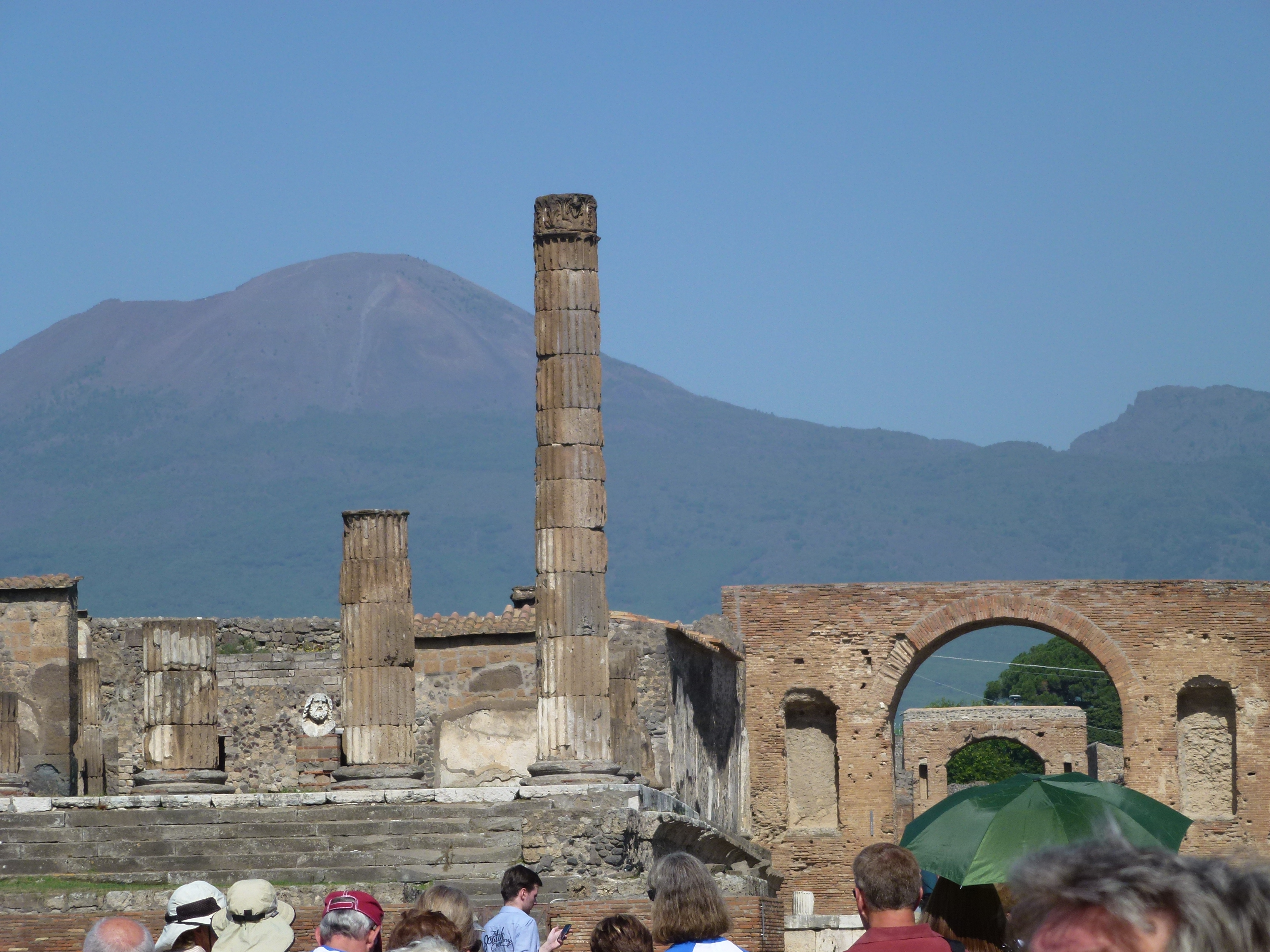
Pompeii and Mount Vesuvius

Pompeii and Mount Vesuvius: Photo © Michael Fisher 2012

Patrick Comerford’s blog today from Vesuvius and Pompeii reminded me of my visit there last August. I wrote about it in April, mentioning the exhibition that is running in the British Museum on “Life and Death: Pompeii and Herculaneum”

Patrick Comerford: Walking beneath the clouds of Mount Vesuvius:

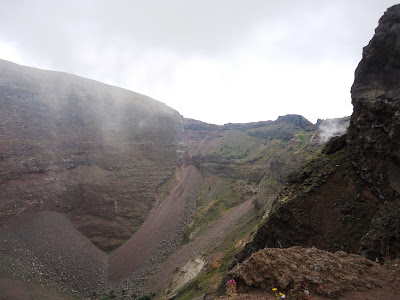
Looking into the crater on the top of Mount Vesuvius (Photograph: Patrick Comerford, 2013)

For most of Thursday [4 July] Mount Vesuvius was wrapped in rain clouds, pouring rain down intermittently on Pompeii below. The clouds spread out over the Bay of Naples, and this afternoon blocked the view across the bay as we climbed Mount Vesuvius.

But we began the day with a morning walking through the streets, houses, theatres, temples, baths, the forum, the markets and the open areas of Pompeii, the city destroyed – and preserved – by the eruption of Mount Vesuvius on the afternoon 24 August 79 AD.

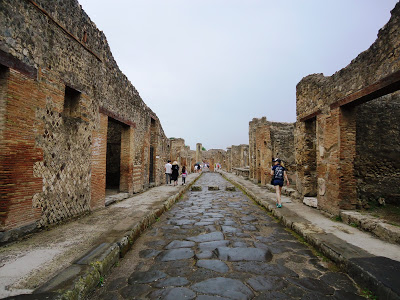
Walking through the paved streets of Pompeii (Photograph: Patrick Comerford, 2013)

Pompeii attracts about 5,000 visitors a day, or about 2.5 million visitors each year. There almost 50 people on this tour group, and for some it was an interesting reminder that Pompeii too was a holiday or weekend destination for many wealthy Romans almost 2,000 years ago until the city was buried under 4 to 6 metres of ash and pumice that fatal day.

Time has stood still in Pompeii ever since. It was good to be reminded too that apart from some modern inventions such as the internal combustion engine, the railway, electricity and the internet, many of the 20,000 residents of Pompeii lived very much like us, with two-storey houses, a clean water system – and a problem with producing too much domestic waste.

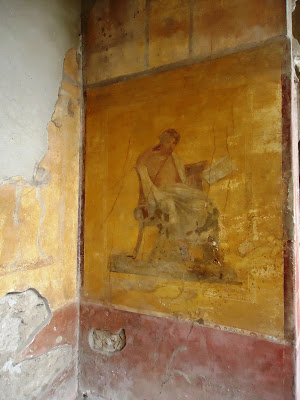
The walls of a house in Pompeii Pompeii (Photograph: Patrick Comerford, 2013)

The mosaics, frescoes, gardens, rooms and domestic shrines could only begin to tease our imaginations about life in Pompeii. Everyone says a morning there does not do it justice.

Throughout the morning, as we walked through the town, Vesuvius, wrapped in clouds, loomed above us in the distant background.

After lunch below the town in Lucullus, we continued on to the slopes of Mount Vesuvius. From the car park it was a 20-minute climb to the rim of the crater at the top, and most of us managed the steep ascent in about 20 or 30 minutes, but the clouds still blocked a complete view of the Bay of Naples and the islands.

It was quicker coming back down the mountain path. There were no burns or injured limbs.

Back at the Grand Hotel Moon Valley, the pool also has a perfect view of Mount Vesuvius, the only active volcano in Europe. They say Vesuvius should erupt every 30 years – but it has not done so since 1944.  PATRICK COMERFORD

Share this:

  • Share on Facebook (Opens in new window) Facebook
  • Share on X (Opens in new window) X
Like Loading...
NEWS TRAVEL NaplesPatrick ComerfordPompeiiVesuvius Leave a comment

STOCKTAKING

04/07/2013 by borderroamer
Former Battersea Power Station beside railway line & River Thames, London

Former Battersea Power Station beside railway line & River Thames, London

After six months of blogging daily as FisherBelfast on various topics (some of them listed on the right-hand side of the page), I am using this opportunity to take stock. The statistics show that since January 1st when I began, I have had over 13,000 page views. It has worked out at over 2,000 every month, with the exception of February, which had 28 days. The average view per day is 71, with the best being last month when it was as high as 83 daily. The majority of viewers come via links on twitter or facebook and are from the UK, followed by Ireland, then the United States, Canada and Australia. I have had single views from 22 countries including Taiwan and Colombia. Hard to know if any of that could be attributed to spammers. So a big thank-you to anyone who has dropped in on these pages in 2013. Please continue to read my posts, sign up for e-mail alerts and tell your friends! Michael Fisher: Belfast, Dublin and Monaghan.

Share this:

  • Share on Facebook (Opens in new window) Facebook
  • Share on X (Opens in new window) X
Like Loading...
NEWS UNCATEGORISED BlogFisherBelfast Leave a comment

Post navigation

← Older posts
Newer posts →

Recent Posts

  • DESMOND FISHER 1920-2014 30/12/2020
  • GAJ AWARDS 2020 24/12/2020
  • COVID-19 REPORTING AWARD 20/12/2020
  • HAPPY 100TH BIRTHDAY 31/03/2020
  • NUJ VOTING REMINDER 26/01/2020
  • WORLD PRESS FREEDOM 20/01/2020
  • REMINDER TO VOTE 18/01/2020
  • BOND, WE’VE BEEN EXPECTING YOU! 17/01/2020
  • NUJ MEMBERS IN IRELAND 09/01/2020
  • NUJ BLAST FROM THE PAST 08/01/2020

Archives

  • Dec 2020 (3)
  • Mar 2020 (1)
  • Jan 2020 (13)
  • Oct 2019 (10)
  • Sep 2019 (30)
  • Aug 2019 (31)
  • Jun 2019 (2)
  • May 2019 (1)
  • Sep 2018 (1)
  • Jul 2017 (1)
  • Dec 2016 (12)
  • Sep 2016 (2)
  • Aug 2016 (5)
  • Jul 2016 (5)
  • Jun 2016 (10)
  • May 2016 (15)
  • Apr 2016 (19)
  • Mar 2016 (14)
  • Jan 2016 (26)
  • Dec 2015 (2)
  • Aug 2015 (1)
  • Jul 2015 (30)
  • Jun 2015 (30)
  • May 2015 (32)
  • Apr 2015 (30)
  • Mar 2015 (31)
  • Feb 2015 (28)
  • Jan 2015 (31)
  • Dec 2014 (31)
  • Nov 2014 (14)
  • Mar 2014 (2)
  • Feb 2014 (2)
  • Jan 2014 (31)
  • Dec 2013 (19)
  • Nov 2013 (17)
  • Oct 2013 (29)
  • Sep 2013 (30)
  • Aug 2013 (31)
  • Jul 2013 (31)
  • Jun 2013 (30)
  • May 2013 (28)
  • Apr 2013 (32)
  • Mar 2013 (31)
  • Feb 2013 (28)
  • Jan 2013 (31)
  • Dec 2012 (3)
  • Oct 2012 (1)
  • Sep 2012 (1)
  • Aug 2012 (2)
  • Jul 2012 (3)
  • Jun 2012 (3)
  • May 2012 (3)
  • Apr 2012 (5)
  • Mar 2012 (1)
  • Jan 2012 (1)
  • Dec 2011 (1)
  • Nov 2011 (1)
  • Jun 2011 (1)
  • May 2011 (1)
  • Apr 2011 (2)
  • Dec 2010 (1)
  • Nov 2010 (3)
  • Oct 2010 (6)
  • Aug 2010 (1)
  • Jul 2010 (7)

Categories

Meta

  • Create account
  • Log in
  • Entries feed
  • Comments feed
  • WordPress.com

Enter your email address to follow this blog and receive notifications of new posts by email.

36th Ulster Division 2013 WPFG AFC Wimbledon An Bord Pleanála Ballinode Balmoral Show Barry McCall Battle of Somme BBC belfast Belfast Festival Belfast Lions Club Big Music Week Birmingham BOSE Bristol Carlow Carrickmacross Castleblayney Catholic Herald Clogher Clones CMAPC Defence Forces Derry Desmond Fisher Dublin EirGrid Emyvale Fine Gael GAA Geel Glaslough Heather Humphreys TD Iarnród Éireann Ice Hockey Ieper Inniskeen Irish Press Kingsmeadow London Meath Michael Fisher Monaghan Monaghan County Council NEC NEPPC Newbridge North/South Interconnector Northern Standard NUJ Odyssey Arena Patrick Comerford Pope Francis Poperinge Private Robert Hamilton PSNI Royal Irish Fusiliers RTÉ SDLP Shamrock Rovers Shared History Shared Future SIPTU St Macartan's Cathedral Tallaght Tydavnet Tyrone Ulster rugby Vatican II William Carleton William Carleton Society William Carleton summer school WW1 WWI WWII

Blog Stats

  • 243,961 hits
Blog at WordPress.com.
Michael Fisher's News
Blog at WordPress.com.
  • Subscribe Subscribed
    • Michael Fisher's News
    • Join 173 other subscribers.
    • Already have a WordPress.com account? Log in now.
    • Michael Fisher's News
    • Subscribe Subscribed
    • Sign up
    • Log in
    • Report this content
    • View site in Reader
    • Manage subscriptions
    • Collapse this bar
 

Loading Comments...
 

    %d