WFFW6 DAY THREE

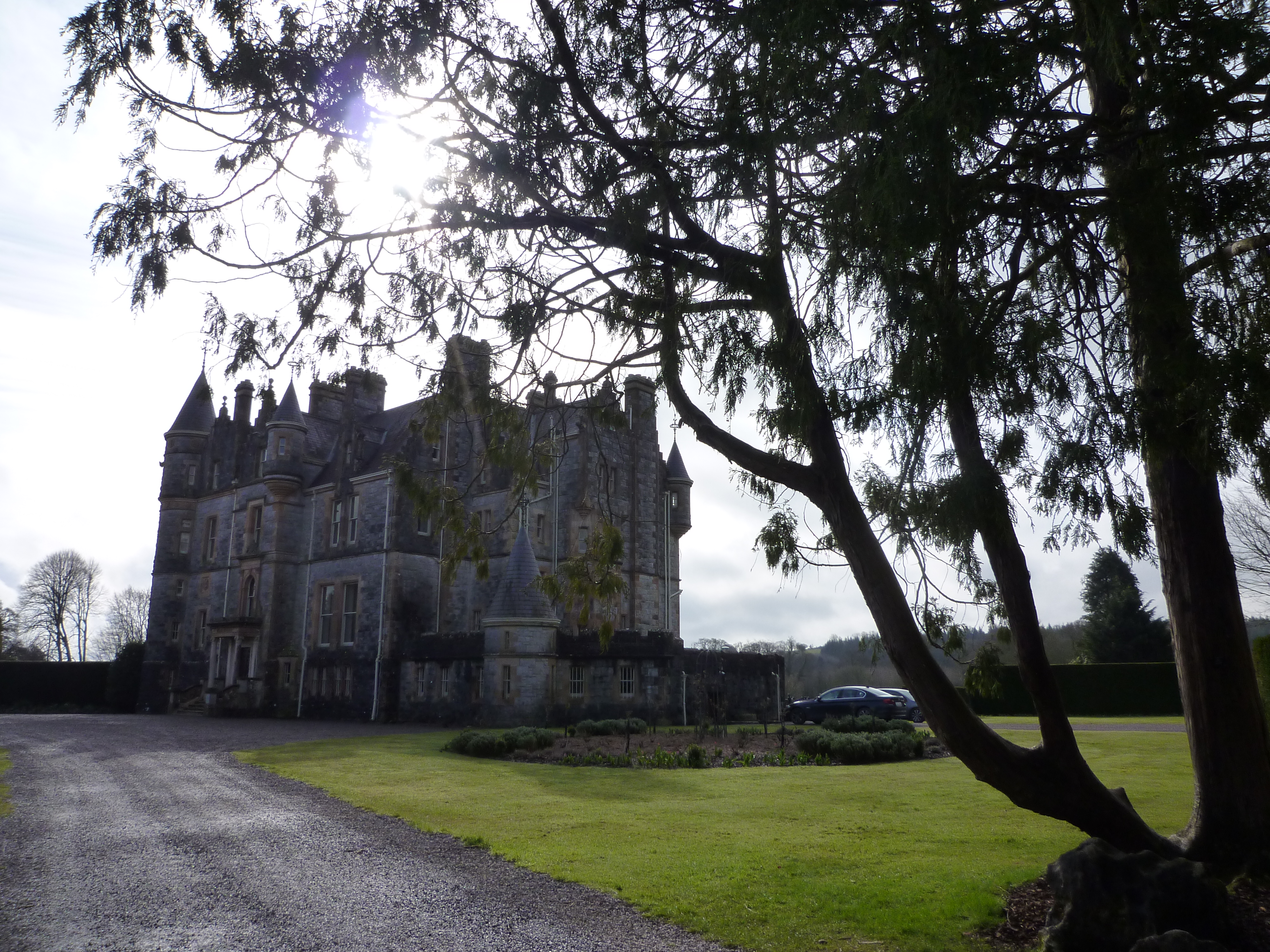
Rochester Castle

Rochester Castle

DAY THREE: The walk began this morning at Strood station in Kent. Today’s section of the 43-mile route went for about nine miles. A nice section of it was along the River Medway and past Rochester as far as Gillingham, where AFC Wimbledon played Gillingham FC at Priestlands at 3pm. The match ended in a 2-2 draw. I was leaving just as the Dons scored the vital equaliser. Now it’s down to the wire next Saturday at Kingsmeadow if we are to avoid relegation back to the non-league Conference. The Gills took the League 2 title and are promoted to division one (the old division 3) next season.

Gillingham v AFC Wimbledon

Gillingham v AFC Wimbledon

My chosen charity apart from the AFCW Community fund is Diabetes UK and details of how to donate can be found in my JustGiving page or click the Sponsor me button at the top of the page. Or Text WFFW67 £5 to 70070 on your mobile. Thank you for your sponsorship. Michael Fisher, Belfast Lions Club.

JustGiving - Sponsor me now!

WFFW6 DAY TWO

JustGiving - Sponsor me now!DAY TWO: The walk began this morning at Petts Wood station near Croydon. Today’s section of the 43-mile route goes for about fifteen miles as far as Erith. My chosen charity apart from the AFCW Community fund is Diabetes UK and details of how to donate can be found in my JustGiving page or click the Sponsor me button at the top of the page. Or Text WFFW67 £5 to 70070 on your mobile.

WFFW6 STARTS

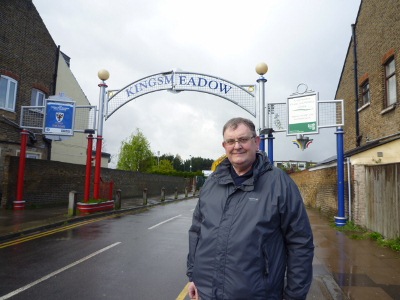
JustGiving - Sponsor me now!DAY ONE: The walk began this morning in South West London. The main group started off from the AFC Wimbledon stadium at Kingsmeadow at 9am. I started two miles along the route at Malden Manor station so that I would not delay their start and was able to catch up with them at a convenient location near the Hogsmill River. Today’s section of the 43-mile route goes for about nineteen miles as far as Whytleafe where there are a number of hills. My chosen charity apart from the AFCW Community fund is Diabetes UK and details of how to donate can be found in my JustGiving page or click the Sponsor me button at the top of the page. Or Text WFFW67 £5 to 70070 on your mobile.

WALK FOR WIMBLEDON 6

WFFW5 at Barnet April 2012

WFFW5 at Barnet April 2012

Setting off tomorrow (Thursday) on a fundraising 40+ miles walk in the greater London area. It’s called Walk Further for Wimbledon 6 as it is the sixth year such a trek has been undertaken. For me, it is my third year of involvement, having started in April 2011. The idea is to raise funds for our supporter-owned football club AFC Wimbledon and a charity of the walker’s choice. This time any funds for the soccer club will be channelled into a new Community Fund.

JustGiving - Sponsor me now!My choice of a separate charity is Diabetes UK (NI) via Belfast Lions Club. In February the Club heard from a representative of the group at its monthly meeting in the Wellington Park Hotel. Nearly 76,000 people in Northern Ireland have a health problem related to diabetes. If you wish to make a donation, please do so through my JustGiving page and if you are a UK taxpayer you can add Gift Aid automatically.

WFFW5 leaving Kingsmeadow

WFFW5 leaving Kingsmeadow

I am flying from Belfast International early in the morning and hoped to join the group of walkers about two miles into the walk near Malden Manor station. They will be setting off from the AFC Wimbledon ground at Kingsmeadow, Norbiton but I will not be able to join them in time for a 9am start, so will pick up the trail about half an hour later, as I did at the O2 in Greenwich two years ago.

Some of the walk is along the London Loop, part of which we walked last year on the way to the match at Underhill in Barnet. This year’s destination is Gillingham FC. A full house of around 11,500 is expected at Priestfield, including 1133 Dons’ fans. Gillingham have already won the title but AFC Wimbledon are dangerously close to the relegation zone as their first season (back) in the Football League comes to an end, with only this game and one home game on Saturday week remaining. Last year I raised £442 and £72 Gift Aid for the Lions International Korle Bu eyesight project in Ghana and I would like to thank once again those who donated so generously. In 2011 my participation in the same walk (which took me past HMS Belfast on the River Thames) raised over £200 for another charity supported by Lions, St Dunstan’s, now known as Blind Veterans UK.

WFFW4 at Kingsmeadow 2011

WFFW4 at Kingsmeadow 2011

DAY ONE of the walk (Thursday) is the longest section from Kingsmeadow to Whyteleafe, around 19 miles, ending with a hilly section around Kenley airfield. Created by dwarfer77

Walk further for Wimbledon 6, Day 1

Walk further for Wimbledon 6, Day 1  19.2 miles / 30.9 km

Walk further for Wimbledon 6, Day 2

Walk further for Wimbledon 6, Day 2  15.4 miles / 24.8 km

BELVEDERE HOUSE

Belvedere House MullingarSitting on the shore of Lough Ennell near Mullingar in County Westmeath you will find an example of  an Irish country house, now in the care of the local County Council. It was built in 1740 as a hunting lodge for Robert Rochfort, 1st Earl of Belvedere by architect Richard Castle, one of Ireland’s foremost Palladian architects.

Belvedere House, although not very large, is architecturally significant because of its Diocletian windows and dramatic nineteenth-century terracing. When Robert Rochfort decided to use Belvedere as his principal residence he employed Barthelemij Cramillion, the French Stuccadore, to execute the Rococo plasterwork ceilings which are among the most exquisite in the country (Wikipedia).

"Jealous Wall" Folly

“Jealous Wall” Folly

The landscaped demesne of 160 acres boasts the largest and most spectacular folly in Ireland, called the The Jealous Wall. It was built by Robert Rochfort to block off the view of his estranged brother’s house nearby. There is also a Victorian walled garden and many hectares of forest. The house has been fully restored and the grounds are well maintained, attracting some 160,000 visitors annually.

Stucco Ceiling, Belvedere House

Stucco Ceiling, Belvedere House

Drawing Room overlooking lake

Drawing Room overlooking lake

On arrival at the car park and on the walk down towards the courtyard café, I noticed a recent addition to the landscape, donated by the Defence Forces. A 25pdr Field Gun from 4th Field Artillery Regiment, which used to be based in Mullingar. As the highest decorated regiment in the Defence Forces, the officers, NCOs, gunners and their families served the community of Mullingar and the people of Ireland at home and overseas from 17th February 1948 until 28th March 2012 when Columb Barracks closed. On 30th November 2012 the 4th Field Artillery Regiment were disbanded and became the 2 BDE Artillery Regiment (information on plaque).

Irish Army 25-pounder Gun

Irish Army 25-pounder Gun

Following the second world war Charles Howard-Bury, a soldier and mountaineer, restored the house and gardens. He never married and on his death in 1963 the estate was inherited by the actor Rex Beaumont. Rex had been Howard-Bury’s friend and companion for 30 years and he sold the estate to Westmeath County Council in 1982. The contents were auctioned by Christie’s in 1980. Following a multi-million pound restoration the house and gardens are now open to visitors.

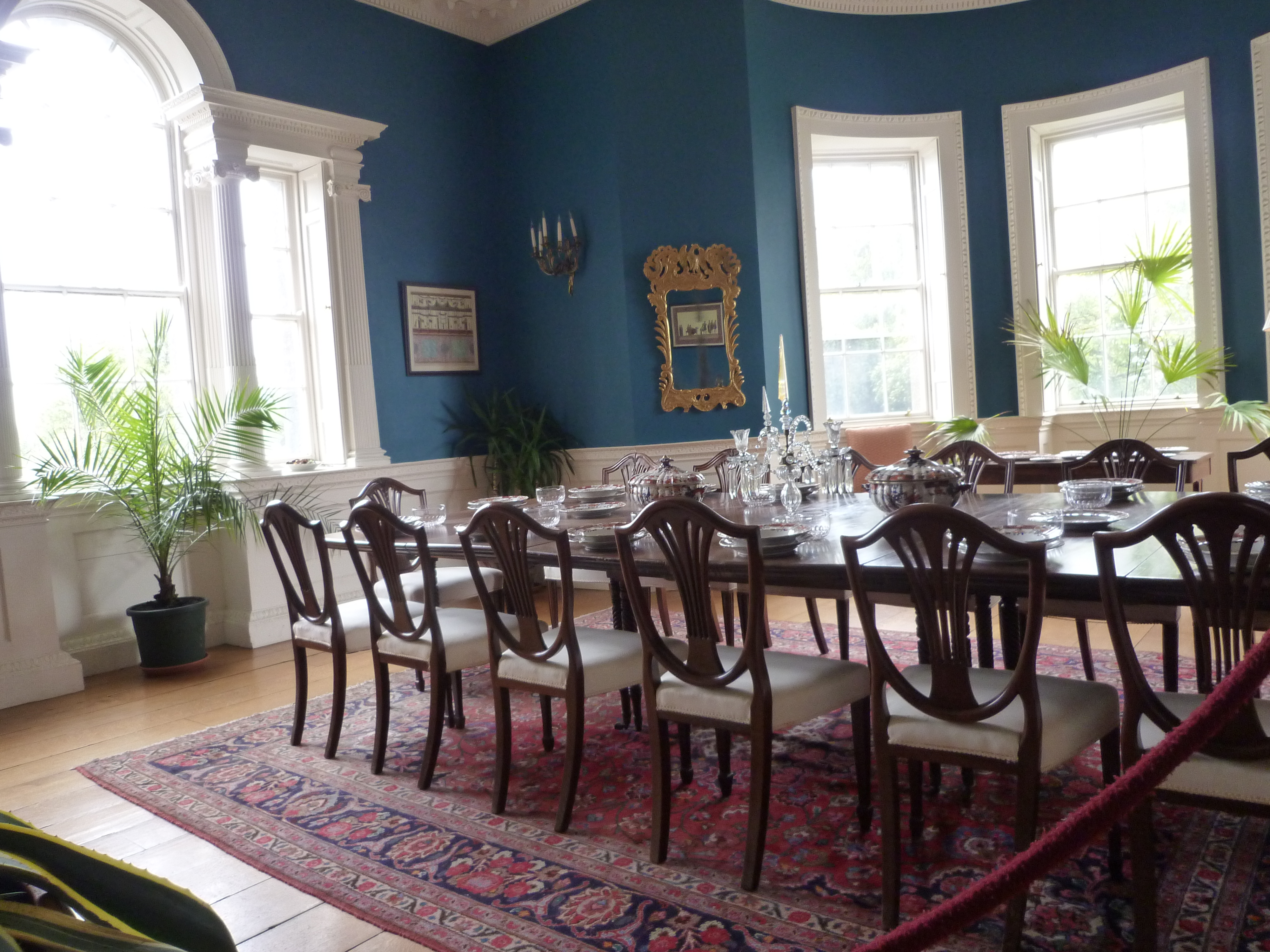
Dining Room, Belvedere House

Dining Room, Belvedere House


ROCK OF CASHEL

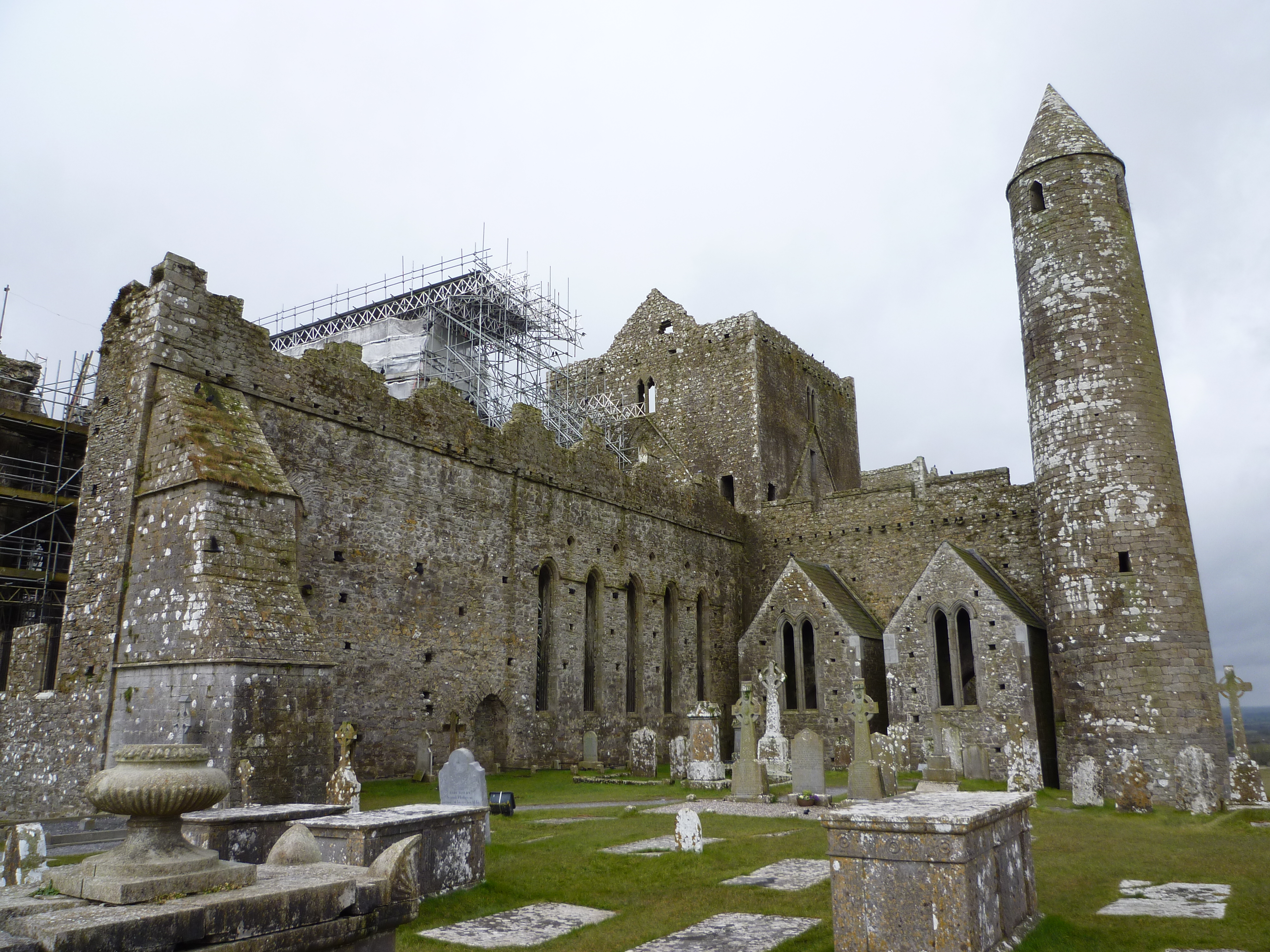
Rock of Cashel

Rock of Cashel

The Rock of Cashel in County Tipperary is one of the finest historical sites in Ireland. It was once the seat of the Kings of Munster. The medieval buildings include a 12thCcentury round tower, High Cross and Romanesque Chapel, 13th century Gothic cathedral, 15th century Castle and the restored Hall of the Vicars Choral. The monument is in the care of the Office of Public Works.

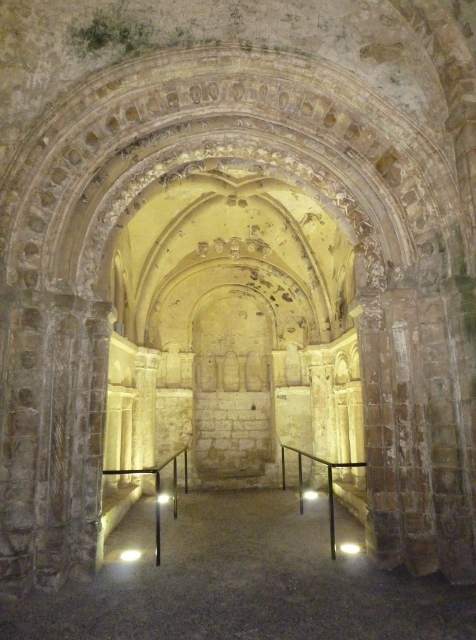
Cormac's Chapel

Cormac’s Chapel

One of the most interesting parts of the site is Cormac’s chapel, (the chapel of King Cormac Mac Carthaigh), which was begun in 1127 and consecrated in 1134. It is undergoing major restoration work as the scaffolding in the picture shows and contains one of the only examples of frescoes in Ireland from this period.

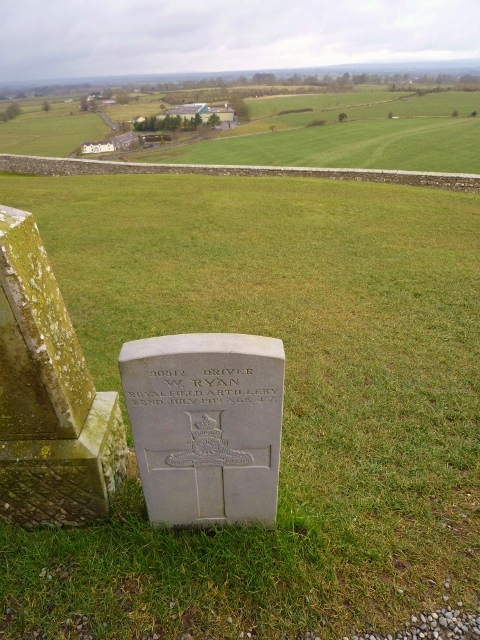
It was one of the sites seen by Queen Elizabeth II during her first state visit to Ireland in May 2011. The visitor book she signed along with Prince Philip is on display, along with the pen she used. It was interesting to note that in the small cemetery beside the ruins of the Cathedral, there are at least four graves of local men who served in the British Army during the First World War, with gravestones provided by the Commonwealth Graves Commission. I have some photographs of them here and at some stage might do some more research into the stories of these soldiers. One was a veteran of the Second World War, it seems, Sergeant Martin O’Brien MM, who served in the 2nd Royal Irish Regiment and died in 1965, aged 84.

Driver W.Ryan RFA

Driver W.Ryan RFA

Grave of Sgt Martin O'Brien MM

Grave of Sgt Martin O’Brien MM

Pte J O'Donohue Leinster Regiment

Pte J. O’Donohue Leinster Regiment

KINSALE FORTS

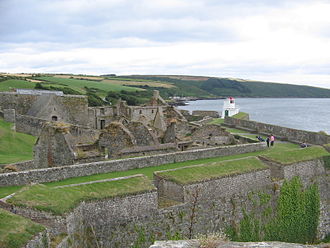
Kinsale Harbour from Charles Fort

Kinsale Harbour from Charles Fort

Two 17thC forts guard the entrance to Kinsale harbour in County Cork. The view shown here is from Charles Fort, built later than James’ Fort, a similar star-shaped stronghold on the other side of the inlet. This was designed to resist attack by cannon.

Entrance to Charles Fort

Entrance to Charles Fort

Charles Fort is built on the site of an earlier defence, Ringcurran Castle, which featured prominently during the Siege of Kinsale in 1601. The fort, named after King Charles II, was designed in the 1670/80 period by the Surveyor-general Sir William Robinson, who also designed the Royal Hospital in Kilmainham, Dublin.  It was one of the largest forts built in Ireland and had three bastions, projecting outwards from the main wall, facing the land, and two half-bastions where the walls reached the water. When combined with the guns on the opposite side of the approach to Kinsale, these guns would be a serious deterrent to any potential invading force.

Charles Fort (Wikimedia Commons)

Charles Fort (Wikimedia Commons)

The fort was besieged by John Churchill, 1st Duke of Marlborough (a relative of Winston Churchill) in 1690 during the Williamite War. Repairs were made following the siege, and the fort remained in use as a British Army barracks for several hundred years afterwards. It had its own hospital block as well as a parade ground. A very helpful guide from the Office of Public Works gave a very interesting presentation on the history of the site.

An early lighthouse was established here in the 17th century. British forces left the fort following the Anglo-Irish Treaty in 1921, but it fell out of use after being burned by the retreating anti-Treaty forces during the Irish Civil War in 1922. The complex was declared a National Monument in 1971 and has been partly restored by the heritage service, Dúchas.

Abandoned buildings, Charles Fort

Abandoned buildings, Charles Fort

BLARNEY STONE

P1100818Many years ago when I was a child on holidays I remember my father bringing us to Blarney Castle and kissing the stone. At least I have a vague memory of it and if it has done me any good then nearly forty years of broadcasting can be my proof!

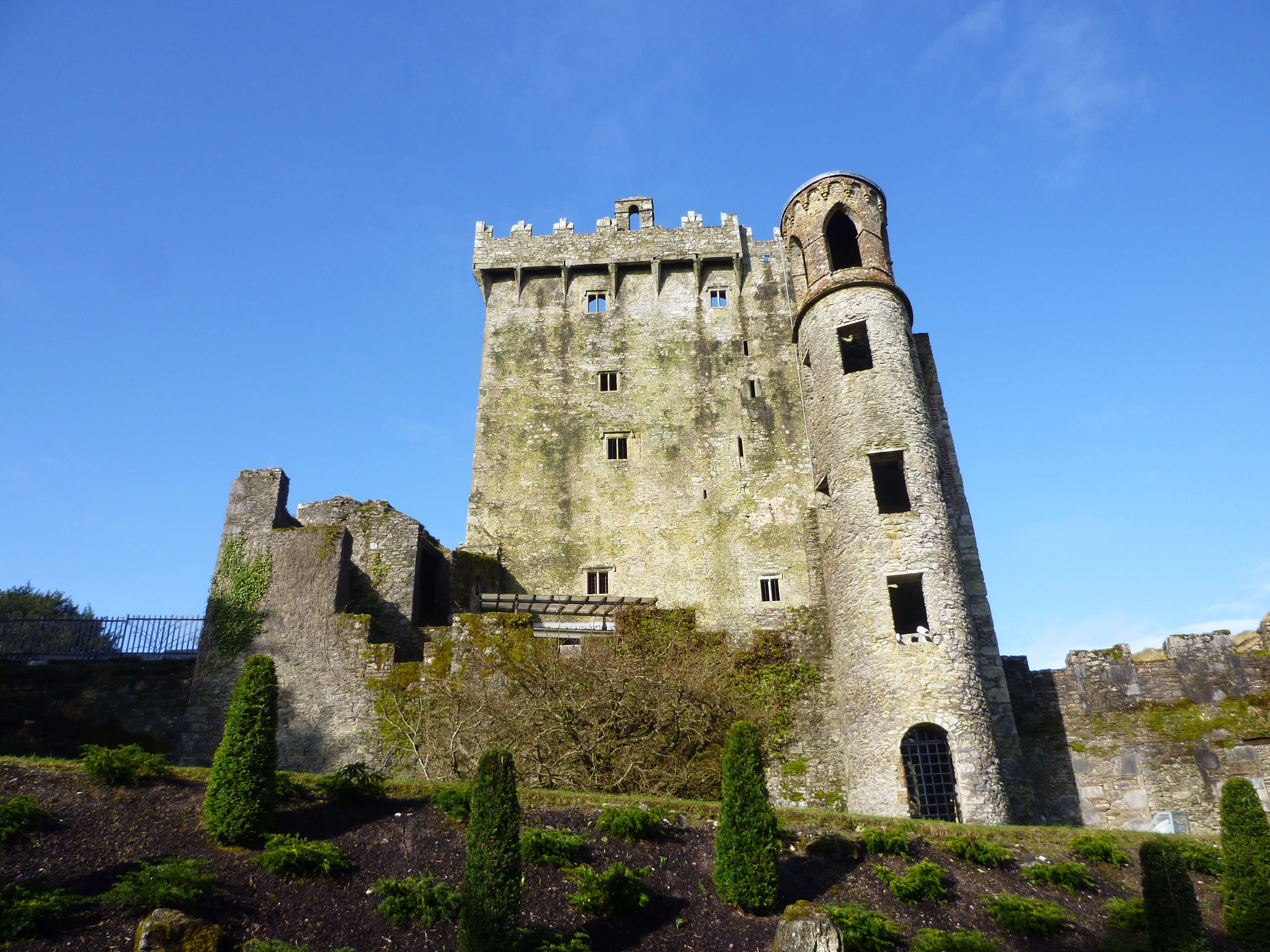
Blarney Castle

Blarney Castle

Although I remember that visitors had to lean backwards to kiss the stone, while being helped to hold on to two iron bars, one on each side, I cannot remember the surroundings very well. So it was a pleasure to be able to visit the Castle once again, this time with a coach party of fifty (**in deference to my wife and at least two others I must add the word: MAINLY) retired people from the Tyrone and Monaghan areas.

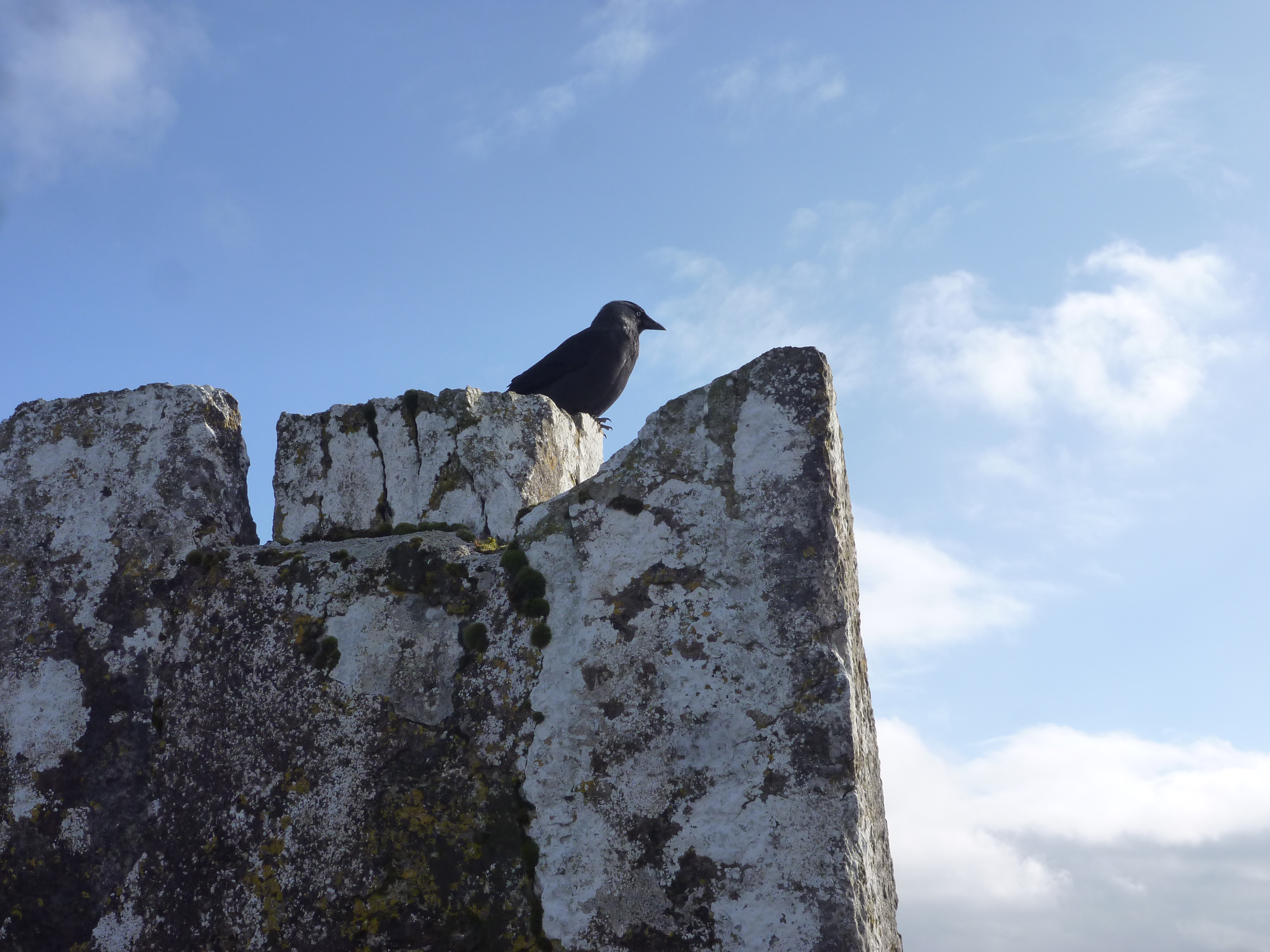
The 100 or so steps inside the castle tower are narrow and steep and you have to be careful not to knock your head when you go through entrances or archways. But the view from the battlements is worth the climb.

Battlements, Blarney Castle

Battlements, Blarney Castle

Kissing the famous stone is said to give you the “gift of the gab”. The story has featured in movies, including one starring Bing Crosby, as one of the information boards reminds visitors. The history of the Castle can be found here. Blarney Castle, as viewed by the modern day visitor, is the third building to have been erected on the site. The first in the tenth century was a wooden structure. Around 1210 A.D. this was replaced by a stone structure which had the entrance some twenty feet above the ground on the north face. This building was demolished for foundations. In 1446 the third castle was erected by Dermot McCarthy, King of Munster and the keep still remains standing.

Blarney House

Blarney House

Blarney House was designed by Sir Thomas Lanyon and was built in 1874 by the Jefferyes family. It is in the same Scottish baronial style as Stormont Castle or Castle Leslie. It is private and only open to the public during the summer. It is the home of Sir Charles Colthurst. It was interesting to see him interviewed in a recent television documentary on Ireland presented by James Nesbitt on UTV.  P1100838

BERLIN WALL

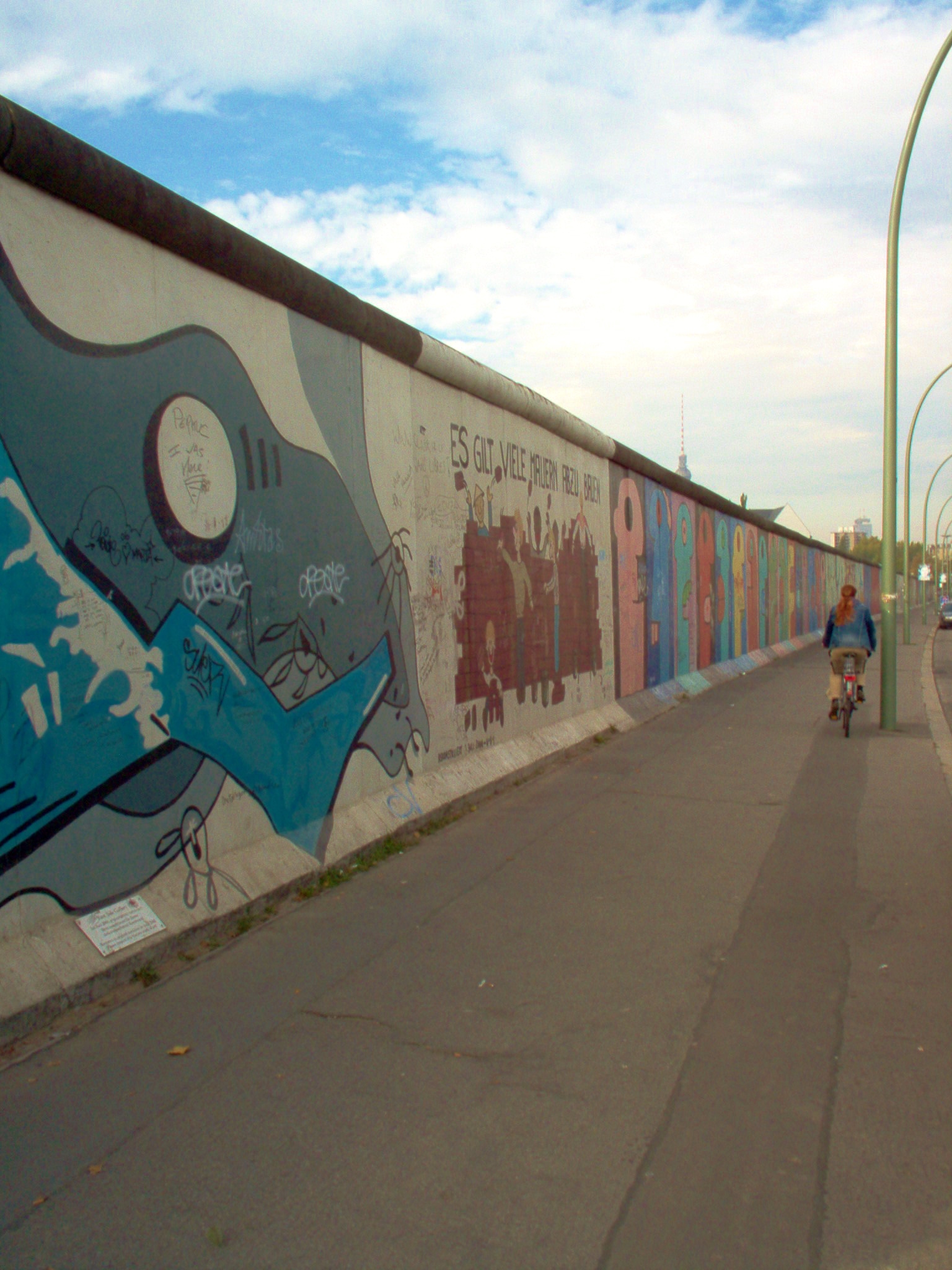
Berlin Wall East Side Gallery

Berlin Wall East Side Gallery

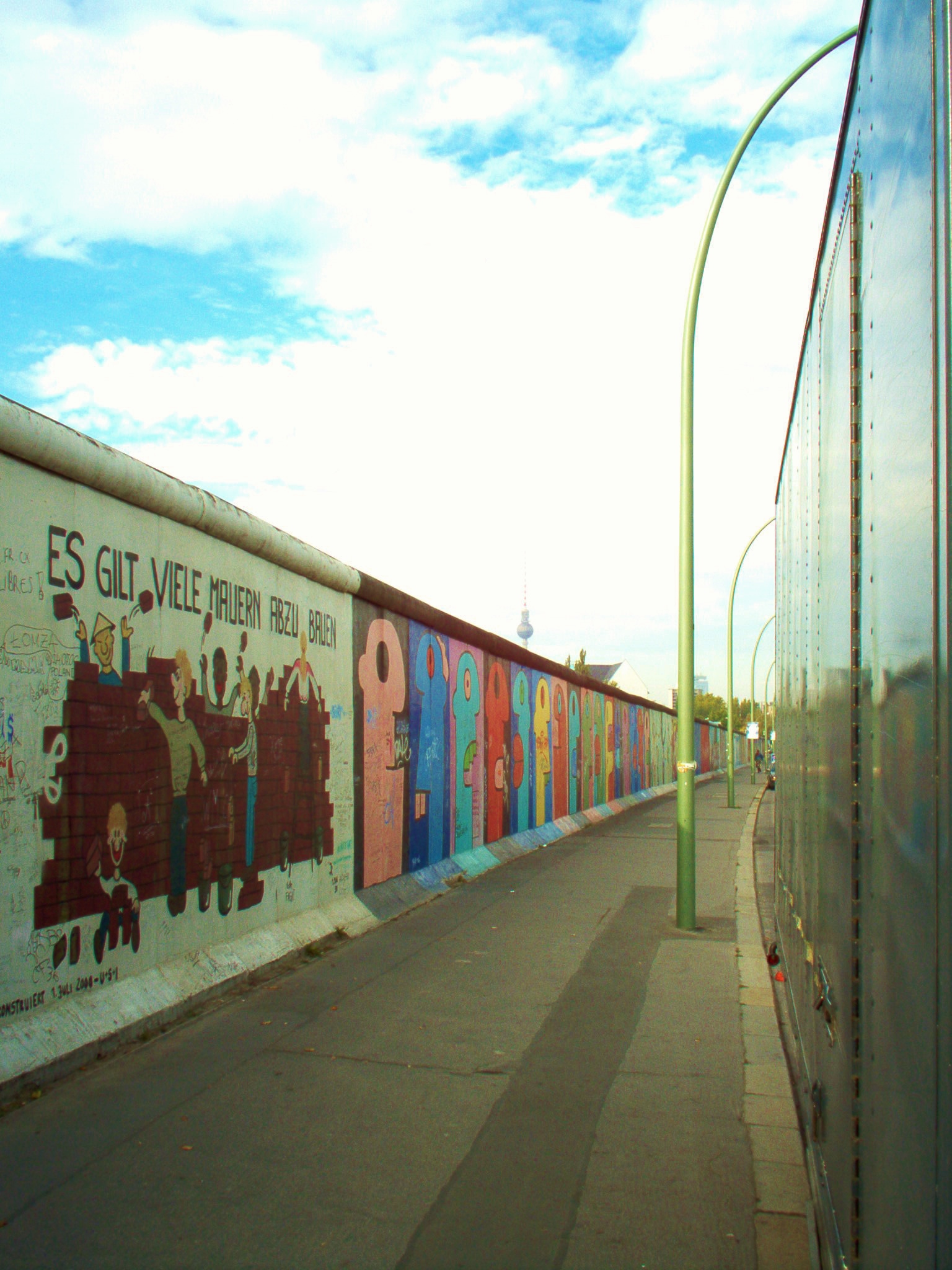
Politics is the continuation of the war (with) by other means“. That’s the slogan on this original section of the Berlin Wall. If you want to see the longest remaining stretch of the Wall, then the East Side Gallery is the place to go, in what was once East Berlin controlled by the communist DDR. I visited it in 2006 and stayed at a hotel close by at the Ostbahnhof (East station). I think it was a weekend, a Sunday morning, as there was little traffic around.
Berlin Wall East Side Gallery

Berlin Wall East Side Gallery

Berlin Wall East Side Gallery

Berlin Wall East Side Gallery

But this part of the German capital’s history is under threat. The Guardian reports that construction workers backed by police have removed a section of the Wall to make way for a building project, despite calls for the site to be preserved. Residents expressed shock at the removal of part of the East Side Gallery, which followed a series of protests, including one attended by the actor David Hasselhoff. A police spokesman said there were no incidents as work had begun at about 5am to take down four sections of the wall, each about 1.2 metres wide, to make way for an access route to the planned high-rise luxury flats. The site is alongside the River Spree.

The East Side Gallery was recently restored at a cost of over £2m to the city. Construction staff removed a piece earlier this month but a public outcry halted building work, with local politicians saying they would look for a way to keep the rest of the wall intact. At least 136 people died trying to scale the wall that divided communist-run East Berlin from West Berlin.

The wall which was erected in 1961 came down on November 9th 1989. This stretch along with other bits such as former watchtowers then became a tourist attraction, with colourful paintings by 120 artists decorating the concrete slabs. Kani Alavi, head of an East Side Gallery artists’ group, said: “I can’t believe they came here in the dark in such a sneaky manner. All they see is their money. They have no understanding for the historic relevance and art of this place.”

By mid-morning the six-metre gap was covered by a wooden fence and guarded by scores of police officers. An Irishman Ivan McClostney who moved to the area a year ago from Ireland is quoted as saying: “If you take these parts of the wall away, you take away the soul of the city. This way, you make it like every other city. It’s so sad.”

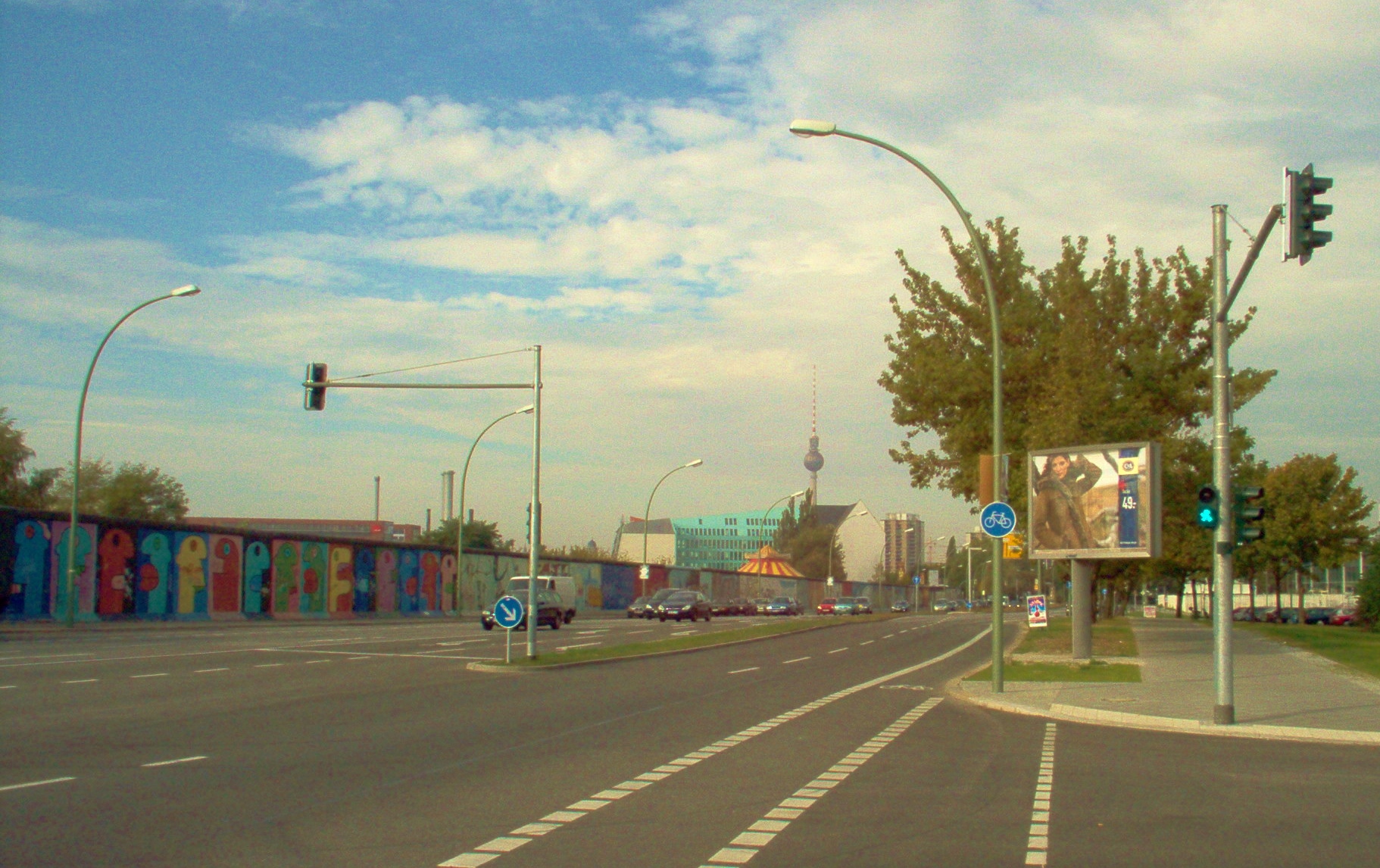
Berlin Wall with TV tower in background

Berlin Wall with TV tower in background

The developer said the removal of parts of the wall was a temporary measure to enable trucks to gain access to the building site. He said after four weeks of fruitless negotiations with city officials and owners of adjacent properties, he was no longer willing to wait. I am wondering if this reminder of the divided city will still be there the next time I go to Berlin, one of my favourite travel destinations.

VESUVIUS LEGACY

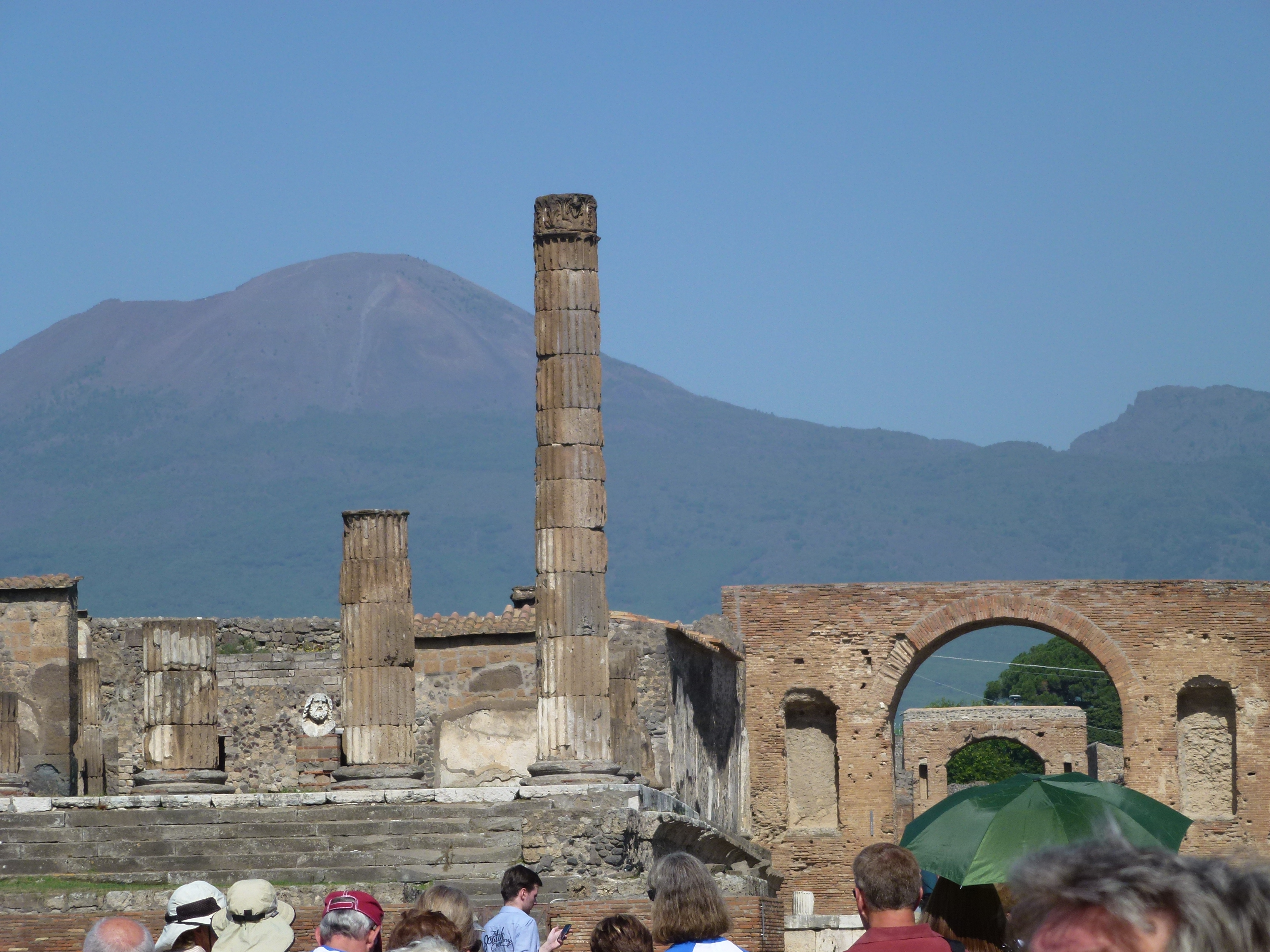
Pompeii and Mount Vesuvius

Pompeii and Mount Vesuvius

My summer sojourn for a fortnight on the Amalfi coast in Italy enabled me to visit Mount Vesuvius near Naples and to see the ruins of Pompeii, or at least part of the large site. Time did not permit a trip to nearby Herculaneum. But I watched with interest tonight a documentary on BBC2 about “The Other Pompeii: Life and Death in Herculaneum. Professor Andrew Wallace-Hadrill from Cambridge and Director of the Herculaneum Conservation Project presented the programme.  In it he follows the scientific investigation that aims to lift the lid on what life was like in the small Roman town of Herculaneum, moments before it was destroyed when Vesuvius erupted in 79AD.

Ten miles from Pompeii, twelve arched vaults at Herculaneum were found to contain the skeletons of over 340 people, just 10% of the local population, killed by the volcano. The finds included a toddler clutching his pet dog, a two-year-old girl with silver earrings and a boy staring into the eyes of his mother as they embraced in their last moment. Those found inside the vaults were nearly all women and children. Those found outside on the shoreline were nearly all men, in what appeared to be a selfless act on their part.

The documentary based on the research unravelled a surprising story of resilience, courage and humanity, with the local population going to their deaths not in the orgy of self-destruction often portrayed in Pompeii’s popular myth, but, much more like the passengers of the Titanic, it seems the ancient inhabitants of Herculaneum put women and children first.

Carbonised wooden cradle: Pompeii Exhibition: © British Museum

Carbonised wooden cradle: Pompeii Exhibition: © British Museum

The BBC programme and another related one broadcast last Wednesday on “Pompeii: The Mystery of the People Frozen in Time” coincide with the opening of a major exhibition at the British Museum. “Life and Death: Pompeii and Herculaneum” will run until the end of September and the normal admission price is £15.

Gold Bracelet in form of a coiled snake: Pompeii Exhibition: © British Museum

Gold Bracelet in form of a coiled snake: Pompeii Exhibition: © British Museum