CARLETON IN RANELAGH

CARLETONportrait (2)IN THE FOOTSTEPS OF CARLETON:

I am in Dublin today with a group from the William Carleton Society based in the Clogher Valley and Monaghan to mark the 144th anniversary of the death of the famous 19thC Irish author from County Tyrone. Carleton grew up as a Catholic, but would later convert to Protestantism in the Anglican church. He was the youngest of fourteen children born to a small farmer in  Clogher.  He came to Dublin in 1819 with 2s 9d in his pocket and after trying various occupations, became a clerk in the Church of Ireland Sunday School Office.

Our coach party departs from Enniskillen at 7:30am and is picking up passengers at Maguiresbridge, Clogher, Aughnacloy and Monaghan (at the entrance to St Macartan’s College. 8:15am) for the trip to Dublin. Dr Frank Brennan a member of the Executive Committee will be our guide on reaching Castleknock.

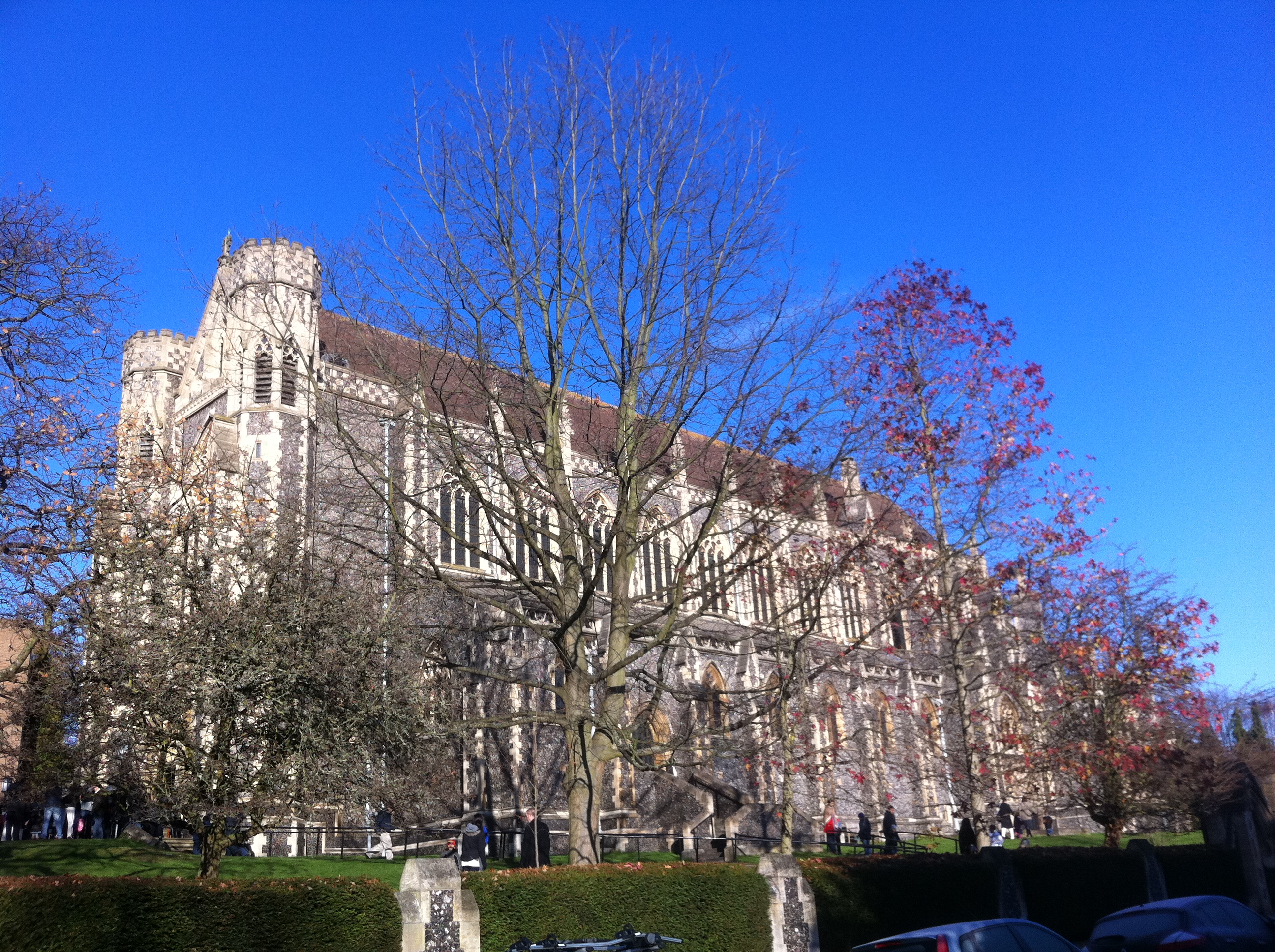
“Frank Brennan will conduct a tour through Phoenix Park with its numerous historical monuments and associations going back hundreds of years, travel along Dublin’s quays, Four Courts, Guinness’ brewery, Dublin Castle, the two cathedrals, Jewish area and into Ranelagh which developed as a genteel middle class suburb after the Act of Union. At Sandford Church we will be addressed by a local teacher, who is a member of the congregation, on the history of Sandford church and its connection with Carleton. The Ranelagh Arts Society will then provide a talk by Susan Roundtree, an architectural historian, on the development of 19thC Ranelagh and the connection with the Plunkett family, who played a major role in Irish history.

We then go to Mount Jerome cemetery for a short ceremony (2pm) to commemorate the 144th anniversary of William Carleton’s death. A member of the Ranelagh Arts Society will then conduct a short tour of the graveyard. We travel to lunch (4pm) at O’Briens at Sussex Place, Upper Leeson Street, one of Patrick Kavanagh’s haunts, which as a 1900’s grocery and bar reminded him of Carrickmacross. The journey to lunch will take us through Dublin’s two Georgian squares  and past Government Buildings. Finally after lunch (which participants will pay for themselves) Frank Brennan will bring us past the Grand Canal Theatre, National Convention Centre, and some other of the better relics of the Celtic Tiger before our return home.”

SANDFORD CHURCH RANELAGH DUBLIN 12:30pm for 1pm   
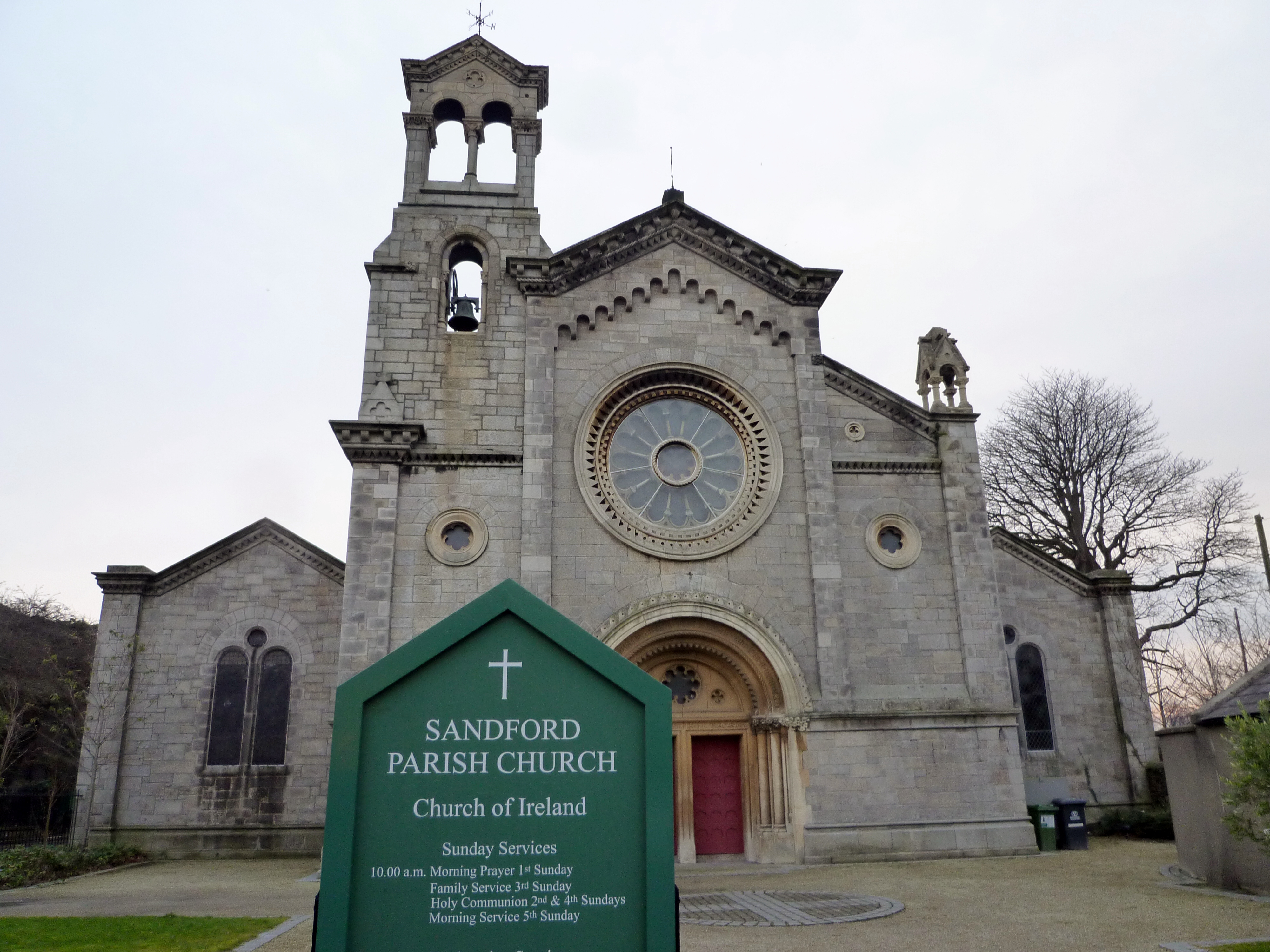
Sandford Church, Ranelagh

Sandford Church, Ranelagh

Those joining the event in Ranelagh should assemble at the church at Sandford Road Ranelagh (junction with Marlborough Road) around 12:30pm. The group from the bus is hoping to walk from the site of Carleton’s now demolished former residence at Woodville, Sandford Road (beside the entrance to Milltown Park) to the church, weather permitting. In his latter years Carleton was friendly with a Jesuit priest Fr Robert Carbery, who was based at Milltown Park.  In the last weeks before his death in January 1869, the priest offered through Carleton’s wife Jane to give him the last rites of the Catholic church. In response, in one of his last communications, the author told the Jesuit:

“For half a century & more I have not belonged to the Roman Catholic religion. I am now a Protestant and shall will die such”     (LA15/319 DJ O’Donoghue papers, UCD Archives)
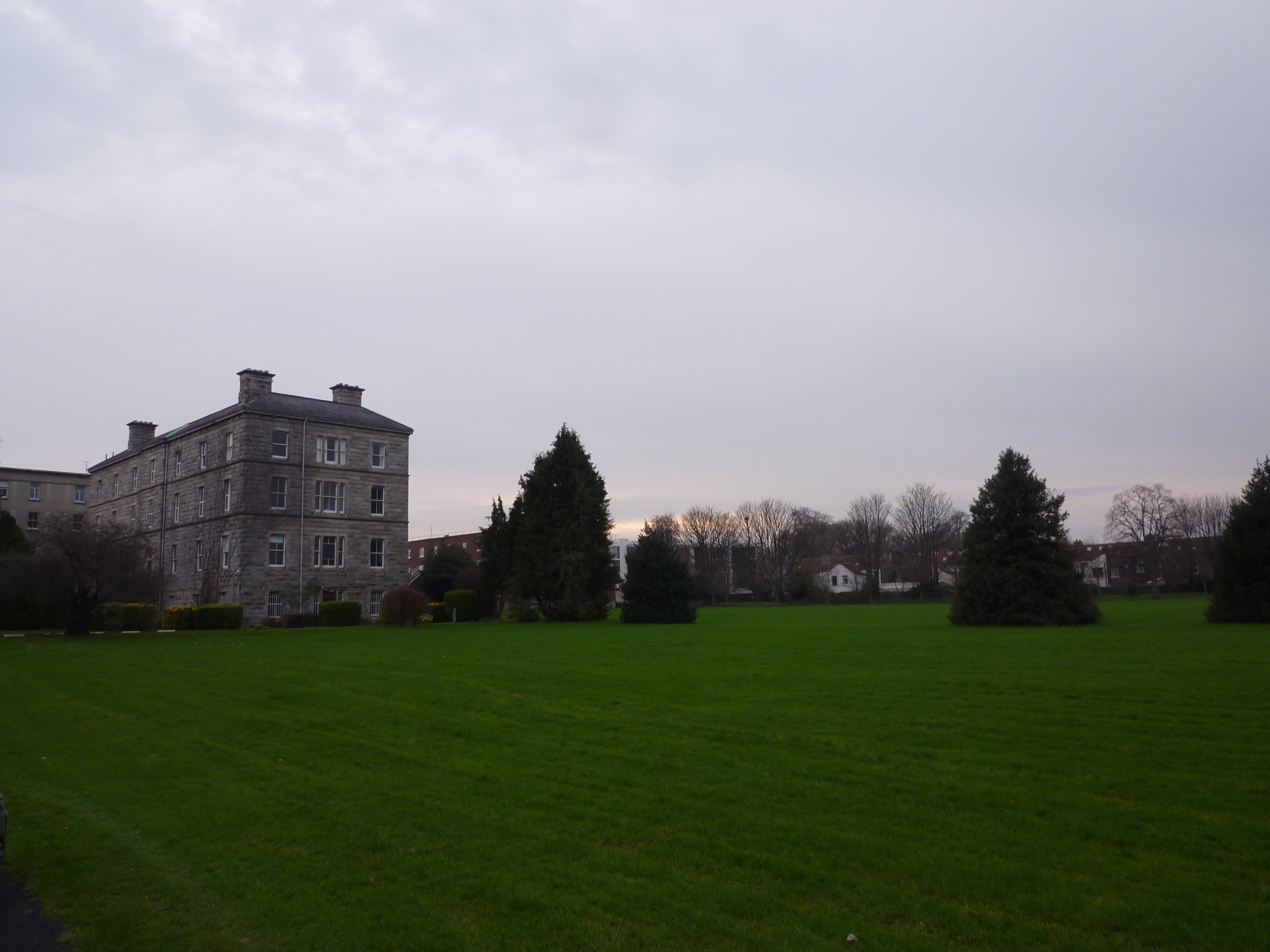
Milltown Park looking towards area where Carleton used to live

Milltown Park looking towards area where Carleton lived

Our thanks to the Reverend Sonia Gyles, Rector of Sandford and St Philip’s Milltown, for making the church available. Admission to the talks is FREE but membership of the William Carleton Society (€5) will be available for those interested. There is no charge for the tour at Mount Jerome cemetery. Participants will pay for their own lunches.

Woodville Ranelagh

House at Sandford, in which Carleton died

It promises to a be stimulating and interesting day.  The coach will return to Enniskillen by 9pm.  The William Carleton Society is a partner in the Shared History, Shared Future project run by Dungannon and South Tyrone Borough Council through the EU funded South West Peace III Partnership Programme and this activity is being delivered through it.

DSTBC LogoSWPeaceIII_logo_options_2berdfimages


AFC WIMBLEDON ON THE BOX

IMG_4538 (2)AFC WIMBLEDON 2 BRADFORD 2 

A draw tonight for the Dons but if you are looking for a match report, look further down! I am going to reflect first of all on how my past was catching up with me today, taking in Dublin, Belfast and of course London, where the League Two match was played. I started the day in Dublin and as I began my journey northwards this afternoon, passed Milltown Park, where the Jesuit Provincialate is based. The complex used to be used for the training of Jesuit priests but now many of the buildings are leased. The Irish School of Ecumenics has its headquarters there. I was investigating the story of William Carleton, which I will be writing about on Saturday when we visit Sandford church.

I was on the trail of a Fr John Carbery SJ, who was based at Milltown Park and was in touch with Carleton, a neighbour, before his death in 1869. I was given some helpful information about the Jesuit archives. As I left the building I saw a rugby pitch which is now leased to nearby Gonzaga College, where I went to school for two years. In those days, the school rugby pitches were beside Glenmalure Park, home of Shamrock Rovers FC. I have written about their history and revival at Tallaght here.

Sacred Heart Church, Wimbledon

Sacred Heart Church, Wimbledon

In conversation with a Jesuit brother, I discussed how the order has decided to withdraw from the Sacred Heart parish in Wimbledon, where I grew up, owing to the shortage of priests. It was during my schooldays at Wimbledon College from 1963 that I started following Wimbledon FC at Plough Lane, then in their last season in the Isthmian League, having won the FA Amateur Cup thanks to Eddie Reynolds.  The following season they entered the Southern League first division as semi-professionals. Tonight as I followed them live on Sky Sports, I was wearing a Wimbledon supporters’ badge dating to the 1974/75 season when they were Southern League champions.

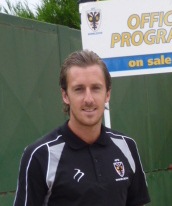
I went to (the) Chelsea to watch the match: my local bar on the Lisburn Road in Belfast. Another London connection! Anyway the televisions were showing some music channel but the bar staff kindly offered to turn over to Sky so that I could see the Dons in action, minus the commentary. I was delighted to see Jack Midson getting the opening score and then making it a double strike thanks to a penalty. His was one of the few recognisable names as the players came out of the tunnel before the kick-off. AFC Wimbledon were then unlucky I thought to concede a goal to Port Vale just before half time, making it 2-1. A lucky bounce on a well-struck drive eluded the keeper Neil Sullivan.

Jack  MIdson

Jack Midson

The second half saw some good chances for AFC Wimbledon including an effort by Midson that could have brought his hat-trick but was ruled offside. Then a bad back pass by Mat Mitchel-King and a mistake by Sullivan saw Port Vale equalising 2-2. The Dons held out against the league leaders and manager Neil Ardley will be pleased enough to come away with one point. But the Dons are still perilously close to the bottom place in the table and need to start winning a few games if they are to escape relegation back to the Conference. A full report on the match “Plucky Dons Deny Vale” can be found on the club ‘s website.

WILLIAM CARLETON IN DUBLIN

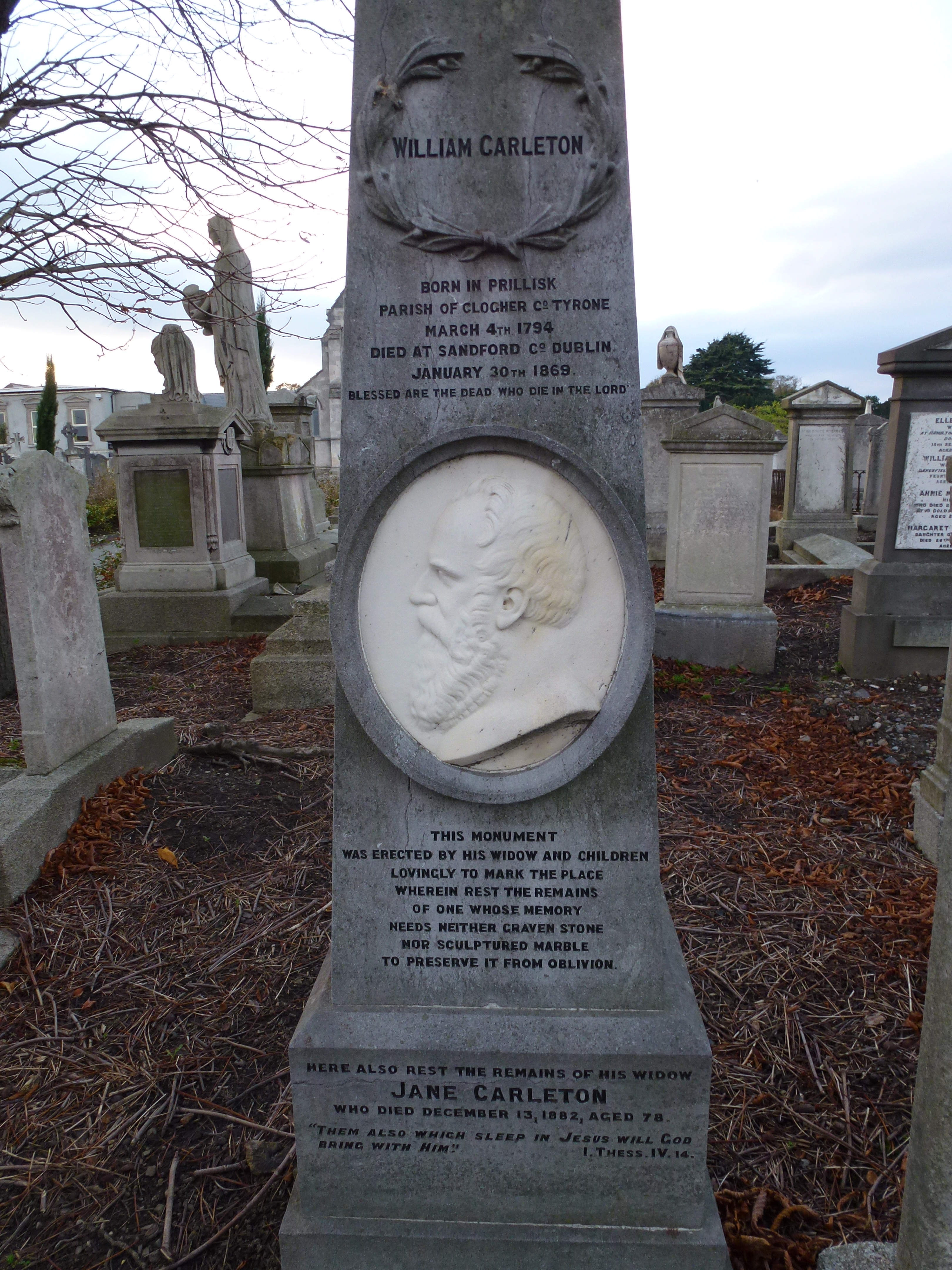
William Carleton's Grave

William Carleton’s Grave

IN THE FOOTSTEPS OF CARLETON:

Next Saturday (26th January) a group from the William Carleton Society travels to Dublin to mark the 144th anniversary of the death of the famous 19thC Irish author from County Tyrone. Carleton grew up as a Catholic, the youngest of fourteen children born to a small farmer in the Clogher area. He was educated at a hedge school near Glaslough in County Monaghan. He came to Dublin in 1819 with 2s 9d in his pocket and after trying various occupations, he became a clerk in the Church of Ireland Sunday School Office. Subsequently he would convert to Protestantism. In his autobiography (second part, finished by DJ O’Donoghue) we are told that:-

he soon became acquainted with the Rev. Caesar Otway, who was personally a most estimable man, a very pleasant writer, an enthusiastic antiquarian, but a determined proselytizer. He was one of a very remarkable group of men in Dublin at that period — when Catholic emancipation was in the air — whose lives were devoted to the task which they described as the rescue of Ireland from Popery“.

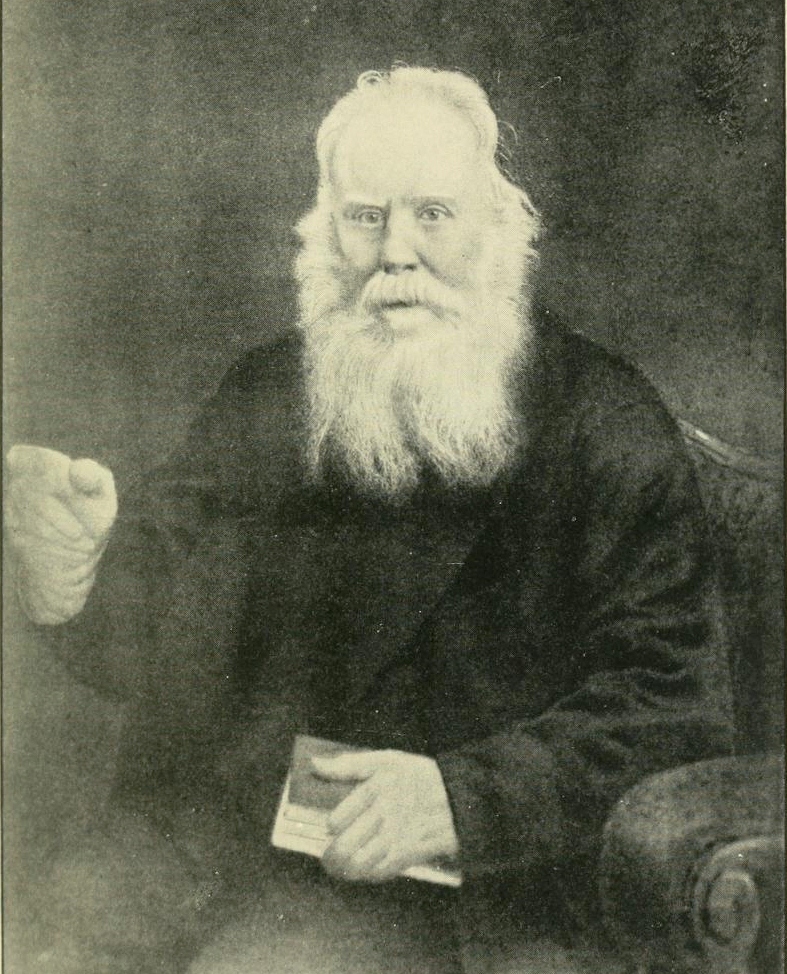
William Carleton aged 72 living in Dublin

William Carleton aged 72 living in Dublin

Otway gave Carleton an opportunity to use his journalistic talents for such proselytising purposes as satirising Catholic pilgrimages to ‘St Patrick’s Purgatory’ at Lough Derg. Further writings in the Christian Examiner & Church of Ireland Magazine led, in 1829 and 1833, to the publication of what is probably Carleton’s best known work: Traits and Stories of the Irish Peasantry – a tableau of the life of the country people of the north of Ireland before the famines of the 1840s altered their pattern of existence forever. There then followed such novels as Fardorougha the Miser (1839), Valentine McClutchy (1845), The Black Prophet (1847), The Emigrants of Ahadarra (1848), The Tithe Proctor (1849), The Squanders of Castle Squander (1852) in which he addresses many of the issues affecting the Ireland of his day such as the influence of the Established Church and landlordism, poverty, famine and emigration.

William Carleton Junior © Glenn Carleton

William Carleton Junior © Glenn Carleton

Carleton married Jane Anderson in 1820 and they had several children. Seven were born in Dublin, the first being Mary Anne in 1821. One of them, William Carleton junior, born in 1826, emigrated to Australia and was a known there as a poet. We are still not sure when and where his second daughter Jane Carleton was born. We know that she lived for time at Balham High Street in South West London, close to Tooting Bec. Deputy director of the summer school Frank McHugh reported on his research on the family tree at the 2012 event in Clogher. Thanks also to Glenn Carleton and Paul Brush in Australia, the William Carleton Society has been able to build up further details of Carleton’s genealogy.

COACH TRIP

On Saturday 26th a coach will be departing from Enniskillen at 7:30am and picking up passengers at Clogher, Aughnacloy and Monaghan (at the entrance to St Macartan’s College. 8:15am) for the trip to Dublin, which will cost £10 and will include membership of the William Carleton Society for those who have not yet joined. There will be a stop at Lusk services on the M1 before travelling into Dublin using a route which will give us an opportunity to see some of the sights, with Dr Frank Brennan as our guide.

“Frank Brennan will conduct a tour through Phoenix Park with its numerous historical monuments and associations going back hundreds of years, travel along Dublin’s quays, Four Courts, Guinness’ brewery, Dublin Castle, the two cathedrals, Jewish area and into Ranelagh which developed as a genteel middle class suburb after the Act of Union. At Sandford Church we will be addressed by a local teacher, who is a member of the congregation, on the history of Sandford church and its connection with Carleton. The Ranelagh Arts Society will then provide a talk by Susan Roundtree, an architectural historian, on the development of 19thC Ranelagh and the connection with the Plunkett family, who played a major role in Irish history.

We then go to Mount Jerome cemetery for a short ceremony (2pm) to commemorate the 144th anniversary of William Carleton’s death. A member of the Ranelagh Arts Society will then conduct a short tour of the graveyard. We travel to lunch (4pm) at O’Briens at Sussex Place, Upper Leeson Street, one of Patrick Kavanagh’s haunts, which as a 1900’s grocery and bar reminded him of Carrickmacross. The journey to lunch will take us through Dublin’s two Georgian squares  and past Government Buildings. Finally after lunch (which participants will pay for themselves) Frank Brennan will bring us past the Grand Canal Theatre, National Convention Centre, and some other of the better relics of the Celtic Tiger before our return home.”

SANDFORD CHURCH RANELAGH DUBLIN 12:30pm

Those joining the event in Ranelagh should assemble at the church at Sandford Road Ranelagh (junction with Marlborough Road) around 12:30pm. The group from the bus is hoping to walk from the site of Carleton’s now demolished former residence at Woodville, Sandford Road (beside the entrance to Milltown Park) to the church, weather permitting. Our thanks to the Reverend Sonia Gyles, Rector of Sandford and St Philip’s Milltown, for making the church available. Admission to the talks is FREE but membership of the William Carleton Society (€5) will be available for those interested.

Woodville Ranelagh

Woodville Ranelagh

It promises to a be stimulating and interesting day.  The coach will return to Enniskillen by 9pm. Please contact us by email, if you are interested or telephone me at (048 code from the Republic) 9066 2945 as there are a limited number of places available on the bus. The William Carleton Society is a partner in the Shared History, Shared Future project run by Dungannon and South Tyrone Borough Council through the EU funded South West Peace III Partnership Programme and this activity is being delivered through it.

DSTBC LogoSWPeaceIII_logo_options_2berdfimages