INEZ MCCORMACK: TRADE UNIONIST

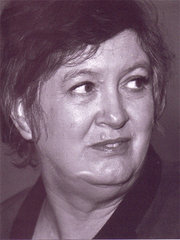
Inez McCormack: ICTU Picture

Inez McCormack: ICTU Picture

Sad news this evening (Monday) about the death at the Foyle hospice in Derry of the leading trade unionist and human rights activist Inez McCormack, aged 69. As a trade union lay representative in the NUJ I met her on a number of occasions. The most memorable event I connect her with is when through her work behind the scenes President Mary Robinson came to a community function on the Whiterock Road in West Belfast in June 1993 and shook hands with the Sinn Féin President Gerry Adams. The gesture was made away from the glare of the media. It was one of the moments recalled by Mary Robinson in her autobiography published last year. The significance of the event was that at the time Sinn Féin were still out in the cold, subject to censorship, and the IRA ceasefire would not happen until the following year.

Inez McCormack with Patricia McKeown, Alan McBride & Geraldine Finucane

Inez McCormack with Patricia McKeown, Alan McBride & Geraldine Finucane

The last time I saw Inez was at a fringe meeting in Derry in April last year during the ICTU (NIC) biennial conference. She was sharing a platform with Geraldine Finucane, Patricia McKeown her understudy and successor at UNISON and ICTU, and Alan McBride of WAVE. I wrote about it in a blog “Pat Finucane case and dealing with the past”. I recalled how as NI Secretary of UNISON Inez had helped to set up the handshake between Gerry Adams and President Robinson at Rupert Stanley College. I remembered that occasion as one when the media were kept firmly outside the door in order to ensure that no pictures of the handshake were taken. Yet it was a defining moment in the lead-up to the IRA ceasefire the following year. Here is one account of the occasion from the Independent.

In 1999 Inez McCormack became the first female President of the Irish Congress of Trade Unions since its formation in 1959. She held the post for two years. She was the first woman full-time official of the National Union of Public Employees (NUPE) from 1976-90. She became the first female regional secretary of UNISON in 1993. Inez was the first woman to be elected to the Northern Ireland Committee of Congress in 1980 and four years later became the first woman to succeed to the post of Chair.

During US President Bill Clinton’s first visit to Ireland, the First Lady Hilary Clinton paid tribute to her work and ever since then they remained friends. Mrs Clinton also mentioned Inez when she was in Belfast last month.

Inez stands out amongst the extraordinary people I have worked with over the last 17 years. She inspired and motivated me, challenged me often. One of Inez’s comments will always remain with me: there are so many more ties that bind us than divide us”,  she said.

A BBC Northern Ireland report recalls how in 2011, Ms McCormack, along with Michelle Obama, Hillary Clinton, Meryl Streep and Mu Sochua (a Nobel Peace Prize nominee from Cambodia), was named by US publication Newsweek as one of ‘150 Women Who Shake the World’. Her lifetime work enabling women to improve their lives by spreading the values of human rights was immortalised when the Holywood legend Meryl Streep played her in a Broadway play. At the time Ms McCormack said: “It is very humbling to have your life story represented in this way and a privilege to have an Oscar-winning actress and strong female character like Meryl Streep involved in the dramatisation. I have had the privilege of spending a lifetime at the service of warm strong women, who challenged injustice not just for themselves but for the people and communities they cared for and whose only affirmation has been that of their own conscience.”

Mary Robinson, former President of Ireland and UN Human Rights commissioner:

“Inez was a remarkable woman with a remarkable capacity for friendship. It was from Inez I learned that you can achieve much more if you don’t need the credit. Her support to me as a close advisor when I served as President was invaluable, but she never appeared in photographs or in the front row.”

Mrs Robinson has also written an obituary, which appeared in The Guardian.

Mark Durkan, former SDLP leader:

“Inez McCormack was impressive and effective in all she did. She stood for workers’ rights, for women’s rights, for equality and public services. As an organiser and as an advocate she championed the right of those serving others for lower pay than they deserved. She was articulate, compassionate and steadfast.  She was immensely charming as well as being intense in her convictions.  Her contribution to public life went beyond her primary role as a worker’s defender as she helped to benchmark the values, principles and protections that were needed for a fair and stable society. Her positive outlook, compelling analysis and valid stances won international recognition as a standard bearer for social justice and a role model for all who seek economic emancipation.”

ICTU President Eugene McGlone:

“Her track record in women’s and human  rights was unequalled. Her work in promoting the cause of labour and social justice in Northern  Ireland was known world-wide. Inez’s commitment to social justice began in the ’60s when she became active  in the Northern Ireland civil rights movement. She followed this on when she became a trade union and equality activist  before becoming the full-time official of the National Union of Public  Employees.  She also held the post when NUPE was reconstituted in a merger as Unison. Her unstinting passion was recognised and she received many justifiable  accolades. Her work included campaigning to organise and revalue the work and contribution of the ‘forgotten’ workers, most of whom were women. Inez also led major campaigns for strong equality laws and to assert the rights of the most disadvantaged. In 1998, she led a successful campaign for such inclusive equality and human rights provisions to be included in the Good Friday Agreement.”

Patricia McKeown, regional secretary of UNISON:

“The sad day thousands  of workers and trade union members have been dreading has come and Inez  McCormack, has left us – but only in the flesh. Inez will never leave us in  spirit. She has touched the lives of thousands of ordinary women and men and she has succeeded in what she set out to do. She has made a difference.”

Inez McCormack recalled in the Belfast Telegraph five years ago how her participation in the famous civil rights march at Burntollet in County Derry, in which she accompanied her boyfriend and later husband Vincent, would be an inspiration to campaign for justice. Truly one of the remarkable mná na hÉireann. Ar dheis Dé go raibh a hanam dílis. Rest in peace.

Funeral arrangements: Inez will be buried at the City Cemetery, Derry tomorrow afternoon (Wednesday 23rd January). Her remains will be removed at 2pm from her brother-in-law’s house at 18 Belmont Crescent, Culmore Road (not far from the Foyle Bridge). The death notice says family flowers only and house private.

Memorial Service: The Londonderry Sentinel reports that a celebration for the life of Inez will be held on Saturday 23rd March at the Elmwood Hall in the University Road area of South Belfast from 2pm to 4pm. The ‘Out of the Ballrooms; Peace, Participation and Equality’ event is being organised by Participation and the Practice of Rights organisation (PPR), which Inez founded in 2006.  Seats are available by registration at www.pprproject.org.
LONDON INVASION

heinekencupimagesI heard it first on RTÉ Radio sport: the possibility of an Irish rugby invasion of London at the start of April. And so it has come to pass. The remaining Heineken Cup pool fixtures this afternoon have deprived Ulster of a home draw in the quarter final. Instead Mark Anscombe’s team will be travelling to play Saracens on the weekend of April 5th/6th/7th just after Easter. They have been coached since 2009 by Mark McCall. He used to be in charge of the Ulster side so he will know the squad well and what to expect from the opponents. Their home games up to now have been played at Vicarage Road, the home of Watford FC. But they are about to move to a new stadium at Barnet with an artificial pitch. If they are to use the Allianz stadium at Copthall for the game, they will require permission from the local authority to increase the capacity from 10,000 to 15,000.

The other Irish side in the quarter-finals will be Munster, who will be up against Aviva Premiership champions Harlequins, coached by former Irish international Conor O’Shea. They had home and away victories over Connacht in pool 3. Their matches are normally at The Stoop at Twickenham, beside the RFU headquarters. Meanwhile the Heineken Cup holders Leinster despite a win yesterday are out of the competition but now get a place in the Amlin Cup. They will play another London side, Wasps, who play at the Adams stadium in High Wycombe, Buckinghamshire. Stand up for the Irishmen! The semi-final draw made at Leicester this evening produced the following pairings:-

Semi-final 1:  Saracens or Ulster Rugby v Toulon or Leicester Tigers
Semi-final 2:  ASM Clermont Auvergne or Montpellier v Harlequins or Munstermckennacuppowerni images

It was also a busy afternoon in Gaelic games and at the Athletic grounds in Armagh (attendance 4155), the line-up was decided for the McKenna Cup final at the same venue under the floodlights next Saturday evening at 7:30pm. Monaghan beat Down 1-12 to 0-12 and Tyrone beat Fermanagh 2-09 to 0-07. So Monaghan will get a chance to win their fourteenth McKenna Cup if they can manage to beat neighbours Tyrone.

WILLIAM CARLETON IN DUBLIN

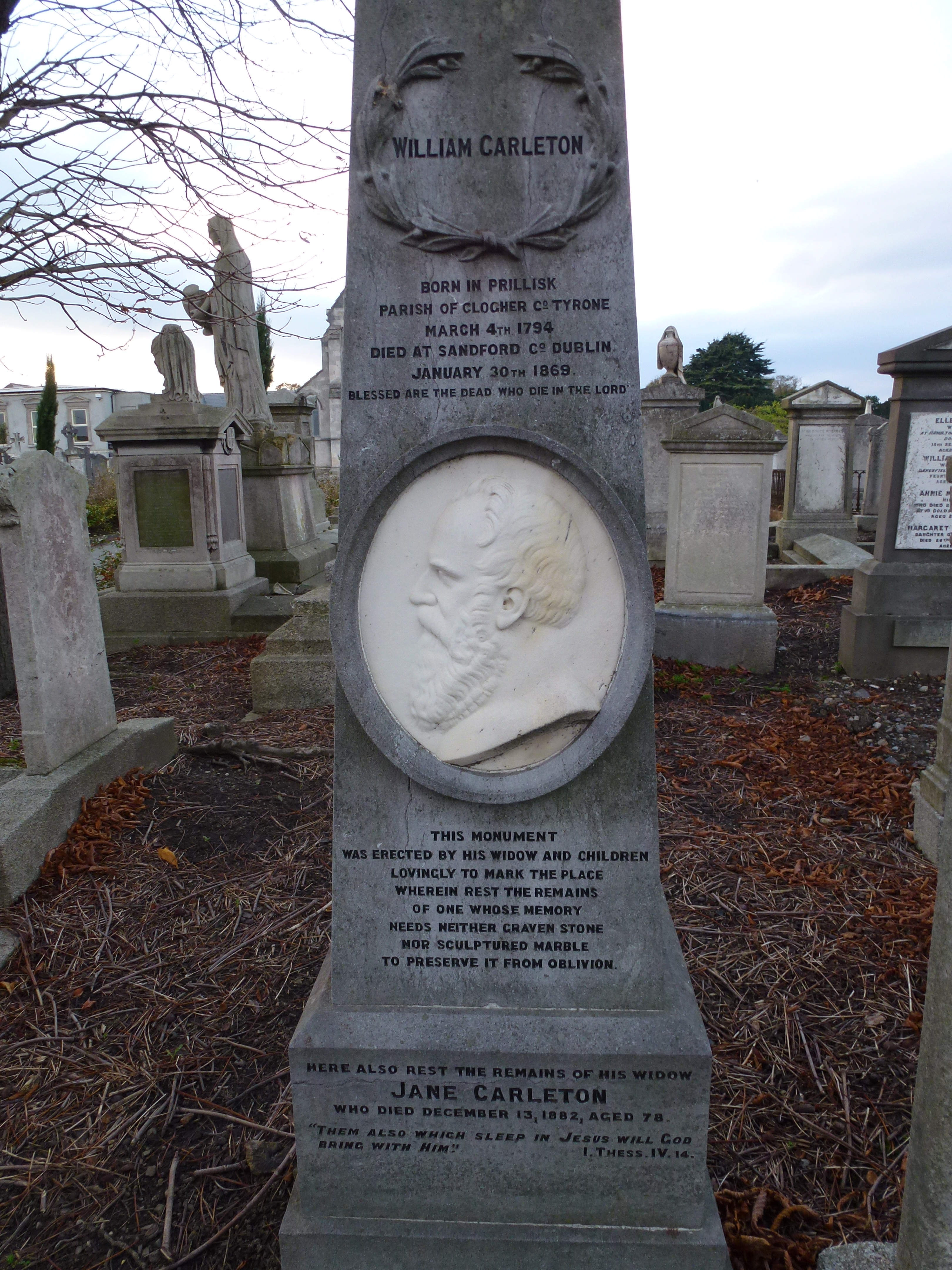
William Carleton's Grave

William Carleton’s Grave

IN THE FOOTSTEPS OF CARLETON:

Next Saturday (26th January) a group from the William Carleton Society travels to Dublin to mark the 144th anniversary of the death of the famous 19thC Irish author from County Tyrone. Carleton grew up as a Catholic, the youngest of fourteen children born to a small farmer in the Clogher area. He was educated at a hedge school near Glaslough in County Monaghan. He came to Dublin in 1819 with 2s 9d in his pocket and after trying various occupations, he became a clerk in the Church of Ireland Sunday School Office. Subsequently he would convert to Protestantism. In his autobiography (second part, finished by DJ O’Donoghue) we are told that:-

he soon became acquainted with the Rev. Caesar Otway, who was personally a most estimable man, a very pleasant writer, an enthusiastic antiquarian, but a determined proselytizer. He was one of a very remarkable group of men in Dublin at that period — when Catholic emancipation was in the air — whose lives were devoted to the task which they described as the rescue of Ireland from Popery“.

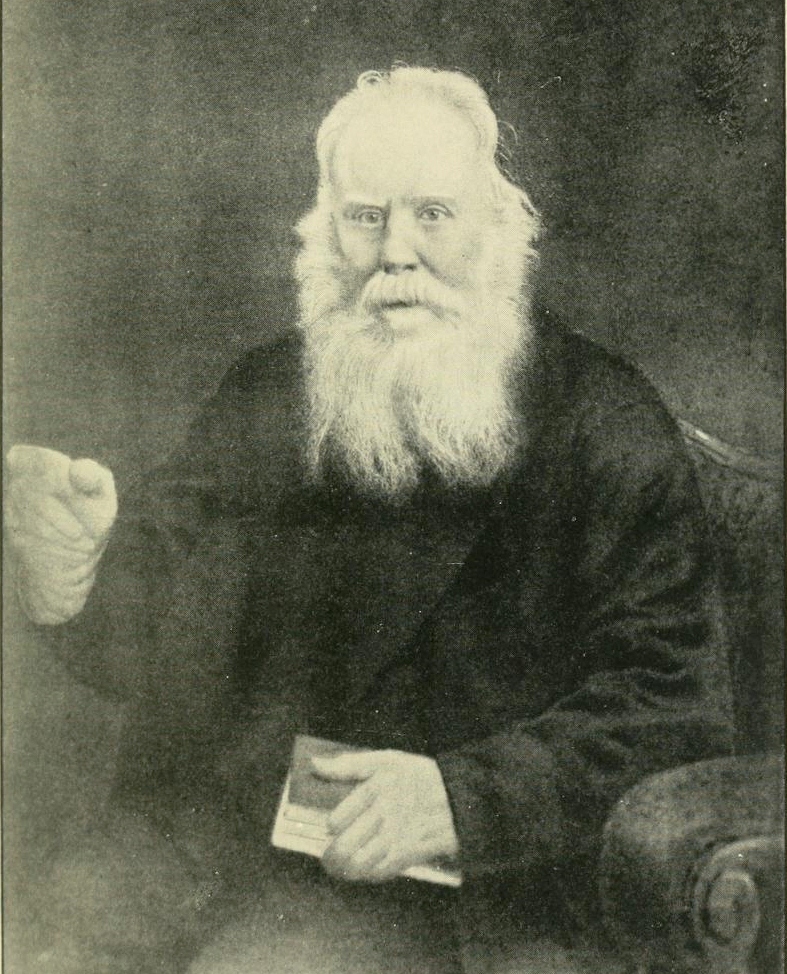
William Carleton aged 72 living in Dublin

William Carleton aged 72 living in Dublin

Otway gave Carleton an opportunity to use his journalistic talents for such proselytising purposes as satirising Catholic pilgrimages to ‘St Patrick’s Purgatory’ at Lough Derg. Further writings in the Christian Examiner & Church of Ireland Magazine led, in 1829 and 1833, to the publication of what is probably Carleton’s best known work: Traits and Stories of the Irish Peasantry – a tableau of the life of the country people of the north of Ireland before the famines of the 1840s altered their pattern of existence forever. There then followed such novels as Fardorougha the Miser (1839), Valentine McClutchy (1845), The Black Prophet (1847), The Emigrants of Ahadarra (1848), The Tithe Proctor (1849), The Squanders of Castle Squander (1852) in which he addresses many of the issues affecting the Ireland of his day such as the influence of the Established Church and landlordism, poverty, famine and emigration.

William Carleton Junior © Glenn Carleton

William Carleton Junior © Glenn Carleton

Carleton married Jane Anderson in 1820 and they had several children. Seven were born in Dublin, the first being Mary Anne in 1821. One of them, William Carleton junior, born in 1826, emigrated to Australia and was a known there as a poet. We are still not sure when and where his second daughter Jane Carleton was born. We know that she lived for time at Balham High Street in South West London, close to Tooting Bec. Deputy director of the summer school Frank McHugh reported on his research on the family tree at the 2012 event in Clogher. Thanks also to Glenn Carleton and Paul Brush in Australia, the William Carleton Society has been able to build up further details of Carleton’s genealogy.

COACH TRIP

On Saturday 26th a coach will be departing from Enniskillen at 7:30am and picking up passengers at Clogher, Aughnacloy and Monaghan (at the entrance to St Macartan’s College. 8:15am) for the trip to Dublin, which will cost £10 and will include membership of the William Carleton Society for those who have not yet joined. There will be a stop at Lusk services on the M1 before travelling into Dublin using a route which will give us an opportunity to see some of the sights, with Dr Frank Brennan as our guide.

“Frank Brennan will conduct a tour through Phoenix Park with its numerous historical monuments and associations going back hundreds of years, travel along Dublin’s quays, Four Courts, Guinness’ brewery, Dublin Castle, the two cathedrals, Jewish area and into Ranelagh which developed as a genteel middle class suburb after the Act of Union. At Sandford Church we will be addressed by a local teacher, who is a member of the congregation, on the history of Sandford church and its connection with Carleton. The Ranelagh Arts Society will then provide a talk by Susan Roundtree, an architectural historian, on the development of 19thC Ranelagh and the connection with the Plunkett family, who played a major role in Irish history.

We then go to Mount Jerome cemetery for a short ceremony (2pm) to commemorate the 144th anniversary of William Carleton’s death. A member of the Ranelagh Arts Society will then conduct a short tour of the graveyard. We travel to lunch (4pm) at O’Briens at Sussex Place, Upper Leeson Street, one of Patrick Kavanagh’s haunts, which as a 1900’s grocery and bar reminded him of Carrickmacross. The journey to lunch will take us through Dublin’s two Georgian squares  and past Government Buildings. Finally after lunch (which participants will pay for themselves) Frank Brennan will bring us past the Grand Canal Theatre, National Convention Centre, and some other of the better relics of the Celtic Tiger before our return home.”

SANDFORD CHURCH RANELAGH DUBLIN 12:30pm

Those joining the event in Ranelagh should assemble at the church at Sandford Road Ranelagh (junction with Marlborough Road) around 12:30pm. The group from the bus is hoping to walk from the site of Carleton’s now demolished former residence at Woodville, Sandford Road (beside the entrance to Milltown Park) to the church, weather permitting. Our thanks to the Reverend Sonia Gyles, Rector of Sandford and St Philip’s Milltown, for making the church available. Admission to the talks is FREE but membership of the William Carleton Society (€5) will be available for those interested.

Woodville Ranelagh

Woodville Ranelagh

It promises to a be stimulating and interesting day.  The coach will return to Enniskillen by 9pm. Please contact us by email, if you are interested or telephone me at (048 code from the Republic) 9066 2945 as there are a limited number of places available on the bus. The William Carleton Society is a partner in the Shared History, Shared Future project run by Dungannon and South Tyrone Borough Council through the EU funded South West Peace III Partnership Programme and this activity is being delivered through it.

DSTBC LogoSWPeaceIII_logo_options_2berdfimages

POPE’S NEW MAN IN ARMAGH

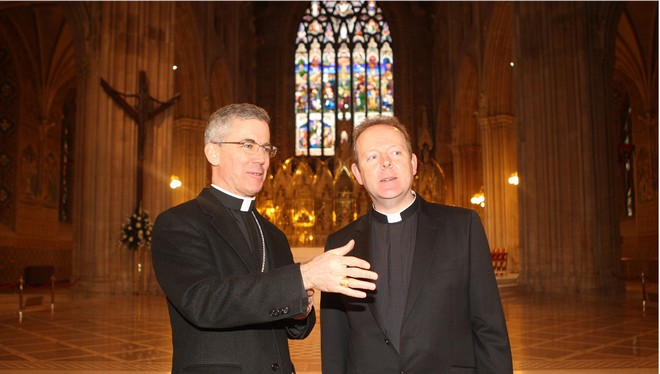
Monsignor Eamon Martin (right) Photo: Irish Bishops' Conference

Monsignor Eamon Martin (right):               Photo Irish Bishops’ Conference

More than two years after Cardinal Seán Brady made a request to the Vatican, Pope Benedict has appointed Monsignor Eamon Martin from Derry as Coadjutor Archbishop of Armagh (an assistant with the right to succeed to the post of Archbishop). I have not met him but he came across in television and radio interviews as a very capable and enthusiastic clergyman. He made clear the Catholic church’s position regarding abortion and the ongoing discussions in the Republic about the “X” case. He also spoke about his upbringing in Derry as one of a family of twelve (six boys and six girls). Monsignor Martin is expected to be ordained as Coadjutor within a few months.

52-year-old Monsignor Martin has been Apostolic Administrator of the Diocese of Derry since November 2011 and the two former Bishops Seamus Hegarty and Edward Daly have welcomed his appointment. Speaking at St Patrick’s Cathedral in Armagh, Cardinal Brady welcomed the man who will take over from him in due course. He described Monsignor Martin as a man of great gifts and great generosity who he said would know how to use those talents in the education of people, young and old.

St Columb's College Derry

St Columb’s College Derry

A former pupil of St Columb’s College in Derry, he was ordained in Maynooth in 1987 aged 26. He later became a teacher at St Columb’s and was promoted to President of the College in 2000. He is a director of the National Board for Safeguarding Children, which was established by the Catholic church following revelations about clerical sex abuse in a number of dioceses.

STRABANE COUNCIL

Anyone who has reported on council business will know how important it is to have access to different sub committees and minutes of meetings, as well as to the full council meetings. Increasingly, some councils attempt to keep sensitive issues private by discussing them in committee. The role of the media to report on democracy in action and although district (or local) councils have limited powers, the press have a duty to report on the actions of councillors and to take them to task when necessary. I was therefore surprised to see that there is a proposal by Strabane District Council to restrict the attendance of press representatives at its weekly committee meetings. According to the interim chief executive Daniel McSorley

Daniel McSorley

Daniel McSorley (Council photo)

(for whom I have a lot of admiration following the excellent job he has done during often difficult times in Omagh) quoted in the Strabane Chronicle, the proposed change in committee proceedings “would lead to more openness and transparency”. He added that no decision has yet been taken. I for one hope that the council does not decide to go down this route. I am glad to see a statement on the issue from the President of the National Union of Journalists, Barry McCall.

Michael Fisher & NUJ President Barry McCall

Michael Fisher & NUJ President Barry McCall

Mr McCall says that any attempt to exclude the press from council matters is “an attack on democracy” and he has vowed to take it up with Mr McSorley as a matter of urgency. He said any plans to ban the press from local council committee meetings would be a direct attack on democracy and an attack on press freedom. They are repugnant to an open and democratic society, he said, and would be strongly resisted by the NUJ. The union will raise its concerns with the District Council immediately.

Strabane Chronicle reporter Conor Sharkey said the paper had not submitted an objection at this stage but would probably do so. He told Hold the Front Page:-

 “It would be a big deal for ourselves as a newspaper but I think it would be a bigger deal for the ratepayers. The issues that are being discussed are not national security, it is bread and butter issues such as waste management and leisure. It is ordinary issues that affect the men and women in the street. I think the ratepayers have a right to know about them. It is a huge concern to us. We pick up a lot of news stories from these meetings.”

Only eight local authorities in Northern Ireland are believed to restrict access to such committee meetings at the moment.

MICHAEL FISHER is Chair of the NUJ Irish Executive Council Northern Ireland sub-committee

DR MCKENNA CUP

mckennacuppowerni images

Power NI Dr McKenna Cup competition

Driving back to Belfast tonight along the M1 I saw a strong white light emanating from the direction of the Castleblayney Road near Dundalk. It was the floodlights from  Pairc Grattan at Inniskeen, County Monaghan, a ground which has been developed in recent years to accommodate county team matches. Monaghan were playing neighbours Fermanagh in their third Dr McKenna Cup match in Section A. Victory by 1-12 to 0-07 meant that the home side has qualified for the knock-out stages. Their next opponents will be Down, at the Athletic Grounds Armagh at 2pm on Sunday. I passed Newry as they were seeing off the challenge from their neighbours Armagh by 2-11 to 1-10 in Section B. In other matches, a weakened Donegal side narrowly beat St Mary’s 1-14 to 2-10 and in Section C, Tyrone easily beat UUJ 1-18 to 0-09 and Derry drew 1-13 apiece with Antrim. So the other semi-final on Sunday will see Tyrone meet Fermanagh, the best runner-up.

ulstergaaimages

Ulster Council GAA

This year there has been controversy over the decision by some county managers to include QUB students in their squads. It has led to the withdrawal of Queen’s University from the competition, as they believed they were being put at a disadvantage. The competition has a very interesting history. The cup is called after a fomer Bishop of Clogher Dr Patrick McKenna from Truagh parish in County Monaghan, who presented it to the Ulster Council of the GAA in 1925. The first competition was in 1927. Monaghan are the most successful side in the tournament with thirteen wins, the last being 2003. Maybe they can make it fourteen this year! For two years, 2001 and 2002, the competition was not held but it was resurrected in 2003. Since 2007 it has been sponsored and the latest company to do so is Power NI, formerly NI Electricity, appropriate now that (as I observed at the start) many of the matches like tonight’s are played under floodlights!

monaghangaa

Monaghan GAA Crest

GEEL DISCOVERY

Extraordinary discovery in Geel (Het Nieuwsblad)

Extraordinary discoveries in Geel                   (Het Nieuwsblad)

St Dympna is the connection between Tydavnet (Tigh Damhnait) in Monaghan and the town of Geel in the province of Antwerp in Belgium, with which it is twinned.  I have visited Geel on a number of occasions, most recently in August last year. So I was interested to see an online article in the Belgian paper Het Nieuwsblad about an important archaeological discovery showing evidence of prehistoric remains, including a large graveyard from the Bronze Age. The find was made in the area called Sint-Dimpna, close to the church of that name, I think, at a site being excavated to make room for a new sports centre. I have used Google to attempt to translate the article, to find out a bit more about the discovery. This is what the report says, give or take a phrase or two!

Extraordinary discoveries in Geel (caption for photo).
Unique archaeological traces at St. Dympna:
Geel Historical Society has worked with the city archives to organise a lecture on the results of the excavations at St. Dympna. The archaeologists will explain how their research was done, what traces were found and what they mean. The excavations were carried out for the construction of the new sports and play park. During the investigation many archaeological traces from different periods came to light. The researchers found four main buildings from the Iron Age (circa 800-50BC), a yard from the Middle Ages (10th-12th century AD) and numerous smaller outbuildings or nails that served as storage for food. There were also some wells found (dating from) the Middle Ages. Besides these traces of habitation there were also traces of a large graveyard from the Bronze Age (2000-50 BC) that came to light. And it is this last discovery that makes the archeological site so unique and interesting. Finding such burial sites is extremely rare for archaeologists in Flanders. “The combination of the cemetery and a settlement is truly exceptional. In Geel everything was also very well preserved, “said Connie Leysen from the Geel city archives. The lecture will take place on Friday 25th January at 8pm in the Winery.

GRAFFITI

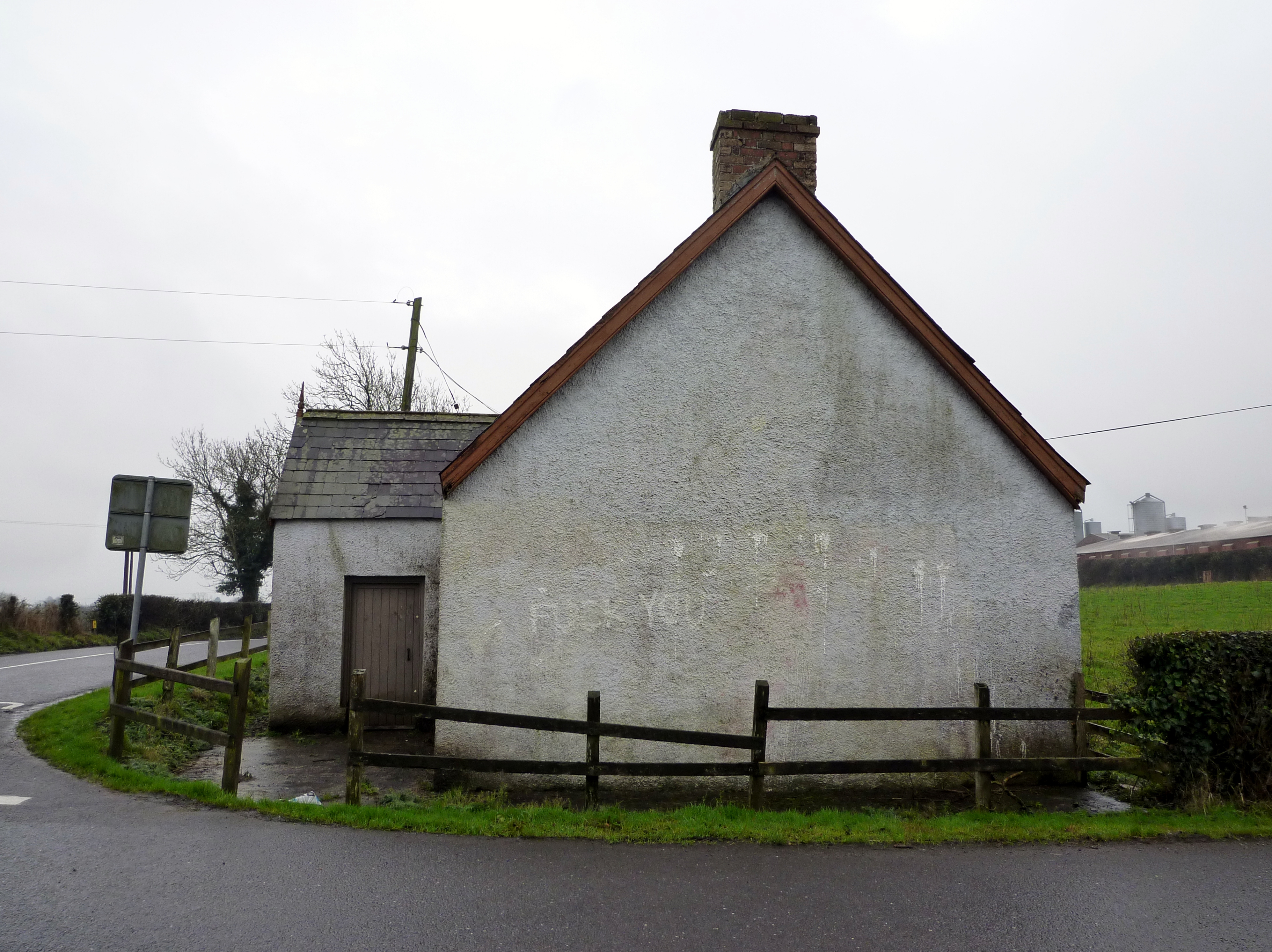
Corragh Orange Hall

Corragh hall

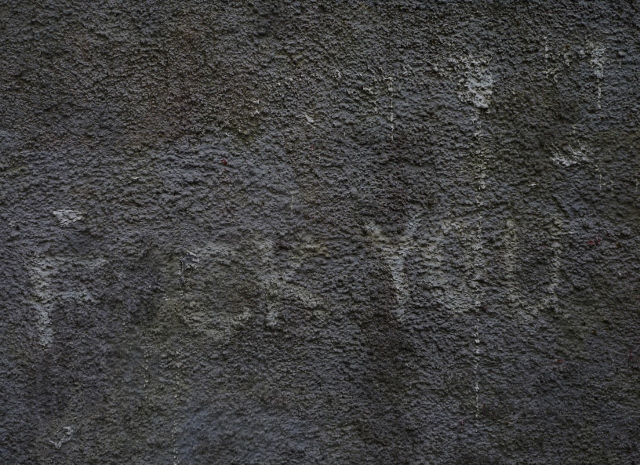
Driving past a small orange hall in a rural part of County Monaghan at Corraghbrack near Tydavnet on Saturday night the car headlights revealed two offensive words “F**K YOU” had been painted on the gable wall and came up very clearly in the car headlights. The hall is used infrequently and does not have any sign outside and I have been past it many times before. My initial reaction posted yesterday and now corrected here was that this could be described as a sectarian act, possibly in reaction to the flags row in the North. Going back to visit the scene in daylight hours, the offensive slogan was not as apparent, depending on what angle you looked at it. But the wall showed signs of previous acts of graffiti having been painted out. Damage was done to the windows and front door of the hall in 2005, when a nearby hall in Glaslough was also attacked. On that occasion the local parish priest in Donagh, Fr Sean Clerkin, spoke out strongly at Mass against the attack.

Hopefully action will be taken to remove the unwanted graffiti. Further enquiries have revealed that the paintwork (which at the time seemed fresh to me) is not recent and there are no slogans accompanying the crude message to suggest it is a political act. It seems it is not intended in any way as a sign to the people who own the property. As I stated previously, Tydavnet and other parts of Monaghan generally have very good relations between Catholics and Protestants. It is to be hoped that this unsightly work will be attended to in due course and that the good relations between all sides of the community will prevail.

ORANGE HALL GRAFFITI

Corragh Orange Hall

Corragh Orange Hall

THIS STORY HAS SINCE BEEN UPDATED. FOR THE LATEST VERSION SEE GRAFFITI PUBLISHED MONDAY 14th JANUARY.

Sectariansim in the Republic: Driving past a small orange hall in a rural part of County Monaghan near Tydavnet last night (Saturday) the car headlights revealed what can only be described as an act of sectarian abuse. Two words “F**K YOU” had been painted on the gable wall and came up very clearly in the car headlights. The orange hall is used infrequently but is one of several small ones remaining since partition. Members of the Orange Order from County Monaghan can often be seen parading in Northern Ireland and I have seen them on several occasions taking part in the main parade in Belfast.

Graffiti on wall (edited)

Graffiti on wall (edited)

Going back to visit the scene in daylight hours, the offensive slogan was not as apparent, depending on what angle you looked at it. But the wall showed signs of previous acts of graffiti having been painted out. Sadly, this is not the first time the building has been targeted. Damage was done to the windows and front door in 2005, when a nearby hall in Glaslough was also attacked. At the time, the Orange Order called on President McAleese to condemn the attacks. Some time later, she visited Brakey orange hall near Bailieborough in County Cavan, which had been damaged and repaired. It is worth quoting from her speech on that occasion: 

“It is possible to be both Irish and British, possible to be both Orange and Irish. We face into a landscape of new possibilities and understandings. The momentum of these times is, of course, difficult for some and so they lash out in intemperate acts of vandalism that have been visited on some Orange Halls, including Brakey. Such acts are a throw-back to another time, and we condemn them utterly and unequivocally”.

Across the nearby border in Northern Ireland several rural orange halls have been attacked and burned down. Attacks on the orange order and its members are often carried out in a tit-for-tat retaliation for something the other (green) side disapproves of. In this case, one explanation might be the ongoing row involving loyalists protesting over the restrictions placed on the flying of the union flag at Belfast City Hall. Leading politicians from North and South will meet in Belfast next Thursday to discuss the situation. In the meantime, I expect politicians of all shades in the Republic will be united in condemning another apparent attack on the minority community in Monaghan.

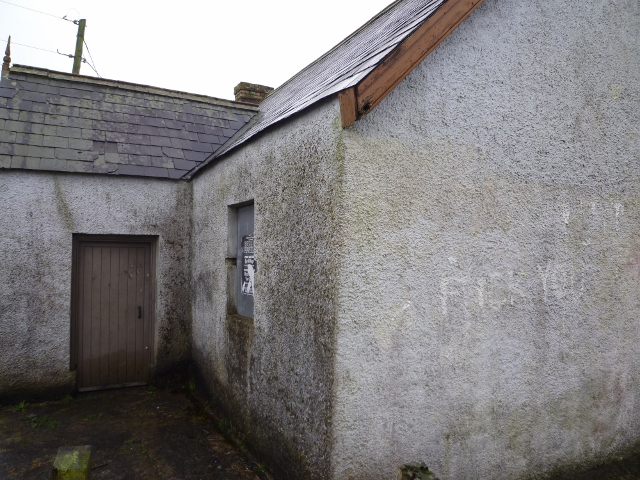
Corragh Orange Hall entrance

Corragh Orange Hall entrance

Hopefully action will be taken to remove the offensive and unwanted graffiti. It does not reflect the sentiment of the majority community locally. Tydavnet and other parts of Monaghan generally have very good relations between Catholics and Protestants. Members from both religions turn up at each other’s church services such as funerals or weddings. At a funeral Mass this morning local priest Fr Sean Clerkin spoke about value and respect for people. Sadly there are some people out there who do not think those sentiments are important. Sectarianism south of the border reared its ugly head a year after the Good Friday agreement was signed when Ian Paisley’s Free Presbyterian church at Coragarry, Drum in County Monaghan was targeted. Unfortunately it still seems to be with us.

IRISH HISTORY: ROBERT KEE RIP

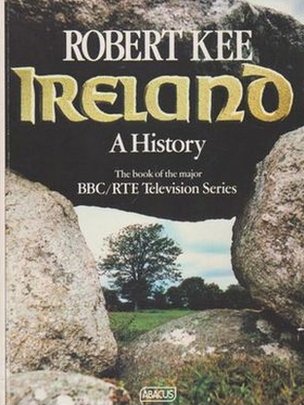
Ireland: A History

Ireland: A History

The death of writer, journalist and historian Robert Kee who died on Friday January 11th aged 93 is an opportune moment to look back not just at the television series he presented on Irish history, but on other similar series. First I acknowledge the assistance of a very useful article by Cathal Brennan in The Irish Story about how important events in Irish history such as the Easter Rising in 1916 have been covered by Irish television, starting in the 1960s when Telefís Éireann had opened.

1965 saw Telefís Éireann attempt their first history series entitled The Irish Battles. 1966 began with a new television series called The Course of Irish History edited by F.X. Martin and T.W. Moody. The series dealt with Irish history from prehistoric times up to the present and finished with a debate between the contributors involved” (Brennan).

F.X.Martin was an Augustinian priest who was Professor of Medieval History at UCD from 1962 to 1988. I remember seeing him occasionally in the corridors when I was a student at Earlsfort Terrace and Belfield. He was deeply involved in the campaign to preserve the Viking site at Wood Quay in Dublin. More details about him can be found in Charles Lysaght’s “Great Irish Lives: An Era in Obituaries” p.260. Certainly I remember the impact that the black-and-white televised series had. I only moved back to Dublin in 1967, with little or no knowledge of Irish history at the time, so I found the Martin/Moody book a very useful educational aid. T.W.Moody was a Quaker and was Professor of Modern History at Trinity College.

The eruption of the troubles in the North in 1969 and the introduction of censorship through Section 31 legislation meant a lack of any further series on history on RTÉ until the 1980s. However in 1969/70 I remember attending an hour-long programme about Northern Ireland recorded at the RTÉ studios at Donnybrook and presented by the late Liam Hourican, who was then Northern Editor for RTÉ News, based at Fanum House in Belfast.

Robert Kee’s thirteen-part series on Ireland: A Television History was broadcast in 1980/81 on RTÉ and BBC. It charted the history of the island from the time of Brian Boru up to the struggle for independence. It won a Jacob’s award for Kee, as the BBC obituary noted. Ruth Dudley Edwards has written an obituary for the Sunday Independent which sums up his achievements during a long and successful career.

In 1981 Thames Television produced a six-part documentary series The Troubles, which was shown on UTV. In more recent times there have been programmes on RTÉ such as Hidden History (2007) and in 2011 a five-part series presented by my former colleague in RTÉ News Belfast, Fergal Keane, entitled The Story of Ireland and broadcast on RTÉ and BBC. For those interested in pursuing the subject further, I notice that UCD is running an adult education course starting later this month on “Television and Irish History“. The tutor is David Ryan. I wonder what the tv historians will make of the current flags protest in Belfast and other parts of the North. Will the restriction placed on the flying of the union flag at Belfast City Hall in December become one of the most significant dates in Northern Ireland history since the signing of the Good Friday agreement?