Get me outta here!

Michael Fisher's News

© Michael Fisher MMXXII

Menu

Skip to content
  • Home
  • About

Author Archives

borderroamerhttps://fisherbelfast.wordpress.comThe Northern Standard, Monaghan. Reporter.
borderroamer's avatar

MEETING AT MENIN GATE

21/09/2013 by borderroamer
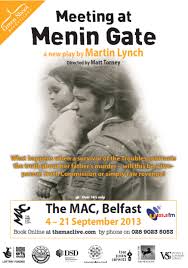
Meeting at Menin Gate at the MAC arts centre Belfast (flyer)

Meeting at Menin Gate at the MAC arts centre Belfast (flyer)

This new play by Belfast writer Martin Lynch, Meeting At Menin Gate, is the final instalment of The Ulster Trilogy series which explore the state of Northern Ireland today. Presented by Green Shoot Productions, Sam Millar’s Brothers In Arms looked at the views of republican dissidents. Ron Hutchinson’s Paisley And Me examined the loyalist position post-conflict. This third play deals with the issue of victims and survivors, a very topical subject at the moment with politicians at Stormont unable to agree what exactly constitutes a “victim” of the Troubles. The final performance was tonight at the Mac centre in Belfast and I saw it last night (Friday) during Culture Night Belfast, although it was not one of the 250 free events which were part of that festival. Meeting at Menin Gate will now be touring throughout the North. The title comes from the Menin Gate in Ypres in Flanders, Belgium, where a last post ceremony is held every night to remember the tens of thousands of soldiers who lost their lives in World War I.
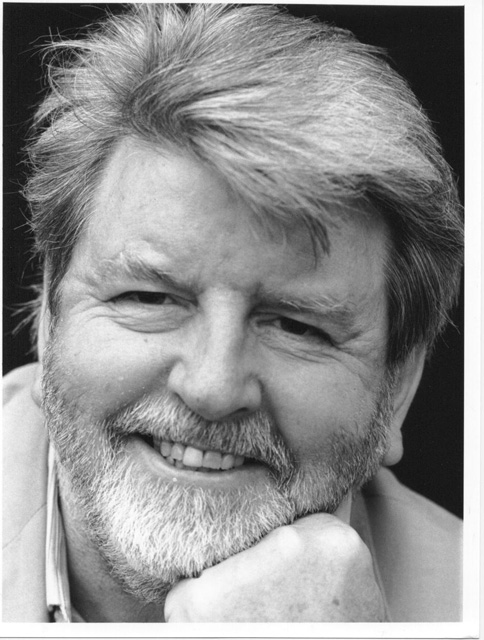
Martin Lynch: Photo © Bobby Hanvey

Martin Lynch: Photo © Bobby Hanvey

A powerful and insightful drama, Menin Gate explores the world left behind by the Troubles. In the small Belgian town of Ypres Liz, a Protestant nurse and daughter of an RUC man and an ex-IRA man from West Belfast, Terry, meet during a cross-community trip to WWI battle sites to promote reconciliation and become romantically involved. It transpires that Terry was one of two gunmen who had shot dead Liz’s father at his home which for the purposes of the play is said to be Dromore, County Down but is based on a true story.

Act One is very witty throughout with plenty of Ulster humour. The second act however strikes a very different note which some patrons will find hard to deal with as the

Share this:

  • Share on Facebook (Opens in new window) Facebook
  • Share on X (Opens in new window) X
Like Loading...
NEWS POLITICS UNCATEGORISED MAC Centre BelfastMartin LynchMeeting at Menin Gate 1 Comment

CULTURE NIGHT BELFAST 2013

20/09/2013 by borderroamer
Dog Ruff String Band Photo: © Evelyn Fisher

Dog Ruff String Band Photo: © Evelyn Fisher

Belfast city centre was truly buzzing with the fifth annual Culture Night, part of a larger event taking place across the island. Great to see people out enjoying themselves and music coming from around every street corner along with street performers and exhibitions. All over Ireland, museums, galleries, theatres, churches, historic houses, artists’ studios and cultural institutions threw open their doors for patrons to dip into whatever appealed to them from poetry to music to dancing.

In Belfast the streets, places and spaces in the Cathedral Quarter and further afield were thronged for several hours  with thousands of revellers, young and old. More than 250 dance, music, theatre and visual arts were staged at 100 locations.

Crumlin Road Gaol Photo: © Michael Fisher

Crumlin Road Gaol Photo: © Michael Fisher

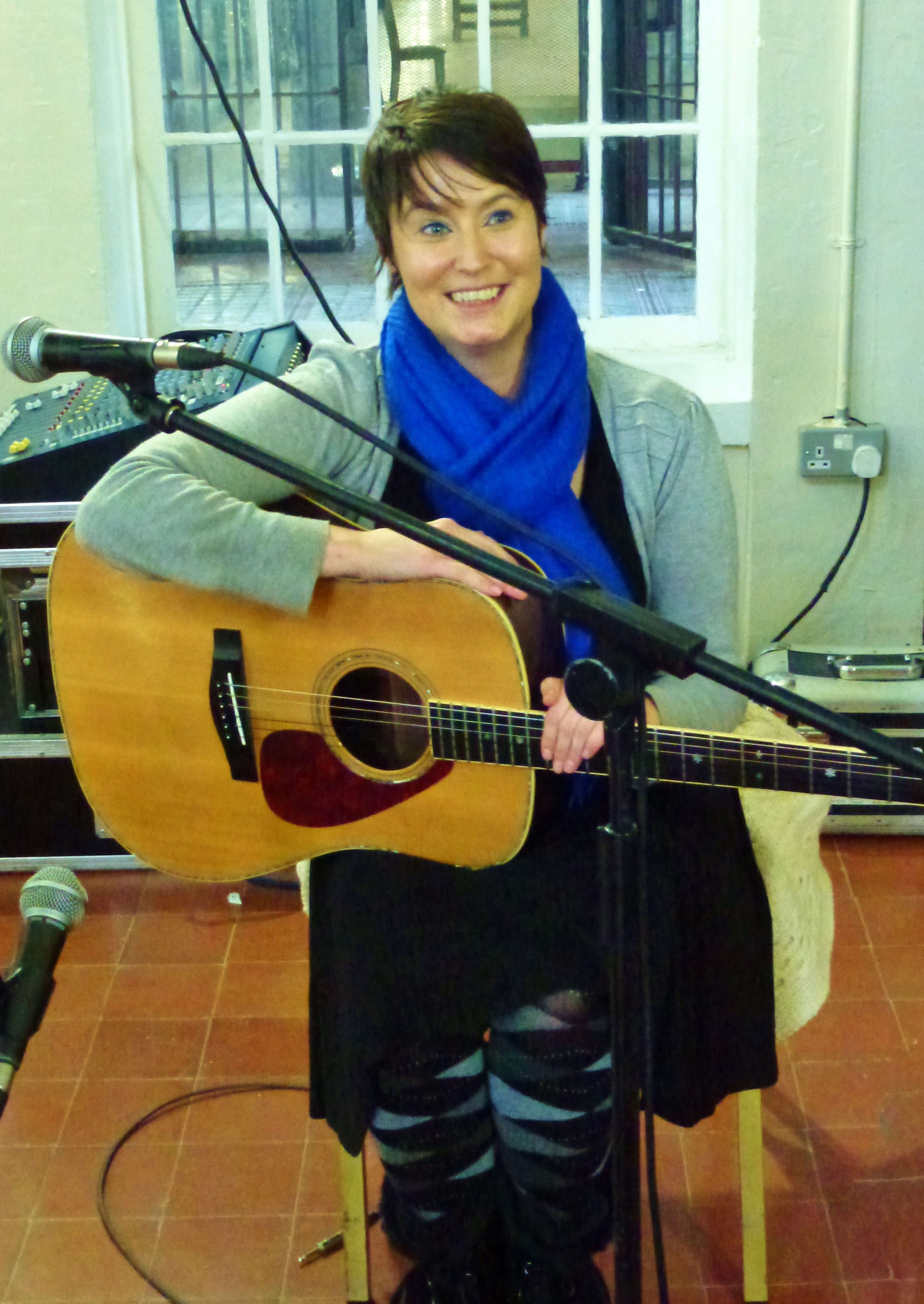
I went to see acoustic folk musician Edelle McMahon singing at the former Crumlin Road Gaol, now developed as a tourist attraction. She told me it was certainly one of the most unusual locations in which she had been asked to perform. Edelle is from Emyvale in County Monaghan. During the recent William Carleton summer school, she sang the ‘Romance of the Merrow Queen’ at the unveiling by me of a restored plaque at the Blue Bridge, Emyvale, marking the Carleton connection.

Edelle McMahon at Crumlin Road Gaol Photo: © Evelyn Fisher

Edelle McMahon at Crumlin Road Gaol Photo: © Evelyn Fisher

Edelle is a singer and songwriter based in Belfast, who is described in the Culture Night programme as an “up and coming performer”. She was given two slots to sing during the evening, based in the circle at the centre of the jail, from which the four wings radiate. A great change to hear the strains of gentle music coming through the entrance instead of the clatter of keys and banging of cell doors along with the voices of prison officers and inmates!

Music in the Circle at Crumlin Road Gaol Photo: © Michael Fisher

Music in the Circle at Crumlin Road Gaol Photo: © Michael Fisher

Culture Night programme organiser Adam Turkington told the Belfast Telegraph the entire team was thrilled with how the weird and wonderful festival of fun had turned out:-

“Every year we’re so busy planning the thing, we don’t always take time to appreciate just how massive culture night has become. Every year we’re cautiously hopeful of a decent turnout, and sure enough, (each time) we’re blown away by the numbers that come down to the city centre and beyond to celebrate Culture Night. Just looking around me now, it’s utterly incredible, people of all ages and backgrounds milling about and exploring and enjoying all sorts of different performances and oddities. Happenings on every corner and a city centre where everybody is smiling.”

Mr Turkington also said he was particularly happy the annual event was a welcoming environment for anyone and everyone. “I think most importantly about Culture Night Belfast, the city becomes one huge shared space for all”, he added. That was clear from what I witnessed during the time I spent there. “Belfast: a city for all” should be the message going out to the world.

Share this:

  • Share on Facebook (Opens in new window) Facebook
  • Share on X (Opens in new window) X
Like Loading...
MUSIC NEWS UNCATEGORISED Adam TurkingtonCathedral QuarterCulture Night Belfast 2013Edelle McMahon 1 Comment

PLOUGH LANE

19/09/2013 by borderroamer

HOW AFC WIMBLEDON, NAMA, IRISH GREYHOUNDS, A DUBLIN BUSINESSMAN AND MERTON COUNCIL WILL SHAPE THE FUTURE OF PLOUGH LANE IN LONDON SW19

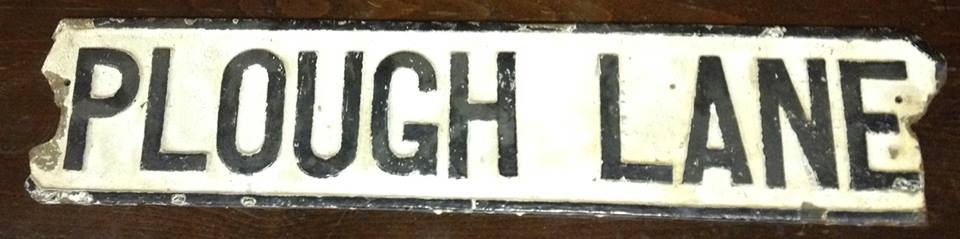
Old SW19 road sign from the days of Wimbledon FC

Old SW19 road sign from the days of Wimbledon FC

Wimbledon might be known internationally for tennis. But the area also came to fame through the achievements of Wimbledon Football Club. Plough Lane used to be their home. Now the original pitch is a housing development, a bit like Glenmalure Park in Milltown, former home of Shamrock Rovers FC. Durnsford Road (where the main entrance was) is where I saw the Dons play in their days as an amateur team (I began to watch them around 1963 when they won the Amateur Cup), as semi-professionals in the Southern League and eventually as a football league side rising to the first division and winning the FA Cup. The club survived there until 1991 when they entered a ground-sharing arrangement with Crystal Palace that lasted until 2003 in order to comply with a new FA rule on all-seater stadia.

Plough Lane Gates Photo: CC Licence Wiki

Plough Lane Gates Photo: Cliftonian via Wiki CC Licence

In the closing stages of Wimbledon FC at Selhurst I remember talking to the owner Sam Hammam about a suggestion that he was considering moving the club to Dublin (even Belfast was mentioned at one stage). Some Irish businessmen and at least one prominent soccer commentator were very supportive of such a move.

Wimbledon FC Crest

Wimbledon FC Crest

You can read more about the ‘Dublin Dons’ in Donal Fallon’s Come Here to Me blog here. In the end FIFA opposed such a move and the FA gave approval to transport the club, not abroad, but sixty miles away to a franchise in Milton Keynes, which now plays in League 1, one division above the new Wimbledon.

Sam Hammam Photo: © Glenn Copus / Evening Standard /Rex Features

Sam Hammam Photo: © Glenn Copus / Evening Standard /Rex Features

Plough Lane is also the site of another sports venue, Wimbledon Stadium. I remember going to watch speedway there. It is also the last remaining dog track in London, which had 33 greyhound stadia in the 1940s, and home to the William Hill Greyhound Derby, which always attracts a lot of Irish interest. I should add that although I never went to a dog meeting at Plough Lane, I have been a spectator at greyhound races in Ireland and have generally enjoyed such events. Indeed I have been at the stadium at Dundalk, which was opened on a greenfield site  in 2003 (with an all-weather horse racing track added later) by the Irish Greyhound Board (Bord na gCon) when the businessman Paschal Taggart was the Chairman. It replaced an older stadium that closed in 2000.

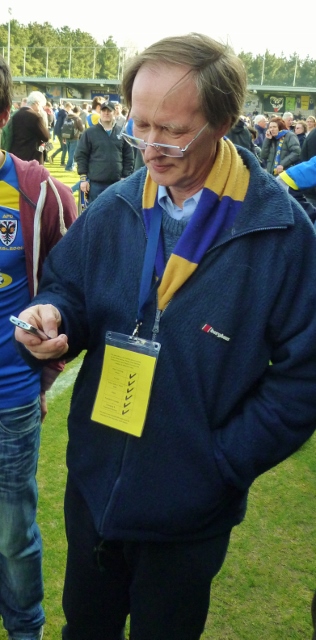
Chief Executive AFC Wimbledon Erik Samuelson Photo: ©  Michael Fisher

Chief Executive AFC Wimbledon Erik Samuelson Photo: © Michael Fisher

Fast forward a decade and now we have a new club AFC Wimbledon based at Kingsmeadow in Norbiton but proposing to move back to their spiritual home in Merton.  The outline plans for a new stadium seating 11,000 with potential to upgrade later to 20,000 have been fine tuned over the past year and have just been submitted to Merton Council. The football club’s preferred location is now known to be the greyhound track, beside the original home of the Dons at Plough Lane. The Club’s Chief Executive Erik Samuelson has explained how the proposals have taken a significant step forward. He also cautions supporters that there is a long way to go before the Dons’ plans become a reality.

Sketches for a new greyhound track at Wimbledon Picture: Irish Post

Sketches for a new greyhound track at Wimbledon Picture: Irish Post

However there is a separate proposal which has come from a consortium led by the Dublin-based businessman and greyhound enthusiast Paschal Taggart, who I referred to earlier. He has proposed a new greyhound stadium on the current site, with a squash club and gym etc.. He also points out that the (Irish) National Asset Management Agency NAMA will have a major say in any future development. So once again, Dublin comes into the equation when the development of our now community-owned football club in London is to be decided. Wimbledon was one of six greyhound tracks acquired by Risk Capital Partners from the Greyhound Racing Association in a £50m deal financed by Irish Nationwide. So because of the source of the loan the Stadium’s short term future has been determined by NAMA. The state agency in Dublin granted a five year lease for the Wimbledon track in July to a management team.

Paschal Taggart Photo: Irish Post

Paschal Taggart Photo: Irish Post

Paschal Taggart in a letter in July published by the Greyhound Owners’ Breeders’ and  Trainers’ Association urged supporters to continue to lobby Merton Council. He told them bluntly: “NOW IS THE TIME FOR GREYHOUND PEOPLE TO STAND UP AND BE COUNTED if they believe that Wimbledon Greyhound Stadium is important to the UK and Irish greyhound industries“. Note the way he is appealing (quite legitimately) to breeders and trainers on this side of the Irish Sea. He was also playing the Irish card by saying in an Irish Post interview earlier this month that “many members of the Irish community around South London, and further afield, would be affected if alternative plans by the football club AFC Wimbledon to move back to the club’s former home were granted by Merton Council“. He has also been quite disparaging about our club, referring to AFC Wimbledon as a “Mickey Mouse football team” in an interview in July with the Irish Times.

It should be stated that the AFC Wimbledon pIan has been submitted to the Council in conjunction with Galliard Homes which wants to develop 600 houses. Galliard Homes is a co-owner of the Wimbledon Stadium site with GRA Ltd whose parent company is the investment company Risk Capital. Galliard and the GRA are also at the centre of a row over a proposed housing development to replace the greyhound track at Oxford, which was closed down by the operator at the end of last year and has now been declared by the local Council to have heritage asset status. Paschal Taggart expressed an interest in rescuing the Oxford stadium in February and also indicated his support for a return of speedway, according to the Oxford Mail.

The Plough Lane site has been designated for “sporting intensification” and is the subject of a draft sites and policies document by Merton Council. The document, which outlines planning regulations for all sites in Wimbledon, will be subject to a public inquiry led by an independent inspector appointed by the Secretary of State for Communities and Local Government. A final report will be given in early 2014 at which point the Council will adopt the plan allowing formal applications for the site to be accepted.

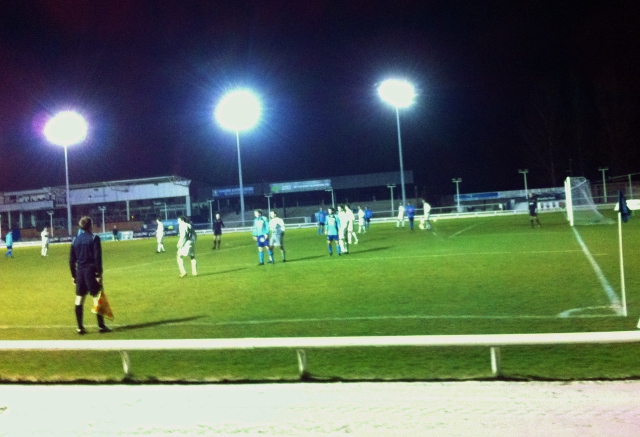
Can soccer and greyhounds be combined? My local dog track at Ballyskeagh near Lisburn serves also as a soccer stadium. Lisburn Distillery from the Irish League Belfast Telegraph Championship 1 division have a stand and social club on one side of the ground at what they call New Grosvenor stadium (Distillery FC used to be based in the Grosvenor Road area of Belfast until 1971, so their name and their history has been retained in their new setting from 1980 and in the new title from 1999). The main drawback I found when I attended a Setanta Cup game there against UCD (and I was one of the handful of College supporters present!) was that the pitch seemed quite a distance from the spectators, because of the width of the dog track. There is a similar situation at the Brandywell where Derry City (a former club of Wimbledon legend Eddie Reynolds) play in the Airtricity League of Ireland.

New Grosvenor Stadium looking across towards greyhound side Photo: © Michael Fisher

New Grosvenor Stadium looking across towards greyhound side Photo: © Michael Fisher

If you go to the dogs, you enter Drumbo Park and can have the benefit of all the bar and restaurant facilities in the purpose-built stand, opened in 2008. I have not yet been there but maybe I will get the chance to take a look at the set-up in the near future. The whole ground can accommodate 8,000. This article from Wikipedia gives a description of how the two sporting interests go about their business almost in separate worlds but using the same plot of land:-

“The two organisations …co-exist on an icy basis of minimal co-operation and do not offer their facilities to each other’s events or co-operate in offering spectator packages for combined events. Indeed Drumbo Park has placed a dress code ban on the wearing of football related clothing in its stand. The nature of the two markets the Football Club and Greyhound Stadium are aiming at is also quite different. New Grosvenor Stadium is aimed at the traditional football fan and promotes itself as a family day out to the local Lisburn market whereas Drumbo Park caters for the hen party, stag night, office party and couples night out market aiming its advertising at the whole of the UK and Ireland. Both operators recognise that there is little cross-over in their respective markets and as a result have made no attempt to offer combined marketing packages.

There is only minimal infringement by one organisation’s events over the other’s as Greyhound racing is traditionally an evening event while Football is traditionally reserved for afternoons. Drumbo Park are restricted however to hosting meetings on Thursday-Saturday evenings only as Lisburn Distillery play many evening fixtures on Tuesdays and Wednesdays while the Irish League also occasionally stage Monday night games for television purposes, though, as of 2010, Lisburn have yet to feature in a live Monday night game. Conversely Lisburn Distillery have been unable to try out a switch to Friday evening Football as some other Irish League teams have done in a bid to increase attendances owing to the Greyhound Friday night meet.”

I write this as a season ticket holder and a founder member of AFC Wimbledon in 2002 via the Dons Trust, when the club started off in the Combined Counties League.

Share this:

  • Share on Facebook (Opens in new window) Facebook
  • Share on X (Opens in new window) X
Like Loading...
NEWS SPORT UNCATEGORISED AFC WimbledonDrumbo ParkErik SamuelsonGreyhound Racing AssociationMerton CouncilNAMANew GrosvenorPaschal TaggartPlough LaneWimbledon FC Leave a comment

GLASNEVIN CEMETERY

18/09/2013 by borderroamer
Crest from Memorial at RIC Burial Plot Glasnevin Cemetery Photo: © Michael Fisher

Crest from Memorial at RIC Burial Plot Glasnevin Cemetery Photo: © Michael Fisher

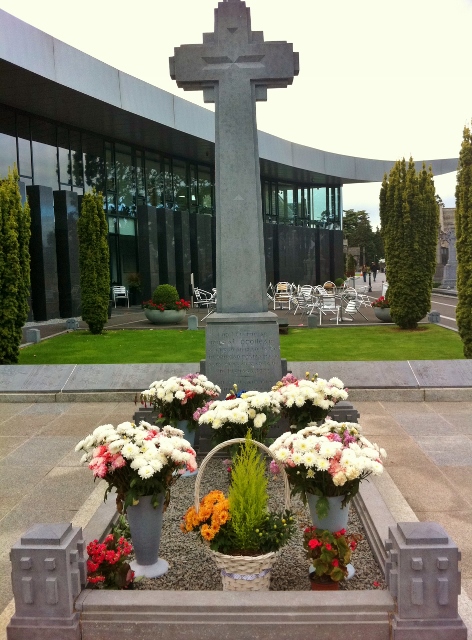
From a distance the crest looks similar to many you will find at graveyards in Northern Ireland: those of Royal Ulster Constabulary members, or possibly a deceased soldier from a British Army regiment. But this photo which I took this afternoon is from Glasnevin Cemetery, the largest in Dublin.

RIC Plot Glasnevin Cemetery Photo: © Michael Fisher

RIC Plot Glasnevin Cemetery Photo: © Michael Fisher

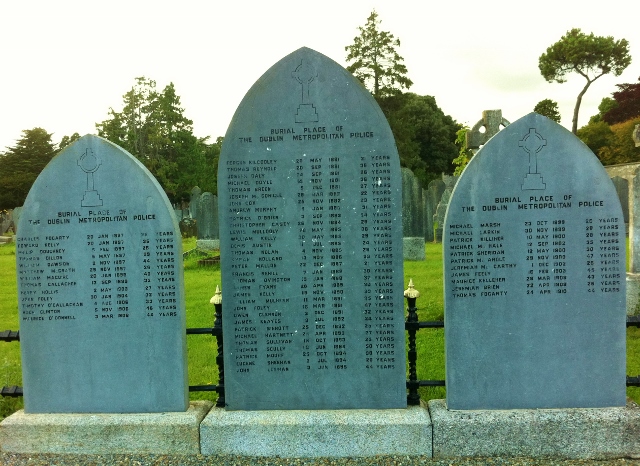
A year ago over one hundred people attended a ceremony at the newly restored graves of a number of RIC members who died during the period from the 1880s and during the War of Independence, before partition when the force was disbanded. The latest burial appears to have been in 1953. Opposite the RIC plot is a separate memorial for members of the Dublin Metropolitan Police from May 1881 up to 1910.

DMP Plot Glasnevin Cemetery Photo: © Michael Fisher

DMP Plot Glasnevin Cemetery Photo: © Michael Fisher

The service last year attracted a bit of controversy. This year the commemoration took place at Mount Argus Church because the organisers, two retired Gardaí, had been told they did not have the required insurance cover. It’s reported that both plots are still the responsibility of the British Home Office. There are many other interesting graves there including those of Michael Collins and the founder of Sinn Féin Arthur Griffith, to name but two.

Grave of Arthur Griffith TD Photo: © Michael Fisher

Grave of Arthur Griffith TD Photo: © Michael Fisher

Grave of Michael Collins Photo: © Michael Fisher

Grave of Michael Collins Photo: © Michael Fisher

Share this:

  • Share on Facebook (Opens in new window) Facebook
  • Share on X (Opens in new window) X
Like Loading...
MILITARY NEWS POLITICS Arthur GriffithDMPGlasnevin CemeteryMichael CollinsRIC Leave a comment

IRISH METHODISTS

17/09/2013 by borderroamer
John Wesley

John Wesley

Having done a review last night of my 306 posts which have had a very pleasant response of over 20,000 views in total, I discovered I had not yet written anything about County Limerick or twelve other counties in Ireland, including all of Connacht. So I am taking the first opportunity to correct the geographic imbalance since the start of the year, which has tended to favour Ulster. Having written yesterday about the Church of Ireland, I am now returning to the subject of Methodism.

Dr Adam Clarke Memorial Church, Portstewart

Dr Adam Clarke Memorial Church, Portstewart

I was in Bristol in March and visited the ‘New Room‘, the first Methodist building in the world, where John Wesley began preaching. I wrote about one of his Irish followers, the theologian Adam Clarke from County Londonderry, who is commemorated in the Dr Adam Clarke Memorial Church in Portstewart and after whom a nearby road is named.

It happens that my grandmother was baptised in the nearby Agherton Church of Ireland parish church. Her surname was SHIER, and her father who was stationed there at the time in the RIC came from County Limerick. His family was among those who left the Palatinate (Rhineland) in Germany around 1709 and arrived in Ireland during the reign of Queen Anne.

I have yet to visit the Irish Palatine Museum and Heritage Centre at Rathkeale, but I know when I get around to doing so I will be sure to find more information about my forebear Hans. Looking at some of the genealogical sites I believe he was born in 1674, and settled in Court Mattress (Courtmatrix) on the estate of Sir Thomas Southwell. 2nd Baronet Southwell of Castle Mattress (Courtmatrix). Adam died at Courtmatrix on January 4th 1758.

On the Palatine website you will find a list of over 120 surnames (or variants) that include Switzer (as in the former department store in Dublin), Bovenizer, Shouldice, St John and Becker. There is also an excellent article by the Reverend Dudley Levistone Cooney about how the German settlers came to embrace Methodism:-

“Early in 1749 the first Methodist preacher to visit Limerick came to that city attracted by the fact that a detachment of the Black Watch had been moved there from Dublin, and had a number of Methodists among its junior officers.  The preacher was Robert Swindells, and one of those who heard him preach in the open air was Thomas Walsh, a native of Ballylin between Adare and Rathkeale.  Later that year Thomas Williams, another Methodist preacher came to the city.  He was heard by a number of Palatines who had come from the Rathkeale area to attend the Assizes, and whose immediate reaction was ‘This is like the preaching we used to hear in Germany!’  Among them was the Burgomeister and schoolmaster of Ballingrane, Philip Guier.” 

Barbara Heck (Irish Palatine Association)

Barbara Heck (Irish Palatine Association)

Cooney tells us that John Wesley paid his first visit to the Palatines in the course of his sixth Irish tour in 1756, when he visited Ballingrane and the nearby village that he at different times calls either Newmarket or Pallas(kenry). He described those he met as ‘a plain, artless, serious’ people.  In other words they were straightforward and free of deceit.  He subsequently came to the area in the course of thirteen other tours, sometimes including Courtmatrix, Killeheen, Kilfinnane, and on one occasion Adare. On occasion he noted that in their communities there was ‘no cursing or swearing, no Sabbath-breaking, no drunkenness, no alehouse’, and that ‘their diligence turns all their land into a garden’.

John Street Methodist Church New York: Photo: © Kevin Staley-Joyce

John Street Methodist Church New York: Photo: © Kevin Staley-Joyce

There was also a direct connection between the Methodist community in this part of County Limerick and the foundation of the first Methodist congregation in New York. I remember a few years ago visiting the financial district of Manhattan for the first time and coming across a small chapel at John Street near Wall Street.

Philip Embury (Irish Palatine Association)

Philip Embury (Irish Palatine Association)

This was founded in 1766 by the preacher from Ballingrane Philip Embury along with his cousin Barbara Heck. Below the sanctuary, the Wesley Chapel Museum displays many artefacts from 18th and 19thC American Methodist history in the city of New York. These include church record books, the Wesley Clock (a gift of John Wesley, 1769), love feast cups, class meeting circular benches, the original 1785 altar rail, the original 1767 pulpit made by Philip Embury, and his signed Bible. The various Methodist Churches in the United States of America now have a community of over 29 million, according to Cooney.

Share this:

  • Share on Facebook (Opens in new window) Facebook
  • Share on X (Opens in new window) X
Like Loading...
NEWS UNCATEGORISED Adam ClarkeBarbara HeckIrish MethodistsIrish PalatinesJohn WesleyPhilip EmburyPortstewartRathkealeShier 3 Comments

ST ANNE’S CATHEDRAL BELFAST

16/09/2013 by borderroamer
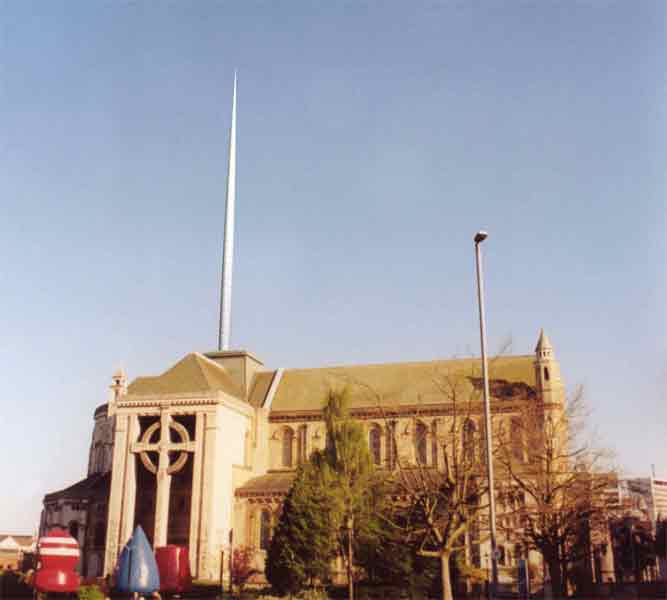
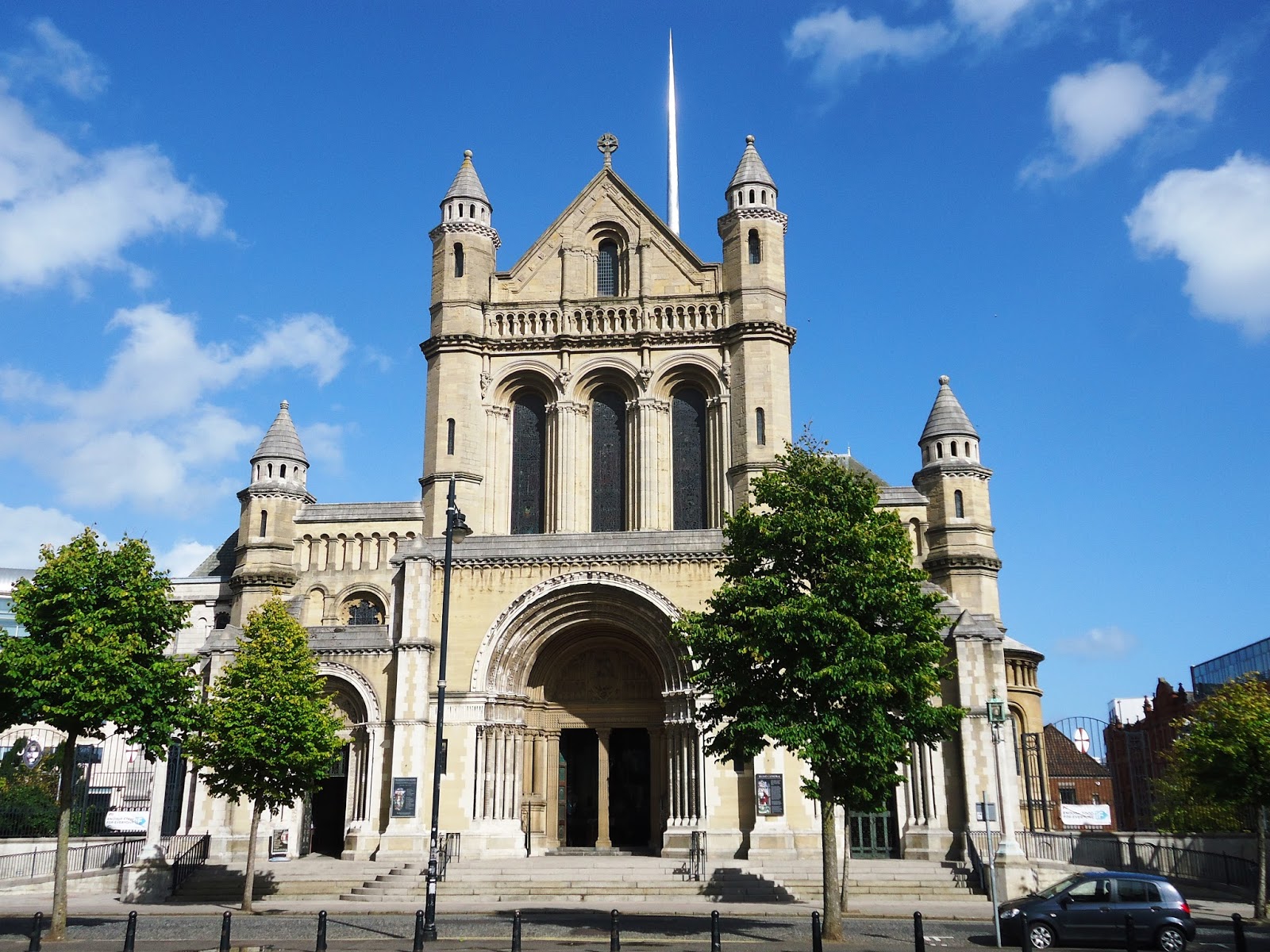
St Anne's Cathedral Belfast Photo: belfastcathedral.org

St Anne’s Cathedral Belfast   Photo: www.belfastcathedral.org

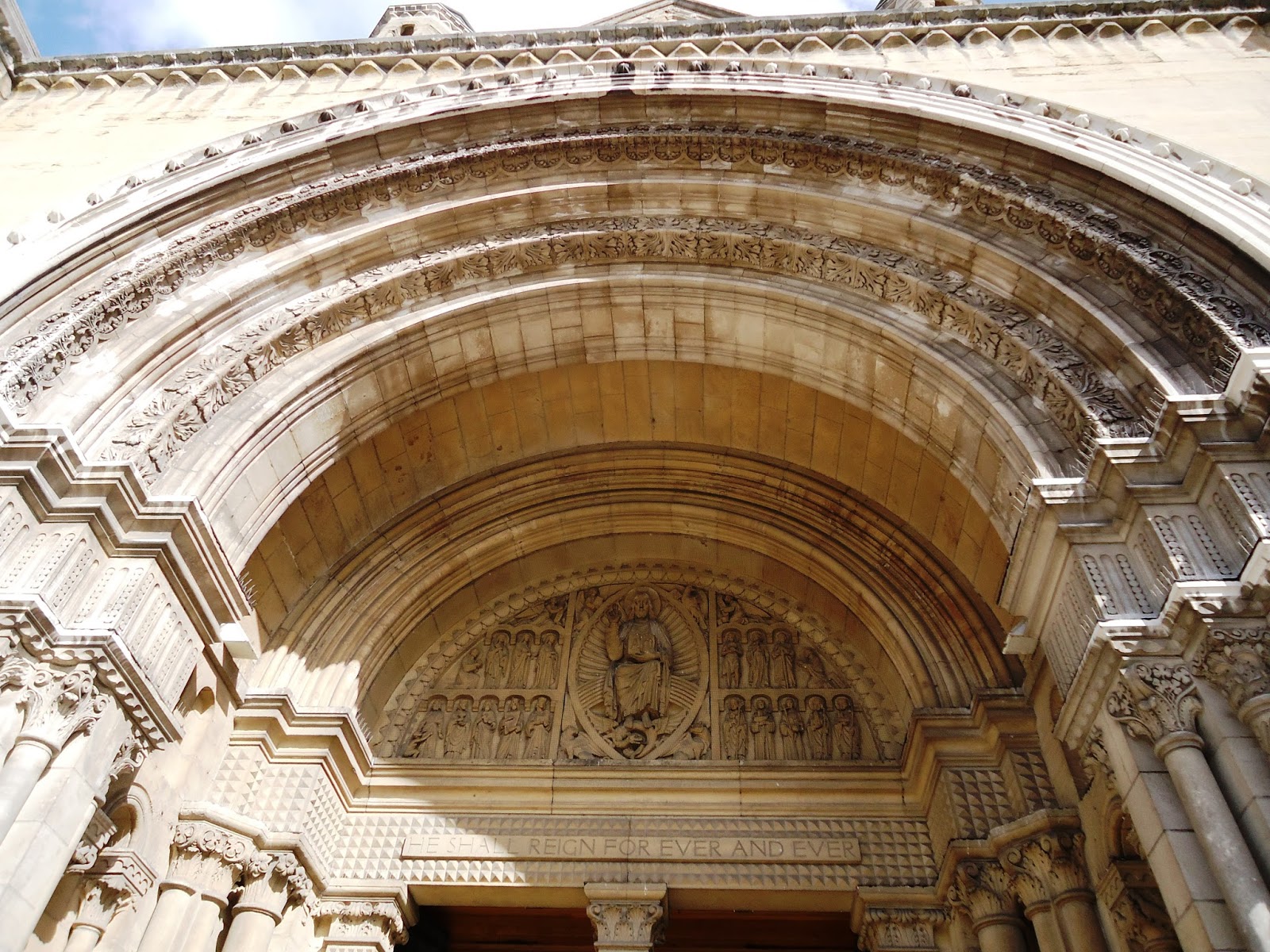
St Anne’s Cathedral in Belfast city centre has an interesting history. Although the foundation stone was laid in September 1899, its unique ‘spire of hope’ was added in April 2007 during the tenure of  Dean Houston McKelvey. Architect William Henry Lynn supervised the building programme at the cathedral from 1910 – 1915. He designed the baptistry in 1915 (the year of his death) and was a worshiping member of the cathedral community. There is a memorial plaque to Lynn on the south wall of the cathedral which states:-

”His art adorns the city and many others throughout the Empire. He aided Sir Thomas Drew in the original design of this cathedral and watched with ceaseless care the erection of the nave. He was a devout Christian and a generous benefactor of the Church. The Great West window was a gift and he made a liberal bequest to the cathedral building fund.”

I am writing about this landmark building because I have just read another very interesting blog by the Reverend Patrick Comerford. He was in Belfast yesterday for the ordination by the Bishop of Connor Alan Abernethy of a new deacon for St John’s Parish on the Malone Road, close to where I live.

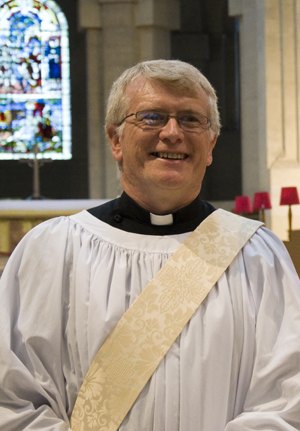
Reverend Rod Smyth

Reverend Rod Smyth Photo: St John’s Malone

Rod is from St Gall’s, Carnalea near Bangor in County Down. He was a chorister in St Anne’s and also a Bass Lay Clerk whilst studying music at Queen’s University. He served as Parish Organist in St Gall’s for some twenty years. For the last 33 years he has worked in education, recently leaving the post of Head of Senior School at Bangor Academy and Sixth Form College. Here is how Patrick Comerford described the occasion and he took the opportunity to get some great photographs:

                    An afternoon filled with light in Saint Anne’s Cathedral, Belfast

Saint Anne’s Cathedral, Belfast: a cathedral for one city and two dioceses                           (Photograph: Patrick Comerford, 2013)

I was in Saint Anne’s Cathedral in Donegall Street, Belfast, yesterday afternoon [Sunday 15 September 2013] for the ordination of the Reverendd Roderick Smyth as deacon to serve in the parish of Saint John the Evangelist, Malone Road. There was a very warm welcome from the Dean of Belfast, the Very Reverend John Mann, and we walked around the tour for some time before the Ordination Service.

Saint Anne’s is an unusual cathedral for it serves two separate dioceses (Connor, and Down and Dromore) which have their own cathedrals (in Lisburn, Downpatrick and Dromore), yet it is the seat of neither bishop, although they both have seats in the chancel. Belfast received its first charter in 1613, but remained a city without a cathedral for centuries.

Bishop Jeremy Taylor’s ‘chair’ in the north ambulatory                                                (Photograph: Patrick Comerford, 2013)

The first proposal for a cathedral in Belfast came from the Dean and Chapter of Connor in 1860. At the time Connor and Down and Dromore were united as dioceses, ever since the saintly Jeremy Taylor was bishop after the Caroline Restoration in the 1660s. So the scheme was not as geographically difficult as it now appears.

After the proposal for a cathedral in Belfast was presented to the Diocesan Council by Bishop Thomas Welland, the project was taken up enthusiastically by Henry Stewart O’Hara when he became Rector of Belfast in 1894.

Sir Thomas Drew (1838-1910) was chosen as architect, and the foundation stone was laid in 1899 by the Countess of Shaftesbury in the presence of the Archbishops of Armagh and Dublin.

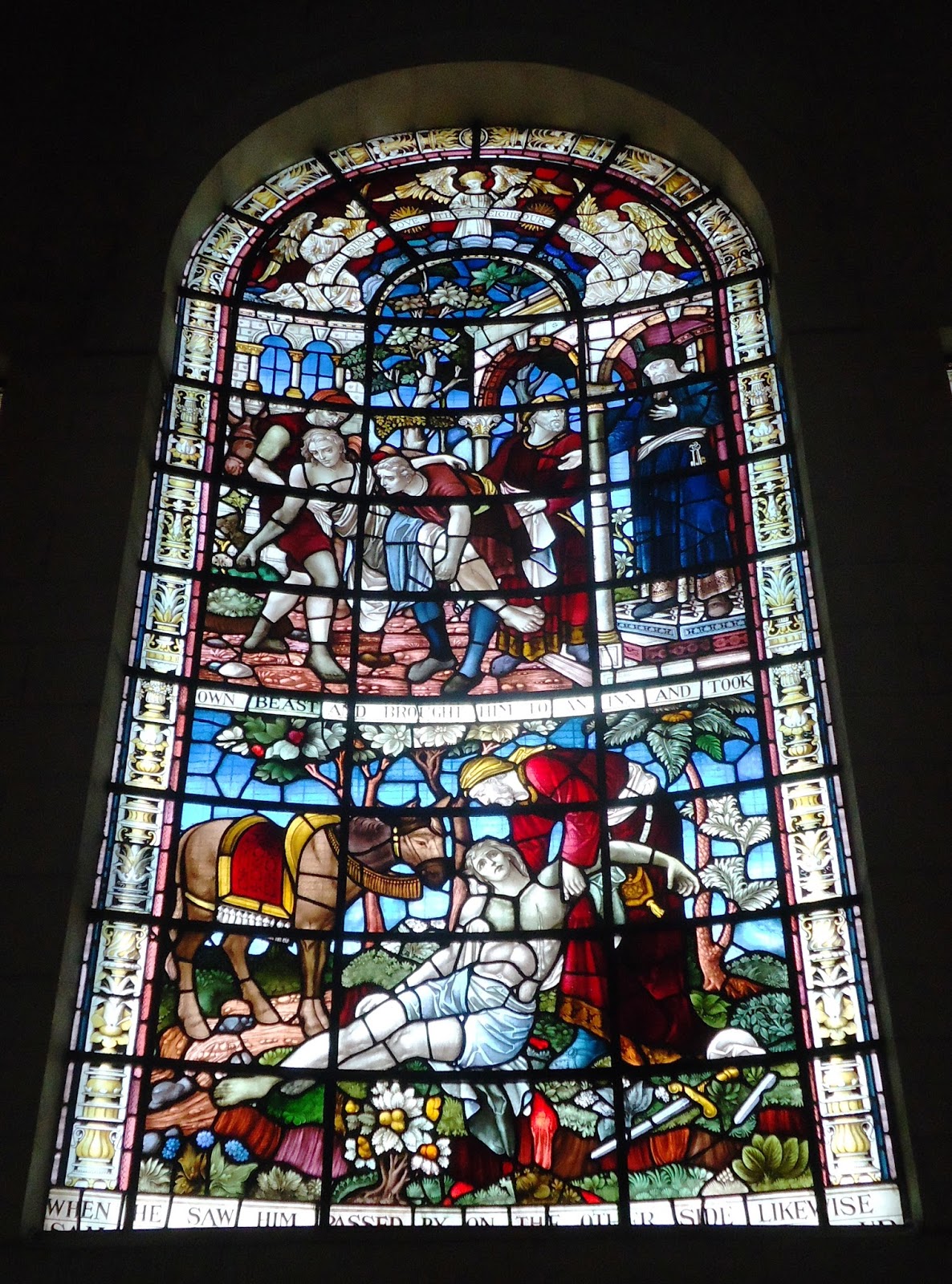
The Good Samaritan window survives from old Saint Anne’s                                           (Photograph: Patrick Comerford, 2013)

The old parish church of Saint Anne continued in use while the new cathedral was being built around it and the old church was not demolished until the end of 1903. Today, the the only remaining feature from the old church is the Good Samaritan window in the sanctuary. The nave of the cathedral was completed in 1904 and was consecrated by Bishop Welland that June.

On the north side of the nave, running from the West Doors to the Choir, the following corbels are set above each column or respond: the Archangel Gabriel, Bishop George Berkeley, Dean Henry Stewart O’Hara, Archbishop William King, Provost George Salmon, Bishop Jeremy Taylor, and the Archangel Michael.

On the south side of the nave, running from the Choir to the West Doors, the figures in the corbels above each column or respond are: the Archangel Raphael, Archbishop James Ussher, Bishop Thomas Percy, Bishop William Bedell, Archbishop William Alexander, Cecil Frances Alexander and the Archangel Uriel.

The West Front of the cathedral was built in the 1920s                                       (Photograph: Patrick Comerford, 2013)

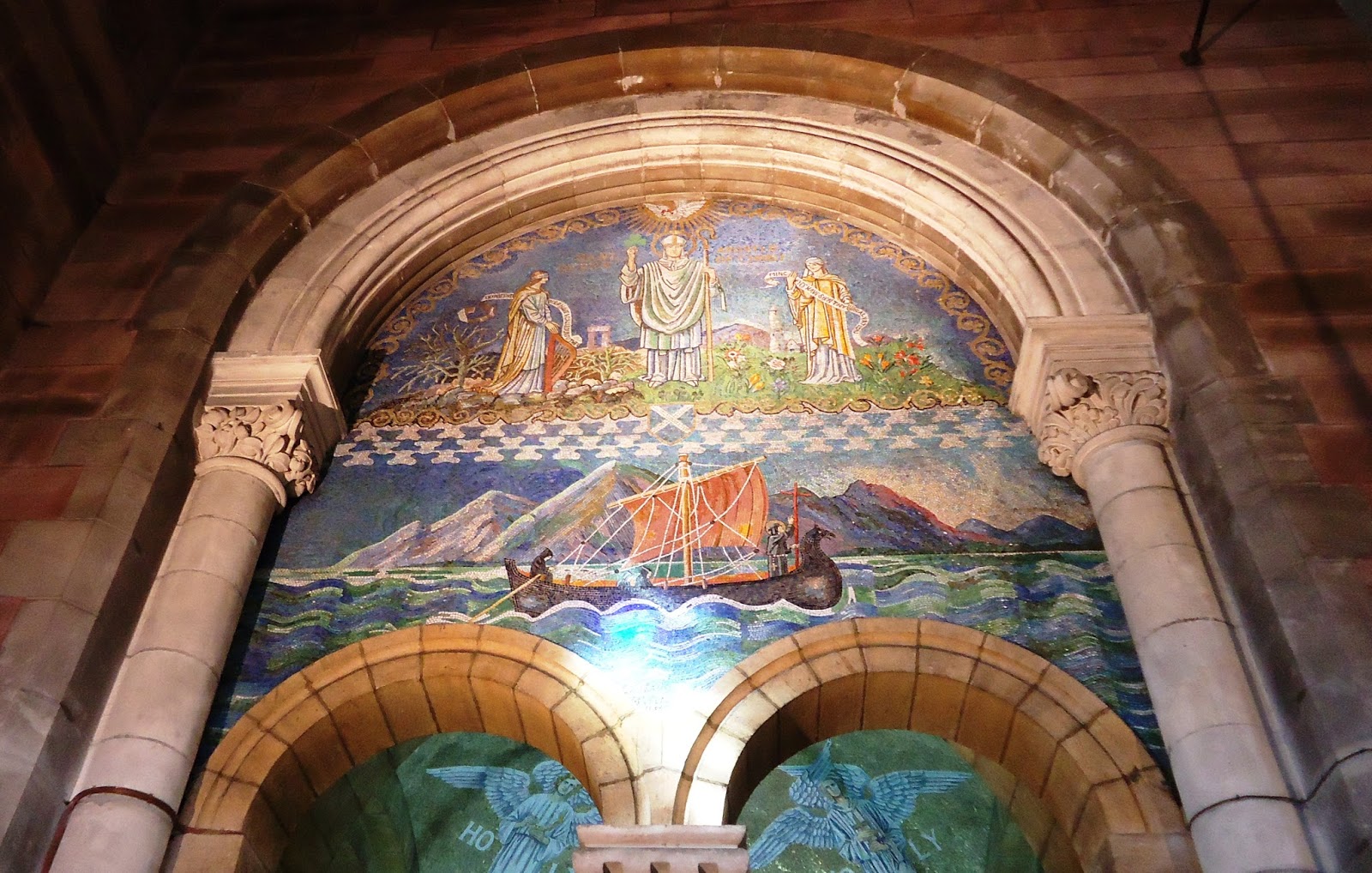
The west front of the cathedral was built in the 1920s as a memorial to the men and women of Ulster who died in World War I. The central crossing was built in the early 1920s. The Baptistery was dedicated in 1928. The Chapel of the Holy Spirit, with mosaics depicting Saint Patrick, was dedicated on 5 July 1932, the 1,500th anniversary of the arrival of Saint Patrick in Ireland.

  Mosaics depicting Saint Patrick’s missionary journey to Ireland                                               (Photograph: Patrick Comerford, 2013)

The only tomb in the cathedral is that of the Unionist leader Edward Carson, who was given a state funeral in 1935 and buried in the south aisle.

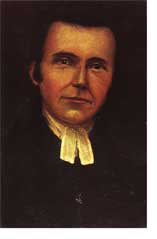
The ambulatory, at the east end of the cathedral, was built in the 1950s. When Bishop Jeremy Taylor’s old church at Lower Ballinderry was restored some years ago, portions of its ancient oak furniture were made into a chair. The chair is now placed beneath his portrait on the north side of the ambulatory, providing a link with the great Bishop of Down and Connor and Dromore who is commemorated in the corbel above the Pillar of Music on the north side of the nave.

Work on the north and south transepts began in the 1960s. The south transept, with the Chapel of Unity and the organ loft, was dedicated in 1974; the north transept, with the Chapel of the Royal Irish Rifles, was completed in 1981. A 40-metre stainless steel spire, the “Spire of Hope,” was installed on top of the cathedral in 2007.

Belfast Cathedral is probably best known for the “Black Santa” sit-outs at Christmas, first organised over 30 years ago by Dean Samuel Crooks. The tradition has been continued by successive deans, including the present dean, the Very Revd John Mann, and the chapter members.

During coffee in the side aisles after the ordination service, Dean Mann pointed out a number of features in the cathedral that I had missed earlier in the afternoon. By then, the sun was lowering in the west, and its rays were shining brightly through the West Door, filling this modern cathedral with light.

Light fills Saint Anne’s Cathedral Belfast through the West Door                               (Photograph: Patrick Comerford, 2013)


Share this:

  • Share on Facebook (Opens in new window) Facebook
  • Share on X (Opens in new window) X
Like Loading...
NEWS UNCATEGORISED belfastPatrick ComerfordRod SmythSt Anne's CathedralSt John's Malone Leave a comment

REMEMBERING US SERVICEMEN

15/09/2013 by borderroamer
Lisnabreeny Memorial Photo: © Michael Fisher

Lisnabreeny Memorial Photo: © Michael Fisher

The Mourne granite memorial at the former American military cemetery at Lisnabreeny in Castlereagh has 148 names etched on three sides. As the crowd gathered on Saturday for the dedication of the monument, I noticed a namesake (but not a relation) among them: FISHER, PATRICK A S/Sgt.

Names on Lisnabreeny memorial: Staff Sergeant Patrick A Fisher Photo: © Michael Fisher

Names on Lisnabreeny memorial: Staff Sergeant Patrick A Fisher Photo: © Michael Fisher

I thought of him during the service and afterwards I tried to find out if there was any record of his military service. I found two servicemen of the same name from different states in the USA but both were listed as Privates when they joined in 1942. The older one was from Pennsylvania and would have been around 31 when he enlisted in 1942. In civvy life his occupation was described as “express messenger and railway mail clerk(s)”. I would welcome any further information either via the comments below or by contacting me on twitter @fishbelfast.

Ceremony at Lisnabreeny Photo: © Michael Fisher

Ceremony at Lisnabreeny Photo: © Michael Fisher

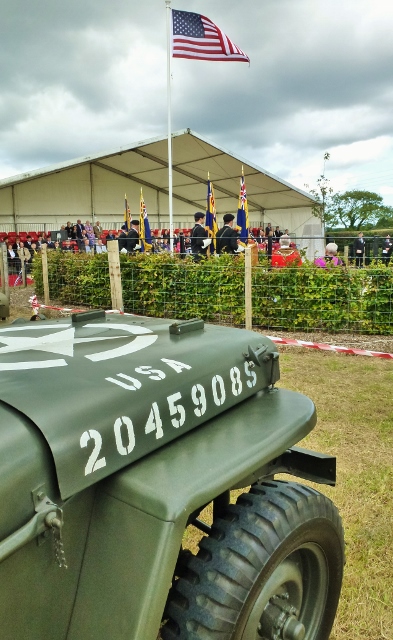
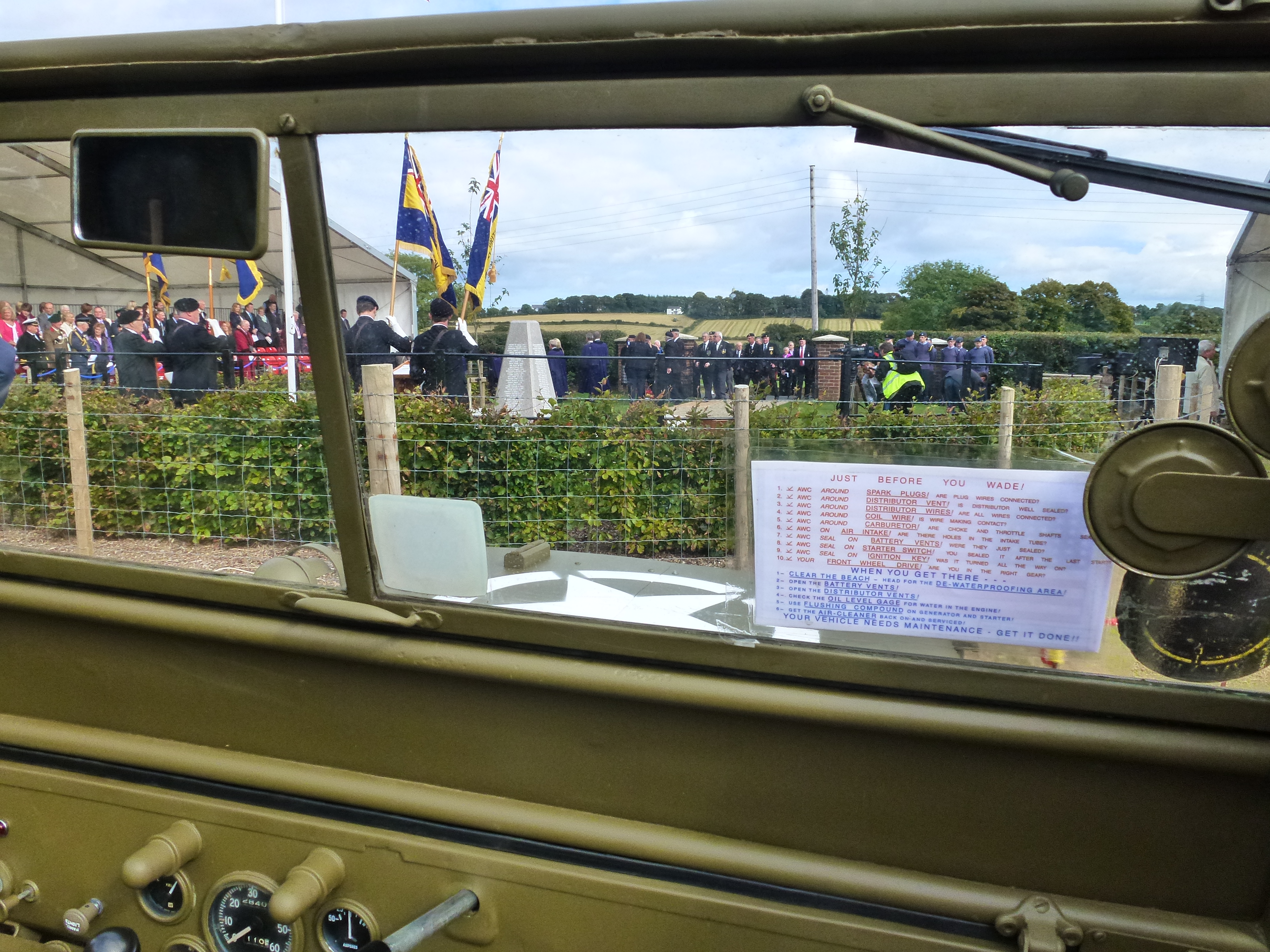
The ceremony was organised by Castlereagh Borough Council, which also reinstated the entrance to the former US military cemetery and provided the monument. It began with a formal parade from Lagan College, headed by the Mayor Councillor David Drysdale, who was driven in a former US Army jeep of the type used in World War II. The pipes and drums of 152 (Ulster) Transport Regiment, Royal Logistics Corps, followed with the other members of the Council, the Air Training Corps Cadets and members of local branches of the Royal British Legion.

WWII US Army Jeep in Castlereagh Photo: © Michael Fisher

WWII US Army Jeep in Castlereagh Photo: © Michael Fisher

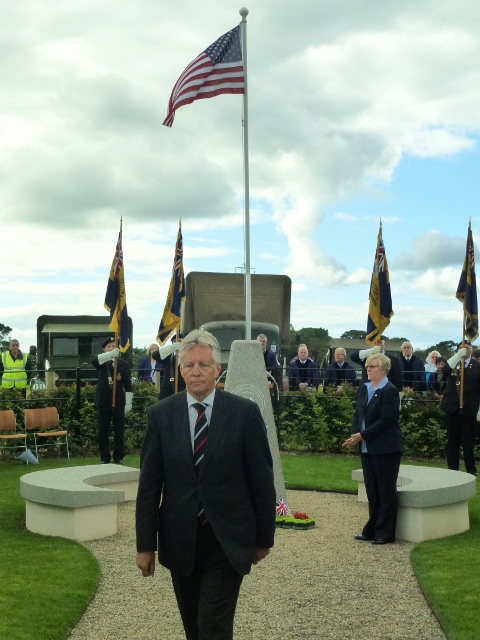
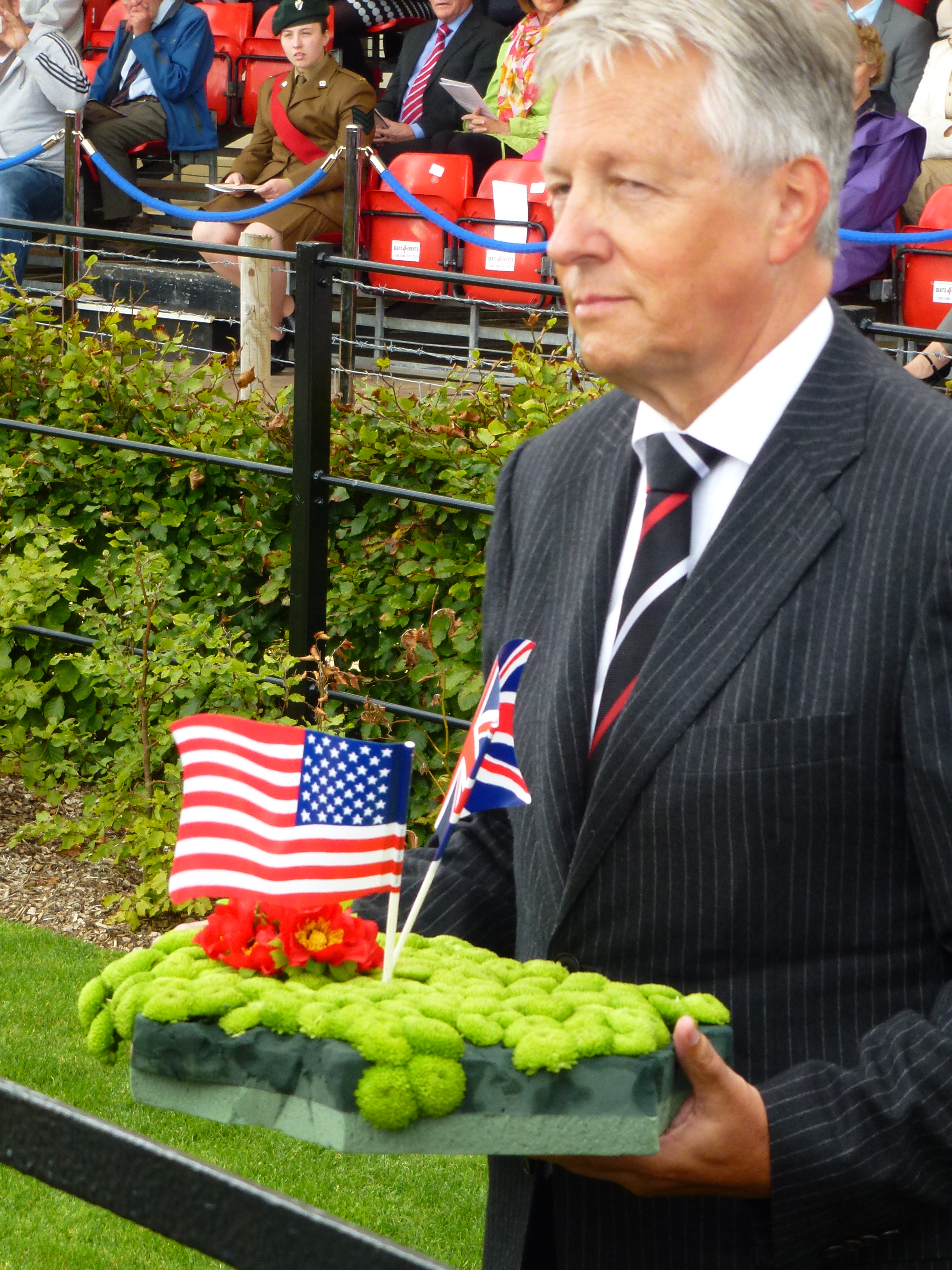
The guests included the Lord Lieutenant of County Down, David Lindsay, the Acting US Consul General Gabrielle Moseley and the First Minister and DUP leader Peter Robinson. Wreaths were laid at the memorial at the end of the dedication service.

NI First Minister Peter Robinson lays a wreath at Lisnabreeny Photo:© Michael Fisher

NI First Minister Peter Robinson lays a wreath at Lisnabreeny Photo:© Michael Fisher

Councillor Drysdale explained the Council’s involvement with the site at the start of the ceremony.  He said:-

“Over the last few years, the Council has been involved in an extensive restoration project to reinstate the original entrance to the former Lisnabreeny American Military Cemetery and create a lasting commemoration to the American servicemen who lost their lives in the Second World War.  A dedicated monument has been erected as part of the project, which will provide an opportunity for the people of Castlereagh to visit the site for generations to come and learn more about these brave servicemen who made the ultimate sacrifice for our freedom today”.  

View of ceremony from jeep Photo: © Michael Fisher

View of ceremony from jeep Photo: © Michael Fisher

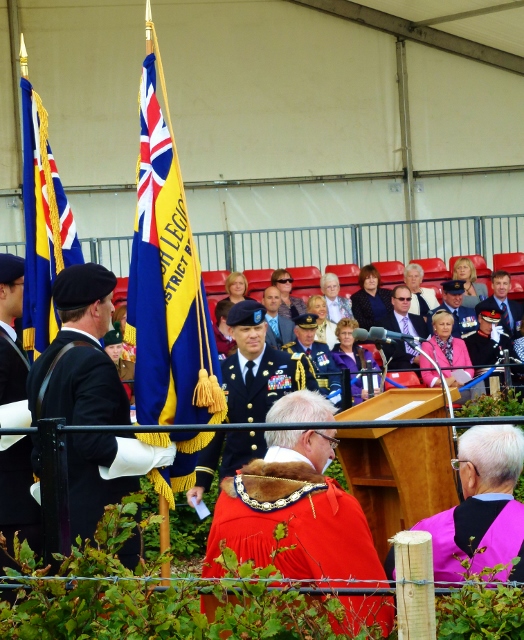
The service of dedication of the memorial was led by the Mayor’s chaplain, Pastor George Moffett. Lieutenant Colonel Travis Phillips, Assistant Army Attaché at the US Embassy in London expressed thanks to the Council for acknowledging the legacy of US military personnel who had paid the ultimate sacrifice in the Allied war effort. He said the recent restoration of the former cemetery underpinned the shared history and special ties of kinship between Northern Ireland and the USA. After an American Serviceman’s Medley sung by Donaghadee Male Voice Choir, Lt Col Phillips read the poem ‘His Rest is Won’.

Lt Col Travis Phillips US Army (centre) Photo: © Michael Fisher

Lt Col Travis Phillips US Army (centre) Photo: © Michael Fisher

After the wreath laying ceremony, the Mayor’s Chaplain led the Act of Remembrance, which was followed by a two minutes silence. “They shall grow not old, as we that are left grow old; Age shall not weary them, nor the years condemn. At the going down of the sun, and in the morning, We will remember them”. “When you go home, tell them of us and say, for your tomorrow, we gave our today“.

The ceremony concluded with the singing of the British and US national anthems.

Star Spangled Banner

Oh, say can you see by the dawn’s early light
What so proudly we hailed at the twilight’s last gleaming?
Whose broad stripes and bright stars through the perilous fight,
O’er the ramparts we watched were so gallantly streaming?
And the rocket’s red glare, the bombs bursting in air,
Gave proof through the night that our flag was still there.
Oh, say does that star-spangled banner yet wave
O’er the land of the free and the home of the brave?

Air Vice Marshall, David Niven of the Royal Air Force added:-

“I am proud to be asked to place a wreath, on behalf of all three Services, at this dedication ceremony.  We are, in mid-September, commemorating the service and sacrifice of our servicemen during the Battle of Britain, a battle which prevented the invasion of the United Kingdom. We are also remembering, at the Service of Dedication of this cemetery, the sacrifice of our American Allies who served and died, here, in Northern Ireland. They came from the United States to fight alongside us, in our hour of need, when the rest of Europe had been over-run by the Nazi war machine.  The sacrifice of our American Allies, commemorated in granite, and standing proud in the rolling Castlereagh hills, shall never be forgotten.”

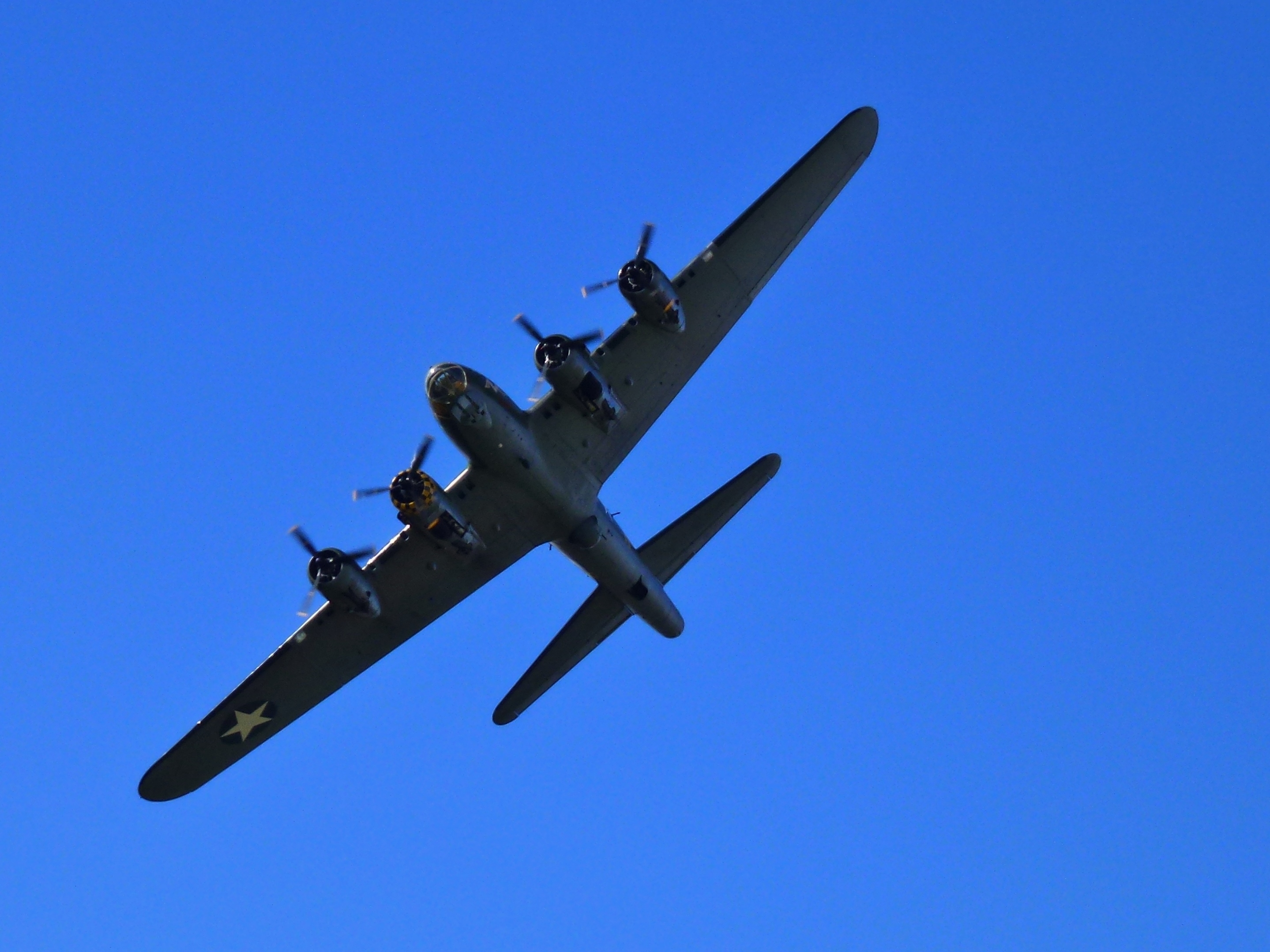
A spectacular end to the ceremony was provided by a restored B-17 Flying Fortress bomber Sally B, which made a number of low level flypasts en route to the Flightfest in Dublin the following day.

Restored entrance to former US Military Cemetery Photo: © MIchael Fisher

Restored entrance to former US Military Cemetery Photo: © MIchael Fisher

On  26th January 1942 the first American troops arrived at the Dufferin Dock  in Belfast as the first phase of Operation MAGNET, the defence of  Northern Ireland, As agreed between President Roosevelt and Prime  Minister Winston Churchill during a meeting in Washington DC in December 1941. Over the next three years there were seldom less than 120,000 US  servicemen in NI at any one time. A  US Special Army Observer Group had been acting as an American Military  mission in London since 1941. This group approached the war office in  London on 9 December 1941 to obtain burial grounds for American forces  in the United Kingdom.

Two plots were initially set aside for emergency  burials in Northern Ireland, one in Derry and the other in  Belfast. The Belfast plot, located within the City Cemetery, and  extending to one sixth of an acre was chosen. The  first American servicemen to die in Northern Ireland were 3 members of  the US Navy who lost their lives in an accident at the American Naval  Base in Londonderry. The first burial in the Belfast City Cemetery plot took  place on 12th March 1942. From then until October 1942 a total of  41 American servicemen were interred there. At that  stage the plot had reached capacity and it was decided to ship deceased personnel across to England for interment until an alternative  could  be found.

Burial at Lisnabreeny 6th May 1944 of Pte Steve Fellin 56th Field Artillery Bn, 8th Infy Division

Burial at Lisnabreeny 6th May 1944 of Pte Steve Fellin 56th Field Artillery Bn, 8th Infy Division

On  2nd December 1943 a ten and a half acre plot of land at Rocky Road was  officially opened as the (link to photo chimneyrockb26crash.com) Lisnabreeny American Military Cemetery. It  was decided to re-locate all deceased personnel to this new site, and  between 23rd May 1944 and 1st June 1944 all of the 41 bodies previously  interred in the City Cemetery were exhumed and re-interred at  Lisnabreeny. By the end of the war a total of 148 American servicemen  were buried in Lisnabreeny, the majority being Army Air Force but also including US Army and US Navy personnel

The  Cemetery was accessed via a red brick entrance with iron gates on the  Rocky Road. A white gravel driveway, lined with cherry trees, led to a  flagstaff where the Stars and Stripes was hoisted daily. The graves were  laid out in rows with 25 to each row, and each grave had a simple white  marker, either a Cross or a Star of David, depending on religious  denomination, bearing name, rank, unit and date of death.

The Cemetery  was looked after by 5 US Army personnel with a minimum of 2 on duty at  any one time. A Nissan type hut was located on site and provided storage  and office space for maintenance equipment and Cemetery records. The  Cemetery was maintained to a very high standard with grass regularly  mown, trees and shrubs clipped and pruned, and the stone paths borders  whitewashed weekly. Following  the end of the war, the Cemetery continued to be maintained right up to 1948 when all deceased were exhumed, and either transferred to the  permanent American War Cemetery in Cambridge, or repatriated to the  United States, at the request of their families. At that point the  cemetery was deactivated. Some more information on the cemetery can be found on this American source:

“Graves registration activities of the Quartermaster Corps in the European Theatre (of WWII) began in December 1941, when the United States asked the British War Office about burial facilities for our military personnel expected to arrive in 1942 in Northern Ireland, where they would aid the British in their defence of that part of Ireland. Sadly, as was expected, American lives were lost after the men arrived. These burials had been in swampy ground in local cemeteries, but the U.S. Army negotiated with the British and secured a plot of land at Lisnabreeny, a suburb of Belfast, where the Americans were reinterred“.

From “A Salute to Patriotism: The Life and Work of Major General Howard L. Peckham”, who worked for the American Graves Registration Command in Paris, quoted by his daughter, Jean Peckham Kavale in A Personal Look at U.S. Army History.

Share this:

  • Share on Facebook (Opens in new window) Facebook
  • Share on X (Opens in new window) X
Like Loading...
MILITARY NEWS POLITICS B-17 Sally BCastlereagh Borough CouncilDonaghadee Male Voice ChoirLisnabreenyPeter RobinsonUS ArmyUS Military CemeteryUS NavyUSAAFWWII 1 Comment

FLYING FORTRESS B-17 SALLY B

14/09/2013 by borderroamer
Boeing B-17 Flying Fortress Bomber 'Sally B' above Belfast Photo: © Michael Fisher

Boeing B-17 Flying Fortress Bomber ‘Sally B’ above Belfast Photo: © Michael Fisher

After yesterday’s article about the Star Spangled Banner, it is appropriate to continue the American theme. This afternoon in the sky above Belfast you could hear and then see a reminder of the United States role in World War II.

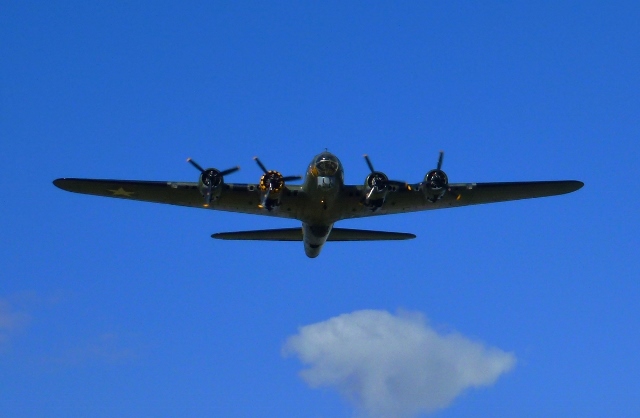
Boeing B-17 Flying Fortress Bomber 'Sally B' above Belfast Photo: © Michael Fisher

Boeing B-17 Flying Fortress Bomber ‘Sally B’ above Belfast Photo: © Michael Fisher

A restored Boeing B-17 Flying Fortress bomber of the type used by the US Air Force in raids on Germany performed a number of flypasts to coincide with the end of a ceremony at the former American military cemetery at Lisnabreeny in the Castlereagh hills, close to Lagan College.

NI First Minister Peter Robinson lays a wreath at the Lisnabreeny memorial Photo: © Michael Fisher

NI First Minister Peter Robinson at the Lisnabreeny memorial Photo: © Michael Fisher

I will write more about the remembrance service tomorrow. It was attended by Northern Ireland’s First Minister Peter Robinson MLA. He laid a wreath at the memorial that carries the names of 148 US Army Air Force, US Army and US Navy servicemen who died in Northern Ireland while in training for deployment to the battlefield. This field had served as an American military cemetery until 1948, when the remains of those interred were repatriated.
WWII US jeep at the ceremony at Lisnabreeny Photo: © Michael Fisher

WWII US jeep at the ceremony at Lisnabreeny Photo: © Michael Fisher

The Flying Fortress is the last remaining airworthy B-17 in Europe and is based at Duxford in England. It takes part regularly in air shows, commemorative events and memorial flypasts such as today in Belfast. The plane passed over low a couple of times and then headed southwards towards Dublin. It landed at the Irish Army Air Corps base at Casement Aerodrome, Baldonnel and tomorrow it will take part in the Flightfest display over the River Liffey around 3:45pm. To make a donation to help keep the B-17 flying please click here.

Birds of a feather... Photo: © Michael Fisher

Birds of a feather… Photo: © Michael Fisher

The B-17 was critical to the USAAF daylight precision bombing campaign and was armed with 13 machine guns, hence the name “Flying Fortress”. Flying in formation, the bombers battled through German defences in daylight raids, suffering heavy casualties until the addition of long-range escort fighters, the P-47 Thunderbolt and P-51 Mustang, and the introduction of the 25-mission limit.

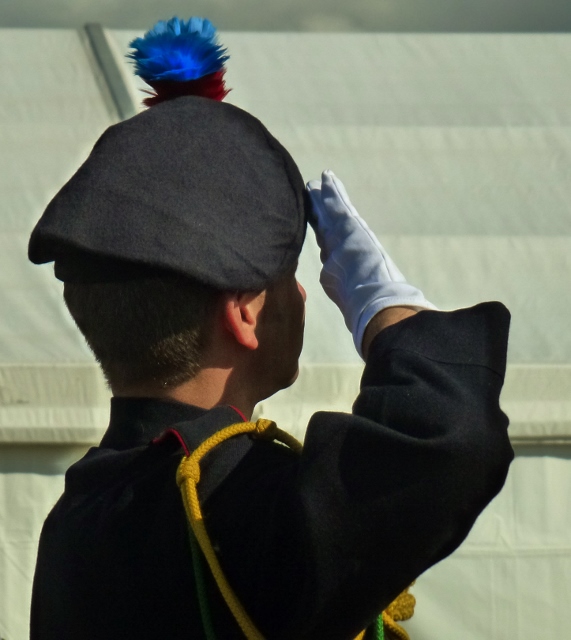
Salute by a member of 152 (Ulster) Transport Regiment Band RLC  Photo: © Michael Fisher

Salute by member of 152 (Ulster) Transport Regt Band RLC Photo: © Michael Fisher

Share this:

  • Share on Facebook (Opens in new window) Facebook
  • Share on X (Opens in new window) X
Like Loading...
MILITARY NEWS B-17 Sally BCastlereaghFlightfestFlying FortressLisnabreenyUS ArmyUS NavyUSAAF 3 Comments

STAR SPANGLED BANNER

13/09/2013 by borderroamer
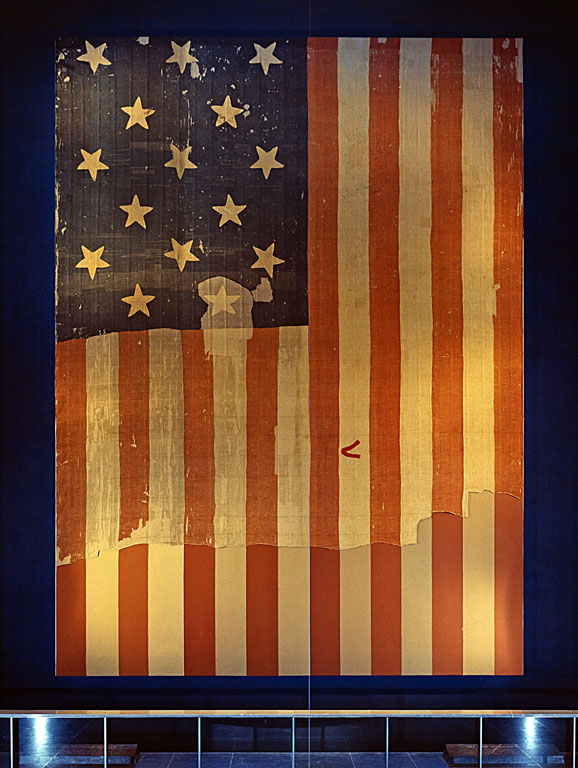
Stars and Stripes Photo: Smithsonian/NMAH

Stars and Stripes Photo: Smithsonian/NMAH

This is the original stars and stripes flag of the United States. You can see it on display at the Smithsonian Institution in Washington DC. It has an interesting history. 200 years ago  in July 1813, during a war between the Americans and the British, Mary Pickersgill, a hardworking widow known as one of the best flag makers in Baltimore, Maryland, received a rush order from American Major George Armistead. He had just taken over as commander of Fort McHenry and wanted an enormous banner, 30 by 42 feet, to be flown over the federal garrison guarding the entrance to Baltimore’s waterfront. I remember visiting Baltimore a few years ago and hearing the story of the star-shaped defensive fort, similar to those built by the British in Ireland such as Charles Fort in Kinsale, County Cork.

The United States had declared war in June 1812 to settle its disputed northern and western borders. During the summer of 1813, the enemies were trading blows across the Canadian border. Then British war vessels appeared in Chesapeake Bay, menacing shipping, destroying local batteries and burning buildings up and down the estuary. As Baltimore prepared for war, Armistead ordered his big new flag, one that the British would be able to see from miles away. It would signal that the fort was occupied and prepared to defend the harbour.

Tall Ship in Baltimore Harbour Photo:  © Adrian Jones Integration and Application Network, University of Maryland Centre for Environmental Science

Tall Ship Baltimore Harbour © Adrian Jones IAN, Uny of Maryland Centre for Environmental Science

With her 13 year-old daughter Caroline and others,  Pickersgill took more than 300 yards of English worsted wool bunting to the floor of Claggett’s brewery, the only space in her East Baltimore neighborhood large enough to accommodate the project, and set to work measuring, snipping and fitting. A rectangle of deep blue, about 16 by 21 feet, formed the flag’s upper left quarter. Sitting on the brewery floor, she stitched a number of five-pointed stars into it. Each one, fashioned from white cotton, was almost two feet across. Then she turned the flag over and snipped out blue material from the backs of the stars, tightly binding the edges; this made the stars visible from either side. (Smithsonian)

In August 1814, General Robert Ross and his seasoned troops landed near the nation’s capital. On August 24th at Bladensburg, Maryland, about 30 miles from Washington, his five-thousand-member British force defeated an American army twice its size. That same night, British troops entered Washington and set fire to the United States Capitol, the President’s Mansion, and other public buildings. With Washington in ruins, the British set their sights once again on Baltimore,  then America’s third-largest city. On the morning of September 12th, General Ross’s troops landed at North Point, Maryland, and progressed towards the city. They soon encountered the American forward line, part of an extensive network of defences established around Baltimore in anticipation of the British assault.

During the skirmish with American troops, General Ross was killed by a sharpshooter. Surprised by the strength of the American defences, British forces camped on the battlefield and waited for nightfall on September 13th, planning to attempt another attack under cover of darkness. Meanwhile, Britain’s naval force was poised to strike Fort McHenry and enter Baltimore Harbor.  At 6:30am on September 13th 1814, Admiral Cochrane’s ships began a 25-hour bombardment of the fort with Congreve rockets and mortar shells. After an initial exchange of fire, the British fleet withdrew to just beyond the range of Fort McHenry’s cannons and continued to bombard the American redoubts for the next 25 hours. Although up to 1,800 cannonballs were discharged at the fort, damage was light owing to recent fortification work.

At 7:30am on the morning of September 14th, Admiral Cochrane called an end to the bombardment and the British fleet withdrew. The successful defence of Baltimore marked a turning point in the War of 1812. Three months later on December 24th  1814, the Treaty of Ghent formally ended the war.

The attack on Baltimore also provided the inspiration for the American national anthem. Prior to the battle, Francis Scott Key, a Georgetown lawyer, had been negotiating for the release of an American prisoner, Dr Beanes. Boarding a British ship, Key dined with General Ross and other officers. Ross agreed to release Dr Beanes. Owing to the imminence of the British attack on Baltimore, Key was not permitted to return ashore and witnessed the massive bombardment unleashed by the Royal Navy on Fort McHenry.

The sight of the Stars and Stripes (or was it the smaller storm flag?) flying from the ramparts of Fort McHenry when the bombardment ceased is said to have inspired him to pen the lyrics of the Star Spangled Banner. These details came from the website ‘The Man who captured Washington‘ and I am grateful to John McCavitt in Belfast (@john_mccavitt) for drawing this anniversary to my attention on twitter.

Tomb of Major General Robert Ross in Halifax Photo: ©  courtesy of Don Sucha, Calgary

Tomb of Major General Robert Ross in Old Burying Ground Halifax Photo: © courtesy of Don Sucha, Calgary

Since writing that last paragraph, my contact who introduced me to Baltimore reminds me that the corpse of Major General Ross who was killed in the Battle of Baltimore was pickled in 129 gallons of Jamaican rum. Although it was due to be returned to Ireland it was transported to Halifax in Nova Scotia, where it rests in the Anglican cemetery (see Don Sucha’s article on the Old Burying Ground).

Major General Robert Ross Photo: Wikimedia Commons

Major General Robert Ross Photo: Wikimedia Commons

A weekend conference is being held in Rostrevor on October 18th-20th focusing on the life and career of Major General Ross of Rostrevor, with BBC veteran Peter Snow as a key speaker. The Ross conference which is free is supported by Newry and Mourne District Council, the Ulster Scots Agency and PEACE III Southern Partnership under the ‘Future Foundations’  programme delivered by Armagh City and District Council. There is an obelisk in memory of Ross in Rostrevor.

General Ross Obelisk Rostrevor Photo: www.carlingfordandmourne.com

General Ross Obelisk Rostrevor Photo: http://www.carlingfordandmourne.com


Share this:

  • Share on Facebook (Opens in new window) Facebook
  • Share on X (Opens in new window) X
Like Loading...
MILITARY NEWS TRAVEL BaltimoreFrancis Scott KeyJohn McCavittRobert RossRostrevorSmithsonianStar Spangled BannerStars and StripesWar of 1812Washington Leave a comment

DEALING WITH THE PAST

12/09/2013 by borderroamer
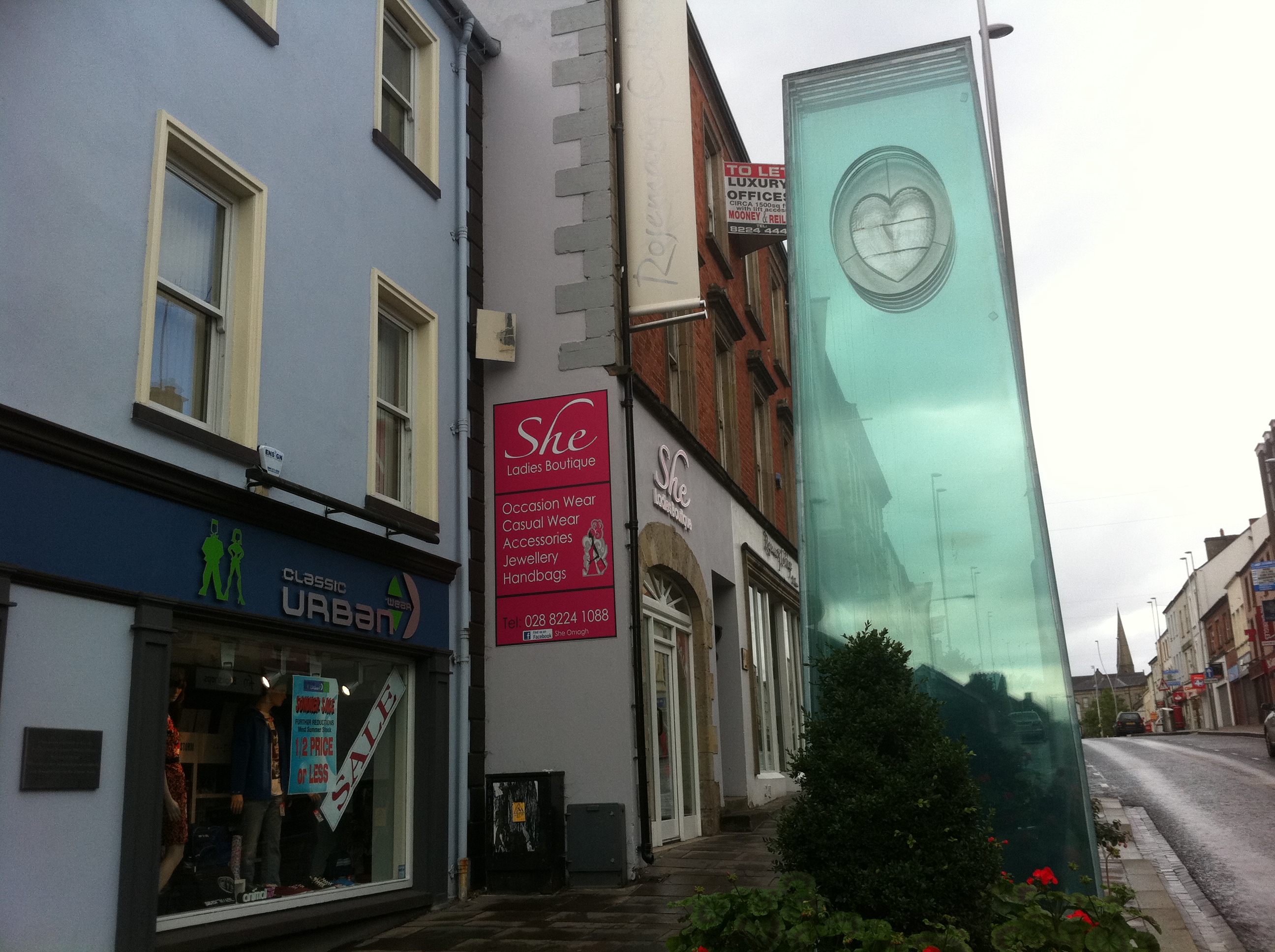
Market St Omagh: site of car bomb Photo: © Michael Fisher

Market St Omagh: site of car bomb Photo: © Michael Fisher

Recently I wrote about the commemoration of the Ballygawley Bus Bomb 25 years ago in which eight British soldiers were killed. I heard two women who were eye witnesses travelling in a coach following behind the bus with the young squaddies tell their story about what it was like that night at the scene, which they were visiting again for the first time since that awful night in August 1988. Painful memories came back to them during the couple of minutes they spent answering a question from a local journalist. It was just one example of how we have still to deal with the grief and trauma in the wake of the ‘troubles’.

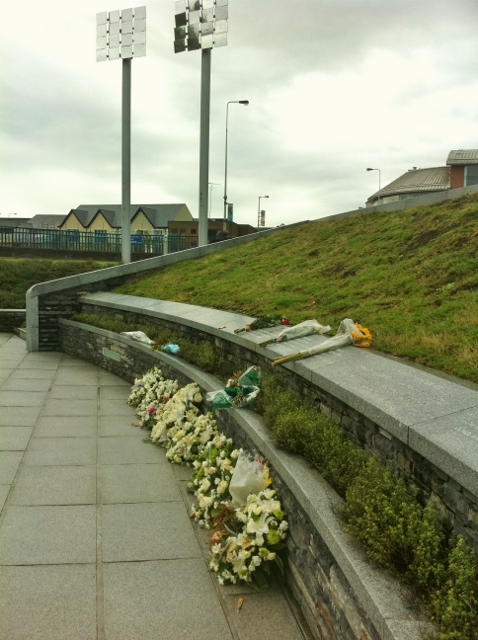
Omagh Bomb Memorial Garden Photo: © Michael Fisher

Omagh Bomb Memorial Garden Photo: © Michael Fisher

Before the ceremony near Ballygawley on the main A5 road, I travelled to Omagh and visited the memorial garden where flowers had been left to mark the fifteenth anniversary of the Real IRA bomb. An opportunity to reflect on how a group of relatives of those who died is still trying to seek justice.

Plaque at site of car bomb, Market Street, Omagh Photo: © Michael Fisher

Plaque at site of car bomb, Market Street, Omagh Photo: © Michael Fisher

This morning they received the news that the Secretary of State for Northern Ireland Theresa Villiers MP had decided the British government would not be holding a public enquiry into the bombing. The attack on August 15th 1998 was the worst single atrocity of the ‘troubles’. 29 people dead, including a woman pregnant with twins. Ms Villiers said it was not an easy decision to make and all views had been carefully considered.

Michael Gallagher, whose son Aiden (21) was among the victims, condemned the decision, describing the reasons given by Ms Villiers for ruling out a public inquiry as “trivial”. Members of the Omagh Support and Self Help Group are seeking a judicial review. But another group of relatives Families Moving On including Kevin Skelton whose wife Philomena (39) was killed in the bomb believes a public enquiry will not achieve anything.  amnesty

All this has emerged on the same day that Amnesty International produced a report on Northern Ireland and dealing with the past. The 78-page investigation  ‘Time to Deal with the Past‘ finds that victims and their families have been failed by successive attempts to investigate abuses.  It says that without the political will on all sides to acknowledge and confront past abuses, the lessons of history will go unheeded and the pain caused by Northern Ireland’s past will continue to cast a long shadow over its future.

Share this:

  • Share on Facebook (Opens in new window) Facebook
  • Share on X (Opens in new window) X
Like Loading...
NEWS POLITICS Amnesty InternationalKevin SkeltonMichael GallagherOmagh bombOmagh Support GroupTheresa Villers Leave a comment

Post navigation

← Older posts
Newer posts →

Recent Posts

  • DESMOND FISHER 1920-2014 30/12/2020
  • GAJ AWARDS 2020 24/12/2020
  • COVID-19 REPORTING AWARD 20/12/2020
  • HAPPY 100TH BIRTHDAY 31/03/2020
  • NUJ VOTING REMINDER 26/01/2020
  • WORLD PRESS FREEDOM 20/01/2020
  • REMINDER TO VOTE 18/01/2020
  • BOND, WE’VE BEEN EXPECTING YOU! 17/01/2020
  • NUJ MEMBERS IN IRELAND 09/01/2020
  • NUJ BLAST FROM THE PAST 08/01/2020

Archives

  • Dec 2020 (3)
  • Mar 2020 (1)
  • Jan 2020 (13)
  • Oct 2019 (10)
  • Sep 2019 (30)
  • Aug 2019 (31)
  • Jun 2019 (2)
  • May 2019 (1)
  • Sep 2018 (1)
  • Jul 2017 (1)
  • Dec 2016 (12)
  • Sep 2016 (2)
  • Aug 2016 (5)
  • Jul 2016 (5)
  • Jun 2016 (10)
  • May 2016 (15)
  • Apr 2016 (19)
  • Mar 2016 (14)
  • Jan 2016 (26)
  • Dec 2015 (2)
  • Aug 2015 (1)
  • Jul 2015 (30)
  • Jun 2015 (30)
  • May 2015 (32)
  • Apr 2015 (30)
  • Mar 2015 (31)
  • Feb 2015 (28)
  • Jan 2015 (31)
  • Dec 2014 (31)
  • Nov 2014 (14)
  • Mar 2014 (2)
  • Feb 2014 (2)
  • Jan 2014 (31)
  • Dec 2013 (19)
  • Nov 2013 (17)
  • Oct 2013 (29)
  • Sep 2013 (30)
  • Aug 2013 (31)
  • Jul 2013 (31)
  • Jun 2013 (30)
  • May 2013 (28)
  • Apr 2013 (32)
  • Mar 2013 (31)
  • Feb 2013 (28)
  • Jan 2013 (31)
  • Dec 2012 (3)
  • Oct 2012 (1)
  • Sep 2012 (1)
  • Aug 2012 (2)
  • Jul 2012 (3)
  • Jun 2012 (3)
  • May 2012 (3)
  • Apr 2012 (5)
  • Mar 2012 (1)
  • Jan 2012 (1)
  • Dec 2011 (1)
  • Nov 2011 (1)
  • Jun 2011 (1)
  • May 2011 (1)
  • Apr 2011 (2)
  • Dec 2010 (1)
  • Nov 2010 (3)
  • Oct 2010 (6)
  • Aug 2010 (1)
  • Jul 2010 (7)

Categories

Meta

  • Create account
  • Log in
  • Entries feed
  • Comments feed
  • WordPress.com

Enter your email address to follow this blog and receive notifications of new posts by email.

36th Ulster Division 2013 WPFG AFC Wimbledon An Bord Pleanála Ballinode Balmoral Show Barry McCall Battle of Somme BBC belfast Belfast Festival Belfast Lions Club Big Music Week Birmingham BOSE Bristol Carlow Carrickmacross Castleblayney Catholic Herald Clogher Clones CMAPC Defence Forces Derry Desmond Fisher Dublin EirGrid Emyvale Fine Gael GAA Geel Glaslough Heather Humphreys TD Iarnród Éireann Ice Hockey Ieper Inniskeen Irish Press Kingsmeadow London Meath Michael Fisher Monaghan Monaghan County Council NEC NEPPC Newbridge North/South Interconnector Northern Standard NUJ Odyssey Arena Patrick Comerford Pope Francis Poperinge Private Robert Hamilton PSNI Royal Irish Fusiliers RTÉ SDLP Shamrock Rovers Shared History Shared Future SIPTU St Macartan's Cathedral Tallaght Tydavnet Tyrone Ulster rugby Vatican II William Carleton William Carleton Society William Carleton summer school WW1 WWI WWII

Blog Stats

  • 243,934 hits
Blog at WordPress.com.
Michael Fisher's News
Blog at WordPress.com.
  • Subscribe Subscribed
    • Michael Fisher's News
    • Join 173 other subscribers.
    • Already have a WordPress.com account? Log in now.
    • Michael Fisher's News
    • Subscribe Subscribed
    • Sign up
    • Log in
    • Report this content
    • View site in Reader
    • Manage subscriptions
    • Collapse this bar
 

Loading Comments...
 

    %d