April 11 1912, Titanic sails from Ireland

See my comments on how a coachload of fifty visitors (including myself) from Co. Monaghan and Tyrone was unable to gain access to Cobh yesterday to visit the heritage centre.

The Silver Voice's avatarA SILVER VOICE FROM IRELAND

On the afternoon of April 11 1912, the Titanic picks up her last 123 passengers at Queenstown County Cork, Ireland. Joining the 2,105 already on board are 113 who will travel in 3rd class, 7 for 2nd class, and 3 as 1st class passengers.

For some on board, this was a great adventure, crossing the Atlantic on board a luxurious new ship. Many may have been excited by the prospect of a new life in the New World, while many more would be feeling great sorrow at leaving loved ones behind, not knowing when or where they will meet again.

And so the RMS Titanic steams out of Cork Harbour for a meeting with destiny no one on board could envisage.

View original post

BLARNEY STONE

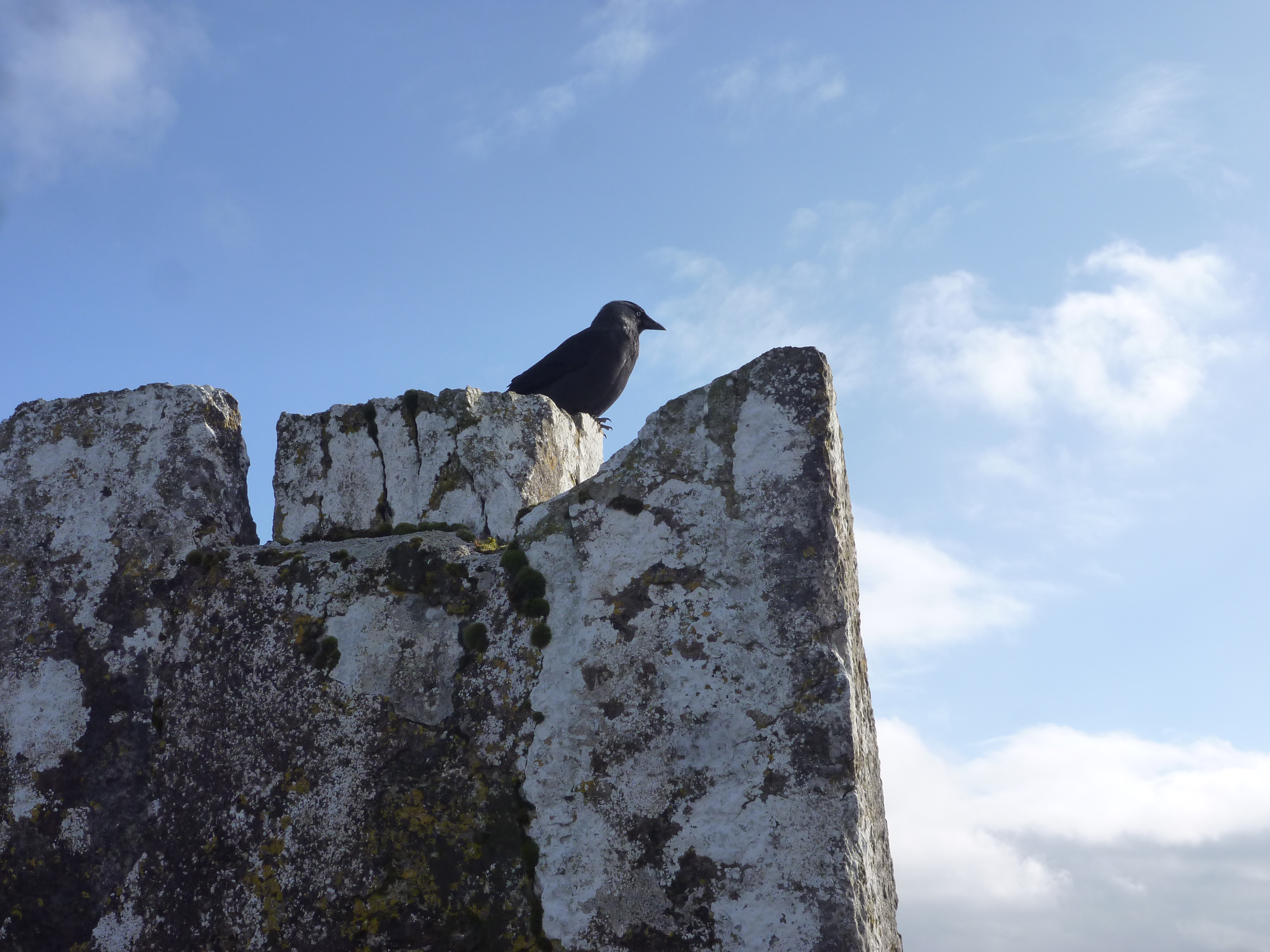
P1100818Many years ago when I was a child on holidays I remember my father bringing us to Blarney Castle and kissing the stone. At least I have a vague memory of it and if it has done me any good then nearly forty years of broadcasting can be my proof!

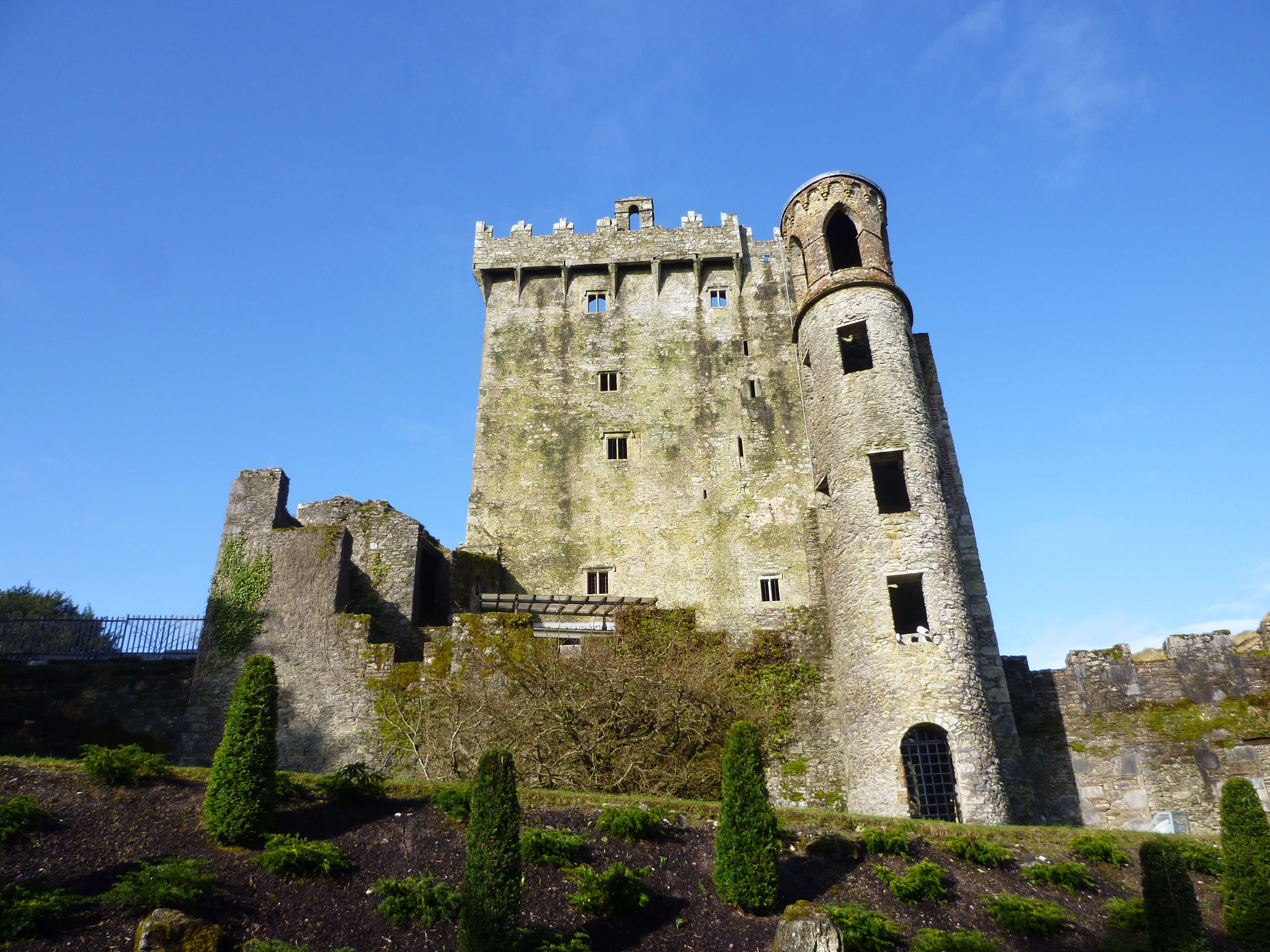
Blarney Castle

Blarney Castle

Although I remember that visitors had to lean backwards to kiss the stone, while being helped to hold on to two iron bars, one on each side, I cannot remember the surroundings very well. So it was a pleasure to be able to visit the Castle once again, this time with a coach party of fifty (**in deference to my wife and at least two others I must add the word: MAINLY) retired people from the Tyrone and Monaghan areas.

The 100 or so steps inside the castle tower are narrow and steep and you have to be careful not to knock your head when you go through entrances or archways. But the view from the battlements is worth the climb.

Battlements, Blarney Castle

Battlements, Blarney Castle

Kissing the famous stone is said to give you the “gift of the gab”. The story has featured in movies, including one starring Bing Crosby, as one of the information boards reminds visitors. The history of the Castle can be found here. Blarney Castle, as viewed by the modern day visitor, is the third building to have been erected on the site. The first in the tenth century was a wooden structure. Around 1210 A.D. this was replaced by a stone structure which had the entrance some twenty feet above the ground on the north face. This building was demolished for foundations. In 1446 the third castle was erected by Dermot McCarthy, King of Munster and the keep still remains standing.

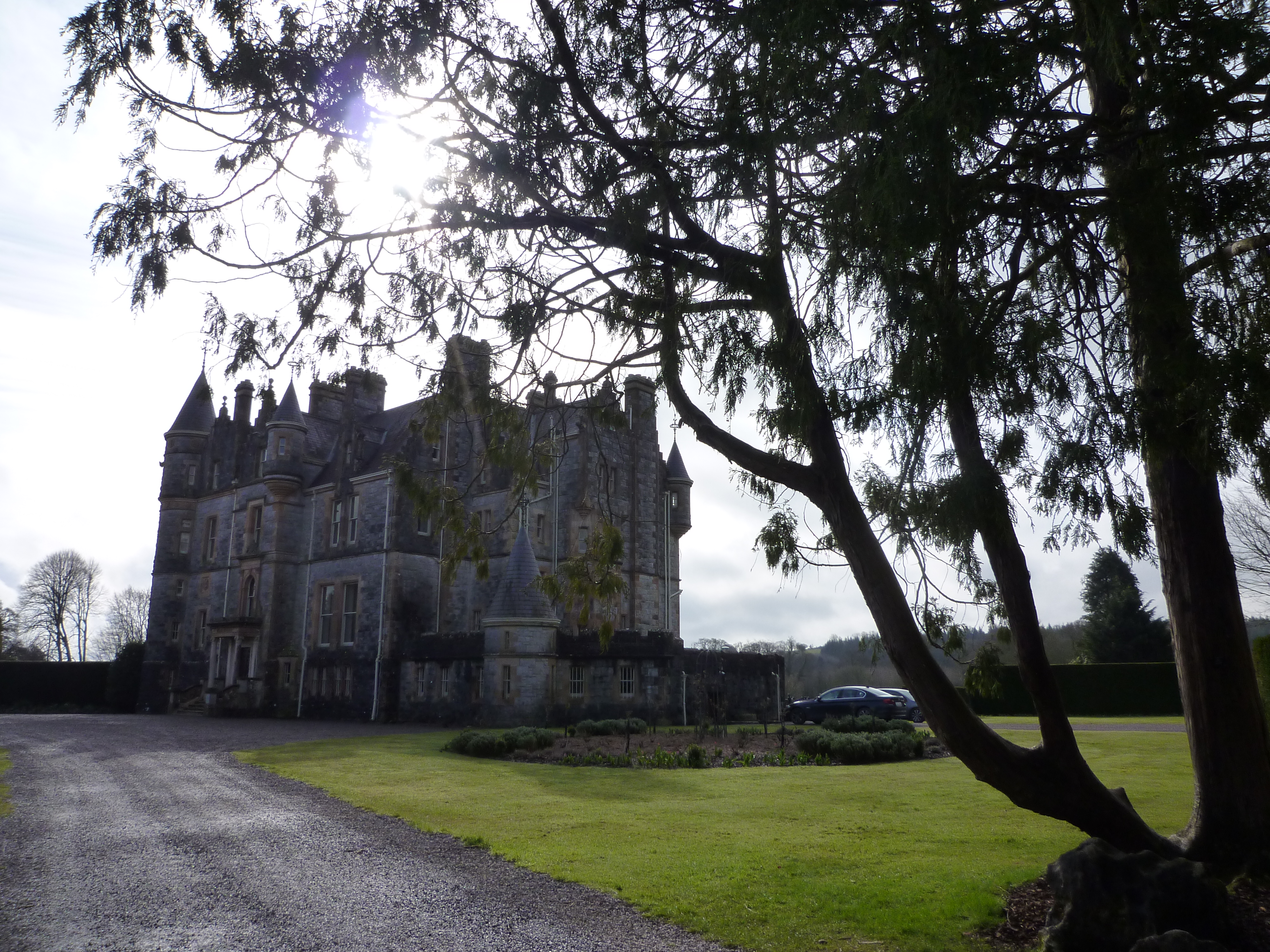
Blarney House

Blarney House

Blarney House was designed by Sir Thomas Lanyon and was built in 1874 by the Jefferyes family. It is in the same Scottish baronial style as Stormont Castle or Castle Leslie. It is private and only open to the public during the summer. It is the home of Sir Charles Colthurst. It was interesting to see him interviewed in a recent television documentary on Ireland presented by James Nesbitt on UTV.  P1100838

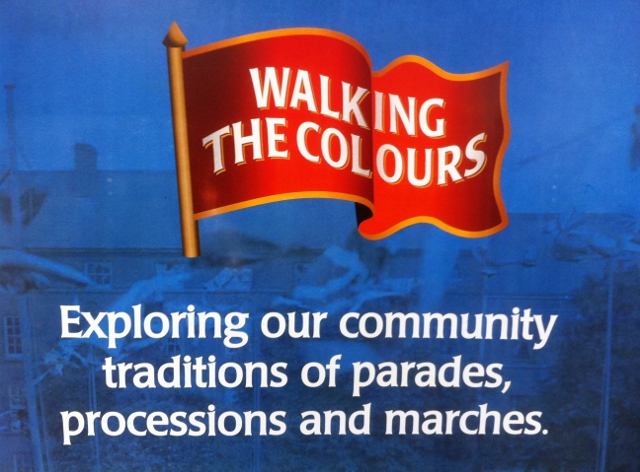
WALKING THE COLOURS

Monaghan Museum

Monaghan Museum

With the marching season now underway, it is perhaps timely that an exhibition is coming to Monaghan Museum about the history and traditions of walking the colours in Ulster, both orange and green. It opens on Wednesday 10th April at 6pm and will run until the end of July. Unfortunately it will have finished by the time the William Carleton Society’s one day conference takes place in Monaghan on Friday 2nd August (Bank Holiday weekend in the Republic), when the issues of a divided community will be raised.

Incidentally, it was noticeable that the usual start of the marching season on Easter Monday (as well as the republican commemorations on Easter Sunday) with the Apprentice Boys of Derry main parade in Enniskillen passed off without incident. I remember standing at the Ormeau Bridge in Belfast or in Ardoyne on previous Easter Mondays and sometimes these feeder parades were highly contentious.     photo (12) (640x472)

Everyone displays their colours in one way or another – hence the title of this ground breaking exhibition; “Walking the Colours”. The cross border exhibition will feature the incredible collection of marching banners held by Monaghan County Museum. This collection has never been displayed together before and will illuminate the gallery with an explosion of colour. This is one exhibition that should not be missed. The display explores the origins of parades looking at the guilds, trades and orders who hark back to the middle ages while also trying to explore the current scene. It includes the role of youth organisations, along with civic parades and public celebrations.

The exhibition forms part of the Cultural Fusions project, which is a heritage based project being delivered by Mid-Antrim Museum Service and Causeway Museum Service across the local councils of Ballymena, Larne, Ballymoney, Coleraine, Limavady and Moyle. It is supported by the PEACE III Programme through funding from the Special EU Programmes Body administered by the North East PEACE III Partnership

NUJ ON UKIP-NI

nujlogo_burgundyThe President of the National Union of Journalists Barry McCall has called on the Chairman of the UK Independence Party in Northern Ireland Cllr Henry Reilly “to clearly and unambiguously” withdraw his description of the local media in Armagh and Down as “Provos”. He said he was shocked and dismayed at the attack on local journalists made last night (Monday 8th April) at a meeting of Newry and Mourne District Council and at the unwarranted accusation of bias against professional journalists employed by newspapers serving their local communities.
Cllr Henry Reilly UKIP

Cllr Henry Reilly UKIP

Cllr Henry Reilly made his comments during a debate on strip-searching in prisons arising from a motion tabled by Cllr Davy Hyland. During the debate Cllr Henry Reilly, speaking in the third person, declared “The press, looking at Reilly with disgust when he talks, they are Provos too probably”.

In response to a request from fellow councillors he declined to fully withdraw the remarks and Cllr Henry Reilly declared: “I haven’t called the press…any particular journalist a Provo. I will make generalised statements that some papers have a nationalist/republican bias. It is a commonly held perception among the unionist community.”
nmdc-logoThe five journalists in attendance presented Mayor John McArdle with a signed request for Cllr Henry Reilly to withdraw the remarks. Cllr Henry Reilly insisted that he had made no charge against any individuals and therefore no precise apology was needed. 
The NUJ President said the journalists concerned had no right of reply at the meeting and should not have been subjected to verbal abuse by Cllr Henry Reilly. “He should clearly and unambiguously withdraw his description of the media as Provos. The media in the area serve the community and to imply that any of the publications represented at the meeting were linked with an illegal organisation was entirely unacceptable.”

NUJ Irish secretary Seamus Dooley also strongly condemned the comments made and said: “This is an outrageous attack on the local media which should not go unchallenged. Elected representatives need to be mindful of the potential implications of public utterances of this type. Cllr Henry Reilly has abused his position and failed to avail of the opportunity given to withdraw his statement. He occupies a leadership position with UKIP Northern Ireland and I call on the party’s MLA David McNarry to disassociated himself from the comments of Cllr Henry Reilly. As a public representative he is entitled to express strong opinions but not in a manner which is unacceptable or seeks to tarnish the reputation of individuals”.

WILLIAM CARLETON

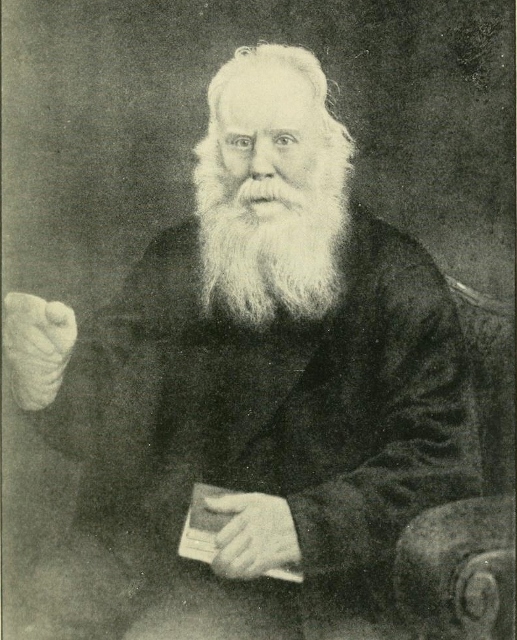
William Carleton

William Carleton

Donaghmore Historical Society in County Tyrone concluded its season of talks in The Heritage Centre on Monday, 8th April, when Michael Fisher gave an illustrated talk entitled, “From Prillisk to Beechmount: a Tyrone man’s journey to Dublin: the story of William Carleton.” Born and reared as a Catholic in the Clogher Valley , where his father was a small farmer, Carleton has never had the recognition he deserves, either in his native area or in the ranks of Irish novelists. He spent most of his adult life in Dublin , where his works were written, including the famous “Traits and Stories of the Irish Peasantry,” the first such significant stories to be published in the English language in Ireland and Britain . When he settled in the capital city, he came under the influence of a Protestant clergyman, who persuaded him to change his religion in order to gain a living as a writer. His stories describe the society he grew up in, which often featured sectarian confrontation between orange and green factions, such as “The Party Fight and Funeral.”

Michael Fisher Talk

Michael Fisher Talk

Michael Fisher is Director of the William Carleton Society’s international summer school. A freelance journalist, he retired from RTÉ. News in Belfast in September 2010, having joined the broadcaster in Dublin in 1979. He is a former BBC. News trainee in London and worked in Birmingham as a local radio reporter. A native of Dublin , Michael has family connections with County Tyrone as well as County Monaghan . He is a graduate of UCD. and QUB., where he completed an MA. in Irish Studies in 2001, including a dissertation on The Big House in Counties Fermanagh and Monaghan. He was introduced to the works of Carleton during his time as a student at University College in Dublin by one of his lecturers on Anglo-Irish literature, Maurice Harmon, who is now a patron of the William Carleton Society.

Michael FisherTalk

Michael FisherTalk

Those who remember Michael’s soft modulated, dulcet tones from his days on our television screens will have a chance to see and hear him in person in The Heritage Centre on Monday night at 8 o’clock, when he will be telling the story of a County Tyrone writer, who, surprisingly enough, is virtually unknown in this part of the county.

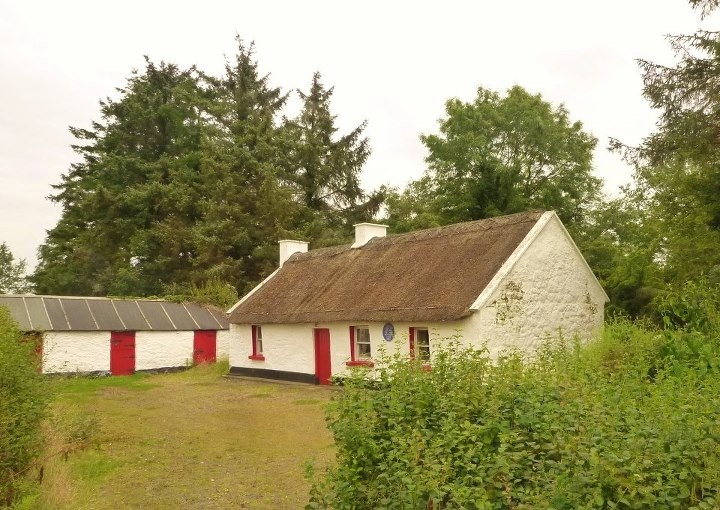
Carleton's Cottage, Springtown

Carleton’s Cottage, Springtown

William Carleton                    1794 – 1869

William Carleton was born the youngest of a family of 14 children in the townland of Prolusk (‘Prillisk’ in his autobiography) near Clogher in Co.Tyrone, on Shrove Tuesday, 20th February,1794. Although there is little suggestion that the Carletons were upwardly mobile, they did move house frequently within the Clogher area and were established at the townland of Springtown when William left the family home. Carleton obtained his education at local hedge schools which he was to write about, fictionalising the pedagogue Pat Frayne as the redoubtable Mat Cavanagh. From other retrospections of his home district, we learn of Carleton’s delight in his father’s skill as a seanachie and the sweetness of his mother’s voice as she sang the traditional airs of Ireland; of his early romances- especially with Anne Duffy, daughter of the local miller; of Carleton the athlete, accomplishing a ‘Leap’ over a river, the site of which is still pointed out; of the boisterous open air dancing. Initially an aspirant o the priesthood, Carleton embarked in 1814 on an excursion as a ‘poor scholar’ but, following a disturbing dream, returned to his somewhat leisurely life in the Clogher Valley before leaving home permanently in 1817. Journeying via Louth, Kildare and Mullingar, he found work as a teacher, librarian and,  eventually, as a clerk in the Church of Ireland Sunday School Office in Dublin. In 1820, he married Jane Anderson who bore him several children. By 1825, Carleton. who had left the Roman Catholic Church for the Anglican Church of Ireland, met a maverick Church of Ireland cleric, Caesar Otway, who encouraged him to put his already recognised journalistic talents to such prosletysing purposes as satirising the attitudes reflected in pilgrimages to ‘St Patrick’s Purgatory’ at Lough Derg, a totemic site in Irish Catholicism. Further writings in the Christian Examiner & Church of lreland Magazine led in 1829 and 1833 to the publication of what is arguably Carleton’s best known work: Traits and Stories of the Irish Peasantry. In these stories Carleton returned imaginatively to the Clogher Valley, drawing on comedy, farce, melodrama and tragedy to present a tableau of the life of the country people of the north of Ireland before the famines of the 1840s altered their pattern of existence for ever. Carleton went on to respond to the challenge of the novel, in his tirne a comparatively undeveloped genre amongst Irish writers, and published Fardorougha the Miser (1839), Valentine McClutchy (1845), The Black Prophet (1847), The Emigrants of Aghadarra (1848), The Tithe Proctor (1849), The Squanders of Castle Squander (1852). In these works he addresses many of the issues affecting the Ireland of his day such as the influence of the Established Church and landlordism, poverty, famine and emigration but does so with an earnestness that regrettably often caused his more creative genius to be swamped in a heavy didacticism. Carleton continued to write in a variety of forms, including verse, until his death in 1869, but critics are agreed that the quality of the work is uneven. Despite his prolific output, Carleton never really made a living from his writings and welcomed the pension voted to him by the government following the advocacy of such contrasting figures as the Ulster Presbyterian leader, Dr Henry Cooke, and Paul Cardinal Cullen, Catholic Archbishop of Dublin. His last project, uncompleted when he died, was his Autobiography, which was re-issued through the efforts of the Summer School Committee in 1996. Carleton was buried in the cemetery at Mount Jerome in Dublin and over his grave a miniature obelisk records the place “wherein rest the remains of one whose memory needs neither graven stone nor sculptured marble to preserve it from oblivion”.           (Summer School handbook 1998)

P1100802 (2)

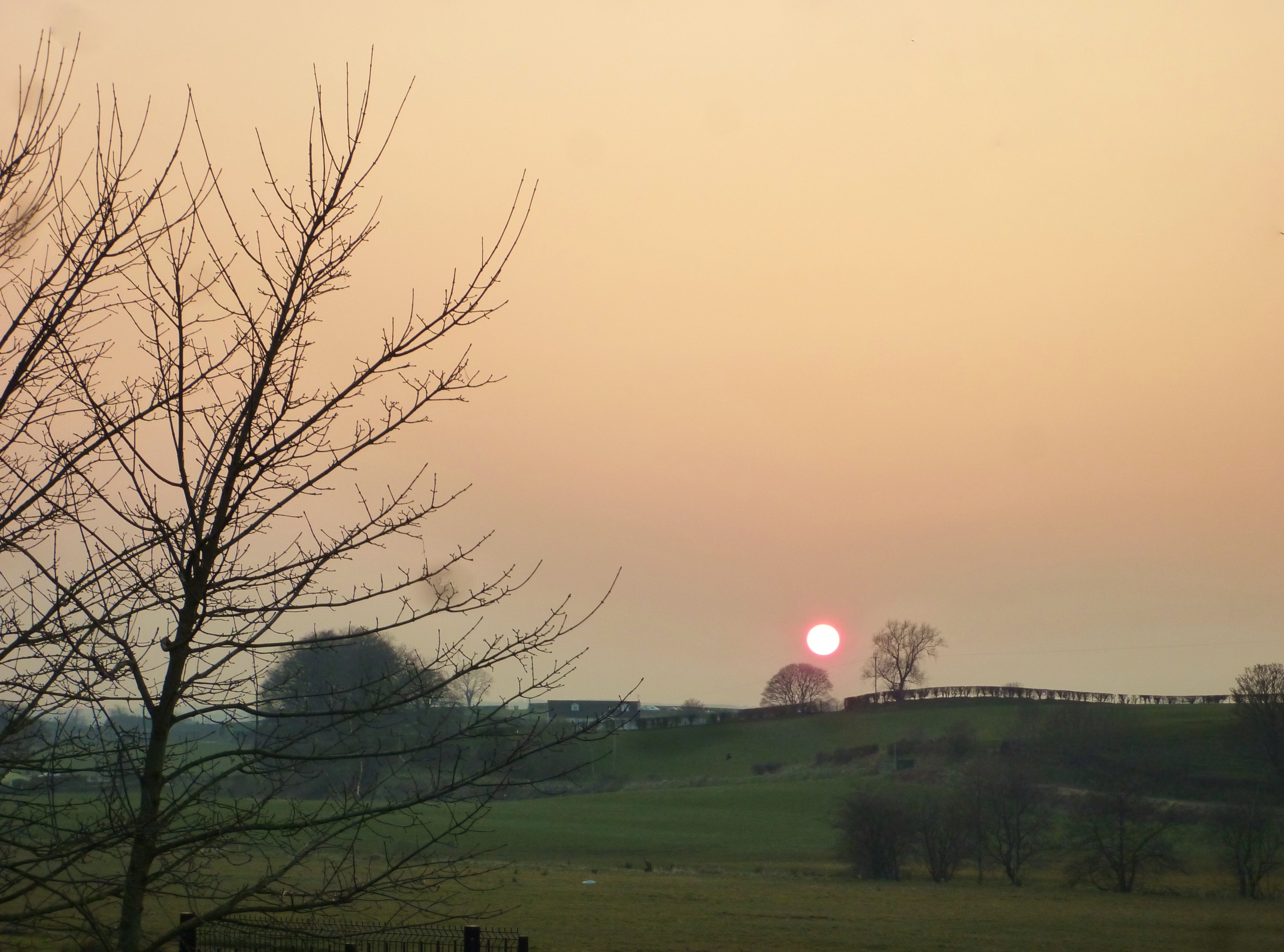
Donaghmore Sunset

SWPeaceIII_logo_options_2b  DSTBC Logo

MONAGHAN GO UP!

Dick Clerkin: A Helping Hand

Dick Clerkin: A Helping Hand

Monaghan 3-16 Antrim 0-13

This was a convincing performance by Monaghan at St Tiarnach’s Park in Clones, which earned the Farneymen promotion to division two of the Allianz National Football League next season. But they were up against an Antrim side which at times lacked in conviction and was too reliant on Paddy Cunningham. The Lámh Dhearg man scored eight of their points, half of them from frees.

The visitors had a great chance in the first minute, but Cunningham’s shot at goal from close range was blocked by an effective Monaghan defence. The ball was cleared up the field and a pass found Christopher McGuinness in the perfect spot to rattle the Antrim net, giving substitute keeper Chris Kerr little chance.

Job well done

Job well done

Monaghan added two points in the next four minutes, then Cunningham got the first of his frees, making it 1-2 to 0-1. Both sides exchanged further scores then Monaghan started to apply the pressure, adding four points, one of them a beautifully taken one from long range by Dick Clerkin. Two more Cunningham frees for the visitors had made it 1-7 to 0-03 after 25 minutes, when Antrim got their first score from play through Michael Pollock, then each side added a further point. Then with the break approaching Kieran Hughes scored Monaghan’s second goal, 2-8 to 0-5. Cunningham and Paul Finlay for Monaghan were both on target with frees and a neatly-taken point by St Gall’s half forward Kevin Niblock rounded off the first half and meant that Antrim still had a slim chance of turning things round in the second, although trailing by eight points,

Monaghan 2-9 Antrim 0-7 Half Time 

Antrim got off to a good start in the second half, but Monaghan were more than capable of dealing with any of their attacks and McGuinness almost grabbed his second goal but was penalised for over-carrying. It was left to his colleague Darren Hughes to assure a Monaghan win with a nice three-pointer in the 49th minute, 3-11 to 0-9.

Conor McManus point

Conor McManus point

Eoin Duffy added a good point at the end of an attack involving Conor McManus, Owen Lennon and Clerkin, but Antrim hit back with three in a row – two from Cunningham and one by Michael Pollock. McManus kicked a couple of points from frees after fouls on Kieran Hughes and Stephen Gollogly. Andy McClean rounded off the scoring for the Saffrons, but Monaghan were deserving winners. Hughes though received a second yellow and therefore a red card before the final whistle, so Monaghan ended the game with fourteen players.

The two teams will face each other again in the Ulster senior football championship in June. Monaghan boss Malachy O’Rourke said afterwards he thought the game at Casement Park will not be as easy:-

We are delighted to get the win and secure promotion. We knew Antrim would be tricky opponents but we got a good start and kept the lead. Antrim battled hard but we got the goal at the right time – they had a lot of players missing and it will be a completely different team when we meet them in the championship”, he said.

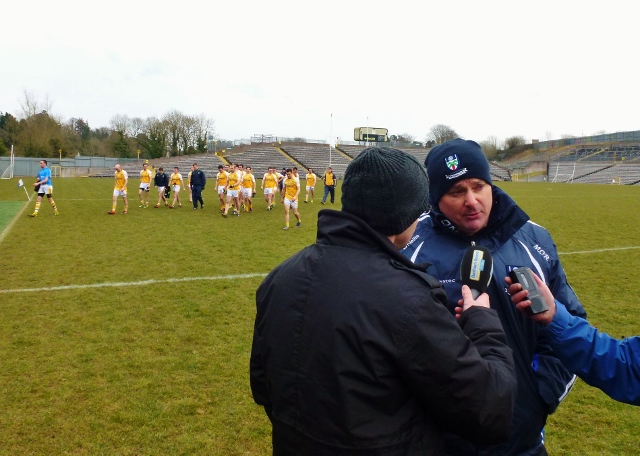
Monaghan boss Malachy O'Rourke

Monaghan boss Malachy O’Rourke

Before then, the Farneymen will take on Meath in the division three final at Croke Park in Dublin on April 27th. One thing that annoyed me about the Antrim side this afternoon (which did not include any players from my Belfast parish of St Brigid’s). As Amhrán na bhFiann was being sung before the throw-in, some of the Saffron players were jumping up and down, doing their stretching exercises. One of them broke away from the bunch before the national anthem had even ended. Very disrespectful, in my opinion, and not something the Tyrone management or I’m sure any other county would encourage.

GERTRUDE ROSE

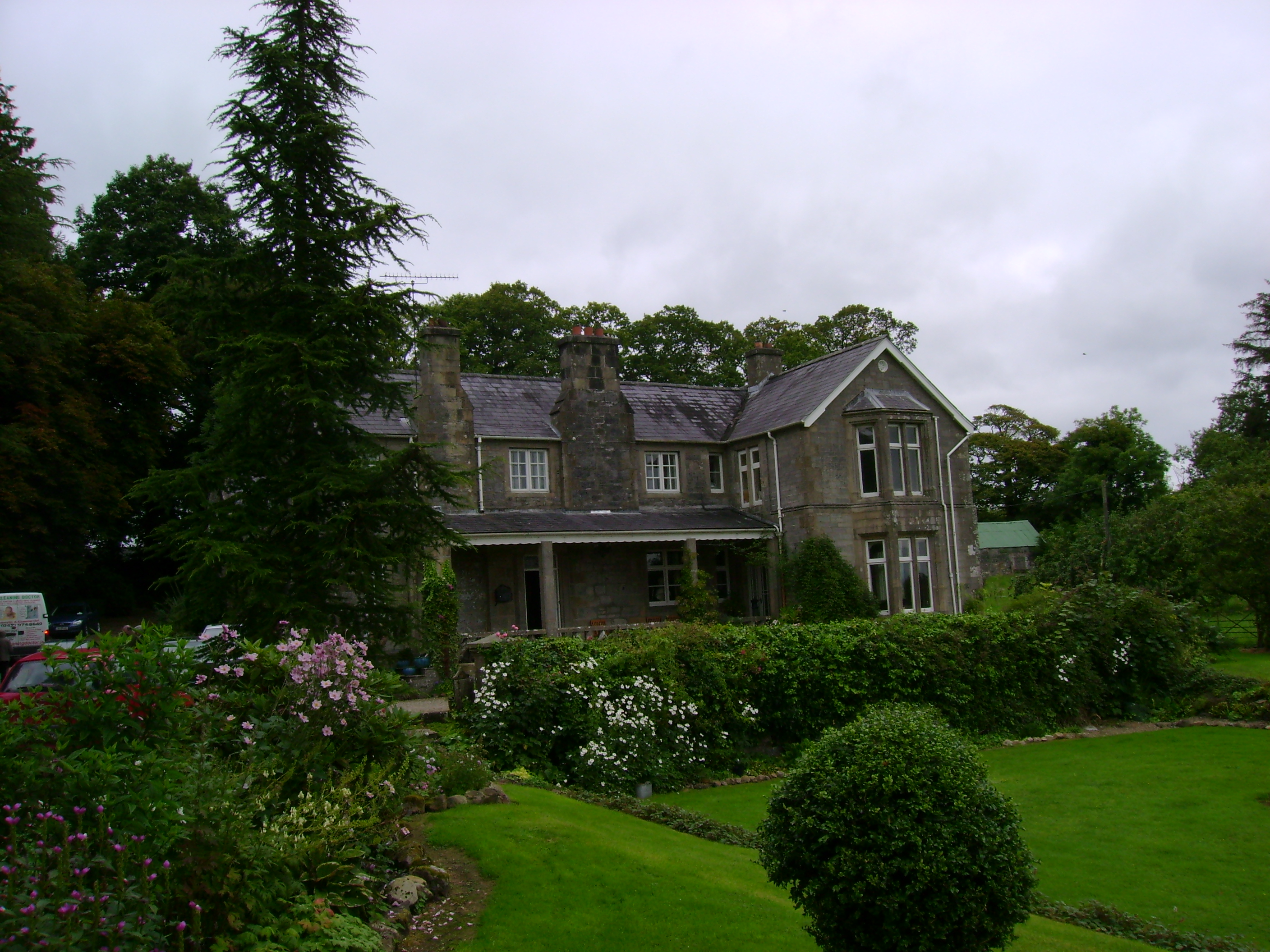
Mullaghmore House, 2007

Mullaghmore House, 2007

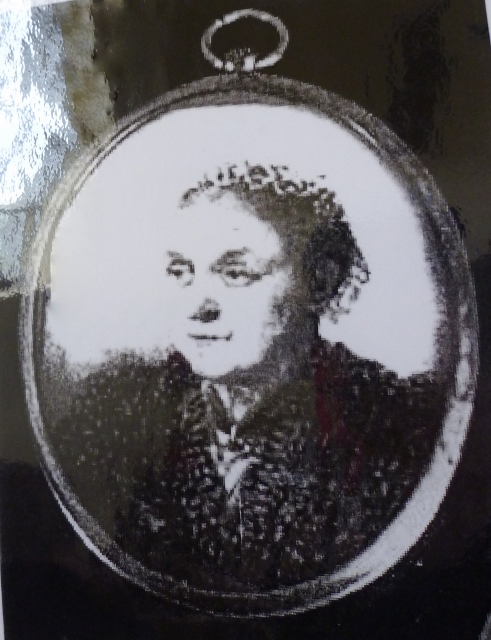
The story of Mullaghmore House in the parish of  Tydavnet, County Monaghan and the Rose estate yesterday gave only a brief mention to one of its most interesting landlords, Gertrude Rose. If anyone can provide a picture of her, I will add it to the blog. (This image has been sourced by Grace Moloney of the Clogher Historical Society and it is from a catalogue published by Dreweatts Auctions in England: added 29th May 2013).

Brooch Picture of Gertrude Rose: Created by artist Kathleen Rashleigh. Image courtesy of Dreweatts Auctions, England

Brooch Picture of Gertrude Rose: Created by artist Kathleen Rashleigh. Image courtesy of Dreweatts Auctions, England

I have found a picture of the Anglican clergyman who was her friend and adviser, Frederick Temple, who went on to become Archbishop of Canterbury. What we did get at the very interesting talk at Cornagilta school on Thursday evening, courtesy of Patsy Brady, was a copy of an obituary from, I think, The Northern Standard in January 1907. I am reproducing it here, to give some idea of the background of this progressive and forward-thinking landlord:-

THE LATE MISS ROSE, MULLAGHMORE

“A gentleman who was for many years an intimate personal friend of Miss Rose, of Mullaghmore, whose lamented death we referred to in last week’s issue, has sent us the following interesting sketch:-

By the death of Miss Rose the neighbourhood of Monaghan has lost one of its most interesting inhabitants. She was a lady of many parts, of great initiative, ability, and kindness of heart, a sterling friend, and a good neighbour. She has left a void which cannot easily be filled. Coming into the property of Mullaghmore about 50 years ago, on the death of her uncle, she at once set herself to perform the duties of her position with zeal and devotion. We believe it was her first intention to sell the property, but the late Archbishop Temple, with whom she was on terms of intimate friendship, impressed upon her the duties of her position; so she retained the property and faced its duties with very high ideals which she ever kept before her and strive to realize. She was a young woman then*, and from that time, till now that she has been removed by death, she had devoted herself to the service of her people and the betterment of their condition.

Scotch by race, English by birth, French by education, she expressed the sterling qualities of each nation. She had the fixity of purpose, the unbending, uncompromising character of the one, — the ‘granite’, — (but ‘granite on fire’, as her friend Archbishop Temple** was described); the great common sense and love of justice of the other, and with this the graceful winning courtesy of the French. As soon as she came into the property, she built herself a home suitable to her position, and from that time till now, she has lived continuously amongst her people, ever influencing them, inspiring them by her example and sympathy. Improved farms, stock, tillage were brought about by her efforts, and on her ‘home-farm’, was to be seen some of the finest live stock in the north of Ireland.

But not merely in the material improvement of her tenants was Miss Rose interested. She built a large school***, and supplemented the teacher’s income, so that the children might have the benefit of a good education. In many ways was Miss Rose considerably before her time, and because of this, was likely to be misunderstood, but time has proved she was right. Around her, at Mullaghmore, she kept a large staff of employees, and on them she expended a wealth of devotion and care. Were they sick she attended them; and everything that her house contained, that would be for their good, was at their disposal. A doctor told us that 28 years ago, he first met Miss Rose. When he was a very young man, he was called upon to attend a herd(sman) in her farm yard, and by the patient’s bed-side, ministering to him, he met her. Since then the acquaintance casually made ripened into the closest friendship; and he found Miss Rose ever the same — ministering to the wants of others.  

How much will her social qualities be missed. Her house was ever open; she was the essence of hospitality. The friend and associate of the very highest in the land next Royalty; the friend and patron of the poor; the valued friend of many in the neighbourhood of Monaghan. Who will understand more fully their loss by experiencing it? 

Any remarks regarding Miss Rose would be imperfect that would omit noticing her intellectual capacity. She possessed mental powers of a high order. Hughly educated, she read books of a high class, and brought her mind to bear on the ethical and social problems that are agitating the thinking world of to-day. She was a delightful and instructive person to meet; and one always felt, whether one agreed with her conclusions or no, they were not formed without thought and consideration. She has gone to rest in a good old age, but we can ill spare her. It may be said of her — ‘She did her duty’.

____________________

Miss Rose was the daughter of Dr. Thomas Rose, a surgeon in the 2nd Life Guards, and she was the youngest of seven children, three of whom died in one week of diphtheria.”  (end of page)

*Gertrude Rose was 21 when she inherited the estate from her uncle in March 1849.

**Archbishop Frederick Temple, who died four years before Gertrude Rose, was Archbishop of Canterbury 1896-1902 and had been a chaplain-in-ordinary to Queen Victoria.

***the school she built was at Cornagilta, described in yesterday’s blog.
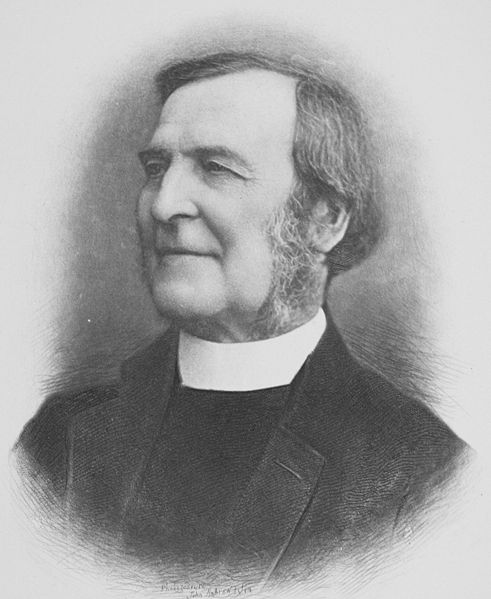
Archbishop Frederick Temple (photo: Wikimedia Commons)

Archbishop Frederick Temple (photo: Wikimedia Commons)
ROSE ESTATE

Sunset at Cornagilta: Photo © Michael Fisher

Sunset at Cornagilta: Photo © Michael Fisher

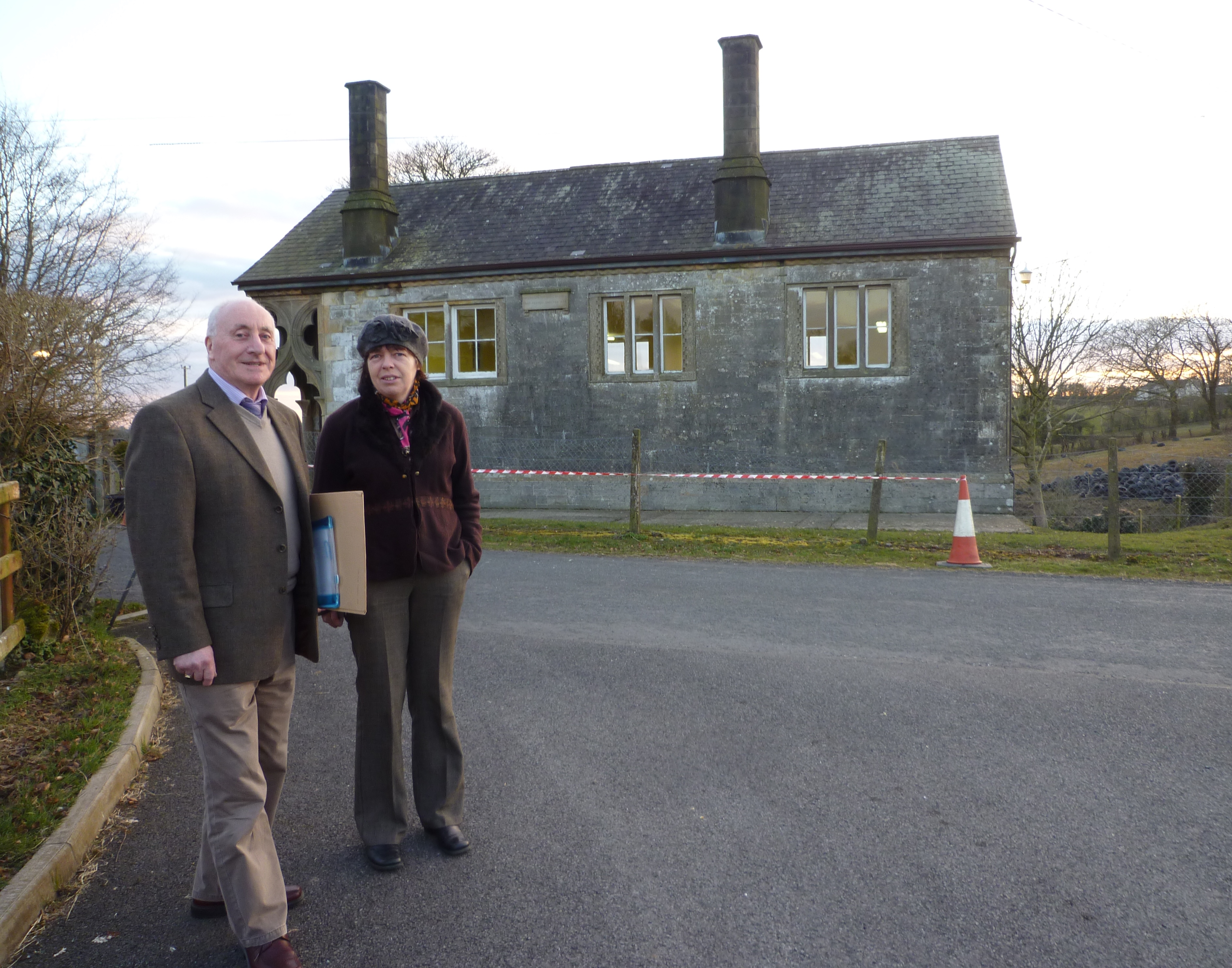
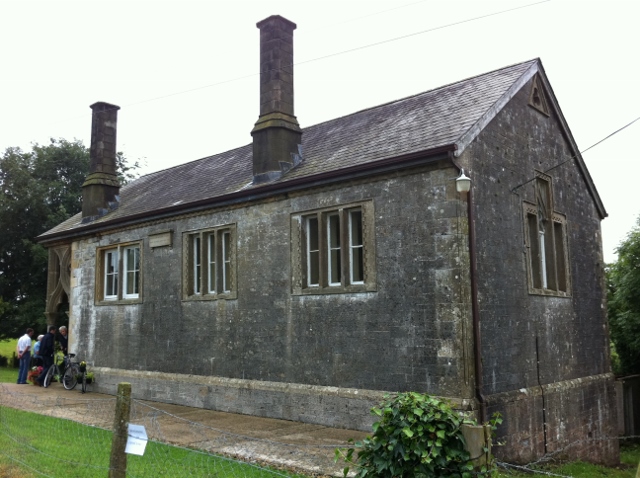
The sun was setting around Bragan as a crowd of over fifty people gathered at the former National School at Cornagilta, a few miles from Tydavnet, for an evening devoted to the history of what was once part of the Rose estate. Since 2001 when the late Canon Jackie Gilsenan was Parish Priest of Tydavnet, a group of locals has been working hard to preserve the building, which has some interesting stonework features, particularly at the entrance.

Theo McMahon at entrance to school

Theo McMahon at entrance

The small rural school was one of a number in the parish, which includes Scotstown (Urbleshanny), Knockatallon, Ballinode and Tydavnet, where the old school has already been restored and now serves as a community centre. Among the visitors was the former GAA President and former Principal at Urbleshanny NS, Seán McCague from Scotstown. A former teacher and a number of former Cornagilta pupils gathered to listen to one of their own, Patsy Brady, describe the history of the school.

Seán McCague NT

Seán McCague NT

The records show that the school opened on July 9th 1912 with a total of 68 pupils: 36 boys and 32 girls. It was closed in June 1984, when the roll call had reduced to 28 children. Over a 72 year period, 671 attended classes there, 351 boys and 320 girls. An important contribution to education in North Monaghan. In view of our visit there with the William Carleton Society in August 2011 during the summer school, I was interested to heard Patsy refer to a hedge school being run nearby in the 1820s.

Brian Deery at Cornagilta (August 2012)

Brian Deery at Cornagilta, 2012

Patsy described the different Masters who had run the school. They included Master (Brian) Deery, who was there from 1967 to 1978. The first was Master Luke Owens who later took over as Master at Barritatoppy school, also in the parish. In 1928 he moved into what was the service wing of Mullaghmore House between Tydavnet and Scotstown. I remember visiting Mullaghmore with a group from the Clogher Historical Society that include his son, the late Dr Cahal Owens from Clonskeagh in Dublin. He also came to Cornagilta on the same occasion, where Brian Deery was there to open the school door once again.

Late Dr Cahal Owens at Mullaghmore, 2007

Late Dr Cahal Owens at Mullaghmore, 2007

The original house was demolished after being destroyed in a fire on 24th January 1925. Those at the talk recalled how some local people then children remember seeing the flames in the distance as the large house burned (it was not a “castle”, as some described it). In a useful article about the property, a fellow blogger Timothy Belmont has a description of the fire and more information about the owners of the house, now the property of the Ronaghans.

The fire razed all but the servants’ wing and the stable block behind. The family (Captain S.R. Tufts) were away visiting friends in County Tyrone and there were no servants in  the house at the time. No cause for the fire was discovered. Previously the house was owned by Sir Robert Anderson, a Belfast businessman and founder of the Anderson & McAuley store in 1861, who had acquired Mullaghmore on the death in January 1907 of Gertrude Rose. 

Grace Moloney, CHS & Theo McMahon

Grace Moloney, CHS & Theo McMahon

Gertrude became the landlord after her uncle James Rose died in 1841 and on reaching 21 in 1849 she inherited the holding of 2810 acres, which comprised 21 townlands. Her relative had bought the lands from the Bishop of Clogher for £20,000 in 1821. The list of townlands was discovered by Theo McMahon in a letter to the new owner written around the late 1840s by an agent in the estate. It was part of the records of a “defunct estate” that were about to be disposed of in Monaghan a number of years ago, when Theo stepped in at a fortuitous moment and rescued the documentation.

The same letter gives Gertrude, who was then quite young, some advice on how to proceed. Better to get people to work, the writer advised, at a time when tenants had great difficulty paying rents, arising from the famine. Gertrude Rose ensured that a school was built at Cornagilta in 1859, using the locally quarried limestone and sandstone. In the early 1900s the building was closed and for a time was used for storing grain. Gertrude was a progressive and forward thinking landlord. For more details see Theo McMahon’s article on the Rose estate in the Clogher Record Vol. 18, No. 2  (2004), pp. 218-256. Theo’s talk was introduced by Grace Moloney of the Clogher Historical Society.

Talk by Patsy Brady at Cornagilta

Talk at refurbished Cornagilta School

The Cornagilta heritage committee will be holding another open day at the school on Sunday May 12th. They have done a lot in recent years to tidy up the building, make repairs and restore lighting. Their hope is that once more the school can become a centre for learning and other cultural activities.

CORNAGILTA HISTORY

The following notification about an event near Tydavnet in North Monaghan this evening (Thursday 4th April) appears on the website www.tydavnet.com. I hope to attend.

Cornagilta School

Cornagilta School

Cornagilta History night: A history night focusing on the Rose Estate and Cornagilta School will take place next Thursday night 4th April 2013 in CornagiltaSchool. Local historians Theo McMahon and Grace Moloney (Clogher Historical Society) will be in attendance. Perhaps you worked on the estate, or you remember the night the “Big House” burned down, or do you know any wee snippet of information or have photos that you’d like to share about the school, who the teachers were etc. Doors open at 7pm, with the presentation starting at 8pm sharp, please be early to get a seat. Contributions will be most welcome from all sections of the community.

Entrance to Cornagilta School

Entrance to Cornagilta School

RURAL ELECTRICITY

Erecting first pole at Kilsallaghan, Co. Dublin 1946 Picture: ESB Archive

Erecting first pole at Kilsallaghan, Co. Dublin 1946       Picture: ESB Archive

Watching a film on television (RTE1) brought a glimpse of what it was like when the ESB rural electrification scheme began in Ireland over 66 years ago. The first pole was erected at Kilsallaghan in North County Dublin (now comes under Fingal County Council) on the road between St Margaret’s and The Naul in November 1946. Planning for the project had begun a few years earlier during the Second World War, or Emergency as it was known.

More details of the scheme that helped to transform Ireland can be found on a website about Tinryland in County Carlow and the important role played by one of its inhabitants, Paddy Dowling. It was among the first parishes to receive a connection to the national grid.

The film that prompted me to put down these thoughts is “Stella Days“, directed by Thaddeus O’Sullivan. Martin Sheen plays the scholar-priest and forward-thinking Father Barry, whose hopes of reappointment to Rome are dashed by the tenacious Bishop Hegarty (played by Tom Hickey), whose sole objective is to control the ‘hearts and minds’ of the dwindling population by building modernist churches designed to dominate horizons around the country.

The film is apparently based on a memoir about the establishment of a cinema by a Canon in a small Tipperary town in 1957, although I notice at the end the statement that all characters are fictitious. This experience portrayed of the local priest at the forefront of a community enterprise was not unique. At the start of the film, Fr Barry is shown with a cine camera in his hands, capturing the work of the ESB crews when they arrived in his parish. The sequence is then shown as a black and white clip from the film he had taken, with a sequence very similar to the picture above, which is from the ESB archive.

It reminded me immediately of the work done by a Clogher priest, the late Canon Benny Maguire, who was 96 when he died. In the homily at his funeral in Urbleshanny, Scotstown, four years ago on April 4th 2009, the then Bishop of Clogher Dr Joseph Duffy recalled how Fr Maguire brought Muintir na Tíre to Monaghan and following a very successful Rural Week, the group’s annual national assembly was held in St Macartan’s College in the summer of 1947.  As a result the parish of Tydavnet had the first rural electrification scheme in the county and his enthusiasm helped to establish the Tydavnet Show which has been such a success annually since then.  The development of the Our Lady of Fatima Hall at Knockatallon in November 1952 was another by-product, now the site of another community-run facility, the Sliabh Beagh Hotel. A predecessor of Canon Maguire as parish priest, Canon Kirk, also used a cine camera to record some of the activities in this rural area.