Get me outta here!

Michael Fisher's News

© Michael Fisher MMXXII

Menu

Skip to content
  • Home
  • About

Author Archives

borderroamerhttps://fisherbelfast.wordpress.comThe Northern Standard, Monaghan. Reporter.
borderroamer's avatar

GEORGE QUIGLEY RIP

04/03/2013 by borderroamer
George Quigley

George Quigley

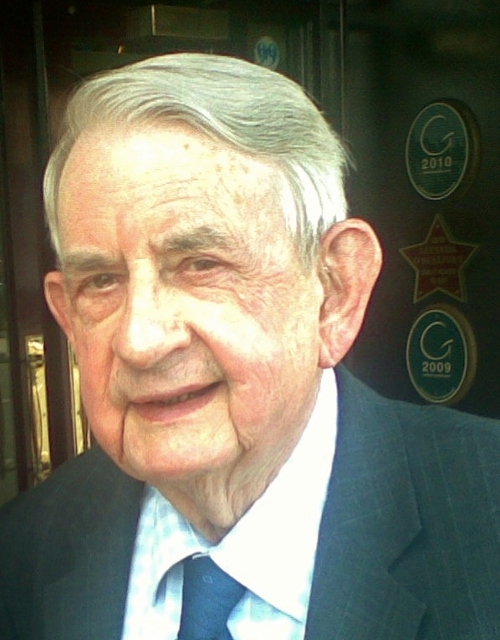
George Quigley had a vision for an all-island economy. It was not a matter of politics for him, but as a businessman he thought it made sense. I met him for interviews on a number of occasions in the different roles he performed so well. A former high-profile civil servant, he entered the private sector as Chairman of Ulster Bank from until 1989 until 2001. I wonder how he would have felt about some of their recent problems regarding IT systems!  Sir George also served as a non-executive director on the Main Board of Nat West bank and as Chair of the Royal Bank of Scotland Pension Fund. He also chaired Lothbury Property Trust. He was a director of the aerospace company Shorts (owned by Bombardier) and was appointed Chairman of the company in to succeed Sir Roy McNulty in May 1999.

He was a leading member of the Northern Ireland Economic Reform Group. ergNI consists of economists, accountants and businessmen based in Northern Ireland who wish to see a more successful and competitive NI economy, less dependent on a public sector subvention from taxpayers in Great Britain.  He led the debate about the benefits of introducing a lower rate of corporation tax in Northern Ireland that would match the Republic, which has this incentive to attract foreign direct investment.  He headed an industrial task force to examine the issue and claimed in 2006 a reduction from 30% to 12.5% would “double the growth rate of the local economy” and had the potential to create 180,000 jobs over 25 years.

Three years ago, Sir George along with the former Church of Ireland Primate Archbishop Robin Eames verified the decommissioning of weapons by the loyalist paramilitary group, the Ulster Defence Association. In a joint statement, the North’s First Minister Peter Robinson and deputy First Minister Martin McGuinness offered their condolences. They said he was “a strong advocate of mutual respect in building a cohesive and equal society“.

The Sinn Féin President Gerry Adams expressed his sadness and said “George was an experienced economist and a long-time advocate of the all-Ireland economy. Last year he participated in a Sinn Féin conference in Derry on the issue of uniting Ireland“. The former SDLP leader and Foyle MP Mark Durkan said “George Quigley was a man of energy, verve, compassion and humour. His warm instincts and sharp intelligence made him engaging and effective“.

Sir George Quigley (CBI picture)

Sir George Quigley (CBI picture)

Sir George played an active role in the Confederation of British Industry. Along with the late William Poole, he was a strong supporter of the IBEC-CBI Joint Business Council which promoted cross-border trade, business and transport co-operation. The Chairman of CBI Northern Ireland Ian Coulter described him as:-

“a great man who achieved so much in his lifetime. He had an intellect and a sense of civic duty that set the standard and was passionate about securing the long term future of Northern Ireland. More recently he played a key role in championing the cause of Presbyterian Mutual Society depositors and effectively created the debate for a lower corporation tax in Northern Ireland. Most of all, Sir George will be remembered for the role he played within civic society. The term ‘business leader’ is overused – Sir George was one of the very few who actually was one.”

Elsewhere his roles in public life have included chairman of the NI Economic Council and the Royal Group of Hospitals and he conducted a review of the Parades Commission. He served on the Dearing Committee on the future of higher education in the UK (report published in 1997). In the Republic he had been president of the Economic and Social Research Institute and chairman of the board of the Institute of British-Irish Studies in University College Dublin. He was a member of the Royal Irish Academy.

William Poole (CBI picture)

William Poole (CBI picture)

Three months ago he told a Northern Ireland Assembly committee for finance and personnel how he had been invited some 13 years ago by the late William Poole, an official working for the CBI, and the then Northern Ireland officer of the ICTU, the late Terry Carlin, to meet them so that they could pick his brains on the matter of recruiting ex-prisoners. They felt that something needed to be done about the issue. Sir George told MLAs that before long, he found himself chairing a group of around 30 people consisting of the representatives of groups whose members had been involved with the IRA, INLA, UDA and UVF. There were also representatives of agencies with relevant interests, such as training, as well as employer and trade union representatives. Some of their meetings were held at the Ulster Bank when he was chairman.

Sir George was taken ill on Sunday as he attended his local Presbyterian church at Helen’s Bay in County Down. He was 83. I have had the privelege of dealing with all three men and talking to them at various stages about the Northern Ireland economy. Now they have departed for their eternal reward, but hopefully they have given encouragement for the future by their actions. The ICTU offices in Belfast are named after Terry Carlin. William Poole and George Quigley also deserve to be remembered in an appropriate manner.

May they all rest in peace.
Share this:

  • Share on Facebook (Opens in new window) Facebook
  • Share on X (Opens in new window) X
Like Loading...
NEWS CBIcorporation taxGeorge QuigleyShortsTerry CarlinWilliam Poole Leave a comment

ATHLONE: BORDER TOWN

03/03/2013 by borderroamer
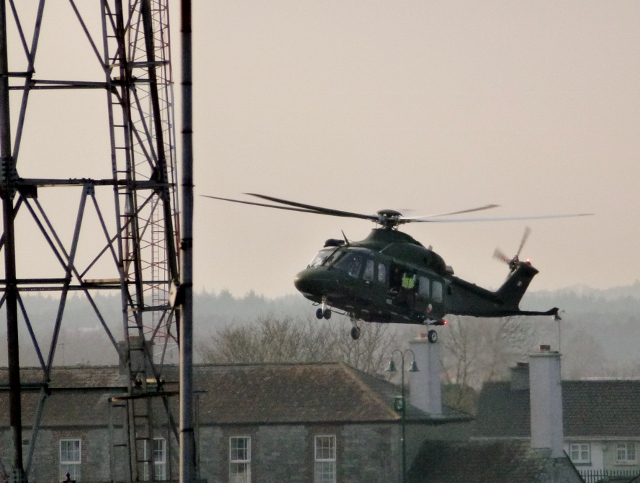
AgustaWestland AW139 Irish Air Corps Helicopter:Photo © Michael Fisher

AgustaWestland AW139 Irish Air Corps Helicopter:
Photo © Michael Fisher

An Irish Air Corps helicopter comes into land at an army barracks in a border town. But this is not near the state border between the Republic and Northern Ireland. As part of the peace process, Monaghan barracks has been demolished and is now an educational campus, with a new theatre.

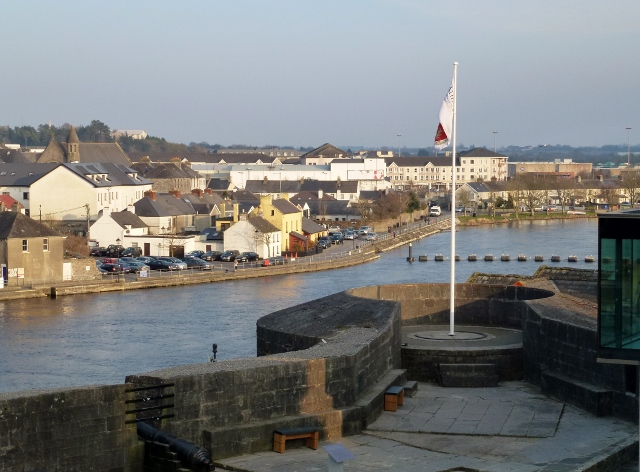
My picture of an AgustaWestland AW139 was taken this afternoon in Athlone. It is one of six such aircraft in the Air Corps fleet. The observation point was from the Castle, looking across towards Custume Barracks. Until last year, it was the headquarters of Western command, but under reorganisation the 1,000 soldiers based there became part of what is now 2nd Brigade, with headquarters at Cathal Brugha Barracks in Dublin. The helicopter is providing an air ambulance service (Emergency Aeromedical Service) with air corps crew and one HSE paramedic on a trial basis until June. At the moment the EC-135 helicopter normally used is being rebuilt after an accident and the Westland helicopter operates from Baldonnel, Co. Dublin.

Athlone Castle & River Shannon

Athlone Castle & River Shannon

Athlone is an important gateway on the River Shannon. It is where Leinster (Longford, Westmeath) meets Connacht (Roscommon). The river, which has its source in Ulster (Shannon Pot) is the border between East and West. This is close to the centre of the island of Ireland. I remember passing this point on what was then the main Dublin to Galway Road when our family was heading to the West for a holiday in the 1960s. In those days the Castle was not open to the public, except for a small museum run by the Old Athlone Society. But the complex has now been developed and last week a new €4.3million visitor centre was officially opened.

Unfortunately my visit to the complex was only brief, as the last admissions are one hour before closing time, to enable visitors to take full advantage of the interactive displays. Thanks to a very helpful staff member, who wanted to give me an idea of the displays, I got a chance to look at the first gallery, featuring the early (Celtic) history of the town.  The new participatory experience has been developed by Event Communications, the same company which designed displays at Titanic Belfast and the Giant’s Causeway Visitor Centre in County Antrim.

Luan Gallery, Áth Luain

Luan Gallery, Áth Luain

The new Luan Gallery just across the road was closed. A pity, because I would like to have seen the controversial H-Block art work “Fragmens Sur Les Institutions Républicaines IV” by Longford artist Shane Cullen. At the opening of the exhibition three months ago, the former Fine Gael Minister for Justice Paddy Cooney criticised the display and called on the Town Council to get it removed. Perhaps he has forgotten his history.

IRA Statue, Athlone

IRA Statue, Athlone

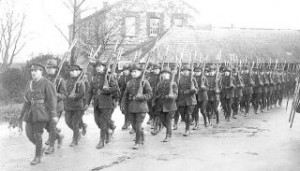
Only a few hundred metres away at the other end of the bridge there is a statue by Desmond Broe of an IRA volunteer in memory of members of the Athlone Brigade who lost their lives in the fight for independence. The same men who marched into the garrison (then Victoria Barracks) on February 28th 1922 to take it over from the British forces after the Anglo-Irish Treaty was signed. They were led by General Seán Mac Eoin,  accompanied by Brigadier George Adamson.

Free State soldiers march into Victoria (Custume) Barracks

Free State soldiers march into Victoria Barracks Photo:  IrishVolunteers.org

 Two months later Adamson was shot dead by anti-treaty forces. His is one of the names on the memorial, along with John Blaney, although the inscriptions on two sides written in Irish and English give the dates as 1916 (Easter Rising) to 1921. Athlone Castle was later renamed Adamson Castle in his honour. Thank you to a reader who drew my attention to the silent film of the event which was is copyright © British Pathe and can be previewed here. Well worth looking at to see the picture of Commandant General Mac Eoin (the “Blacksmith of Ballinalee”) addressing his troops.

Count John McCormack

Count John McCormack

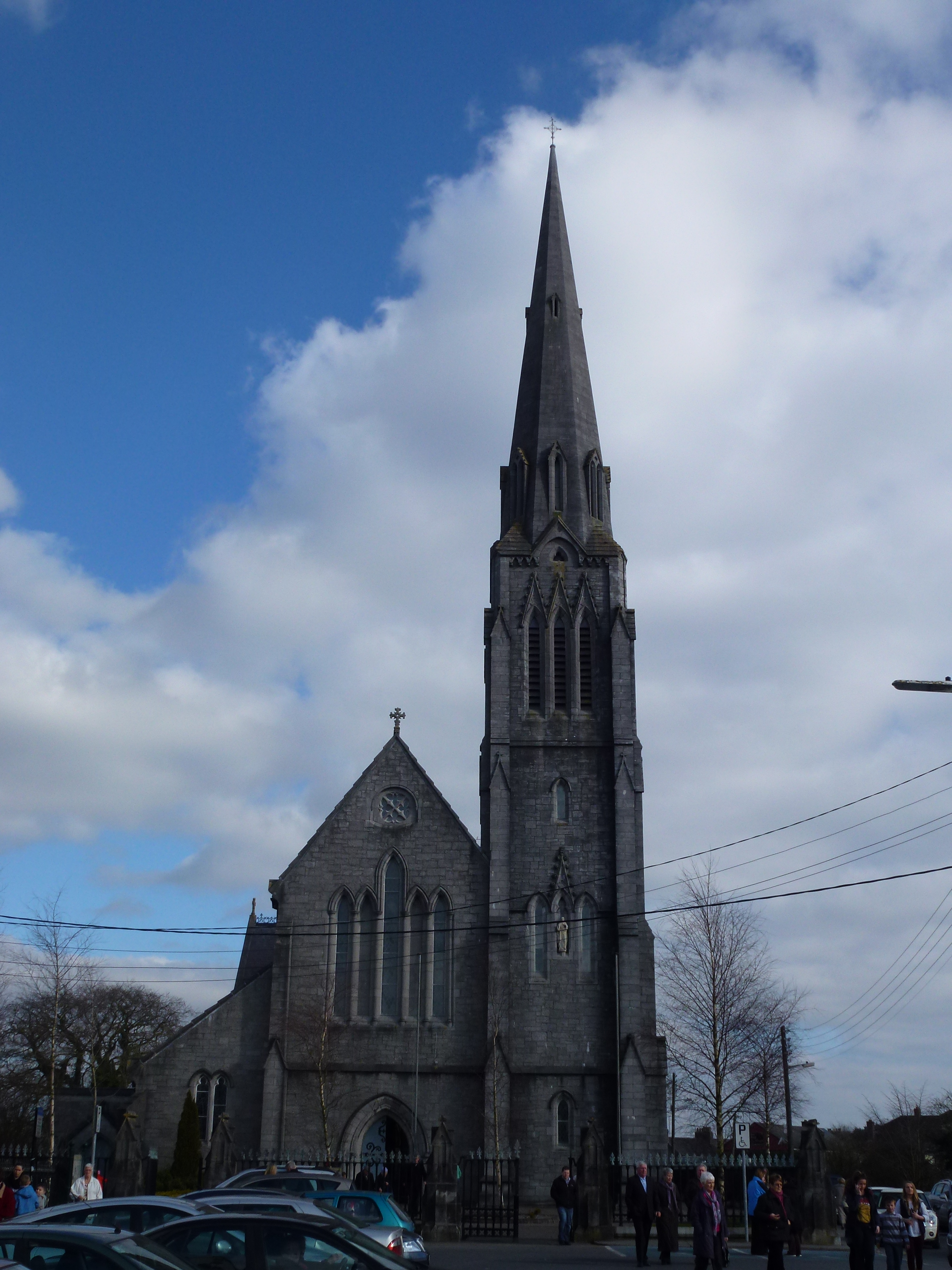
Another interesting statue along the bank of the River Shannon and close to the Luan Gallery is that of the internationally renowned tenor, Count  John McCormack. Born in Drumsna, he was baptised at St Mary’s Church in Athlone on 23rd June 1884. His parents were employed at the Athlone Woollen Mills. St Mary’s is on the Westmeath side of the town. At the moment, it is upgraded to a pro-Cathedral, following the fire at St Mel’s in Longford, which is undergoing a €30 million restoration. This means it serves as the seat for the Bishop of Ardagh and Clonmacnois, Dr Colm O’Reilly. Which reminds me of one other border in the town: the ecclesiastical one. The impressive church of St Peter and St Paul beside the Castle on the Roscommon side of the river is in the Diocese of Elphin, which stretches as far as Sligo. So there are plenty of interesting things to see and do here.

St Mary's Athlone

St Mary’s Athlone

If you want to go for a meal, there is a good selection of restaurants on both sides of the bridge. I lunched at the Olive Grove and sat at a table with a splendid view alongside the River, immediately opposite the Castle. When I went over to the Castle after the meal, I noticed that two cannons dating from the 18th Century were pointing across at the restaurant!  They are marked “GR” referring to the reign of George II. The lunch was very enjoyable and contained a range of fresh Irish products, including  Fivemiletown goat’s cheese from County Tyrone. It also had two main courses based on Silver Hill duck, from Emyvale in County Monaghan. It’s important to know the source of your food nowadays.

Cannon at Athlone Castle

Cannon at Athlone Castle

SS Peter & Paul, Athlone

SS Peter & Paul, Athlone

Share this:

  • Share on Facebook (Opens in new window) Facebook
  • Share on X (Opens in new window) X
Like Loading...
NEWS TRAVEL AgustaWestland helicopterArdagh & ClonmacnoisAthloneAthlone Brigade IRACustume BarracksElphin dioceseGeorge AdamsonIrish Air CorpsJohn BlaneyOlive GroveSeán Mac EoinSt Mary'sSt Peter & St Paul 11 Comments

SUICIDE PREVENTION

02/03/2013 by borderroamer
Joan Freeman, Pieta House (Lucan)

Joan Freeman, Pieta House (Lucan)

The statistics make grim reading. Around 520 people a year in the Republic of Ireland take their own lives. The figures equate to ten deaths by suicide a week, and of those, eight are male. Joan Freeman from Pieta House in Lucan, County Dublin was the guest speaker at the Lions Clubs annual district convention at the Hodson Bay hotel near Athlone in County Roscommon. She revelaed that they were going to start up a campaign to “Mind your Males” and would be revealing more details in the near future.

Pieta House was founded by Joan, who was a practising psychologist seven years ago. Her own sister died by suicide. The group now has outreach centres in other parts of Dublin, including Tallaght and Finglas. It has also been working with Athlone and Roscommon Lions Clubs to set up a similar centre to serve the West of Ireland and has been running suicide awareness courses in Athlone.

At the moment there are no plans to extend the operation to Northern Ireland. At last year’s convention in Kilkenny, Lions heard about the work of PIPS when they were addressed by Philip McTaggart. The problems are the same on both sides of the border.

Christy Kenneally (Cork) and past international director Douglas Alexander (New York)

Christy Kenneally (Cork) and past international director Douglas Alexander (New York)

The subject was also dealt with in a very motivational speech by tv presenter and author Christy Kenneally from Cork.

Share this:

  • Share on Facebook (Opens in new window) Facebook
  • Share on X (Opens in new window) X
Like Loading...
NEWS Christy KenneallyJoan FreemanLions Clubs 105IPieta Housesuicide awareness Leave a comment

GOD SLOT

01/03/2013 by borderroamer
Dad (500x640)

Desmond Fisher

The departure of Pope Benedict XVI into retirement took everyone by surprise, as no pontiff had done so for 600 years and that time it was under duress, whereas this departure was voluntary. It’s a suitable time  to look back at the career of Josef Ratzinger, who had been elected Pope in 2005. My father Des Fisher as Editor of the Catholic Herald in London was one of the international press corps who covered the Second Vatican Council in Rome, which began in 1962. Now 92, he has been reflecting on the time when he produced what he believed was the best work of his long journalistic career, at what was a most interesting time to be a Catholic.

He spoke to Eileen Dunne for the God Slot on RTÉ Radio 1 and during their conversation, he gave his views on the German theologian who later became Pope. He also disagreed with the view expressed by Pope (Emeritus) Benedict, who told priests from the diocese of Rome in one of his final addresses last month that many of the misrepresentations of Vatican II were caused by the media promoting its own version of what was happening.

He relates the story about the period when Ratzinger was a Professor at Bonn University and was asked by Cardinal Frings of Cologne to write a speech for him for a talk in Genoa. Frings then took him to the Vatican Council as an advisor. At this stage, he was a very progressive theologian. He was also a friend of Hans Küng and with his help got a post in dogmatic theology at the university of Tübingen, where according to Küng, he put forward some very progressive ideas. Student riots there in 1968 seem to have had an effect on Ratzinger though; he did a U-turn and became a great conservative overnight.

Share this:

  • Share on Facebook (Opens in new window) Facebook
  • Share on X (Opens in new window) X
Like Loading...
NEWS Benedict XVIGod SlotHans KüngPope EmeritusRatzingerVatican II Leave a comment

SHARED HISTORY: SHARED FUTURE

28/02/2013 by borderroamer
Shared History: Shared Future Launch

Shared History: Shared Future Launch

“Shared History: Shared Future” brings together six historical, literary and regeneration groups from South Tyrone in a cross-community project delivered by Dungannon and South Tyrone Borough Council through the Peace III phase 2 programme financed by the European Union.  It was launched at the Hill of the O’Neill and Ranfurly House Visitor Centre in Dungannon by the Mayor of Dungannon and South Tyrone, Councillor Phelim Gildernew. Brian Lambkin, Director of The Ulster American Folk Park in Omagh, was the guest speaker.

 Mr Lambkin gave an informative talk on comparative local history: what do we tell the children? He spoke about the significance of townlands, the smallest unit in civil administration, and said they were the key to a better understanding of any local area. He hoped there would be a synergy between the various groups and that their projects would have a wider value in the areas of tourism and genealogy.

 The Shared History Shared Future Project is funded through the European Union’s Peace & Reconciliation Fund and delivered by the South West Peace Cluster and Dungannon & South Tyrone Borough Council. The project was awarded over £25,000 to develop an interlinked schedule of activities over the coming months. It promises to be a very interesting and informative project which encapsulates figures of literary importance such as William Carleton right through to the social history of local engineering and entrepreneurship of John Finlay and Sylvester Mallon, pioneers in quarry engineering to exploring the history of our waterways and townlands.

The project is made up of six societies who have come together to share with each other and with the wider community an awareness of their own fields of expertise and use it towards a shared understanding of our history and future. The groups are:-

O’Neill Country  Historical Society;

Caledon Regeneration Partnership;

William Carleton Society;

Donaghmore Historical Society;

Killeeshil and Clonaneese Historical Society;

South Lough Neagh Regeneration Association.

During the evening, each group gave an overview of their origins and the focus of previous work. While maintaining the individuality of each of their projects all agree that the contribution to  this project enhances and increases awareness of who they are and what they are about.

Brian Lambkin & O'Neill Country Historical Society

Brian Lambkin & O’Neill Country Historical Society

The O’Neill Country Historical Society, represented by Art Daly from Benburb, was established in 1985. Their aim is to research, record and publish the history of the area along the valley of the River Blackwater straddling the border between counties Armagh and Tyrone. The group promote knowledge and understanding of this area’s heritage and folklore through publications, lectures and seminars and interact with other local historical groups and bodies with a view to promoting interest in our history.

Caledon Regeneration Partnership was established in 1996 and comprises representation from the local community, Dungannon and South Tyrone Borough Council and Caledon Estates Company.  William Beattie outlined how the Partnership actively promote the conservation and protection of the built and natural heritage of the area and have undertaken a number of major restoration projects within Caledon Village. The restoration of the Caledon Beam Engine Complex is currently underway.  Caledon Regeneration Partnership are actively involved in a number of community projects. Caledon Village Allotments were opened in 2011. Chairman Jim Brady said “the Partnership are delighted to join together with like-minded groups across the region in this exploration of our cultural and industrial heritage”.

Pat Boyle & Jim Cavanagh

Pat Boyle & Jim Cavanagh

The William Carleton Society is a cross-community, cross-border group which is dedicated to promoting the works of the well-known Irish author from County Tyrone and his life and times. The Chair, Jim Cavanagh, explained how it seeks to use his stories of faction-fighting and sectarianism in 19th Century Ireland as the basis for talks and discussions on history and literature and the lessons for modern-day society. By discussing issues such as sectarianism the Society hopes to open up a meaningful debate and an educative process around this issue, which is still relevant to the current situation in Northern Ireland. Its main event is a four-day annual international summer school in Clogher in the first week of August . This year’s is the 22nd since its inception in 1992.

The Society will be organising a cross-community concert in Fivemiletown Methodist Hall with the Murley Silver Band and Monaghan Gospel Choir on Wednesday August 7th. On the previous evening, August 6th, there will be a cross-community walk “in the footsteps of Carleton”, followed by music from the diferent traditions. There will also be a series of talks in the coming months including one by Dr Paddy Fitzgerald on the “Ulster English” and two others given by members of the Society about Carleton and the Clogher Valley area. Although Carleton grew up in the Clogher area and one of the places he lived at Springtown still survives, “Carleton’s Cottage”, he spent most of his life in Dublin, where he changed his religion to Anglicanism. In January, members of the Society in Tyrone held a study trip to Dublin to visit Sandford Church of Ireland in Ranelagh, where he worshipped. They also visited his grave at Mount Jerome cemetery, where Precentor Noel Regan from St Macartan’s Cathedral in Clogher led a prayer and summer school director Michael Fisher laid flowers to mark the 144th anniversary of his death.

Donaghmore Historical Society’s Townlands project is dedicated to the importance of these geographical divisions of land that have existed for thousands of years, long before towns and villages developed. They are a most important element of our heritage. Since the Post Office ceased using town lands in the early 1970s and introduced road names instead, there has been a steady decline in the awareness of our town lands by all of us but more especially by the younger generations. Members of Donaghmore Historical Society intend to study a number of townlands in the parish of Donaghmore to find things like the acreage, the meaning of the name and any other features of interest and to chart the changes that have taken place in them over the past two hundred years.

Patricia Bogue outlined how they intend to research all available records of the people who lived in the townlands and to record all their findings in book form. The aim of the publication will be to help genealogists and family history researchers seeking information about the many emigrants from the parish, living in all parts of the world. To help raise awareness of townlands in the new generations, the group also intend to involve schools from the parish in the project.

Killeeshil and Clonaneese Historical Society described how it was formed in March 2009 from the coming together of people throughout the areas of Killeeshil and Clonaneese, Co. Tyrone who have a keen interest in local history. Richard Knox said the Society’s aims are to broaden the knowledge of the area’s long and wonderful history and to provide a mechanism whereby local people and those from further afield can access this knowledge through literature, talks & events and the internet.

The Society is keen to promote the fact that the area has a rich shared history which should be enjoyed by everyone and as such the Society’s ethos is cross-community. If you would like to become a member of the Society please contact the Secretary or come along to the various events they will be holding in the coming months through the Shared History Shared Future Project.

Six Groups in Shared History Project

Six Groups in Shared History Project

Like the other five members in the project, the South Lough Neagh Regeneration Association is a voluntary cross-community group. It aims to attract and encourage investment in the economic, social and environmental well-being of the southern shores of Lough Neagh; to generate activity, employment, enthusiasm and pride in the community. They are interested in the area of the “Derrys”: covering Derrymacash, Derryadd, Derrytrasna, Derryinver, Derrylard, The Birches, Maghery, Derryloughan and Derrytresk.

Local historian Tommy Glenny told the launch that the group plans to make a video about the walkways of the defunct Ulster Canal, which once played an important role in transportation in the area. There are plans by Waterways Ireland to restore part of the canal, which linked Lough Neagh through Monaghan and Clones with Upper Lough Erne in County Fermanagh, as part of a tourism project. The group takes a special interest in the stretch between Maghery and Benburb and will be holding events in May on the old canal towpath.

DSTBC LogoThe PEACE III Programme is part-funded by the European Union (€225 million from the EU with further national contributions of €108 million) through its Structural Funds Programme. The four Councils of Cookstown, Dungannon and South Tyrone, Fermanagh and Magherafelt came together to manage the PEACE III Programme for Measure 1.1 – ‘Building Positive Relations at a Local Level’ across the four Council areas. This area is referred to as the South West Cluster. The full title of the PEACE III Programme is the EU Programme for Peace and Reconciliation in Northern Ireland and the Border Region of Ireland. The programme is available in Northern Ireland and the Border Counties of the Republic of Ireland and covers the period 2007-2013.

The four Councils of the South West Cluster were allocated a budget of £3,461,440 for Phase I of the PEACE III Programme (2007-2010) and a further allocation of £3,461,743 has been awarded to deliver Phase II of the Programme for the period 2011-2013. The Phase II Action Plan has been developed after extensive consultation with local stakeholders and analysis of the needs of communities across the the South West Cluster.    erdfimages

Share this:

  • Share on Facebook (Opens in new window) Facebook
  • Share on X (Opens in new window) X
Like Loading...
CARLETON MONAGHAN NEWS POLITICS Caledon Regeneration PartnershipDonaghmore Historical SocietyDungannon CouncilKilleeshil & Clonaneese Historical SociatyO'Neill Country Historical SocietyShared History Shared FutureSouth Lough Neagh Regeneration AssociationWilliam Carleton Society Leave a comment

PRICE OF FOOTBALL

27/02/2013 by borderroamer

                 Olympic Stadium 2012

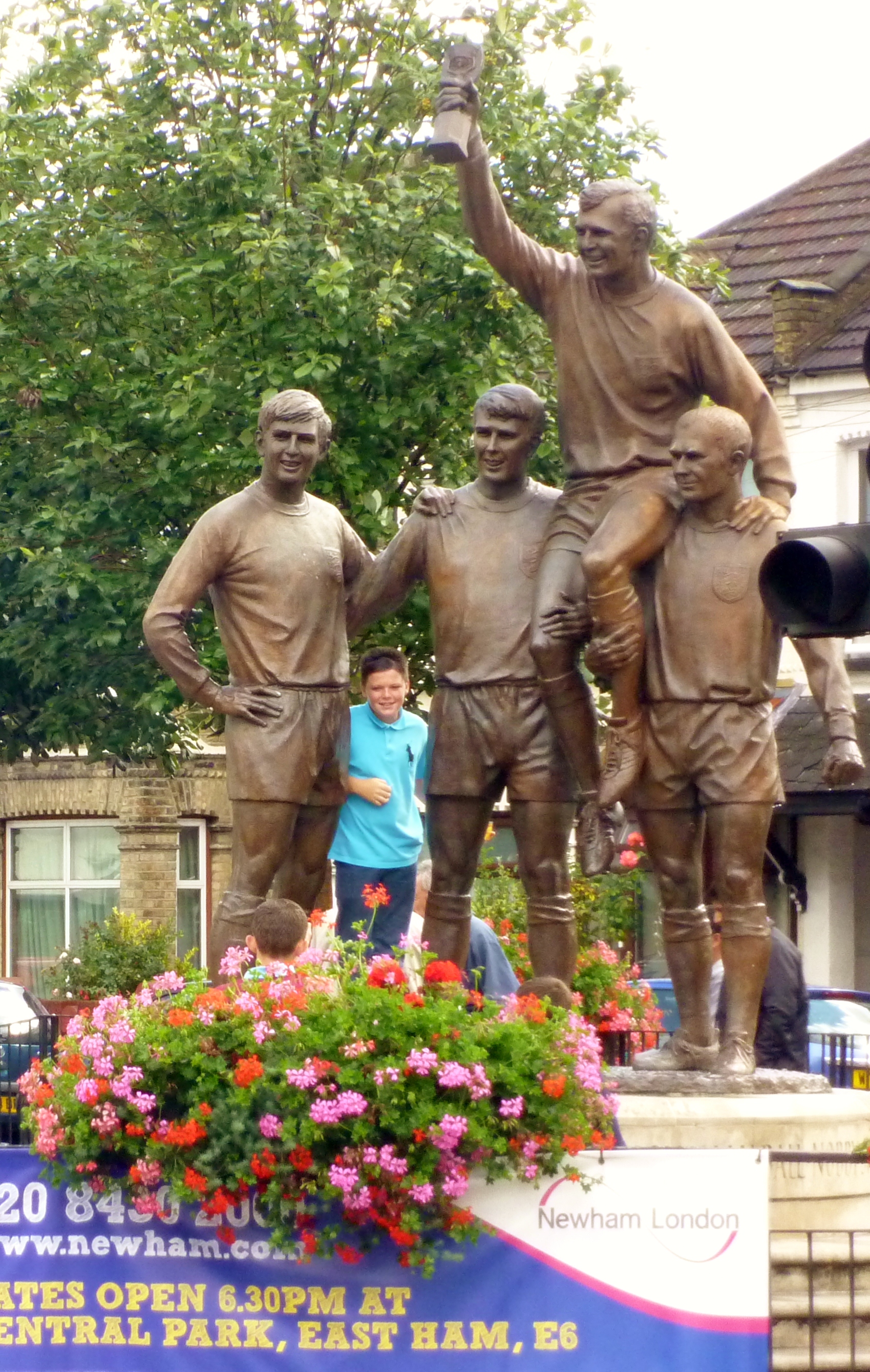
“Economically, it (English football) is heading for a big fall“. I agree. I paid £19 to see Dagenham & Redbridge v AFC Wimbledon on Saturday. Worth the pleasure of watching the Dons come away with three points. If West Ham ever get to the Olympic Stadium, in my view it will be the ruination of the club, not to mention Leyton Orient. I was in a pub in Dagenham on Saturday that had a picture of Bobby Moore on the wall and a West Ham/England flag in front of one of the televisions. The landlord told me he thought the Hammers had done a deal and I think this is the news he was referring to: “Long Olympic Stadium wait almost over for West Ham after ‘positive’ talks, says  Mayor (of London)”, an article in the Daily Mail. However the news in the Guardian two days earlier had been less positive: “West Ham’s move to Olympic Stadium stalls again over approval process“. All this coinciding with the 20th anniversary of the death from cancer of former Hammers and England captain, Bobby Moore.

Bobby Moore Statue, Upton Park Bobby Moore Statue, Upton Park

hamstair_toilichte's avatarThis England

The BBC Sport Price of Football 2012 survey makes interesting, eyebrow-raising and depressing reading, and confirms what fans have long known, anecdotally, that it now costs an arm, a leg and an internal organ to attend a football match. I stopped seeing the team I’ve supported since childhood two seasons ago, due to the sheer cost in money and time going to their matches. As an exile from the club’s town I had to travel to see them, up to 200 miles round trip for a ‘home’ game and perhaps 50-100 miles for away games nearer to where I lived. So that’s many gallons of petrol and hours of travel time, but at least the match tickets weren’t too pricey. No longer – I would now have to pay a minimum of £25 to watch 90 minutes of mediocre Division 2 (Championship my arse) football, during which time I have…

View original post 1,335 more words

Share this:

  • Share on Facebook (Opens in new window) Facebook
  • Share on X (Opens in new window) X
Like Loading...
SPORT AFC Wimbledonprice of footballsoccer Leave a comment

KILBURN

26/02/2013 by borderroamer
Saint Patrick

Saint Patrick

The statue of Saint Patrick at the Sacred Heart Church in Kilburn, London, stands as a reminder of the large Irish community who used to worship here. The chapel at Quex Road was built in 1878/9 and there had been an Irish presence in the area since 1841. In the 1950s and 60s there was an influx of Irish labourers as the suburb was redeveloped, and it became known as Ireland’s 33rd county. But the Irish nature of the parish has now diminished, following the arrival of immigrants from the Indian subcontinent and elsewhere.

The parish is run by the Oblates of Mary Immaculate (OMI) and the parish priest is from Waterford. But his assistants are from areas as diverse as Sri Lanka, the Congo and the Philippines, along with one local man from Willesden, who was ordained in Ireland.

Sacred Heart Church, Kilburn

Sacred Heart Church, Kilburn

The priest from the Congo said the Mass I was at on Sunday morning. The three servers he had on the altar (two of them girls) were coloured and I noticed only a few people in the congregation who seemed to be Irish or were of Irish extraction. But on Sunday March 17th there will be celebrations for the feast of St Patrick.

Irish Papers

Irish Papers

Go out onto the nearby Kilburn High Road and you will still see an Irish influence. Not far from the former State cinema that once house the National Ballroom, I came across a newsagents shop, with a wide selection of Irish provincial newspapers for sale. The last time I saw such a selection was in Easons in Dublin. I was disappointed that among the papers missing were the Northern Standard (Monaghan), the Anglo-Celt (Cavan) and the (Carlow) Nationalist and Leinster Times.  But I’m sure if you went in and asked for any of the other titles, the newsagent would probably order them for you.

Many of the Irish emigrants who came to London never got the chance to return home. There are still some who are living on their own, who were never married and who have lost touch with Ireland. To provide accommodation for them, the Irish Centre Housing (ICH) group has developed a new hostel, close to the Sacred Heart church.

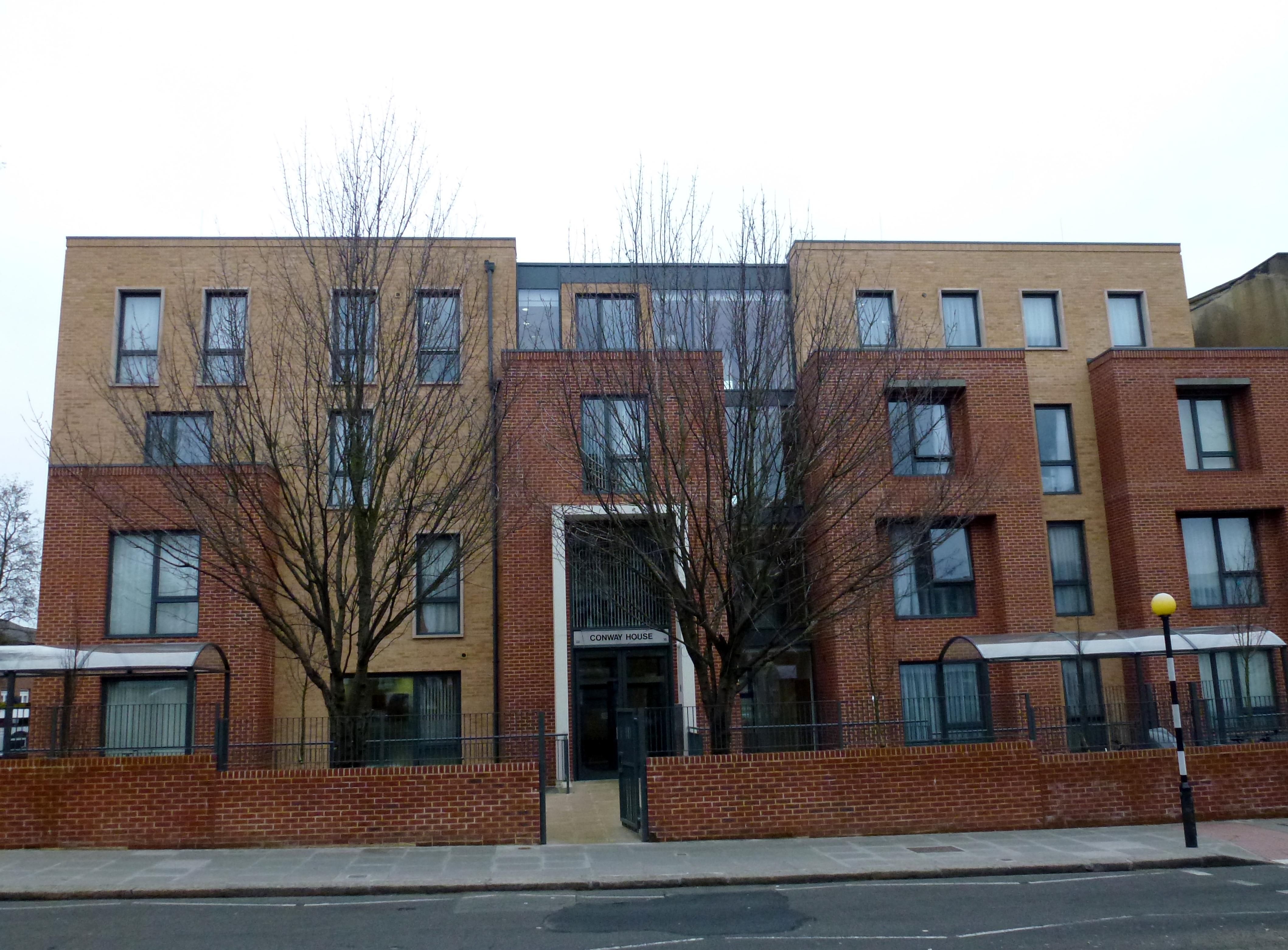
Conway House

Conway House

Conway House was originally the site of a nursing home, acquired from the Sisters of Hope in 1973. The new building costing £4 million contains 60 en-suite rooms for single people. There is an annexe with six flats for renting for family acommodation. The first new residents moved in two months ago at the start of December.  ICH provides accommodation and support for the homeless and those with alcohol, drug and mental health issues, as well as affordable housing for those on local authority waiting lists. The development was financed through Clydesdale Bank and was carried out in association with the London Borough of Camden’s Hostels Pathway project.

Share this:

  • Share on Facebook (Opens in new window) Facebook
  • Share on X (Opens in new window) X
Like Loading...
MONAGHAN NEWS Conway HouseKilburnLondonMonaghanNorthern StandardOblatesQuex RoadSt Patrick 5 Comments

EASTENDERS

25/02/2013 by borderroamer
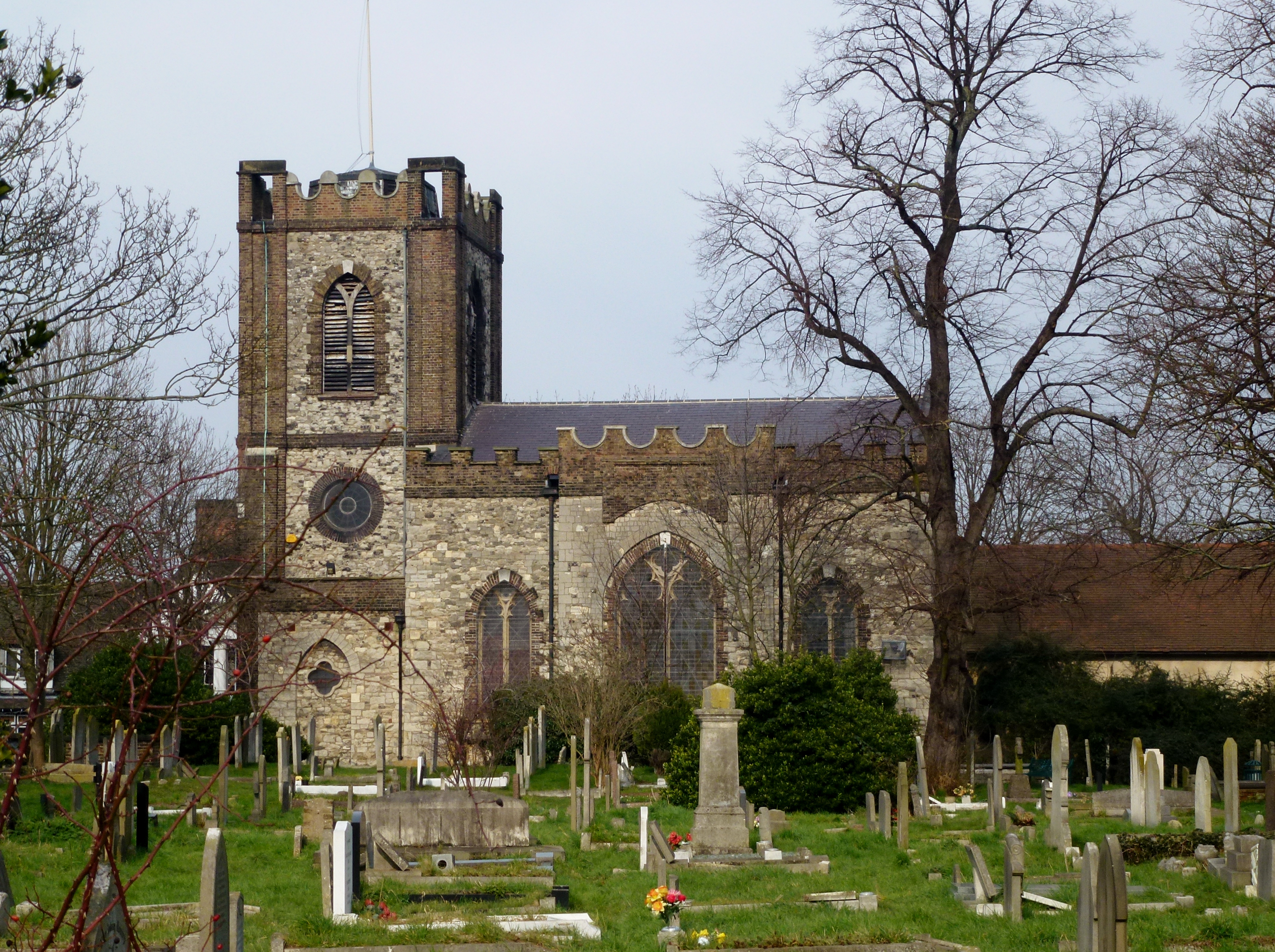
St Peter's & St Paul's Church, Dagenham

St Peter’s & St Paul’s Church, Dagenham

At the heart of any English village you will usually find the Anglican parish church. When I visited Dagenham at the weekend, I did not expect to find much evidence of the past. Yet there is evidence of history around, if you know where to find it. Growing up in Wimbledon, this part of London was a place I only knew as the other end of the District Line close to Upminster. Having set off from Dagenham East underground station I consulted a map and discovered that nestled among the busy main roads, there is a green area marked Dagenham Village, dominated by St Peter and St Paul’s Church.

The parish church is of medieval origins, first mentioned in 1205 and rebuilt in 1800. The building and surrounding churchyard has associations with local families and various famous people. Another building preserved is the former Vicarage, dating from the 17th Century and remodelled in the 19th Century. Close by is the Cross Keys Inn public house, a 15th Century timber-framed hall house which was once a tannery. A former bank and an old national school are among the other buildings which survived redevelopment.

Cross Keys Inn and War Memorial

Cross Keys Inn and War Memorial

The area was once largely rural, a village in Essex first mentioned in a charter of 687. But in 1919 London County Council started planning an expansion of housing and in the next 19 years over 25,000 houses were provided for working class families on the Becontree estate.

In 1972 there was a large-scale demolition of properties in the village as part of a comprehensive redevelopment plan. This led to the development of the Ibscott Close housing estate, bordering the heart of the old village. The development included the creation of a more open space aspect to the church, two new shopping parades, three car parking areas, and new housing. This effectively destroyed the historic integrity and structure of the village, reducing it to a few key components. Dagenham Village Conservation Area Appraisal, September 2009, London Borough of Barking & Dagenham.

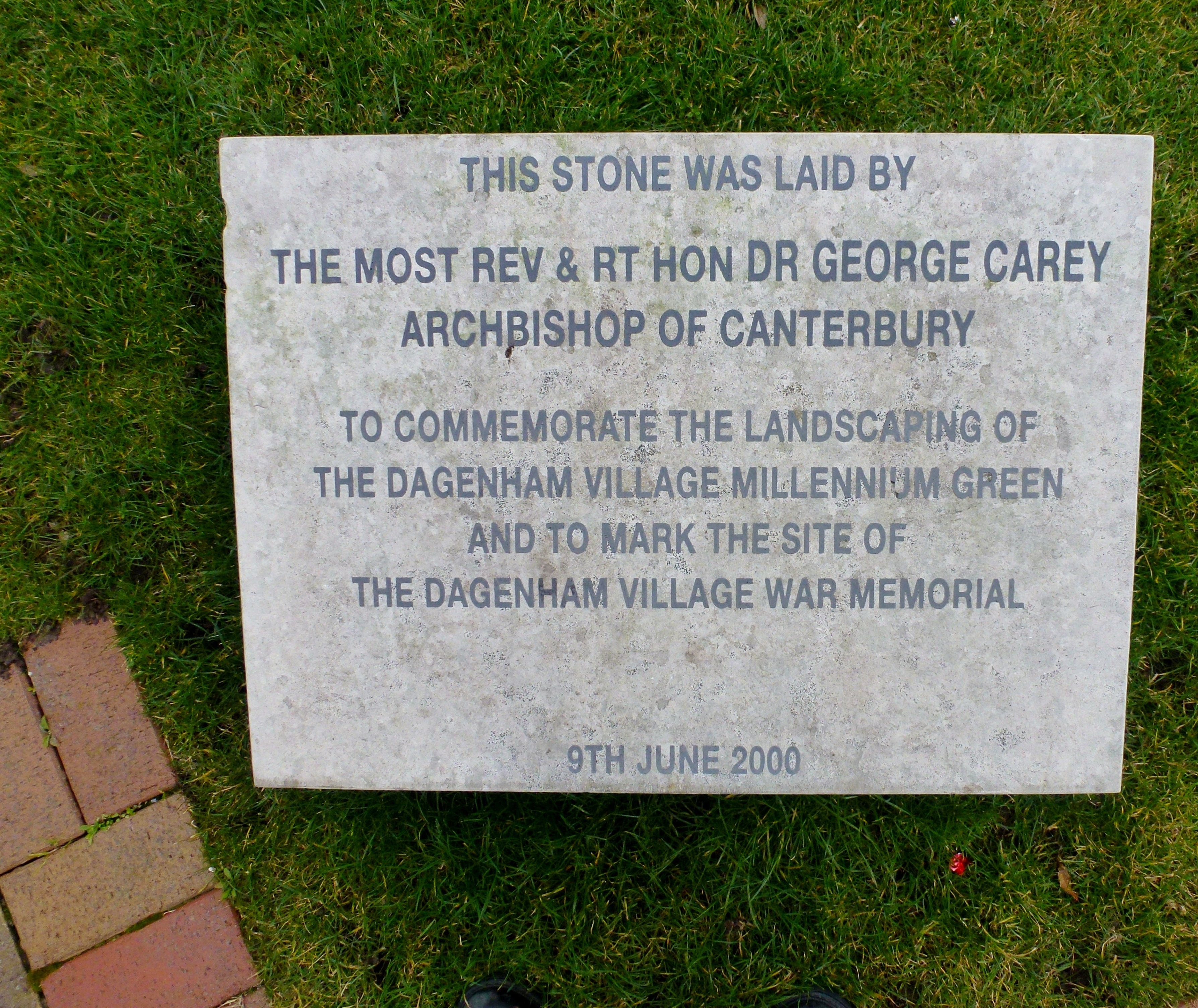
Millennium Green Plaque

Millennium Green Plaque

Walking through the graveyard you will find the last resting places of some interesting people, inclding the parents of the former Archbishop of Canterbury, Dr George Carey, who opened the redesigned green around the second world war memorial to mark the millenium in 2000. As part of the lottery-funded scheme, a flagpole was erected and the union flag is flown. I also spotted the grave of a World War 1 serviceman and also one of a local man who died in an accident as he crossed the newly-opened London to Southend railway line.

When Dagenham expanded, it was also necessary to create employment for the workers. The first big factory was opened by the Ford Motor Company in 1931 when an AA light truck rolled off the assembly line. It produced nearly 11 million cars until vehicle production ceased in 2002. At one stage 40,000 people worked there but now the total is one-tenth of that figure and the plant specialises in making diesel engines. It was announced last year that 1,000 jobs were to go at the stamping plant in Dagenham, according to the GMB union.

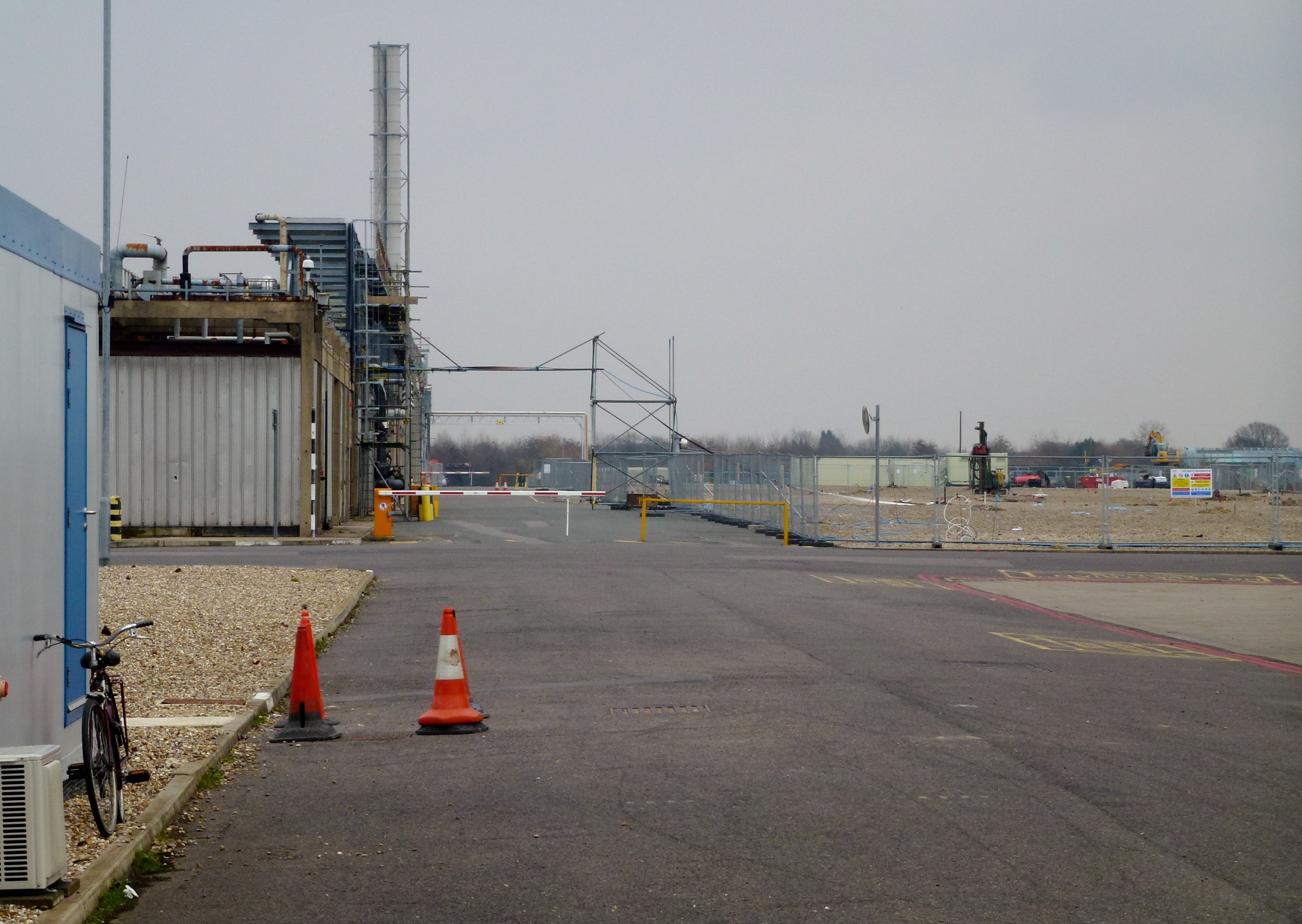
Sanofi Plant, Dagenham

Sanofi Plant, Dagenham

There was further evidence of changing times when I passed the entrance to the huge Sanofi plant close to Dagenham & Redbridge FC. It was announced in November 2009 that the facility would close some time this year with the loss of 450 jobs because  a continued strong decline in demand for its drugs was making the site “economically unsustainable”. Sanofi is one of the world’s largest pharmaceutical companies. It hopes to invest in a major regeneration project, with the potential of creating 2500 jobs. Planning permission for the overhaul of the site includes building a new supermarket, hotel and manufacturing operations while using existing buildings for a health and dental care centre and retaining existing laboratories and scientific manufacturing facilities, with the intention of attracting other technology companies to take them over (The Manufacturer).

An interesting sidebar: The film “Made in Dagenham” which deals with the Ford motor company female sewing machinists’ strike in 1968 over equal pay is being shown on BBC2 on Saturday 9th March at 9:00pm. For the first time for a BBC film, there will be a live tweet-a-long commentary from director Nigel Cole and composer David Arnold, who will give audiences a unique insight into the production process. If you wish to join the conversation on the night, follow the hashtag #bbc2mid.

Share this:

  • Share on Facebook (Opens in new window) Facebook
  • Share on X (Opens in new window) X
Like Loading...
TRAVEL UNCATEGORISED DagenhamDr George CareyMade in Dagenhammillennium greenSanofiSt Peter's & St Paul's 2 Comments

DONS DELIVER IN DAGGERS’ DEN

24/02/2013 by borderroamer
Home of the Daggers

Home of the Daggers

A weekend visit to London gave me the opportunity to see a part of it I had never seen before: Dagenham. Once it was a village in Essex and I manged to find the original village green around the Anglican church. It’s quite close to Dagenham East tube station, which in turn is only a short hop from West Ham. So it’s not surprising that in the pub, I saw a West Ham flag and a picture of Bobby Moore on the wall. I was there to see the local football team play Dagenham & Redbridge in league 2 against AFC Wimbledon. Known as the Daggers, the club was formed in 1992 when two sides merged. Their ground at Victoria Road opened in 1955, where Dagenham FC played.

The Traditional Builders & Contractors Ltd Stand at the West end of the ground is for the awy fans and was built during the close season of 2009. It has a capacity of 1,240 and is all-seated. Access to this  stand is via gates at the far end of the ground from the entrance via Victoria Road. The stand has disabled facilities, and incorporates a bar, snack bar, and new club office and changing facilities. The ground now has a capacity of 6078.

AFC Wimbledon pre-match

AFC Wimbledon pre-match

The players emerge onto the pitch from a tunnel in this stand rather than the old tunnel in the middle of the Carling Stand, on the right of the picture. The floodlights were replaced in summer last year, bringing the London Borough of Barking & Dagenham Stadium fully up to the new Football League regulations. The view from the stand was excellent, particularly for any action in the goalmouth, but obviously more difficult to watch anything at the other end of the pitch! It meant that the 873 travelling Dons fand including myself in the crowd of 2265 got an opportunity to greet the team as they finished their pre-match warm-up.

Neil Sullivan AFCW goalkeeper

Neil Sullivan AFCW goalkeeper

One of the biggest cheers was reserved for goalkeeper Neil Sullivan, who kept a clean sheet during the game. The decisive moment came 80 minutes in, when a 19 year-old Parisian recently signed by the Dons on loan from Cardiff City, Kevin Sainte-Luce, struck a beautiful shot through a crowd of players after the Daggers had failed to clear a corner properly. A tense ten minutes of normal time and four additional minutes followed, but the Dons held out for a deserved victory, giving them seven points from their last three matches and lifting them off the bottom of the table.

Overall, there was a very friendly atmosphere at the club, which reminded me a bit of the old Plough Lane ground where Wimbledon FC used to play. The social club (one of the sponsors is a firm of local undertakers!) sold a nice pint of ale from Cornwall and was worth the extra 50p admission for non-members. One other point of interest: I noticed a steward sporting a Southend FC woolly hat, who remarked to a Dons fan that the teams would be meeting each other at their ground next month in a midweek match. So perhaps another short trip via Southend airport (where the service on both days was very good) is on the cards!

Share this:

  • Share on Facebook (Opens in new window) Facebook
  • Share on X (Opens in new window) X
Like Loading...
SPORT AFC WimbledonDagenham & Redbridge FCDonsEssexKevin Sainte-LuceLeague TwoNeil SullivanSouthend Leave a comment

EMYVALE QUIZ

23/02/2013 by borderroamer
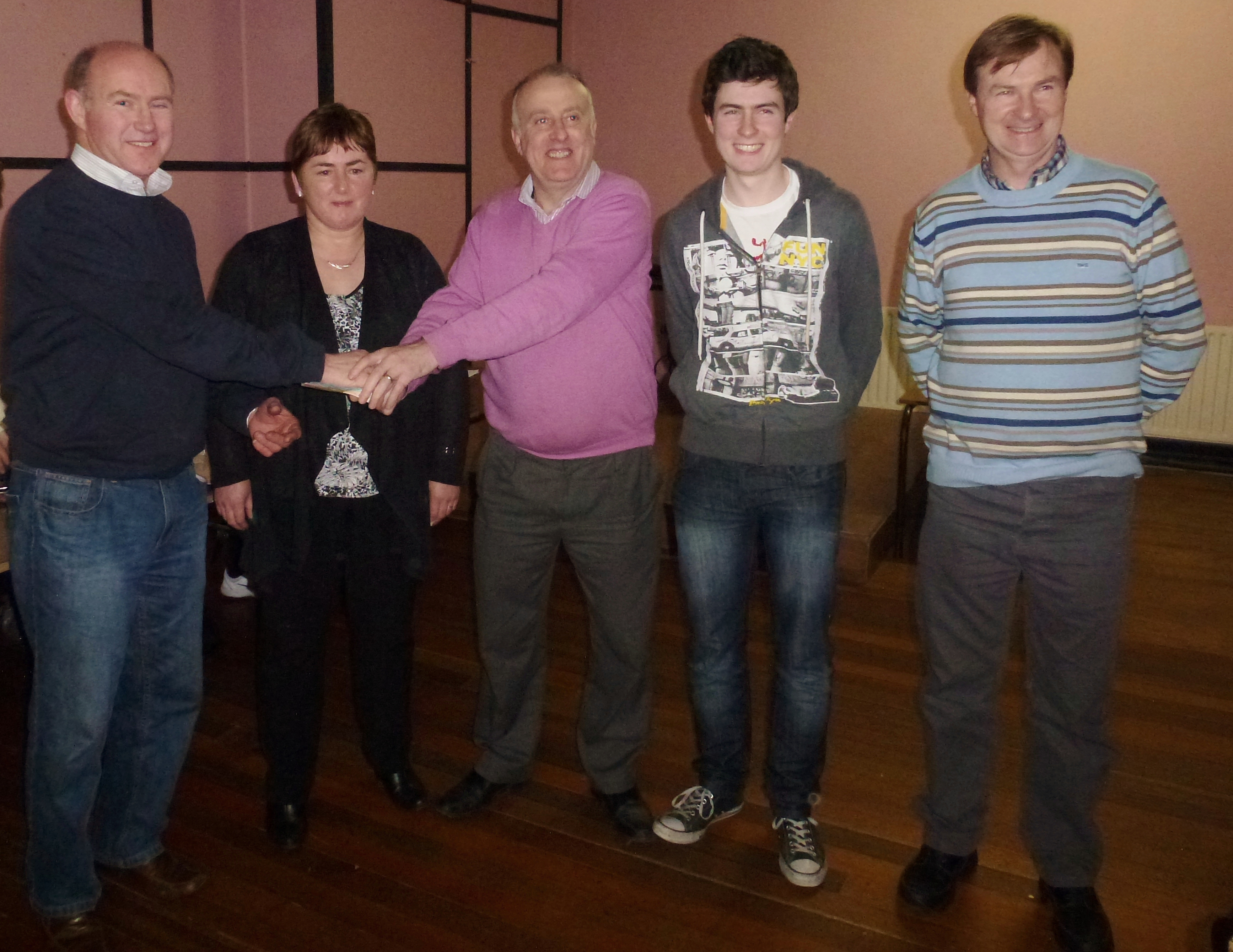
Quiz Winners

Quiz Winners

Table quizzes are very popular, especially in the winter. So it proved in Emyvale, County Monaghan, with two contests running side by side in neighbouring pubs. The Blackwater Steelers, a basketball club, were at the Red Boys. Over at the High House, I was asking the questions for the annual quiz run by Emyvale Cycling Club. I had to do some quick thinking when I inadvertently gave away an answer for one of the questions, which was supposed to be “Ash Wednesday”. Not many of the 18 teams were able to guess who Tommy Bowe’s Ulster rugby colleague is who has just received a call-up for the Ireland team against Scotland at out-half: Paddy Jackson. The winners (on table 5) of the E200 prize were a team from Tydavnet, including Alice Daly. Congratulations to them and to all who took part to make it an enjoyable evening. Thanks also to those who supported the raffle by buying tickets or donating prizes.

Share this:

  • Share on Facebook (Opens in new window) Facebook
  • Share on X (Opens in new window) X
Like Loading...
MONAGHAN NEWS Emyvale Cycling ClubTable QuizTydavnet Leave a comment

Post navigation

← Older posts
Newer posts →

Recent Posts

  • DESMOND FISHER 1920-2014 30/12/2020
  • GAJ AWARDS 2020 24/12/2020
  • COVID-19 REPORTING AWARD 20/12/2020
  • HAPPY 100TH BIRTHDAY 31/03/2020
  • NUJ VOTING REMINDER 26/01/2020
  • WORLD PRESS FREEDOM 20/01/2020
  • REMINDER TO VOTE 18/01/2020
  • BOND, WE’VE BEEN EXPECTING YOU! 17/01/2020
  • NUJ MEMBERS IN IRELAND 09/01/2020
  • NUJ BLAST FROM THE PAST 08/01/2020

Archives

  • Dec 2020 (3)
  • Mar 2020 (1)
  • Jan 2020 (13)
  • Oct 2019 (10)
  • Sep 2019 (30)
  • Aug 2019 (31)
  • Jun 2019 (2)
  • May 2019 (1)
  • Sep 2018 (1)
  • Jul 2017 (1)
  • Dec 2016 (12)
  • Sep 2016 (2)
  • Aug 2016 (5)
  • Jul 2016 (5)
  • Jun 2016 (10)
  • May 2016 (15)
  • Apr 2016 (19)
  • Mar 2016 (14)
  • Jan 2016 (26)
  • Dec 2015 (2)
  • Aug 2015 (1)
  • Jul 2015 (30)
  • Jun 2015 (30)
  • May 2015 (32)
  • Apr 2015 (30)
  • Mar 2015 (31)
  • Feb 2015 (28)
  • Jan 2015 (31)
  • Dec 2014 (31)
  • Nov 2014 (14)
  • Mar 2014 (2)
  • Feb 2014 (2)
  • Jan 2014 (31)
  • Dec 2013 (19)
  • Nov 2013 (17)
  • Oct 2013 (29)
  • Sep 2013 (30)
  • Aug 2013 (31)
  • Jul 2013 (31)
  • Jun 2013 (30)
  • May 2013 (28)
  • Apr 2013 (32)
  • Mar 2013 (31)
  • Feb 2013 (28)
  • Jan 2013 (31)
  • Dec 2012 (3)
  • Oct 2012 (1)
  • Sep 2012 (1)
  • Aug 2012 (2)
  • Jul 2012 (3)
  • Jun 2012 (3)
  • May 2012 (3)
  • Apr 2012 (5)
  • Mar 2012 (1)
  • Jan 2012 (1)
  • Dec 2011 (1)
  • Nov 2011 (1)
  • Jun 2011 (1)
  • May 2011 (1)
  • Apr 2011 (2)
  • Dec 2010 (1)
  • Nov 2010 (3)
  • Oct 2010 (6)
  • Aug 2010 (1)
  • Jul 2010 (7)

Categories

Meta

  • Create account
  • Log in
  • Entries feed
  • Comments feed
  • WordPress.com

Enter your email address to follow this blog and receive notifications of new posts by email.

36th Ulster Division 2013 WPFG AFC Wimbledon An Bord Pleanála Ballinode Balmoral Show Barry McCall Battle of Somme BBC belfast Belfast Festival Belfast Lions Club Big Music Week Birmingham BOSE Bristol Carlow Carrickmacross Castleblayney Catholic Herald Clogher Clones CMAPC Defence Forces Derry Desmond Fisher Dublin EirGrid Emyvale Fine Gael GAA Geel Glaslough Heather Humphreys TD Iarnród Éireann Ice Hockey Ieper Inniskeen Irish Press Kingsmeadow London Meath Michael Fisher Monaghan Monaghan County Council NEC NEPPC Newbridge North/South Interconnector Northern Standard NUJ Odyssey Arena Patrick Comerford Pope Francis Poperinge Private Robert Hamilton PSNI Royal Irish Fusiliers RTÉ SDLP Shamrock Rovers Shared History Shared Future SIPTU St Macartan's Cathedral Tallaght Tydavnet Tyrone Ulster rugby Vatican II William Carleton William Carleton Society William Carleton summer school WW1 WWI WWII

Blog Stats

  • 243,999 hits
Blog at WordPress.com.
Michael Fisher's News
Blog at WordPress.com.
  • Subscribe Subscribed
    • Michael Fisher's News
    • Join 173 other subscribers.
    • Already have a WordPress.com account? Log in now.
    • Michael Fisher's News
    • Subscribe Subscribed
    • Sign up
    • Log in
    • Report this content
    • View site in Reader
    • Manage subscriptions
    • Collapse this bar
 

Loading Comments...
 

    %d