EASTER SUNDAY

St Macartan's Cathedral, Monaghan

St Macartan’s Cathedral, Monaghan

A day for reflection and enjoyment in the company of family, so I will not venture into any lengthy diatribe today. It was my mother’s 93rd birthday, which she celebrated at home in Dublin. Meanwhile I was attending a birthday celebration in Monaghan for my first daughter, who had invited around her cousins, aunts and uncles. We were also fortunate to have our second daughter return home from London on an Easter break.

I attended Easter Sunday Mass at Saint Macartan’s Cathedral in Monaghan and there was a large attendance at the lunchtime service. I reflected on how my grandparents (on my mother’s side) would have attended the major liturgical events here sixty years ago and more. Since they lived at Tirkeenan beside the entrance to the Cathedral, they were frequent attenders at Mass, as my grandfather’s diaries from the time recorded.

I then took the opportunity to visit the graveyard at Latlurcan, where I had attended two funerals earlier this month. My aunt Marie and her husband and my uncle Finbarr Smyth are buried there. Finbarr died in an air crash in the Isle of Wight when I was five and living in London in November 1957. He had been flying out to Madeira on a holiday with Cosmo Meldrum, a friend from Sligo, where he was manager of the Yeats Country Hotel at Rosses Point. The Aquila Airways Short Solent flying boat G-AKNU (pictured here at Funchal Bay) crashed shortly after take-off at Southampton docks.

Short Solent G-AKNU taking off from Funchal Original Photo © J Arthur Dixon, via Wikipedia

Short Solent G-AKNU taking off from Funchal
Original Photo © J Arthur Dixon, via Wikipedia

During a holiday in Madeira in 2011 I discovered more details about the airline and the planes it used since 1949 to bring holidaymakers to the island, as it developed a tourist industry. There was a small exhibition about the flying boats beside the shop at the Madeira Story Centre museum in Funchal. Upstairs there was also a display that included a mock-up of part of the aircraft’s cabin, including the roof racks used to store luggage. Black-and-white archive film played on small monitors showing the planes taking off. It was an emotional experience. I notice that there is now a plaque at St Mary’s church in Brook, close to Chessel Down, containing the names of all those who died in the crash. At some stage I will go to visit it.

Short Solent Cabin Reconstruction, Madeira

Short Solent Cabin Reconstruction, Madeira

45 people died in the crash, seven of them members of the crew. May they rest in peace. Thirteen people managed to survive, among them a former British Army officer Major PW Colan, from Cloyne in County Cork. British commercial flying-boat operations ceased ten months later on 30th September 1958 when Aquila Airways withdrew its Madeira service. The flying boats for passenger traffic were a variation of the Sunderlands which provided important service from Lough Erne and other RAF bases in the Second World War. They were built by Short Brothers and Harland in Belfast.

DERRY: BACK ON TRACK

Waterside station, L'Derry

Waterside station, L’Derry

I wrote a blog recently (or started it) while travelling back from Coleraine on the train to Belfast. It was about the Setanta Cup match at the Showgrounds, which Shamrock Rovers won. Now I am writing on the move again, on the same stretch of track. But the difference this time is that I am returning from a day out in Derry.

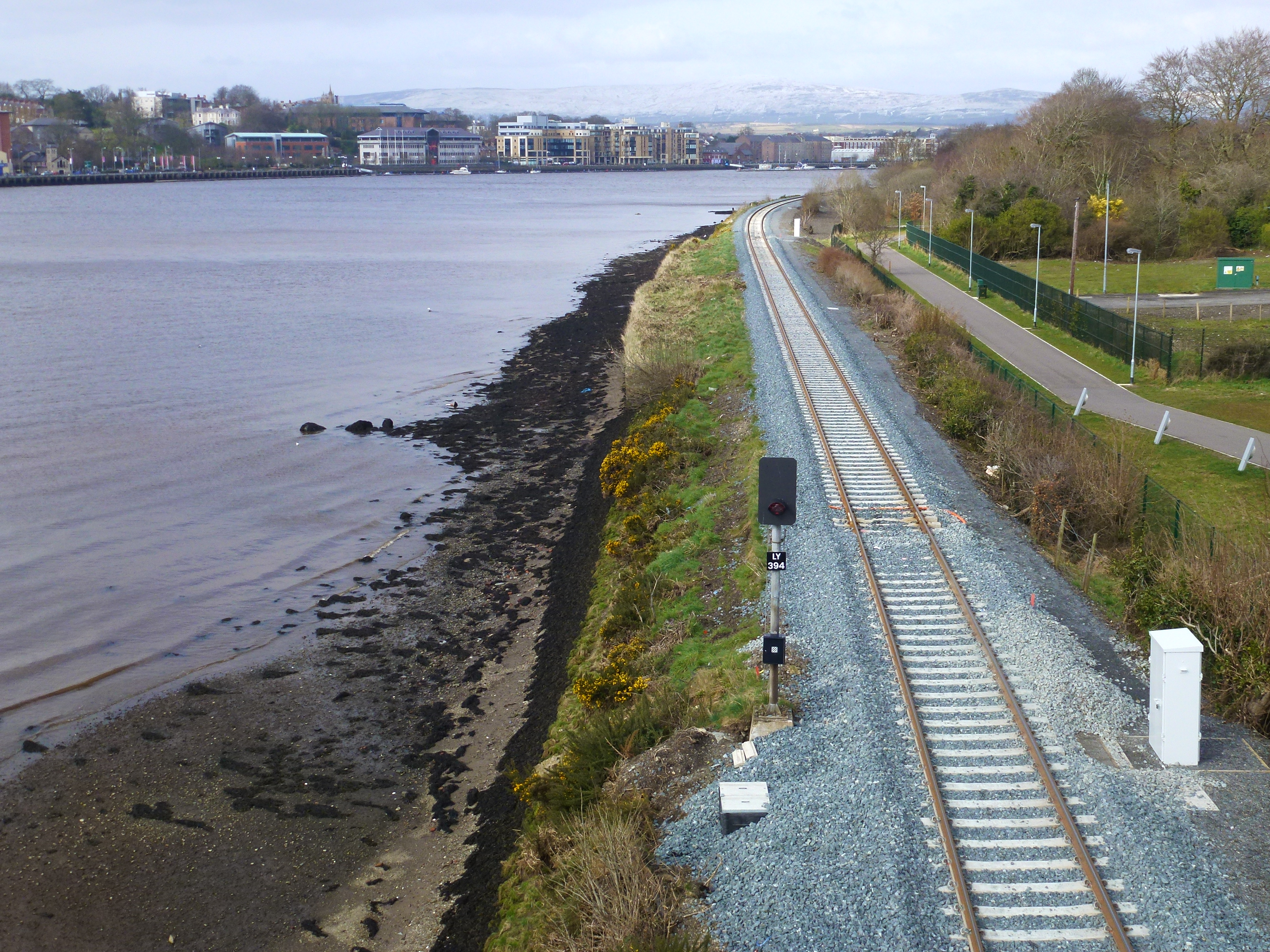
Single Track replaced alongside Lough Foyle (viewed from Peace Bridge)

Single Track replaced alongside Lough Foyle (viewed from Peace Bridge)

Derry station

Derry station

Northern Ireland Railways (Translink) has just re-opened the line from Coleraine in County Londonderry to Derry City. The new timetable began this morning with the 09:20 service from Great Victoria Street station in Belfast, arriving at the Waterside station in Londonderry at 11:33am, one minute ahead of schedule. But even with the new track, the train takes nearly half an hour longer than the Goldliner express bus, which terminates at Foyle Street bus station, near the Guildhall.

This important rail infrastructure project has been timed to coincide with Derry being the UK Capital of Culture for 2013. It marks the completion of the first phase of the track renewal and improvement project at a cost of over £30m. Translink say it will secure the long-term future and sustainability of the Northern corridor rail link which provides vital connections to jobs, colleges, universities, shops, businesses and local attractions.

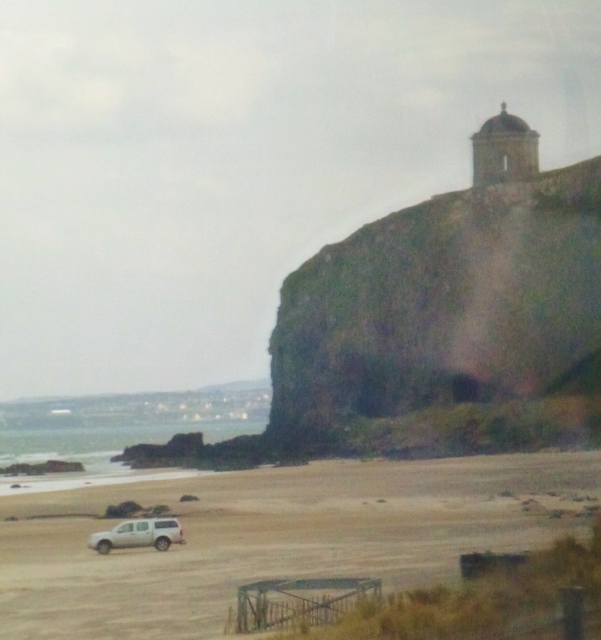
Mussenden Temple, Benone Strand

Mussenden Temple, Benone Strand

Peace Bridge from train

Peace Bridge from train

The GAA Congress was held in Derry for the first time this weekend and brought several hundred delegates from clubs throughout the island and further beyond to this rejuvenated city.

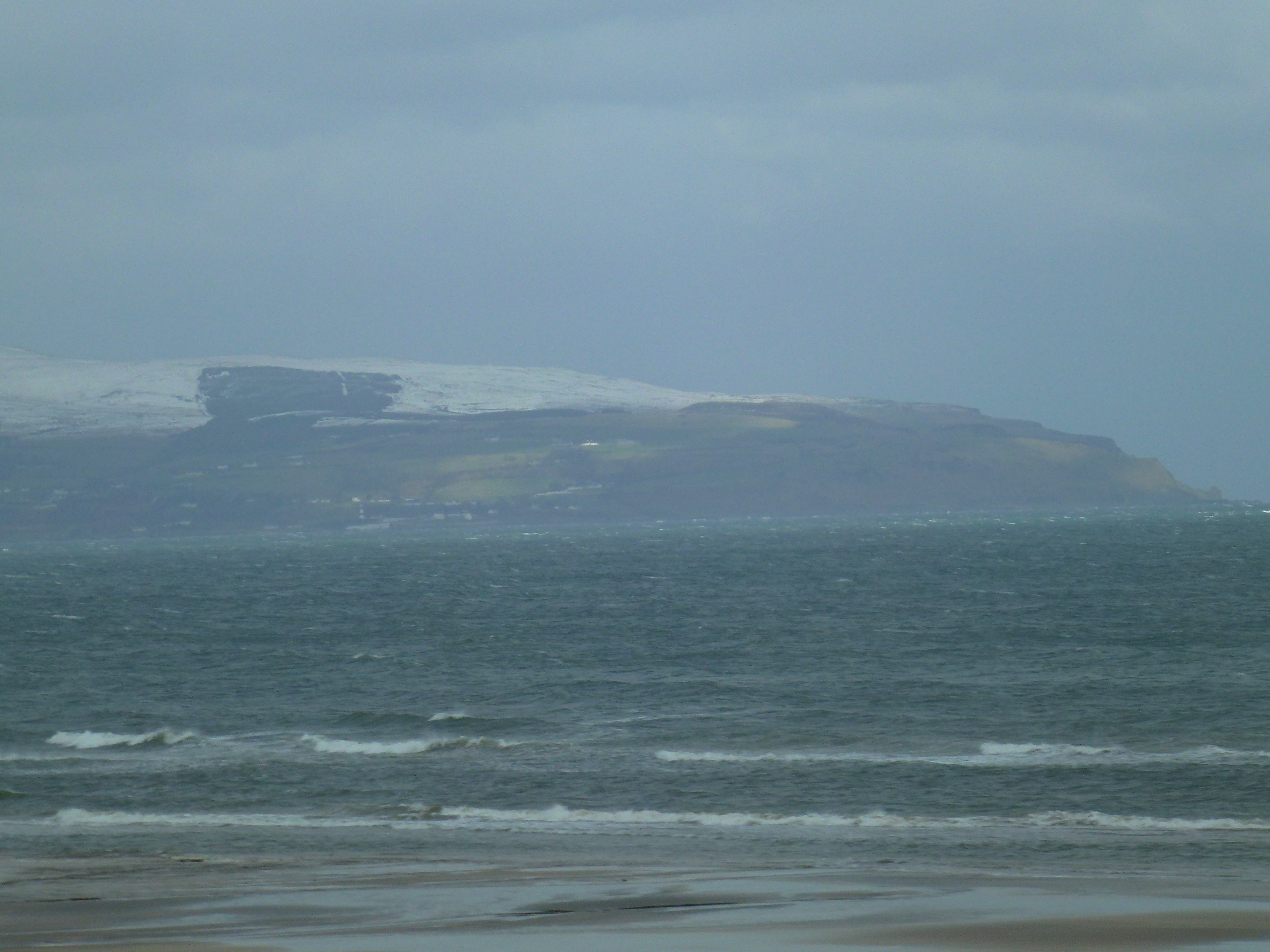
View from near Castlerock across towards Shrove, Moville, Inishowen

View from near Castlerock across towards Shrove, Moville, Inishowen

This blog was originally published as the train back to Belfast arrived at Yorkgate staion. I updated it later with a link to the new timetable. All in all, a very enjoyable day out, including a nice lunch at a popular bistro close to the station. So at this stage I think thanks are due to the Into the West rail link campaigners such as Eamonn McCann and the local politicians such as rail enthusiast John Dallat for putting the pressure on Translink to deliver what I hope will be a very successful improved service linking the two main cities in the North.

BRISTOL BUILT BY BRUNEL

Brunel's original station

Brunel’s original station

Look around you in Bristol and the influence of one man is clear to see: the engineer, Isambard Kingdom Brunel (1806-59). If you arrive by train at Temple Meads station, you will see on your right hand side as you leave the main entrance to walk down to the main road the original station built by Brunel for the Great Western Railway of which he was chief engineer. Opened in 1840, it served the route to London Paddington and continues to do so. I noticed there is now also a connection run by South Western trains to London Waterloo, taking an hour longer but possibly cheaper, depending on the time of travel.

Brunel's station

Brunel’s station

Brunel built his railway using a broad gauge  measuring 7 feet 0 14 inches. This helped to provide additional comfort for passengers but made construction more expensive. Later a standard gauge was introduced of  4 feet 8 12 inches, although in Ireland a slightly wider gauge was chosen of 5 feet 3 inches. Temple Meads station is now owned by Network Rail and is one of the busiest railway hubs outside London.  It is operated under a franchise by First Great Western, who provide the majority of trains to London, along with local services and routes to destinations such as Cardiff, Southampton, Portsmouth and Weymouth.

Clifton Suspension Bridge

Clifton Suspension Bridge

One of Brunel’s best known projects is the Clifton Suspension Bridge, spanning the gorge above the River Avon and linking Clifton in Bristol with Leigh Woods in North Somerset, a National Trust property. With a span of over 700 feet, this made it the longest span of any bridge in the world at the time of its construction, which started in 1831. Brunel did not live to see its completion in 1864, five years after his death. Work had been suspended for a number of years owing to a lack of funding. At the bottom of the cliff where there is a winding path up to the level of the bridge, there is a derelict building. It still carries the sign “Clifton Rocks Railway”.

Clifton Rocks Railway

Clifton Rocks Railway

This was a water-powered funicular railway to take visitors up to the top of the cliff.  I have just noticed that I was passing the site almost to the day that coincided with the 120th anniversary of its opening. It closed in 1934 and during the second world war it was used a a secret transmission base for the BBC. I never realised that when I was working for the BBC in Bristol! The information can be found on the website of the trust which is trying to restore the railway, the top entrance to which is located beside the Avon Gorge Hotel. Details of the trust’s open days can be found here.

SS Great Britain

SS Great Britain Stern

The other significant project for which Brunel is known is the construction of the SS Great Britain. Brunel had become convinced of the superiority of propeller-driven ships over paddle wheels. After tests, he incorporated a large six-bladed propeller into his design for the 322-foot Great Britain, which was launched in 1843. She is considered to be the first modern ship, being built of metal rather than wood, powered by an engine rather than wind or oars, and driven by propeller rather than paddle wheel. She was the first iron-hulled, propeller-driven ship to cross the Atlantic Ocean. Her maiden voyage was made in August and September 1845, from Liverpool to New York. In 1846, she ran aground at Dundrum Bay, off the County Down coast. She was salvaged and then re-entered service  for the route to Australia. The ship was also used to carry troops such as the 57th Regiment of Foot, along with their horses and supplies, heading to the Crimean campaign.

SS Great Britain Dundrum Bay 1846

SS Great Britain Dundrum Bay 1846

There are a number of statues dotted throughout Britsol. I saw one for the Irish orator and MP Edmund Burke, one of Queen Victoria and another for Edward Colston, a businessman and benefactor. But I did not see any memorial for Brunel, apart from his works. There is one at Temple in London. So reader, if you seek his monument, look around you, or as the Latin inscription  on the tomb of Sir Christopher Wren at St Paul’s Cathedral states ” LECTOR SI MONUMENTUM REQUIRIS CIRCUMSPICE“.

ADAM CLARKE: LEADING METHODIST

John Wesley's Chapel, Bristol

John Wesley’s Chapel, Bristol

During a visit to Bristol, I went to visit an important place for the Methdist Church in Britain and Ireland. John Wesley established a new chapel in the city centre in 1739, when it became the first Methodist building in the world. It was called the “New Room” in the Horsefair. I referred to it in a previous blog.

Pulpit

Pulpit

The two-decker pulpit followed the custom of those days. The upper part was used for the sermon and the lower part for the rest of the service. The present upper part is a replica. The communion table is that which was used by Wesley. The people sat on plain benches. Wesley gave the clock. The Snetzler Chamber Organ of 1761 on the right hand side of the gallery, as you face the pulpit, was brought here in the present century. Wesley presided at eighteen Conferences here.

Upstairs is the Common Room, with quarters for the Methodist preachers who came to Bristol. The bedrooms contain displays about the history of the Church and the spreading of Methodist teachings to the USA and elsewhere.

On one of the walls, I found a portrait of another significant figure in Methodism, Adam Clarke. A note beside it said he was born in Ireland and on checking a reference book, I discovered he was from County Londonderry.

Adam Clarke

Adam Clarke

Clarke was born in Moybeg Kirley, a townland on the edge of Tobermore off the road towards Draperstown, in the parish of Kilcronaghan, gateway to the Sperrin Mountains. His father was a schoolmaster and farmer. John Wesley invited him to become a pupil at a seminary he established at Kingswood in Bristol. He went on to become an eminent scholar and theologian. He is best known for his commentary on the Bible: “The Holy Bible: containing the Old and New Testaments, according to the authorized translation; with all the parallel text and marginal readings. To which are added, notes and practical observations, designed as a help to a
correct understanding of the sacred writings” (1810-1837).

Thanks to a former Belfast TV news colleague David Blevins for pointing out that there is a memorial to Adam Clarke in Portrush, Co.Antrim. A biography, The Life of the Rev. Andrew Clarke (JW Etheridge, 1859) says in a footnote p.399 that:-

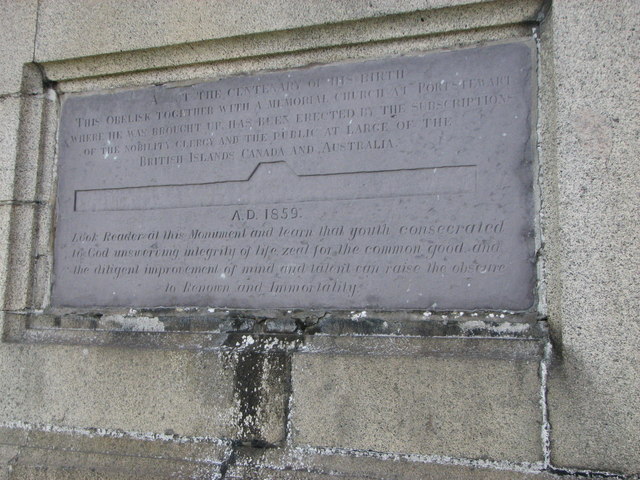
The Adam Clarke Memorial, (under the patronage of the Right Hon. the earl of Antrim, and John Crombie, Esq., J.P., D.L.,) is to consist of a “school, church, and minister’s house, at Port-Stewart, and an obelisk and statue at Port-Rush, near Coleraine.” The foundation stone of the obelisk was laid in September, 1857, with great public solemnities. The base is seven feet square and eight feet high, from which the monument will rise to a height of forty-two feet; which, taking the elevation of the site, will be equal to one hundred and twenty feet above the level of the sea. Close to the base will be the statue of Dr. Clarke, contributed by public offerings in America”.

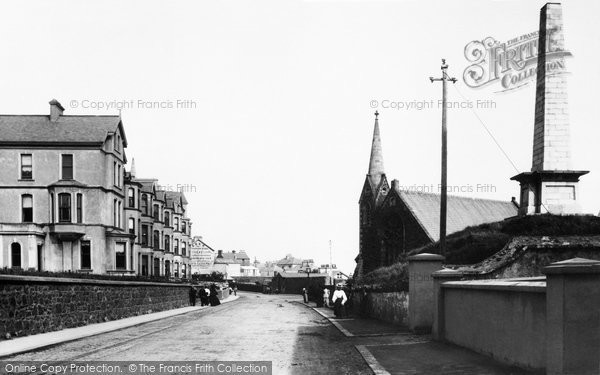
The Francis Frith collection of photographs has an interesting picture of the obelisk beside the Methodist church at Portrush in 1897:

Photo of Portrush, Adam Clarke's Memorial 1897, ref. 40407

Reproduced courtesy of Francis Frith.

Willie Duffin has more recent photographs (2009) of the information plaques on the side of the obelisk and also a circular plaque on the wall of the church.

Adam Clarke Obelisk Plaque

Adam Clarke Obelisk Plaque © Copyright Willie Duffin and licensed for reuse under Creative Commons Licence

Adam Clarke Obelisk Plaque © Copyright Willie Duffin and licensed for reuse under Creative Commons Licence

Adam Clarke Obelisk Plaque © Copyright Willie Duffin and licensed for reuse under Creative Commons Licence

Adam Clarke Plaque © Copyright Willie Duffin and licensed for reuse under Creative Commons Licence

Adam Clarke Plaque on Church Wall           © Copyright Willie Duffin and licensed for reuse under Creative Commons Licence

S.S.GREAT BRITAIN

SS Great Britain

SS Great Britain

This is the story of Brunel’s ship, now preserved at Bristol Docks after being rescued from the Falkland Islands in 1970. Launched in 1843, she was the world’s largest ship and the first iron-hulled passenger vessel. Thousands flocked to her launch in Bristol. The ship became a huge success, travelling 32 times around the globe and clocking up nearly 1 million miles at sea.

Dundrum Bay 1846 But in 1846, a few years after the launch, there was a near disaster for the ship. The Dundrum Bay story of 1846 is featured in part of the exhibition in the former dock building alongside the preserved ship. The web page devoted to the ship’s designer, Isambard Kingdom Brunel, tells the story as follows:-

On 22nd September 1846, the Great Britain sailed from Liverpool on her fifth voyage with 180 passengers, the most that she had ever carried. Later that night while passing the coast of County Down, she ran aground in Dundrum Bay. It was a squally night with rain and Chicken Rock Light on the Isle of Man had not been sighted and the ship ran too far before turning up the Irish coast. There were no casualties and the passengers were embarked next day but the Great Britain was stuck fast and holed. It was nearly twelve months before the ship was towed back to Liverpool at the end of August 1847. The cost of repairs were estimated at £22,000 but the ship was under insured and the company did not have the resources to cover the difference. Consequently, the company was forced to sell its two famous ships the Great Western and the Great Britain“.

SS Great Britain

SS Great Britain

Entrance to the ship and dockside museum costs £12.95 (£10.95 concession over 60).

BATH TIME

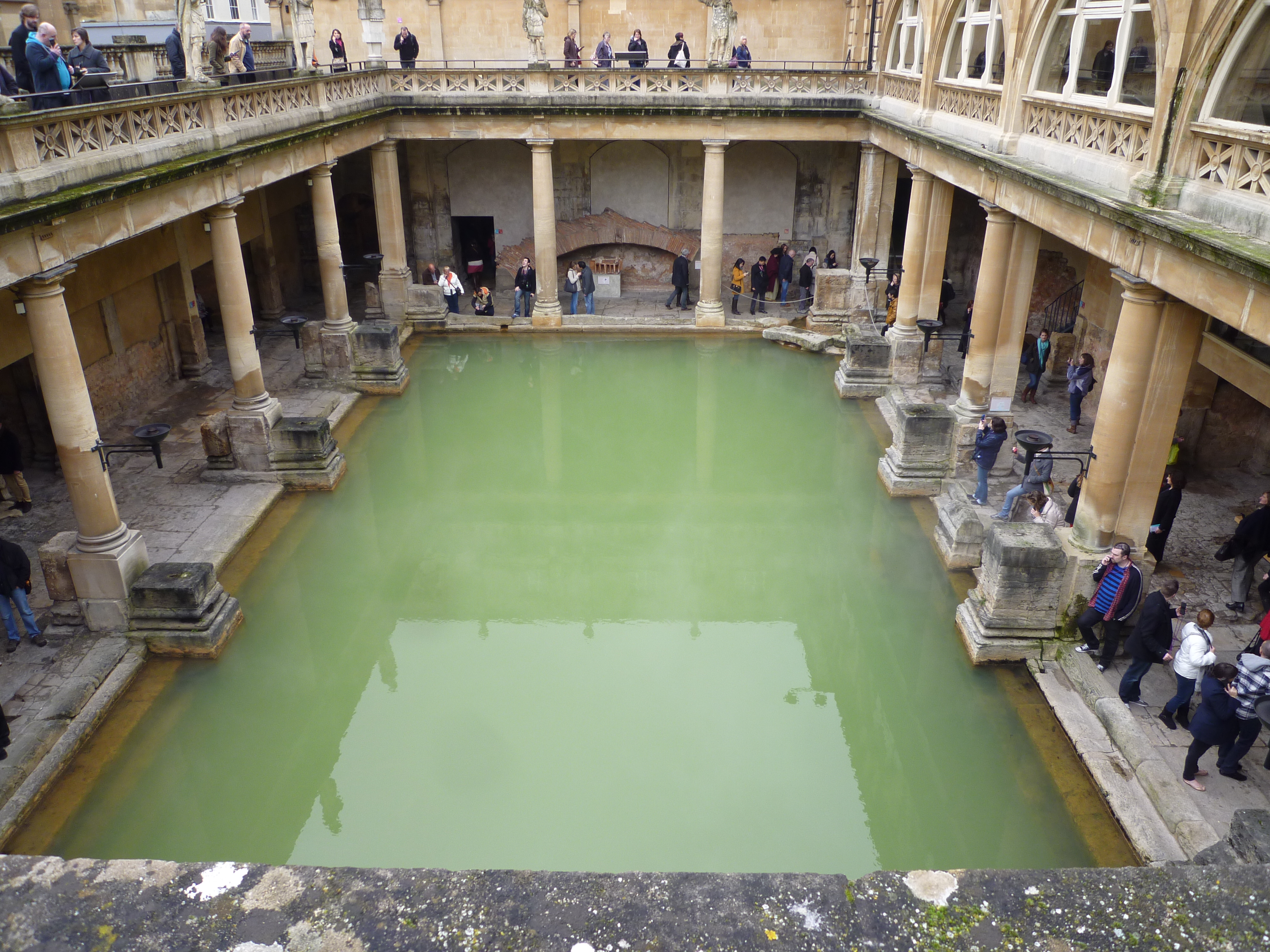
Roman Baths, Bath

Roman Baths, Bath

A very interesting visit to Bath to see the Roman Baths. The last time I was here was probably in 1975. Since then, more excavations have revealed further parts of the Roman complex. With the aid of a good audio guide, which was included in the admission price (£12.75 for adults), we spent two hours here. It’s easy to see why this is one of Britain’s top tourist attractions.  

Under floor heating!

Under floor heating!

Even on a dull day in March, there were queues to enter the complex, but the waiting time was not long. The Roman engineering and architectural skills were very similar to that in Pompeii, which I saw last August.
Bath Crescent

Bath Crescent

After visiting the Baths, it was time to see a bit more of Bath, including the famous Georgian Crescent and Bath Abbey, with its beautiful fan-vaulted roof and an impressive entrance door, where a Trident missile protest was being held.   

Bath Abbey entrance

Bath Abbey entrance


We took the train to and from Bristol. Less then a quarter of an hour’s journey for just over £2 each way on a group ticket (six travelling).  Very good value indeed for public transport.

BACK IN BRISTOL

Many years ago in 1975 I worked in Bristol for a few months on an attachment with the BBC regional newsroom. I haven’t been back to the city until today, and will spend a weekend there with friends. So I expect to notice some changes, in particular the area around the former docks.

Bristol was once an important centre in the slave trade, a past it probably wants to forget. Anti-slavery campaigners, inspired by non-conformist preachers such as John Wesley, started some of the earliest campaigns for abolition of the trade. The campaign itself proved to be the beginning of movements for reform and women’s emancipation.

John Wesley

John Wesley

Wesley founded the very first Methodist Chapel, The New Room in Broadmead in 1739, which is still in use in the 21st century. Wesley had come to Bristol at the invitation of George Whitfield. He preached in the open air to miners and brickworkers at Kingswood and Hanham, on the eastern outskirts of the city (Wikipedia). Bristol has an importance second only to London in the history of Methodism.

Bristol is also known as an important centre for the aircraft and aerospace industry. When I arrived here at St Augustine’s Reach, I was reminded that this was also a major city for shipbuilding. The area around the old harbour has been developed with bars and restaurants and is now a very lively place, compared to what it was like over 35 years ago!

St Augustine's Reach

St Augustine’s Reach

ATHLONE: BORDER TOWN

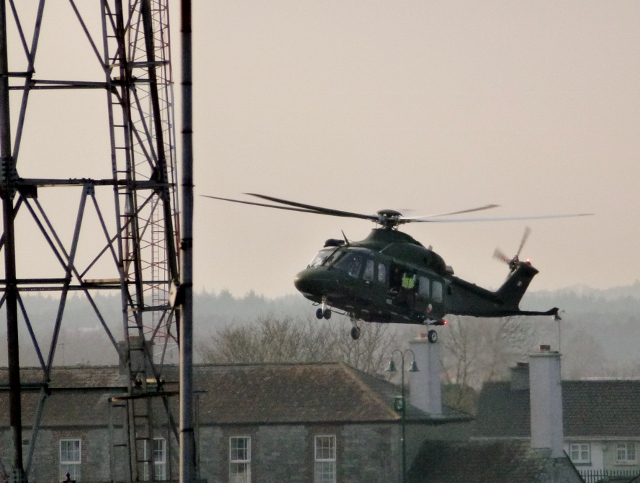
AgustaWestland AW139 Irish Air Corps Helicopter:Photo © Michael Fisher

AgustaWestland AW139 Irish Air Corps Helicopter:
Photo © Michael Fisher

An Irish Air Corps helicopter comes into land at an army barracks in a border town. But this is not near the state border between the Republic and Northern Ireland. As part of the peace process, Monaghan barracks has been demolished and is now an educational campus, with a new theatre.

My picture of an AgustaWestland AW139 was taken this afternoon in Athlone. It is one of six such aircraft in the Air Corps fleet. The observation point was from the Castle, looking across towards Custume Barracks. Until last year, it was the headquarters of Western command, but under reorganisation the 1,000 soldiers based there became part of what is now 2nd Brigade, with headquarters at Cathal Brugha Barracks in Dublin. The helicopter is providing an air ambulance service (Emergency Aeromedical Service) with air corps crew and one HSE paramedic on a trial basis until June. At the moment the EC-135 helicopter normally used is being rebuilt after an accident and the Westland helicopter operates from Baldonnel, Co. Dublin.

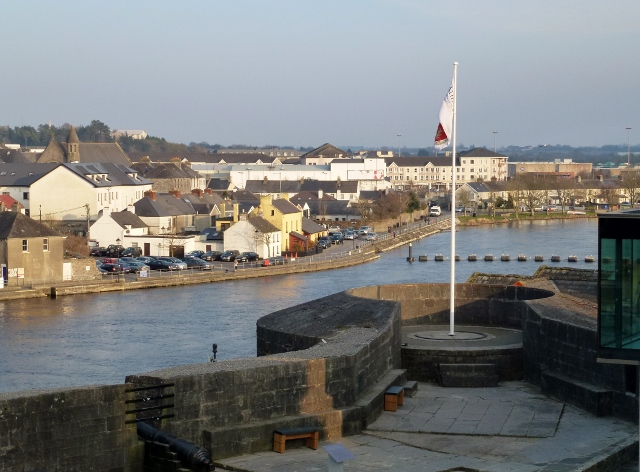
Athlone Castle & River Shannon

Athlone Castle & River Shannon

Athlone is an important gateway on the River Shannon. It is where Leinster (Longford, Westmeath) meets Connacht (Roscommon). The river, which has its source in Ulster (Shannon Pot) is the border between East and West. This is close to the centre of the island of Ireland. I remember passing this point on what was then the main Dublin to Galway Road when our family was heading to the West for a holiday in the 1960s. In those days the Castle was not open to the public, except for a small museum run by the Old Athlone Society. But the complex has now been developed and last week a new €4.3million visitor centre was officially opened.

Unfortunately my visit to the complex was only brief, as the last admissions are one hour before closing time, to enable visitors to take full advantage of the interactive displays. Thanks to a very helpful staff member, who wanted to give me an idea of the displays, I got a chance to look at the first gallery, featuring the early (Celtic) history of the town.  The new participatory experience has been developed by Event Communications, the same company which designed displays at Titanic Belfast and the Giant’s Causeway Visitor Centre in County Antrim.

Luan Gallery, Áth Luain

Luan Gallery, Áth Luain

The new Luan Gallery just across the road was closed. A pity, because I would like to have seen the controversial H-Block art work “Fragmens Sur Les Institutions Républicaines IV” by Longford artist Shane Cullen. At the opening of the exhibition three months ago, the former Fine Gael Minister for Justice Paddy Cooney criticised the display and called on the Town Council to get it removed. Perhaps he has forgotten his history.

IRA Statue, Athlone

IRA Statue, Athlone

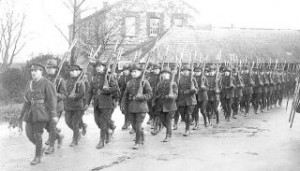
Only a few hundred metres away at the other end of the bridge there is a statue by Desmond Broe of an IRA volunteer in memory of members of the Athlone Brigade who lost their lives in the fight for independence. The same men who marched into the garrison (then Victoria Barracks) on February 28th 1922 to take it over from the British forces after the Anglo-Irish Treaty was signed. They were led by General Seán Mac Eoin,  accompanied by Brigadier George Adamson.

Free State soldiers march into Victoria (Custume) Barracks

Free State soldiers march into Victoria Barracks Photo:  IrishVolunteers.org

 Two months later Adamson was shot dead by anti-treaty forces. His is one of the names on the memorial, along with John Blaney, although the inscriptions on two sides written in Irish and English give the dates as 1916 (Easter Rising) to 1921. Athlone Castle was later renamed Adamson Castle in his honour. Thank you to a reader who drew my attention to the silent film of the event which was is copyright © British Pathe and can be previewed here. Well worth looking at to see the picture of Commandant General Mac Eoin (the “Blacksmith of Ballinalee”) addressing his troops.

Count John McCormack

Count John McCormack

Another interesting statue along the bank of the River Shannon and close to the Luan Gallery is that of the internationally renowned tenor, Count  John McCormack. Born in Drumsna, he was baptised at St Mary’s Church in Athlone on 23rd June 1884. His parents were employed at the Athlone Woollen Mills. St Mary’s is on the Westmeath side of the town. At the moment, it is upgraded to a pro-Cathedral, following the fire at St Mel’s in Longford, which is undergoing a €30 million restoration. This means it serves as the seat for the Bishop of Ardagh and Clonmacnois, Dr Colm O’Reilly. Which reminds me of one other border in the town: the ecclesiastical one. The impressive church of St Peter and St Paul beside the Castle on the Roscommon side of the river is in the Diocese of Elphin, which stretches as far as Sligo. So there are plenty of interesting things to see and do here.

St Mary's Athlone

St Mary’s Athlone

If you want to go for a meal, there is a good selection of restaurants on both sides of the bridge. I lunched at the Olive Grove and sat at a table with a splendid view alongside the River, immediately opposite the Castle. When I went over to the Castle after the meal, I noticed that two cannons dating from the 18th Century were pointing across at the restaurant!  They are marked “GR” referring to the reign of George II. The lunch was very enjoyable and contained a range of fresh Irish products, including  Fivemiletown goat’s cheese from County Tyrone. It also had two main courses based on Silver Hill duck, from Emyvale in County Monaghan. It’s important to know the source of your food nowadays.

Cannon at Athlone Castle

Cannon at Athlone Castle

SS Peter & Paul, Athlone

SS Peter & Paul, Athlone

EASTENDERS

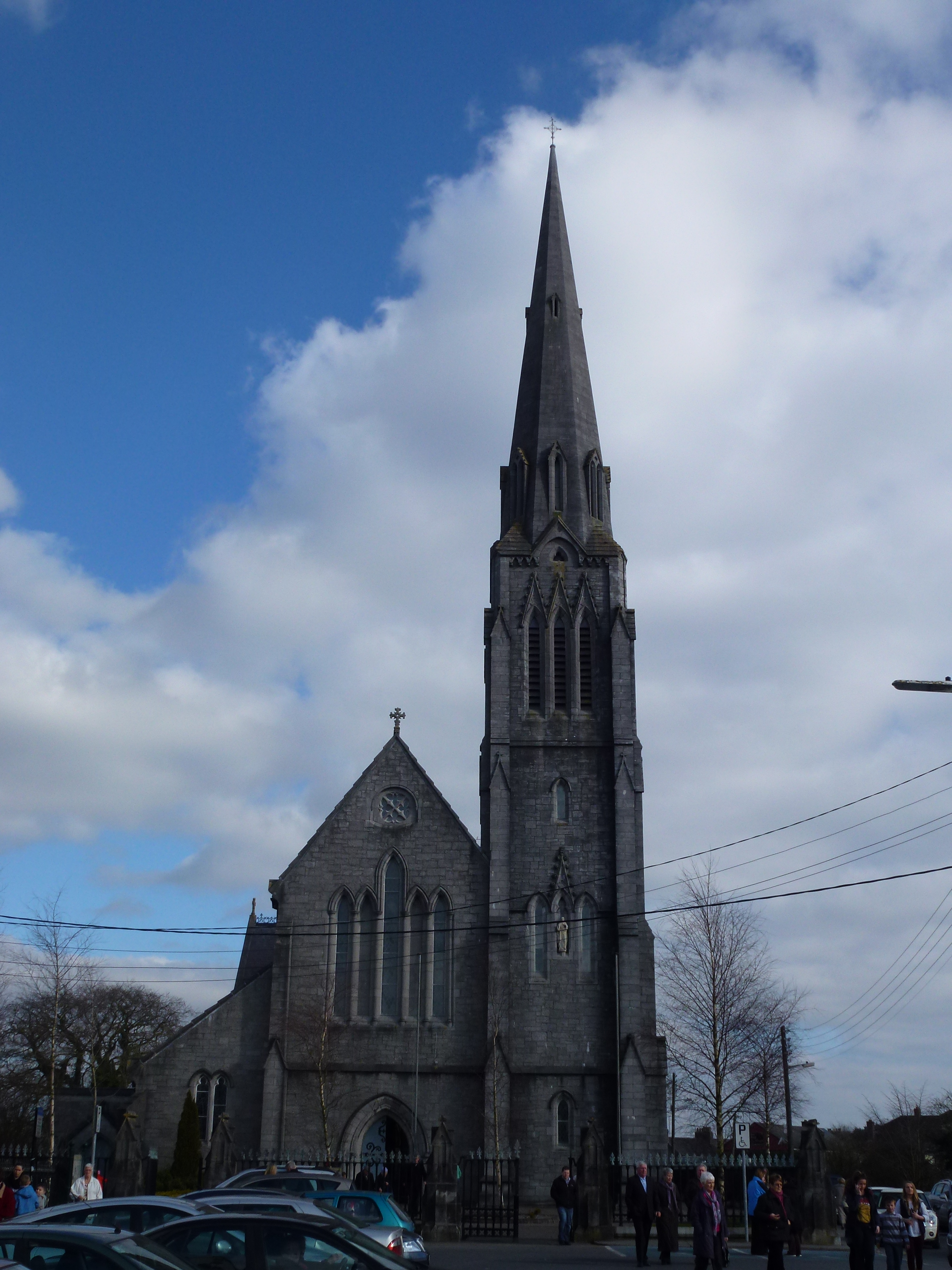
St Peter's & St Paul's Church, Dagenham

St Peter’s & St Paul’s Church, Dagenham

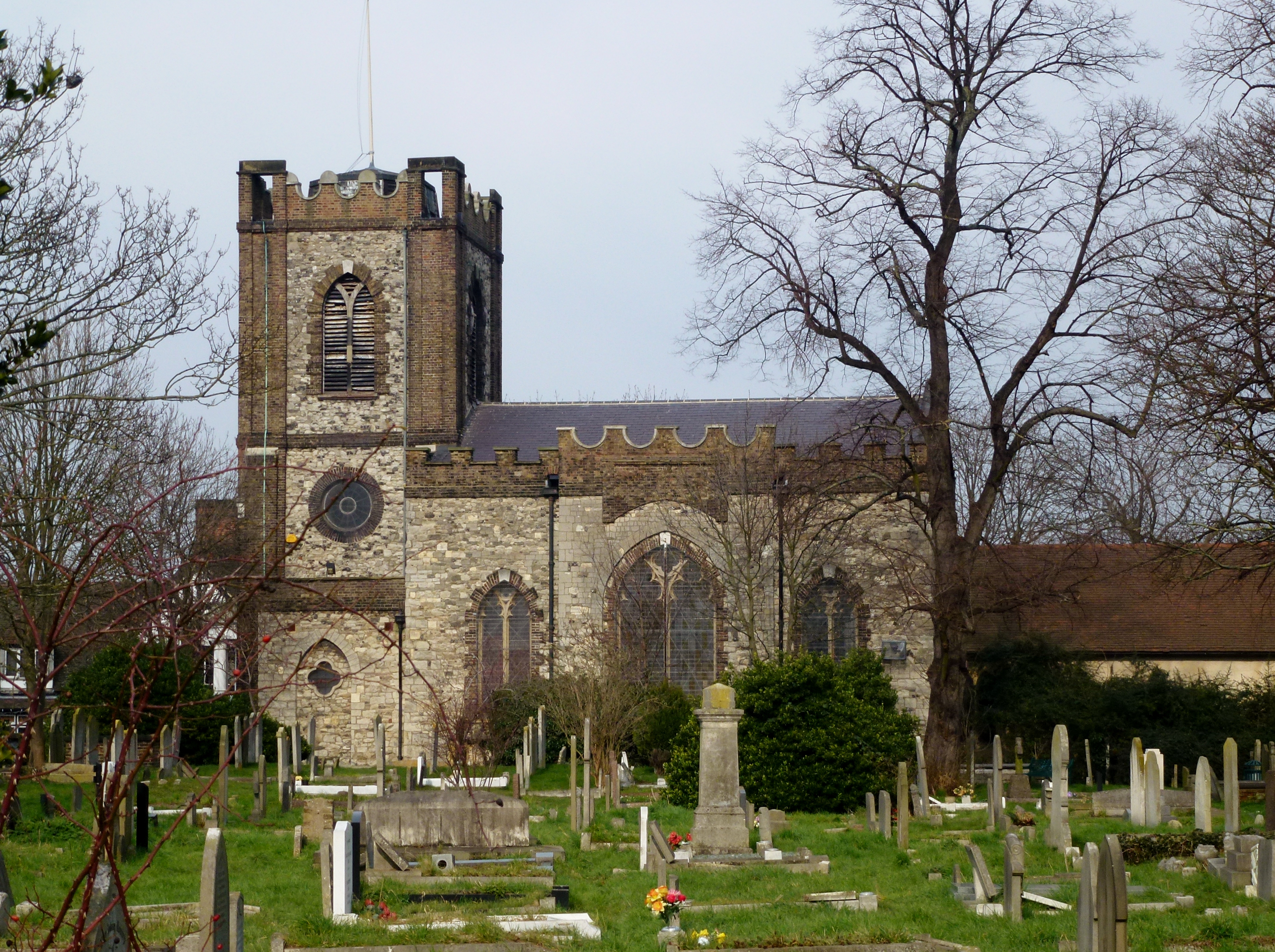
At the heart of any English village you will usually find the Anglican parish church. When I visited Dagenham at the weekend, I did not expect to find much evidence of the past. Yet there is evidence of history around, if you know where to find it. Growing up in Wimbledon, this part of London was a place I only knew as the other end of the District Line close to Upminster. Having set off from Dagenham East underground station I consulted a map and discovered that nestled among the busy main roads, there is a green area marked Dagenham Village, dominated by St Peter and St Paul’s Church.

The parish church is of medieval origins, first mentioned in 1205 and rebuilt in 1800. The building and surrounding churchyard has associations with local families and various famous people. Another building preserved is the former Vicarage, dating from the 17th Century and remodelled in the 19th Century. Close by is the Cross Keys Inn public house, a 15th Century timber-framed hall house which was once a tannery. A former bank and an old national school are among the other buildings which survived redevelopment.

Cross Keys Inn and War Memorial

Cross Keys Inn and War Memorial

The area was once largely rural, a village in Essex first mentioned in a charter of 687. But in 1919 London County Council started planning an expansion of housing and in the next 19 years over 25,000 houses were provided for working class families on the Becontree estate.

In 1972 there was a large-scale demolition of properties in the village as part of a comprehensive redevelopment plan. This led to the development of the Ibscott Close housing estate, bordering the heart of the old village. The development included the creation of a more open space aspect to the church, two new shopping parades, three car parking areas, and new housing. This effectively destroyed the historic integrity and structure of the village, reducing it to a few key components. Dagenham Village Conservation Area Appraisal, September 2009, London Borough of Barking & Dagenham.

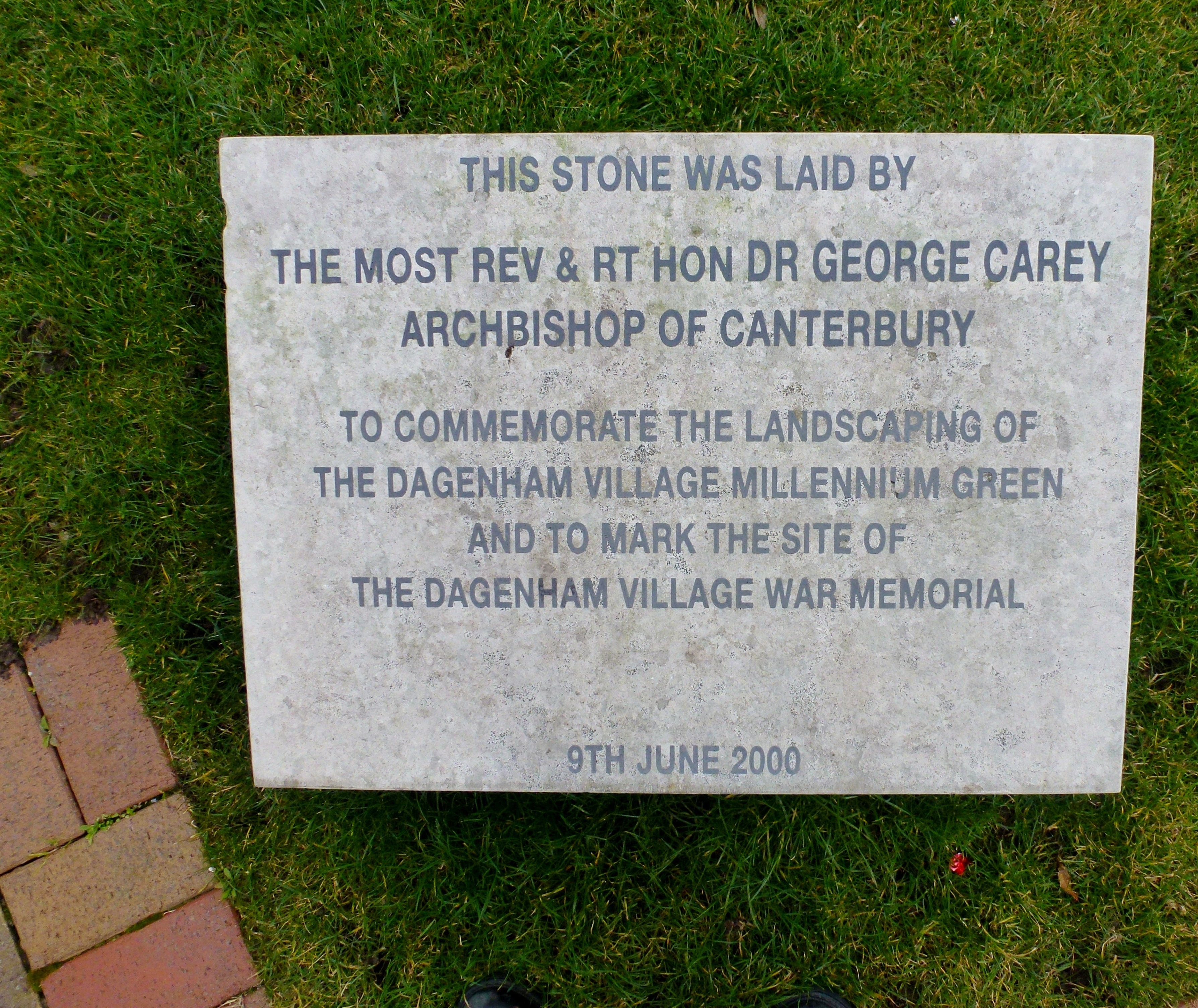
Millennium Green Plaque

Millennium Green Plaque

Walking through the graveyard you will find the last resting places of some interesting people, inclding the parents of the former Archbishop of Canterbury, Dr George Carey, who opened the redesigned green around the second world war memorial to mark the millenium in 2000. As part of the lottery-funded scheme, a flagpole was erected and the union flag is flown. I also spotted the grave of a World War 1 serviceman and also one of a local man who died in an accident as he crossed the newly-opened London to Southend railway line.

When Dagenham expanded, it was also necessary to create employment for the workers. The first big factory was opened by the Ford Motor Company in 1931 when an AA light truck rolled off the assembly line. It produced nearly 11 million cars until vehicle production ceased in 2002. At one stage 40,000 people worked there but now the total is one-tenth of that figure and the plant specialises in making diesel engines. It was announced last year that 1,000 jobs were to go at the stamping plant in Dagenham, according to the GMB union.

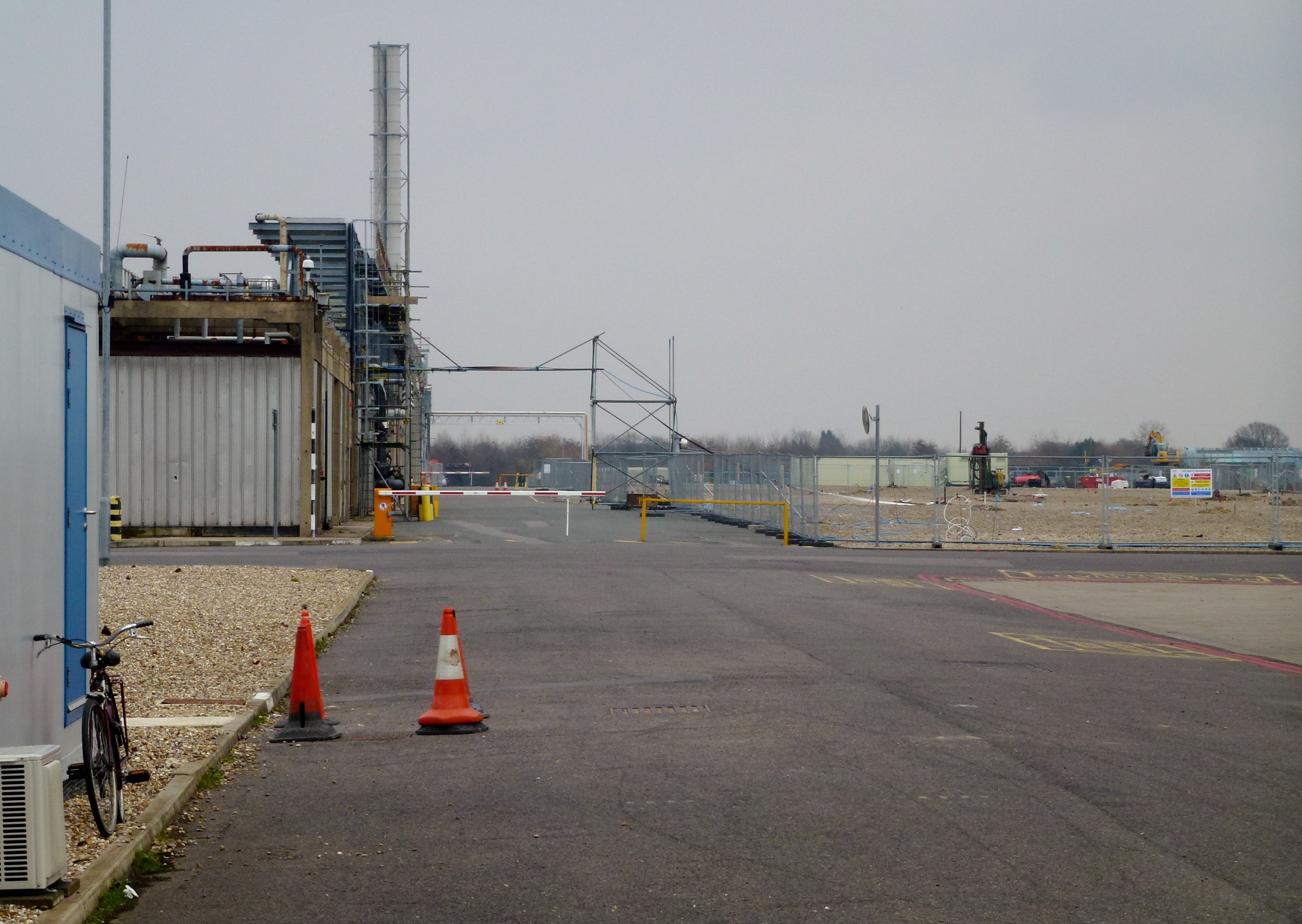
Sanofi Plant, Dagenham

Sanofi Plant, Dagenham

There was further evidence of changing times when I passed the entrance to the huge Sanofi plant close to Dagenham & Redbridge FC. It was announced in November 2009 that the facility would close some time this year with the loss of 450 jobs because  a continued strong decline in demand for its drugs was making the site “economically unsustainable”. Sanofi is one of the world’s largest pharmaceutical companies. It hopes to invest in a major regeneration project, with the potential of creating 2500 jobs. Planning permission for the overhaul of the site includes building a new supermarket, hotel and manufacturing operations while using existing buildings for a health and dental care centre and retaining existing laboratories and scientific manufacturing facilities, with the intention of attracting other technology companies to take them over (The Manufacturer).

An interesting sidebar: The film “Made in Dagenham” which deals with the Ford motor company female sewing machinists’ strike in 1968 over equal pay is being shown on BBC2 on Saturday 9th March at 9:00pm. For the first time for a BBC film, there will be a live tweet-a-long commentary from director Nigel Cole and composer David Arnold, who will give audiences a unique insight into the production process. If you wish to join the conversation on the night, follow the hashtag #bbc2mid.

SHENANDOAH PARK

Big Run Overlook in the Fall

Big Run Overlook in the Fall

Listening to the tenor Colin Morgan singing the American folk song “Shenandoah” on the Late Late Show brought back memories of a visit to this beautiful area in August 2009. In the Shenandoah National Park 75 miles from Washington DC in Virginia, there is a “skyline drive” on the crest of the Blue Ridge mountains, a scenic roadway taking you from one end of the park to the other (105 miles), with a speed limit of 35mph for cars. There is also lodge and cabin accommodation in different areas of the park. In some versions of the song, the name “Shenandoah” refers to an Indian chief, not to the Shenandoah Valley or Shenandoah River. However, an early rendition of the song includes verses that appear to allude to the Shenandoah River, which is partly in Virginia (wikipedia).

Irish Creek Valley

Irish Creek Valley

Passing through Shenandoah Park, you come to the Blue Ridge Parkway, along the Blue Ridge, part of the Appalachian Mountains. One of the many viewing places along the way was at Irish Creek Valley at milepost 43. It got its name from Ulster-Scots immigrants who settled along the banks of the river in the 1700s. For a 360° view click here. A few miles away are the remains of the Irish Creek Railway (logging railroad). There is a parking spot at Yankee Horse Ridge (MP35), where legend has it that a Union soldier’s horse fell and had to be shot.  Construction on the railroad began in 1918 and was completed two years later, with the length of the railroad stretching to 50 miles. The track was built to haul lumber during the pre-parkway logging days. In a document from 1918, one individual reported, “At present, however, a logging railroad is being built up Irish Creek to a point near Irish Creek post-office, and this would make transportation somewhat easier” (Henry G. Ferguson, Virginia Geological Survey).