MEMORIES AMIDST THE DRUMLINS


New Publication Compiles Work of Noted Tydavnet Literary Figure

New Publication Compiles Work of Noted Tydavnet Literary Figure: Northern Standard 19/07/13

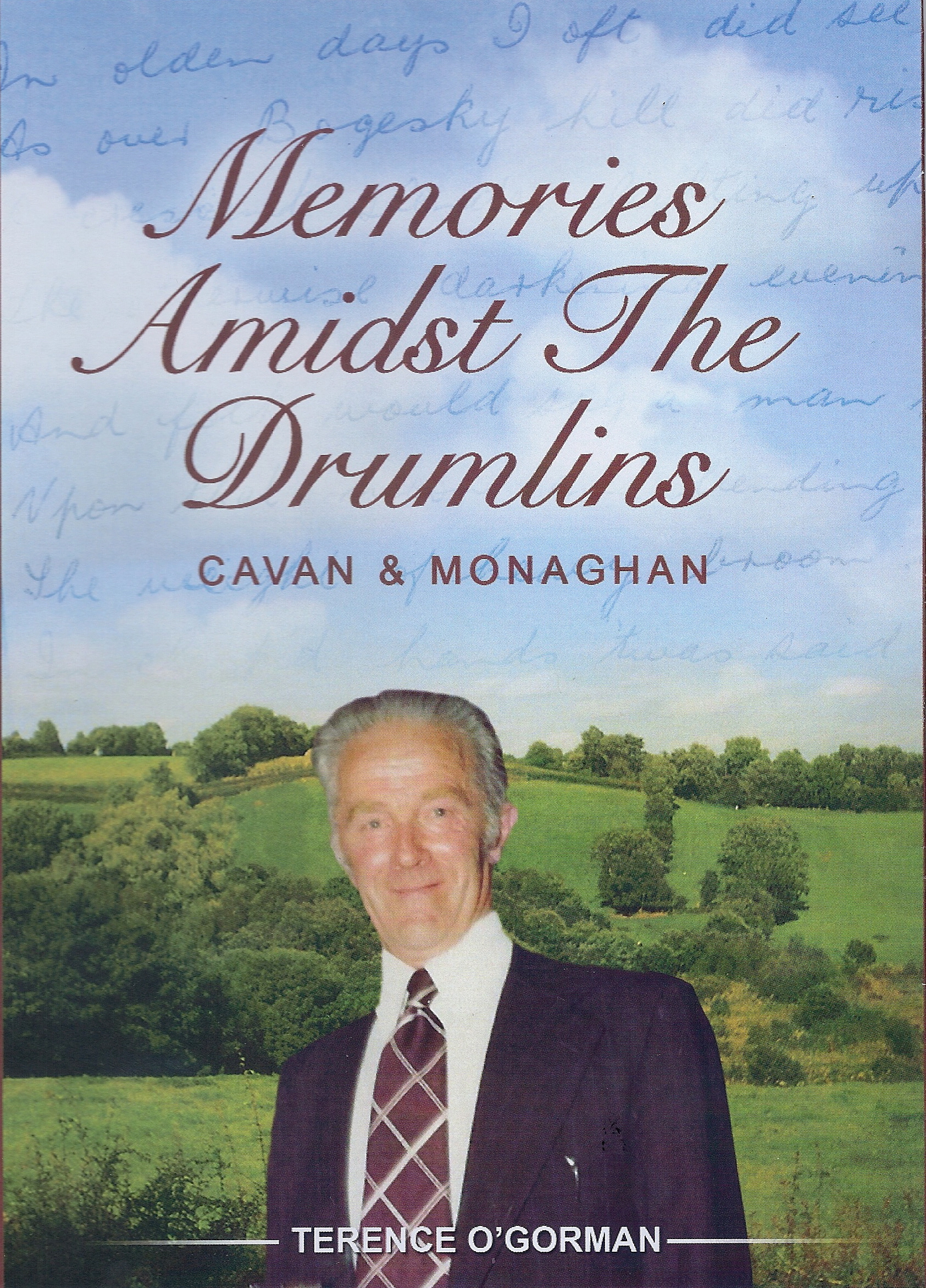
“Memories Amidst the Drumlins: Cavan and Monaghan”, a compilation of  the stories and poems of the late Terence O’Gorman of Tullyvogey, Tydavnet, will be officially launched at a function in Monaghan’s Four Seasons Hotel on Friday, August 2nd next. A well-known North Monaghan personality, Mr O’Gorman, who passed away in 2003, had some of his literary contributions published in the columns of this newspaper over the years.

His daughter Patricia Cavanagh, the current President of the ICA in Co. Monaghan, has now brought together dozens of poems and stories penned by her father in a volume that will be launched by the Director of the William Carleton Summer School, Michael Fisher. Over the past two years Patricia has carefully compiled and edited what amounts to a wonderful record of the lifestyle of South Ulster from the 1930s until the turn of the century.

Memories Amidst the Drumlins: Cavan & Monaghan

Memories Amidst the Drumlins: Cavan & Monaghan

Some of the poems were written to mark special occasions such as birthdays and weddings of family and friends and there were also tributes to those who had passed away. This collection is a wonderful tribute to Terence, who came from Lavey in Co. Cavan and who was a familiar figure in and around Tydavnet and Monaghan, where he worked at St Davnet’s Hospital for many years. The book includes a number of poems he wrote for his friends and work colleagues on their retirement from St Davnet’s.  He died in 2003. The 340-page book will retail for €15.

The launch will be performed on the opening day of the William Carleton Summer School events taking place in Monaghan and Emyvale from August 2-4. Terence was a regular visitor to the annual Carleton event as well as attending other literary festivals throughout the country. Patricia Cavanagh spoke about the book at the launch of the William Carleton Summer School programme at the Writers’ Centre in Dublin in June.

WILLIAM CARLETON SUMMER SCHOOL

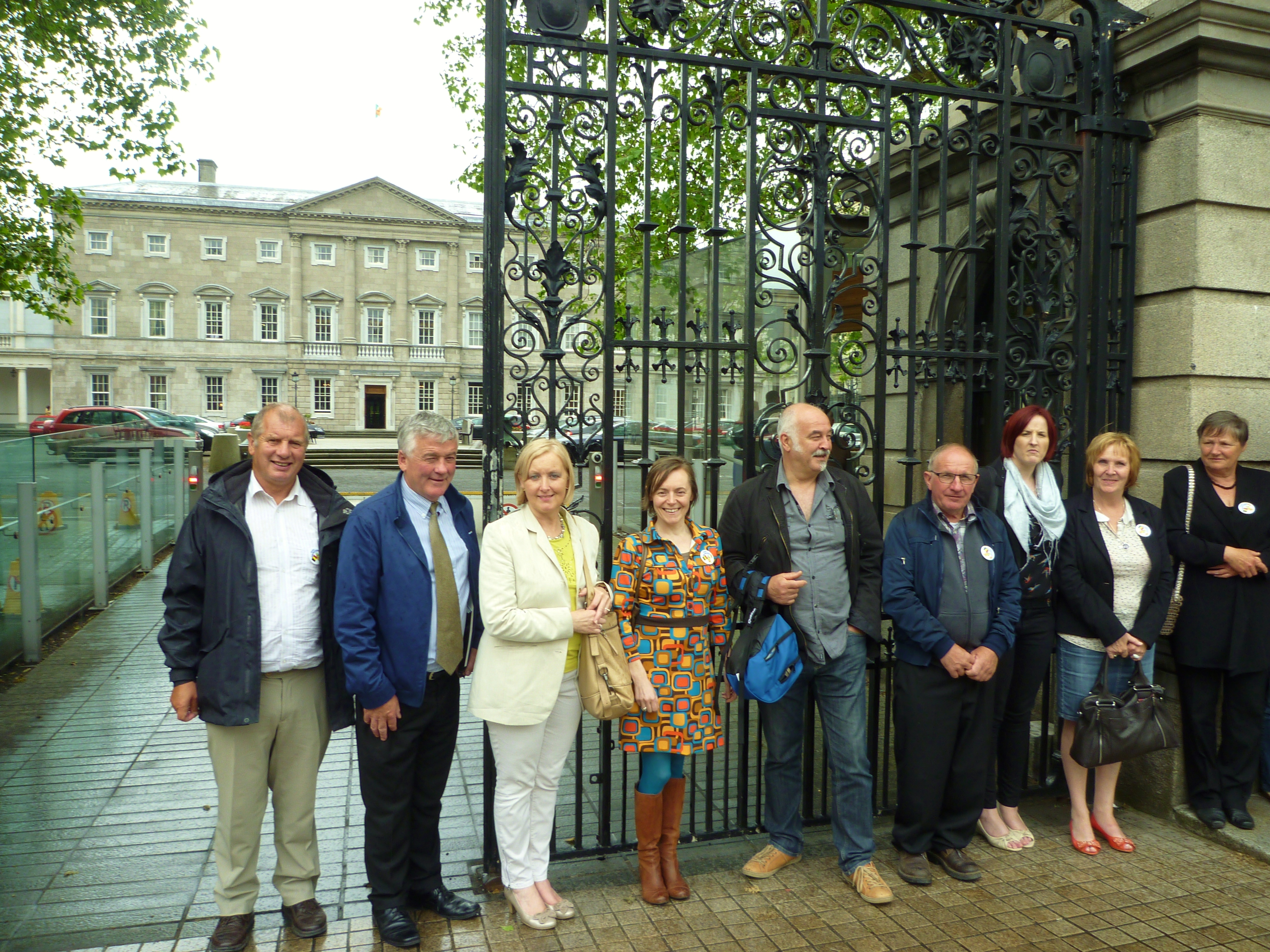
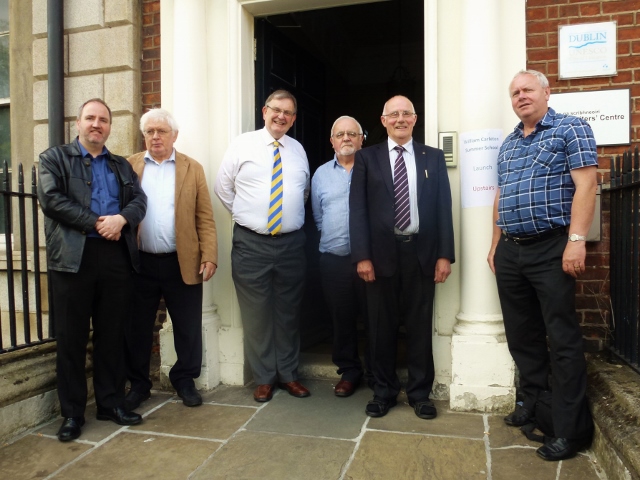
William Carleton Society committee members at Irish Writers' Centre, Dublin

William Carleton Society committee members at Irish Writers’ Centre, Dublin

Launch of the William Carleton summer school programme 2013

The William Carleton Society made another trip to Dublin this evening for the launch of the programme for the 22nd William Carleton international summer school. The line-up this year is broader than before, with a number of events in Monaghan and Emyvale before the start of the school itself on Monday 5th August at Corick House in Clogher.
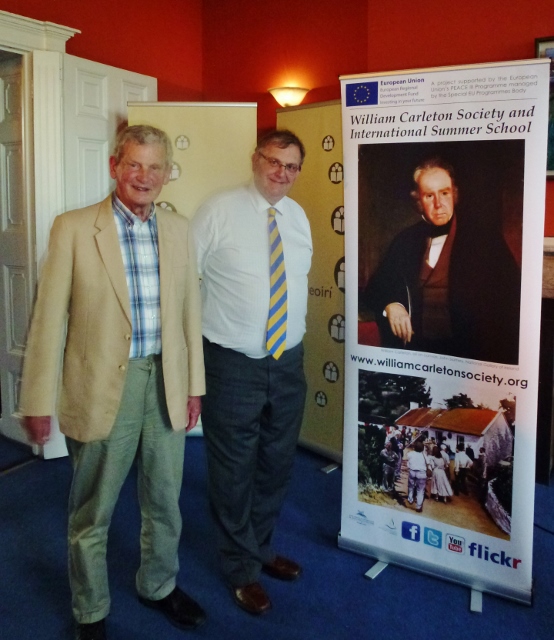
Maurice Harmon and summer school director Michael Fisher

Maurice Harmon and summer school director Michael Fisher

Our patron Maurice Harmon read four of his poems and the President of the William Carleton Society, Jack Johnston from Clogher, revealed details of his recent research on Carleton’s addresses in Dublin, where the famous 19thC author spent most of his life, although he was born near Clogher in 1794 and was a Tyrone man!

William Carleton Society President Jack Johnston talking about Carleton

William Carleton Society President Jack Johnston talking about Carleton

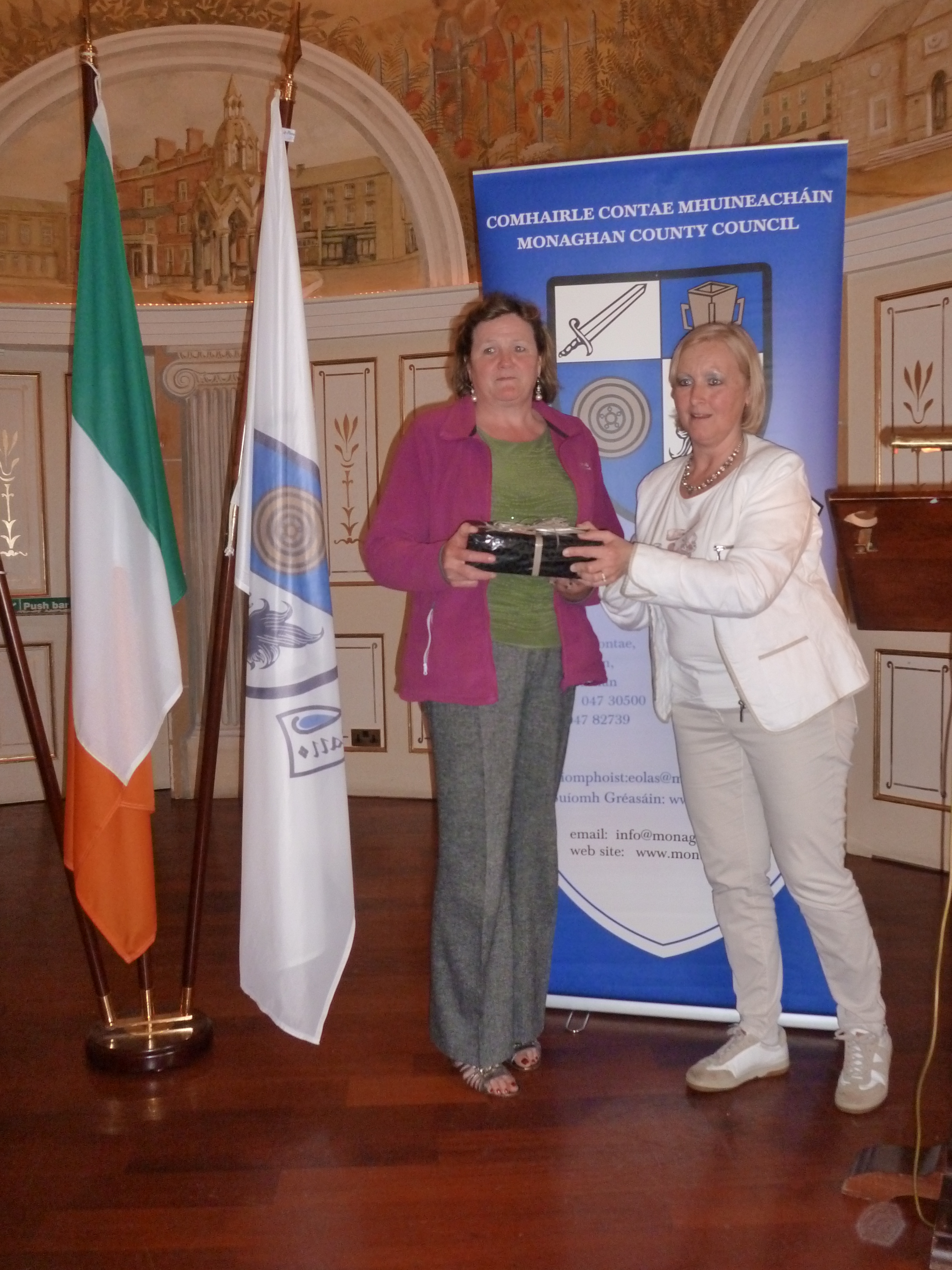
Committee member Patricia Cavanagh from Tydavnet gave more details of her late father Terence O’Gorman’s book, which she has compiles from his poems and stories, “Memories Amidst the Drumlins: Cavan and Monaghan”. The book will be launched at the Four Seasons Hotel at 6pm on Friday 2nd August.
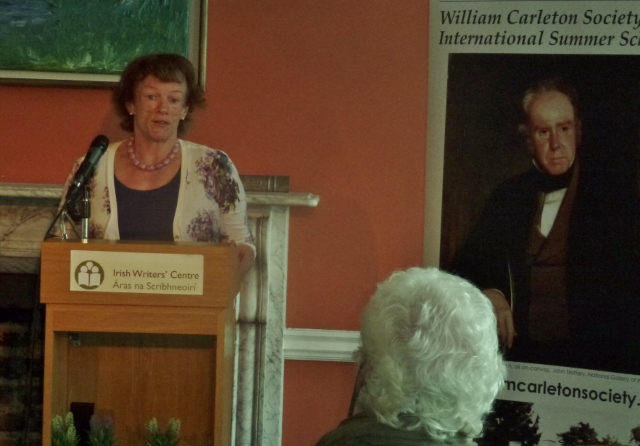
Patricia Cavanagh, Tydavnet, at William Carleton summer school launch

Patricia Cavanagh, Tydavnet, at William Carleton summer school launch

WILLIAM CARLETON INTERNATIONAL SUMMER SCHOOL 2013

Friday 2nd August    

Four Seasons Hotel, Coolshannagh, MONAGHAN    CONFERENCE:        CARLETON, KAVANAGH & GAVAN DUFFY

10:30am registration FREE ADMISSION            Tea/coffee

11am  Professor Thomas O’Grady (Boston/Prince Edward Island) on his poetry and Patrick Kavanagh

12 noon  Art Agnew (Inniskeen) on Patrick Kavanagh

Lunch Break

2:30pm Charles Gavan Duffy: Journalist and Patriot:  Brendan O Cathaoir (ex Irish Times) and Aidan Walsh (former curator, Monaghan County Museum)

3:30pm  Break

3:40pm  Mary O’Donnell (Monaghan poet and author)

4:45pm  Shemus cartoons in The Freeman’s Journal: Felix M. Larkin

6:00pm Reception and Book Launch:

Memories Amidst the Drumlins: Cavan & Monaghan: Terence O’Gorman poems and stories

 Saturday 3rd August

11am meeting at Monaghan museum, Hill Street.

Walking tour of Monaghan town with Grace Moloney, Clogher Historical Society, & Theresa Loftus, Monaghan Museum. FREE.

Lunch afterwards at pub with traditional music.

 Sunday 4th August  

4:00pm Assemble at Emyvale Leisure Centre (refreshments) or Edenmore school.

4:30pm walk to Blue Bridge, Emyvale

5:00pm to 6:00pm

Carleton commemoration at the Blue Bridge Emyvale and new plaque unveiled

6:30 Gather at Emyvale Leisure Centre

7:00pm Fair of Emyvale reading at Emyvale Leisure Centre. FREE. All Welcome.

8:00pm Refreshments.

***All Monaghan events are part funded by the EU’s ERDF through the Peace III programme financed through Monaghan Peace III Partnership***

Monday 5th August

Corick House Hotel,  Corick, CLOGHER, Co. Tyrone  BT76 0BZ

10am Registration, tea and coffee

11am Photocall

11:30am   Opening by Mayor of Dungannon & South Tyrone Borough Council

11:40am   Summer School Honorary Director:

Prof. Owen Dudley Edwards on “Carleton, Otway and Irish Literature”

1pm Lunch

2:30pm Keynote address Professor Thomas O’Grady, Boston

The Geography of the Imagination: Carleton’s “The Donagh”

3:30pm Tea/coffee break & bookstall

3:45pm Author Gerry McCullough (“Belfast Girls”) & Raymond McCullough

(singer & songwriter)

4:45pm  Broadcaster & commentator Tom McGurk in conversation with Aidan Fee:  “Northern Ireland: past and present”

6pm Close of session

 Tuesday 6th August                                           

09:30am registration  Tea/coffee

10:15am Language in the Clogher Valley of 19th Century. Irish: Dr Ciaran Mac Murchaidh, St Patrick’s Drumcondra.  Ulster Scots: Dr Ian Adamson

11:50am break

12:00 noon  President of the William Carleton Society, Jack Johnston:

“Augher: from landlord, Sir Thomas Ridgeway to George Duffy, the Miller”

12:45pm lunch

2:15pm  Josephine Treanor tells the story of her relative, mentioned by Carleton:

“Anne Duffy, the Miller’s daughter from Augher”

3:00pm  Break

3:15pm Focus on modern Irish writing: Ciaran Collins (“The Gamal”) + Patricia Craig (“Twisted Root”) + Anthony Quinn (“Disappeared”) + Tony Bailie (“A Verse to Murder”)

4:15pm Tea/coffee break

4:30pm Seminar continues & discussion to close of session 6:00pm.

Wednesday 7th August     

09:30am registration tea/coffee

10:00am Dealing with the past: Professor Jon Tonge (Liverpool)

Discussion: Alex Kane and Dr Margaret O’Callaghan (QUB), chair John Gray

11:45am Break

12:00pm  Former politician and commentator Mary O’Rourke on how differences can be accommodated

1:00pm  Lunch

2:30pm Poet Siobhan Campbell MA on writing about the past

3:30pm  Tea/coffee Break

3:45pm Patrick Scully extracts from one man show on Edward Carson

4:30pm Writer & author Mary Kenny (Edward Carson: Dubliner, Unionist, Irishman)

6:00pm Close of summer school

Thursday 8th August

Coach tour in Co.Fermanagh by Frank McHugh & Gordon Brand with particular reference to Shan Bullock: “The Loughsiders”, based around Crom estate. Booking required: for more details contact Frank McHugh e: f.mchugh4@btinternet.com

Cost: £30 including meals

Evening Events: (supported by Shared History, Shared Future Project funded by South West Peace III partnership )

Monday 5th August

Traditional Music session with female Irish traditional group Síoda &

singer Seosaimhin Ni Bheaglaoich,   Rathmore Bar, Main St Clogher 8pm

Tuesday 6th August

Walk on the Carleton Trail with the Clogher Valley Ramblers.  7:00pm

Bagpipers & traditional Music with the McKenna family (Clogher) at Somers Cafe, Fardross (off A4 road)  8:30pm   Free admission

Wednesday 7th August

Concert at Fivemiletown Wesleyan Hall 8pm

Murley Silver Band and Monaghan Gospel Choir: Special Guest Gloria  Admission Free.

More information at: www.williamcarletonsociety.org

e: wcarletonsociety@gmail.com

Costs:-
Daily: £40/€47 including lunch and tea/coffee break;
concession £33/€35 (saving of €3)
Morning:  £13/€15 or one session £7/€8   including tea/coffee;
concession £10/€12  or one session  £4/€5
Afternoon: £16/€20 or one session £8/€10 including tea/coffee;
concession £12/€14  or one session  £4/€5
Lunch £11/€13  

Tour Thursday including meal: £30/€35
Season ticket 4 days £150/€175 or concession £130/€140 (saving of €10)

Accommodation:

Dinner, B&B Packages at Corick House Hotel, Clogher:

3B&B plus 2 Evening Meals@ £170pps (double/twin occupancy)

3B&B plus 2 Evening Meals @ £220 (single occupancy)

2B&B plus 2 Evening Meals @ £140pps (double occupancy)

2B&B plus 2 Evening Meals @ £180 (single occupancy)

Double Room Rates B& B only

1 night £55pps

2 nights £50pps

3 nights or more £45pps

Single Rate B&B only

1 night B&B £70

2 nights or more B&B £65 per night

Accommodation also available at Glenvar guest house, 111 Tullyvar Road, Aughnacloy BT69 6BL

GEEL GROUP DEPARTS

Geel group ready for departure from Tydavnet

Geel group ready for departure from Tydavnet

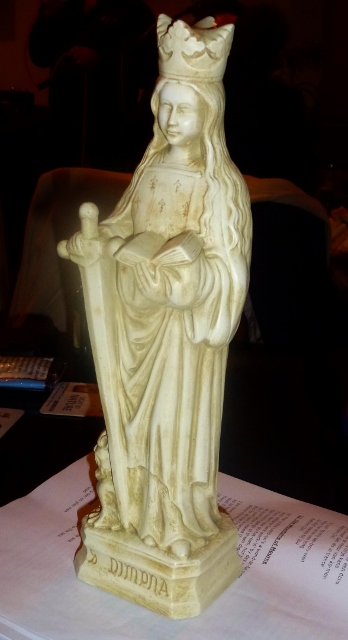
Gift from Geel to Tydavnet: statue of St Dympna

Gift from Geel to Tydavnet: statue of St Dympna

 They came here as part of The Gathering. A group of fourteen visitors from Geel led by Mayor Vera Celis has returned to Belgium following a five day stay in Tydavnet, County Monaghan, with which the town in Flanders is twinned. The common connection is St Dympna, whose story is reflected in both areas.

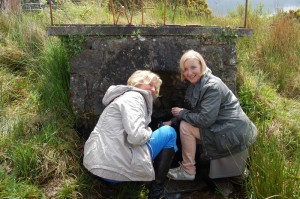
Geel Mayor Vera Celis & Cllr Nadine Laeremans collect water from St Dympna's Well, Tydavnet Photo: © Patricia Cavanagh

Geel Mayor Vera Celis & Cllr Nadine Laeremans collect water from St Dympna’s Well, Tydavnet Photo: © Patricia Cavanagh

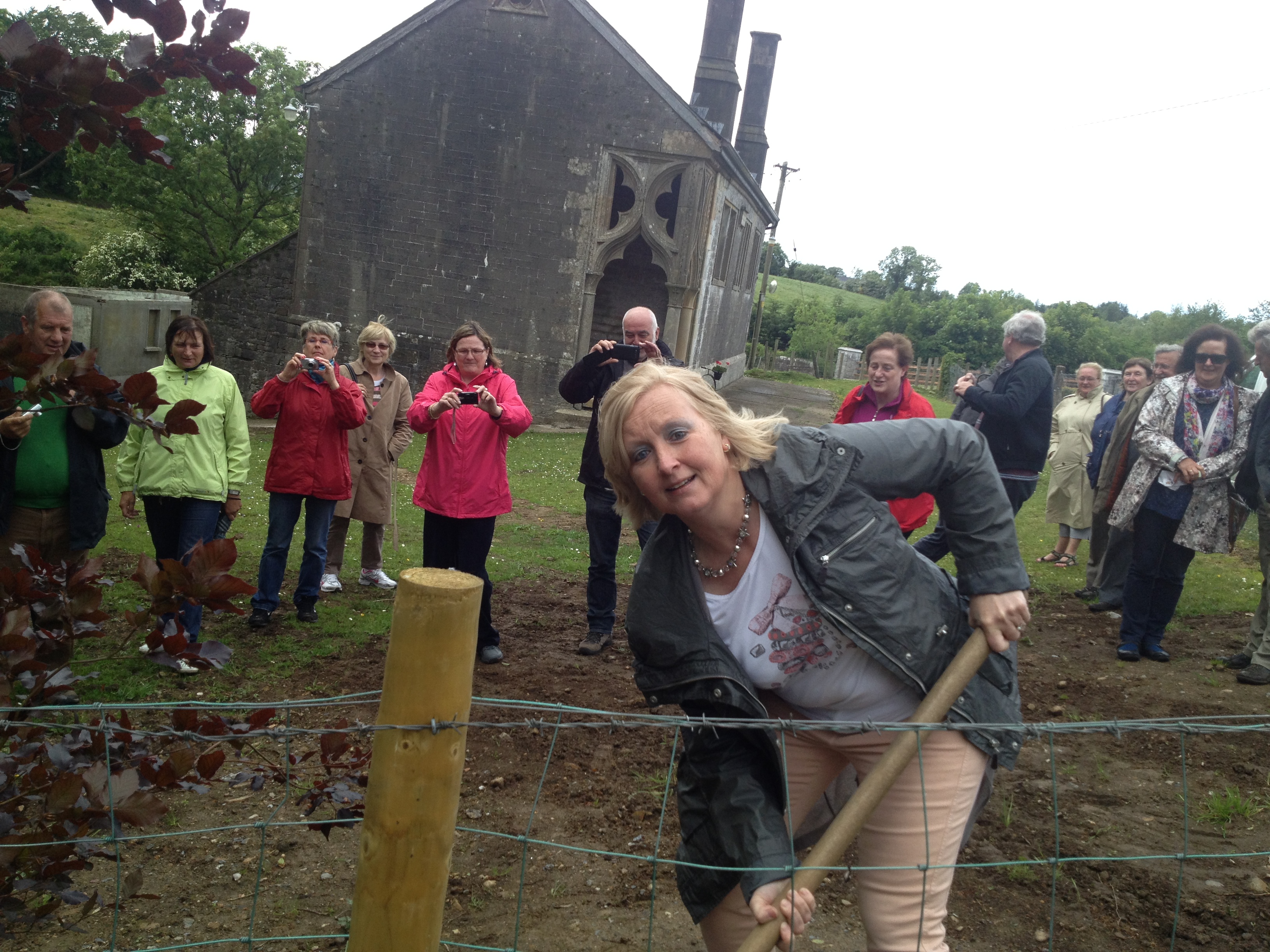
The well of St Dympna at Culdavnet has had access restored and the visitors went there to collect some of the water. The Mayor of Geel Vera Celis also planted a tree at the former national school at Cornagilta, which the local community hopes to open as a heritage centre.

The group also visited the mens’ shed project in Monaghan town and were given a tour of the new educational complex on the site of the former military barracks, as well as a tour of the new Garage Theatre. It was an interesting programme put together by the hard-working local committee of volunteers in Tydavnet, with the support of Monaghan County Council. On Sunday morning the visitors attended the 10am Mass at St Dympna’s church in Tydavnet and they were brought afterwards to the community centre for refreshments.

Geel Mayor Vera Celis planting tree at Cornagilta school Photo: © Paudge Connolly

Geel Mayor Vera Celis planting tree at Cornagilta school Photo: © Paudge Connolly

The visitors stayed with local families and in return, visitors from Tydavnet are hosted by local people when they travel to Geel. An invitation was made by Vera Celis and Councillor Nadine Laeremans for the Tydavnet group to travel to Geel in May 2015 when the next St Dympna pageant (“Omegang”) will take place, a celebration held every five years.

Before they departed, Mayor Vera Celis presented Marie McAree representing the Tydavnet group with a gift: a statue of St Dympna from Geel. A suitable place must now be found to display it, perhaps in the chapel.

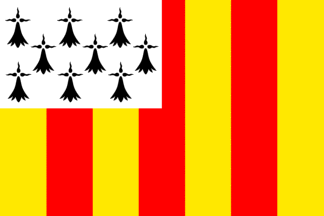
Flag of Geel

Flag of Geel

MONAGHAN WELCOMES GEEL

Civic reception by Monaghan County Council for Geel group

Civic reception by Monaghan County Council for Geel group

Geel group led by Mayor Vera Celis visits Leinster House

Geel group led by Mayor Vera Celis visits Leinster House

WELKOM! Tydavnet in County Monaghan has welcomed a group of fifteen visitors from Geel in Belgium, led by the new Mayor Vera Celis. Tydavnet is twinned with Geel in the province of Antwerp through the common link of St Dympna (Davnet). The group, some of whom have been here before, are staying with host families in the parish. They flew in to Dublin airport from Brussels and were then taken on a tour of Leinster House organised by Cllr Paudge Connolly, followed by lunch in the members’ restaurant. During the visit the Taoiseach Enda Kenny met them briefly, which was appreciated as it was a busy day for him in the Daíl.

An Taoiseach Enda Kenny TD and Burgemeester van Geel Vera Celis, New Flemish Alliance party, Flemish Parliament

An Taoiseach Enda Kenny TD and Burgemeester van Geel Vera Celis, New Flemish Alliance party, Flemish Parliament

I met the group as they departed for Tydavnet, where they were entertained last night in the community centre, having stopped to visit the restored workhouse building in Carrickmacross en route . Last August I joined a group from Tydavnet and Monaghan that went to Geel for the “Eurofeesten” involving twelve European countries. On Thursday the visitors were taken on a walking tour of the St Davnet’s complex in Monaghan. They were then given a civic reception at the Westenra Hotel, hosted by the Mayor of County Monaghan Hugh McElvaney and the Monaghan town Mayor, Seamus Treanor, both of whom participated in the visit to Geel last year. Councillor McElvaney presented Vera Celis with a framed piece of Clones lace and the Burgemeester made presentations to Tydavnet group organiser Sheila McKenna and to the county Mayor. This afternoon the group was taken to visit the new educational campus and the Garage theatre on the Armagh road and they were then due to be taken on a walk around Monaghan town. They will visit Derry on Saturday and will attend Sunday Mass in Tydavnet.

Group from Geel at Leinster House

Group from Geel at Leinster House

Monaghan Mayor Hugh McElvaney presents a gift of Clones Lace to Geel Mayor Vera Celis

Monaghan Mayor Hugh McElvaney presents a gift of Clones Lace to Geel Mayor Vera Celis

Tydavnet Group organiser Sheila McKenna is presented with a gift by Mayor of Geel Vera Celis

Tydavnet Group organiser Sheila McKenna is presented with a gift by Mayor of Geel Vera Celis

Flag of Geel

Flag of Geel

EMYVALE CC GRAND PRIX

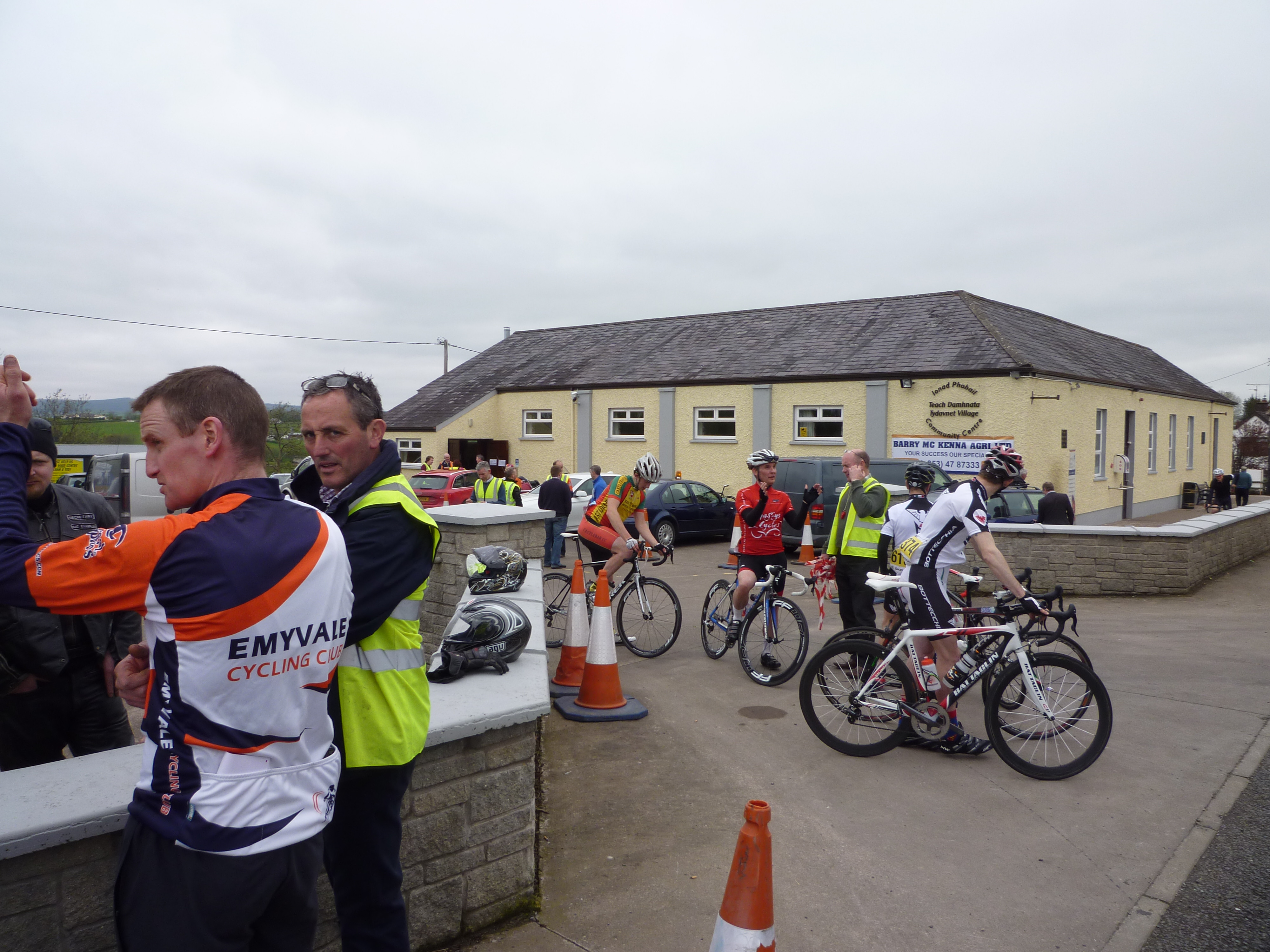
Tydavnet Community Centre

Tydavnet Community Centre

Tydavnet community centre was the base for the annual Grand Prix races held last Sunday (19th May) by Emyvale cycling club. The event brought a few hundred riders and their supporters as well as spectators into the village. The circuit for the adult competitors went from Tydavnet  to Clintacasta and on towards Knockatallon, turning back towards McNally’s Cross and then straight through to Lemaculla cross, where a sharp left turn brought them back to  the village. Malcolm Totten’s excellent pictures from the turn at Lemaculla can be found here.

 The youth riders faced a different circuit from normal owing to the ongoing roadworks on the N2 which have resulted in the closure of a number of roads in the area. I arrived late when the senior race had just finished. I noticed in the temporary car park two riders wearing UCD jerseys. One of them was folding up his bike and packing it away in his car. I think it was the overall winner of the main race, Ciaran O Conluain, who received the John Colton Cup.

Cyclists leaving Tydavnet community centre

Cyclists leaving Tydavnet community centre

The Cycling Ulster report says that in the race for A1 and A2 riders the pace split the bunch in three group early on. The head of the pack included riders such as William Larmour and Glen Kinning of East Antrim, Ciaran O Conluain (UCD), Greg Swinand (Usher IRC), Neil Delahaye Dunboyne) and Stamullan duo David Wherrity and Craig Sweetman. Sean Bracken (Usher IRC) was also riding strongly in this group along with John Murray of Lakeside Mullingar and Sean McKenna of UCD. Phoenix duo Cathal Smyth and Fergus Rooney had made this break but were later shot out.

They were chased by riders such as Cathal Doyle and Johnny Taylor of Carn Wheelers, Des Woods (Newry Wheelers), East Tyrone’s, Steven Hutchinson and Gary Jeffers and Marcel Kock (Phoenix CC)  amongst others. With a few minor changes to the lead group they managed to stay ahead and in the last lap Kinning and O Conluain left the leaders and began the trek to the line. Ciaran O Conluain proved strongest on the day and emerged as the victor. Greg Swinand (Usher IRC), Neil Delahaye (Dunboyne), David Wherrity (Stamullan), Craig Sweetman (Stamullan), John Kenny (Navan RC), and Sean Bracken (Usher IRC) took the remaining points in that order. Another report and pictures can be found at emyvale.net.

Tydavnet community centre

Tydavnet community centre

GERTRUDE ROSE

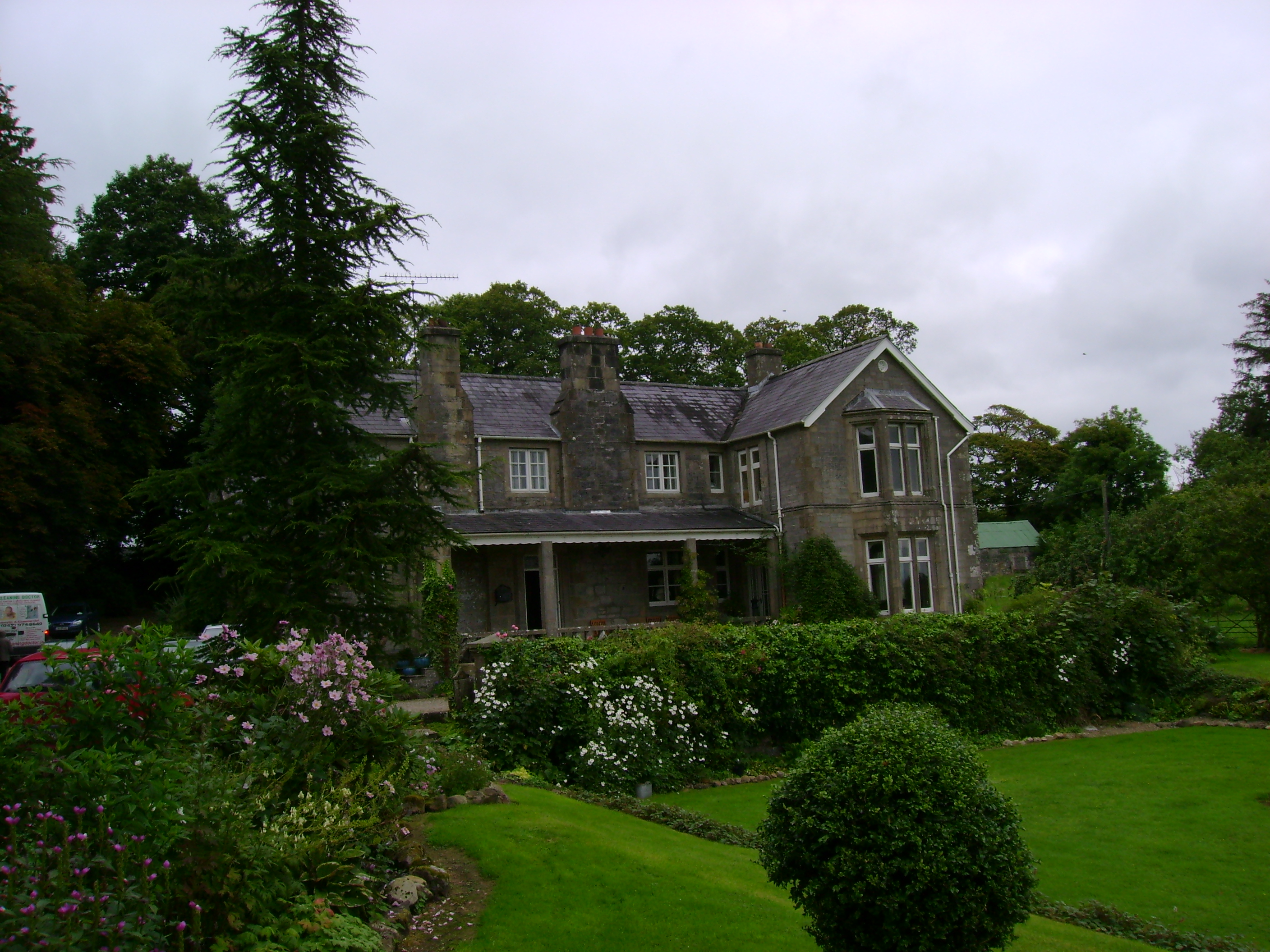
Mullaghmore House, 2007

Mullaghmore House, 2007

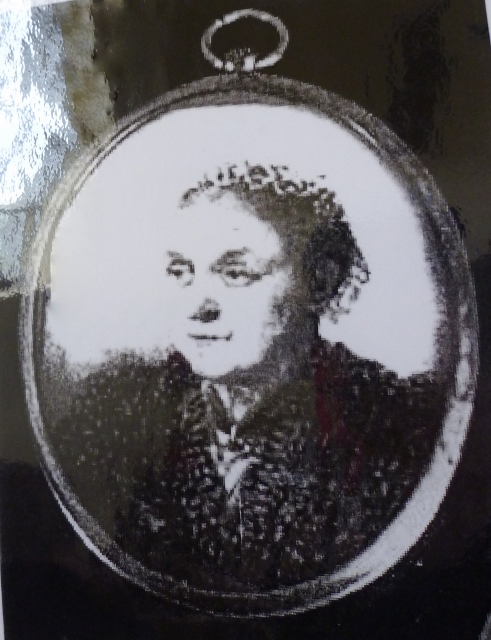
The story of Mullaghmore House in the parish of  Tydavnet, County Monaghan and the Rose estate yesterday gave only a brief mention to one of its most interesting landlords, Gertrude Rose. If anyone can provide a picture of her, I will add it to the blog. (This image has been sourced by Grace Moloney of the Clogher Historical Society and it is from a catalogue published by Dreweatts Auctions in England: added 29th May 2013).

Brooch Picture of Gertrude Rose: Created by artist Kathleen Rashleigh. Image courtesy of Dreweatts Auctions, England

Brooch Picture of Gertrude Rose: Created by artist Kathleen Rashleigh. Image courtesy of Dreweatts Auctions, England

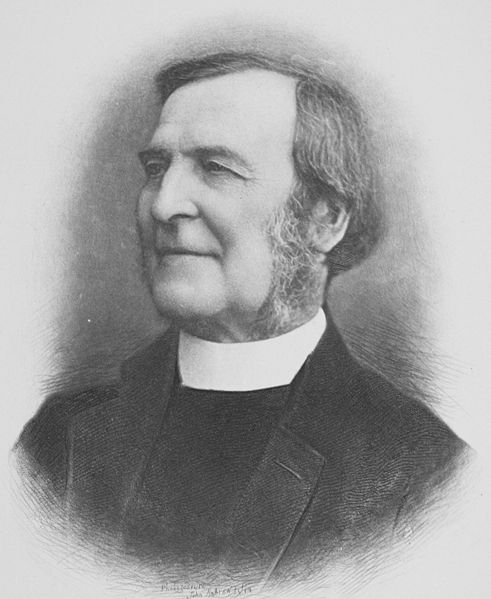
I have found a picture of the Anglican clergyman who was her friend and adviser, Frederick Temple, who went on to become Archbishop of Canterbury. What we did get at the very interesting talk at Cornagilta school on Thursday evening, courtesy of Patsy Brady, was a copy of an obituary from, I think, The Northern Standard in January 1907. I am reproducing it here, to give some idea of the background of this progressive and forward-thinking landlord:-

THE LATE MISS ROSE, MULLAGHMORE

“A gentleman who was for many years an intimate personal friend of Miss Rose, of Mullaghmore, whose lamented death we referred to in last week’s issue, has sent us the following interesting sketch:-

By the death of Miss Rose the neighbourhood of Monaghan has lost one of its most interesting inhabitants. She was a lady of many parts, of great initiative, ability, and kindness of heart, a sterling friend, and a good neighbour. She has left a void which cannot easily be filled. Coming into the property of Mullaghmore about 50 years ago, on the death of her uncle, she at once set herself to perform the duties of her position with zeal and devotion. We believe it was her first intention to sell the property, but the late Archbishop Temple, with whom she was on terms of intimate friendship, impressed upon her the duties of her position; so she retained the property and faced its duties with very high ideals which she ever kept before her and strive to realize. She was a young woman then*, and from that time, till now that she has been removed by death, she had devoted herself to the service of her people and the betterment of their condition.

Scotch by race, English by birth, French by education, she expressed the sterling qualities of each nation. She had the fixity of purpose, the unbending, uncompromising character of the one, — the ‘granite’, — (but ‘granite on fire’, as her friend Archbishop Temple** was described); the great common sense and love of justice of the other, and with this the graceful winning courtesy of the French. As soon as she came into the property, she built herself a home suitable to her position, and from that time till now, she has lived continuously amongst her people, ever influencing them, inspiring them by her example and sympathy. Improved farms, stock, tillage were brought about by her efforts, and on her ‘home-farm’, was to be seen some of the finest live stock in the north of Ireland.

But not merely in the material improvement of her tenants was Miss Rose interested. She built a large school***, and supplemented the teacher’s income, so that the children might have the benefit of a good education. In many ways was Miss Rose considerably before her time, and because of this, was likely to be misunderstood, but time has proved she was right. Around her, at Mullaghmore, she kept a large staff of employees, and on them she expended a wealth of devotion and care. Were they sick she attended them; and everything that her house contained, that would be for their good, was at their disposal. A doctor told us that 28 years ago, he first met Miss Rose. When he was a very young man, he was called upon to attend a herd(sman) in her farm yard, and by the patient’s bed-side, ministering to him, he met her. Since then the acquaintance casually made ripened into the closest friendship; and he found Miss Rose ever the same — ministering to the wants of others.  

How much will her social qualities be missed. Her house was ever open; she was the essence of hospitality. The friend and associate of the very highest in the land next Royalty; the friend and patron of the poor; the valued friend of many in the neighbourhood of Monaghan. Who will understand more fully their loss by experiencing it? 

Any remarks regarding Miss Rose would be imperfect that would omit noticing her intellectual capacity. She possessed mental powers of a high order. Hughly educated, she read books of a high class, and brought her mind to bear on the ethical and social problems that are agitating the thinking world of to-day. She was a delightful and instructive person to meet; and one always felt, whether one agreed with her conclusions or no, they were not formed without thought and consideration. She has gone to rest in a good old age, but we can ill spare her. It may be said of her — ‘She did her duty’.

____________________

Miss Rose was the daughter of Dr. Thomas Rose, a surgeon in the 2nd Life Guards, and she was the youngest of seven children, three of whom died in one week of diphtheria.”  (end of page)

*Gertrude Rose was 21 when she inherited the estate from her uncle in March 1849.

**Archbishop Frederick Temple, who died four years before Gertrude Rose, was Archbishop of Canterbury 1896-1902 and had been a chaplain-in-ordinary to Queen Victoria.

***the school she built was at Cornagilta, described in yesterday’s blog.

Archbishop Frederick Temple (photo: Wikimedia Commons)

Archbishop Frederick Temple (photo: Wikimedia Commons)

ROSE ESTATE

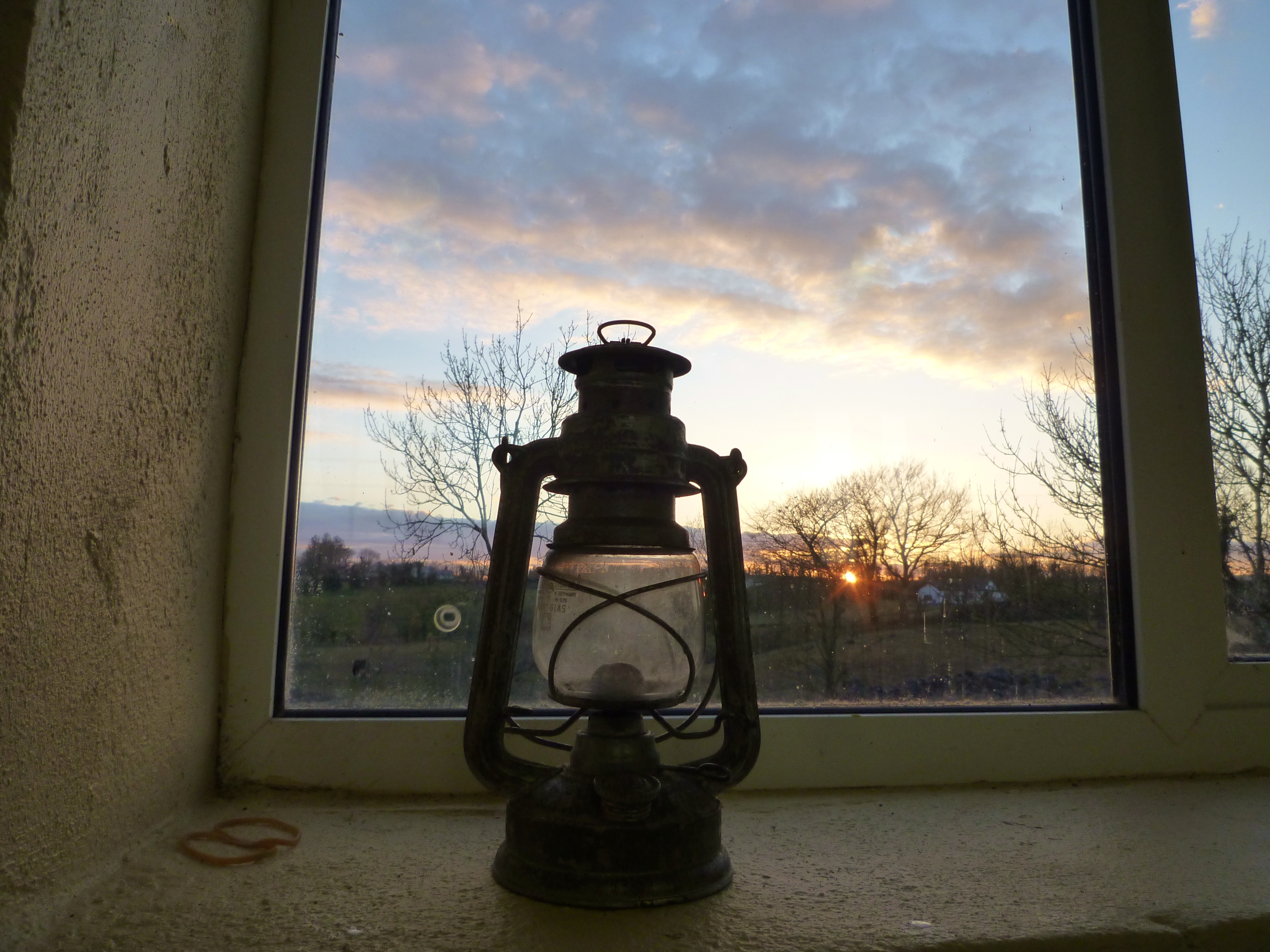
Sunset at Cornagilta: Photo © Michael Fisher

Sunset at Cornagilta: Photo © Michael Fisher

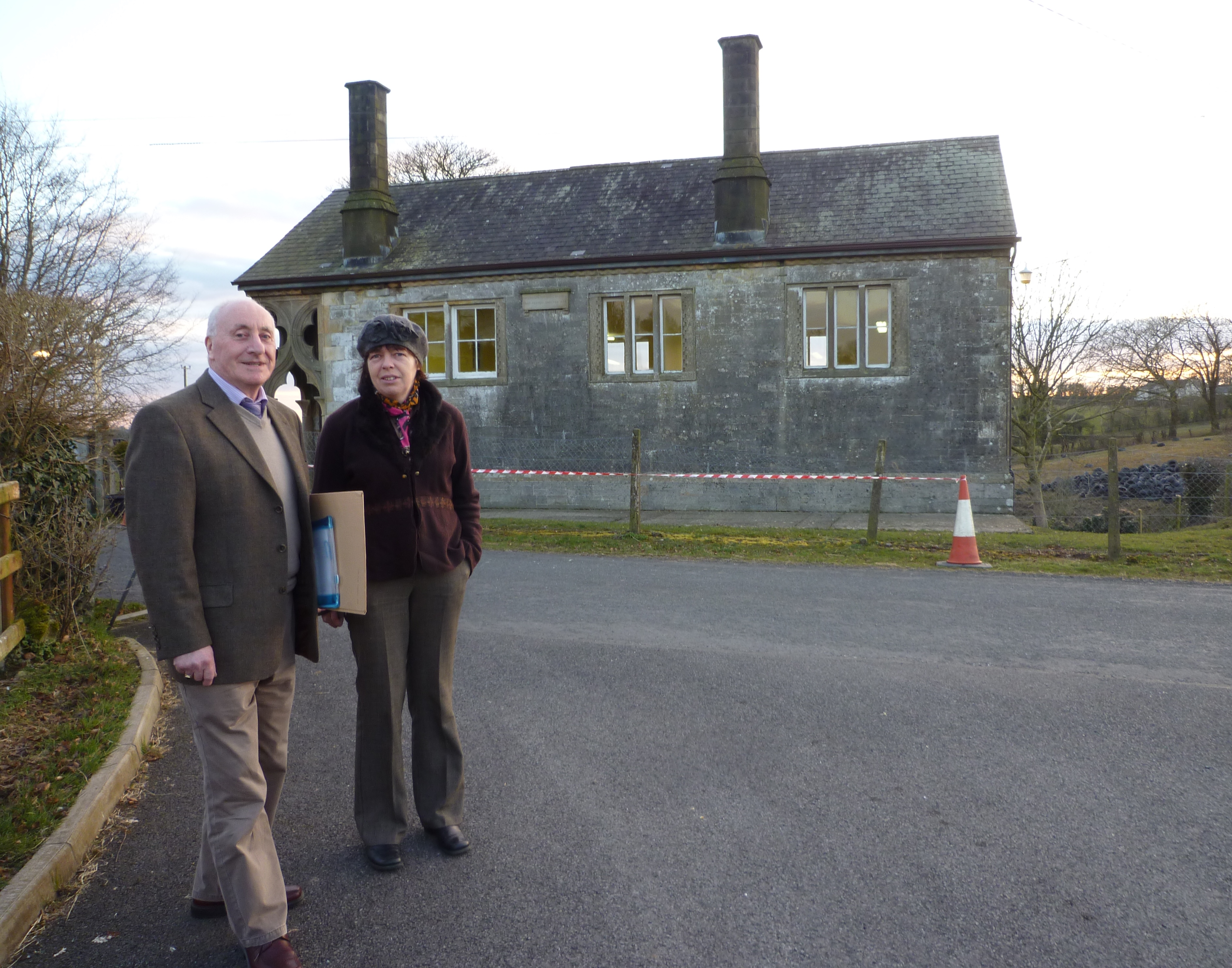
The sun was setting around Bragan as a crowd of over fifty people gathered at the former National School at Cornagilta, a few miles from Tydavnet, for an evening devoted to the history of what was once part of the Rose estate. Since 2001 when the late Canon Jackie Gilsenan was Parish Priest of Tydavnet, a group of locals has been working hard to preserve the building, which has some interesting stonework features, particularly at the entrance.

Theo McMahon at entrance to school

Theo McMahon at entrance

The small rural school was one of a number in the parish, which includes Scotstown (Urbleshanny), Knockatallon, Ballinode and Tydavnet, where the old school has already been restored and now serves as a community centre. Among the visitors was the former GAA President and former Principal at Urbleshanny NS, Seán McCague from Scotstown. A former teacher and a number of former Cornagilta pupils gathered to listen to one of their own, Patsy Brady, describe the history of the school.

Seán McCague NT

Seán McCague NT

The records show that the school opened on July 9th 1912 with a total of 68 pupils: 36 boys and 32 girls. It was closed in June 1984, when the roll call had reduced to 28 children. Over a 72 year period, 671 attended classes there, 351 boys and 320 girls. An important contribution to education in North Monaghan. In view of our visit there with the William Carleton Society in August 2011 during the summer school, I was interested to heard Patsy refer to a hedge school being run nearby in the 1820s.

Brian Deery at Cornagilta (August 2012)

Brian Deery at Cornagilta, 2012

Patsy described the different Masters who had run the school. They included Master (Brian) Deery, who was there from 1967 to 1978. The first was Master Luke Owens who later took over as Master at Barritatoppy school, also in the parish. In 1928 he moved into what was the service wing of Mullaghmore House between Tydavnet and Scotstown. I remember visiting Mullaghmore with a group from the Clogher Historical Society that include his son, the late Dr Cahal Owens from Clonskeagh in Dublin. He also came to Cornagilta on the same occasion, where Brian Deery was there to open the school door once again.

Late Dr Cahal Owens at Mullaghmore, 2007

Late Dr Cahal Owens at Mullaghmore, 2007

The original house was demolished after being destroyed in a fire on 24th January 1925. Those at the talk recalled how some local people then children remember seeing the flames in the distance as the large house burned (it was not a “castle”, as some described it). In a useful article about the property, a fellow blogger Timothy Belmont has a description of the fire and more information about the owners of the house, now the property of the Ronaghans.

The fire razed all but the servants’ wing and the stable block behind. The family (Captain S.R. Tufts) were away visiting friends in County Tyrone and there were no servants in  the house at the time. No cause for the fire was discovered. Previously the house was owned by Sir Robert Anderson, a Belfast businessman and founder of the Anderson & McAuley store in 1861, who had acquired Mullaghmore on the death in January 1907 of Gertrude Rose. 

Grace Moloney, CHS & Theo McMahon

Grace Moloney, CHS & Theo McMahon

Gertrude became the landlord after her uncle James Rose died in 1841 and on reaching 21 in 1849 she inherited the holding of 2810 acres, which comprised 21 townlands. Her relative had bought the lands from the Bishop of Clogher for £20,000 in 1821. The list of townlands was discovered by Theo McMahon in a letter to the new owner written around the late 1840s by an agent in the estate. It was part of the records of a “defunct estate” that were about to be disposed of in Monaghan a number of years ago, when Theo stepped in at a fortuitous moment and rescued the documentation.

The same letter gives Gertrude, who was then quite young, some advice on how to proceed. Better to get people to work, the writer advised, at a time when tenants had great difficulty paying rents, arising from the famine. Gertrude Rose ensured that a school was built at Cornagilta in 1859, using the locally quarried limestone and sandstone. In the early 1900s the building was closed and for a time was used for storing grain. Gertrude was a progressive and forward thinking landlord. For more details see Theo McMahon’s article on the Rose estate in the Clogher Record Vol. 18, No. 2  (2004), pp. 218-256. Theo’s talk was introduced by Grace Moloney of the Clogher Historical Society.

Talk by Patsy Brady at Cornagilta

Talk at refurbished Cornagilta School

The Cornagilta heritage committee will be holding another open day at the school on Sunday May 12th. They have done a lot in recent years to tidy up the building, make repairs and restore lighting. Their hope is that once more the school can become a centre for learning and other cultural activities.

CORNAGILTA HISTORY

The following notification about an event near Tydavnet in North Monaghan this evening (Thursday 4th April) appears on the website www.tydavnet.com. I hope to attend.

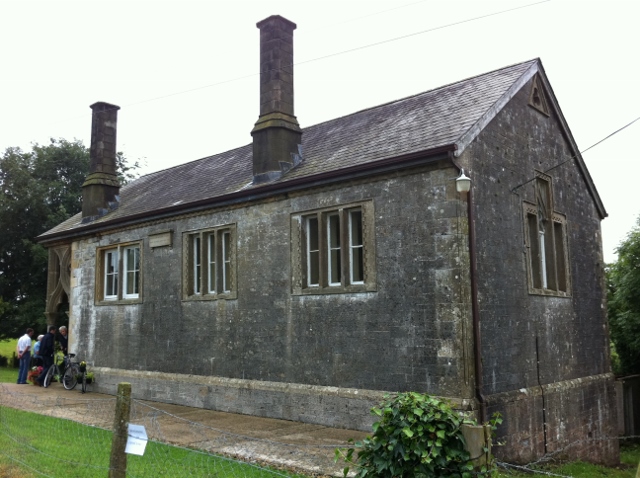
Cornagilta School

Cornagilta School

Cornagilta History night: A history night focusing on the Rose Estate and Cornagilta School will take place next Thursday night 4th April 2013 in CornagiltaSchool. Local historians Theo McMahon and Grace Moloney (Clogher Historical Society) will be in attendance. Perhaps you worked on the estate, or you remember the night the “Big House” burned down, or do you know any wee snippet of information or have photos that you’d like to share about the school, who the teachers were etc. Doors open at 7pm, with the presentation starting at 8pm sharp, please be early to get a seat. Contributions will be most welcome from all sections of the community.

Entrance to Cornagilta School

Entrance to Cornagilta School

RURAL ELECTRICITY

Erecting first pole at Kilsallaghan, Co. Dublin 1946 Picture: ESB Archive

Erecting first pole at Kilsallaghan, Co. Dublin 1946       Picture: ESB Archive

Watching a film on television (RTE1) brought a glimpse of what it was like when the ESB rural electrification scheme began in Ireland over 66 years ago. The first pole was erected at Kilsallaghan in North County Dublin (now comes under Fingal County Council) on the road between St Margaret’s and The Naul in November 1946. Planning for the project had begun a few years earlier during the Second World War, or Emergency as it was known.

More details of the scheme that helped to transform Ireland can be found on a website about Tinryland in County Carlow and the important role played by one of its inhabitants, Paddy Dowling. It was among the first parishes to receive a connection to the national grid.

The film that prompted me to put down these thoughts is “Stella Days“, directed by Thaddeus O’Sullivan. Martin Sheen plays the scholar-priest and forward-thinking Father Barry, whose hopes of reappointment to Rome are dashed by the tenacious Bishop Hegarty (played by Tom Hickey), whose sole objective is to control the ‘hearts and minds’ of the dwindling population by building modernist churches designed to dominate horizons around the country.

The film is apparently based on a memoir about the establishment of a cinema by a Canon in a small Tipperary town in 1957, although I notice at the end the statement that all characters are fictitious. This experience portrayed of the local priest at the forefront of a community enterprise was not unique. At the start of the film, Fr Barry is shown with a cine camera in his hands, capturing the work of the ESB crews when they arrived in his parish. The sequence is then shown as a black and white clip from the film he had taken, with a sequence very similar to the picture above, which is from the ESB archive.

It reminded me immediately of the work done by a Clogher priest, the late Canon Benny Maguire, who was 96 when he died. In the homily at his funeral in Urbleshanny, Scotstown, four years ago on April 4th 2009, the then Bishop of Clogher Dr Joseph Duffy recalled how Fr Maguire brought Muintir na Tíre to Monaghan and following a very successful Rural Week, the group’s annual national assembly was held in St Macartan’s College in the summer of 1947.  As a result the parish of Tydavnet had the first rural electrification scheme in the county and his enthusiasm helped to establish the Tydavnet Show which has been such a success annually since then.  The development of the Our Lady of Fatima Hall at Knockatallon in November 1952 was another by-product, now the site of another community-run facility, the Sliabh Beagh Hotel. A predecessor of Canon Maguire as parish priest, Canon Kirk, also used a cine camera to record some of the activities in this rural area.

IN PATRICK’S PATHS

Fr Denis Hartnett MHM

Fr Denis Hartnett MHM

Imagine the surprise of the congregation at Mass this morning when instead of the usual (retired) priest or the parish priest, they saw someone who looked a bit like St Patrick himself! Long grey-white hair and a plentiful beard. The usual celebrant had been temporarily replaced by someone who, appropriately for the feast day of the patron saint, turned out to be a missionary priest.

Massgoers in Tydavnet, County Monaghan in the Clogher diocese, listened with interest as Fr Denis Hartnett MHM introduced himself. He was there to promote the St Joseph’s Advocate magazine of the Mill Hill Missionaries, who took that name from the location of their motherhouse in North London and were founded by Cardinal Vaughan in the late 19thC. But it wasn’t a hard sell.

Instead, Fr Hartnett shared with the congregation his story of being a missionary in Sudan for over twenty years. His order came there in the 1930s. It was a fascinating story of life in this African country. He explained in a very vivid way how the peaceful existence of village life was suddenly shattered by war. Clapping his hands once to produce a startling “bang!” that would have awoken anyone not paying attention, he explained how one day he was  startled by the sound of gunfire and came out to discover that all the surrounding huts had been set on fire.

At this stage, he said all he could do was run for his life as men armed with AK47 rifles descended on the village. The local women were rounded up, taken to a stockade and were raped. Plunder, rape and pillage: a very different story than usual for Saint Patrick’s Day!

Fr John Skinnader & Tommy Bowe

Fr John Skinnader & Tommy Bowe

After the Mass, I asked Fr Hartnett if he had come across Fr John Skinnader CSSp, a missionary priest who comes from the neighbouring parish of Donagh (Emyvale) and who returned last October to Southern Sudan. During his time back in County Monaghan he attended the celebrations for the centenary of Edenmore national school, of which rugby international Tommy Bowe is also a past pupil. Fr Hartnett knows him but his work was in a different area. Fr Hartnett has been going around the country telling his story on behalf of his missionary order. After saying Mass in Tydavnet, he immediately went to another chapel in the parish to say Mass, at Urbleshanny in Scotstown. So if you did not get a chance to hear him, you can find out more about St Joseph’s Missionary Society here.