Get me outta here!

Michael Fisher's News

© Michael Fisher MMXXII

Menu

Skip to content
  • Home
  • About

Author Archives

borderroamerhttps://fisherbelfast.wordpress.comThe Northern Standard, Monaghan. Reporter.
borderroamer's avatar

RURAL ELECTRICITY

03/04/2013 by borderroamer
Erecting first pole at Kilsallaghan, Co. Dublin 1946 Picture: ESB Archive

Erecting first pole at Kilsallaghan, Co. Dublin 1946       Picture: ESB Archive

Watching a film on television (RTE1) brought a glimpse of what it was like when the ESB rural electrification scheme began in Ireland over 66 years ago. The first pole was erected at Kilsallaghan in North County Dublin (now comes under Fingal County Council) on the road between St Margaret’s and The Naul in November 1946. Planning for the project had begun a few years earlier during the Second World War, or Emergency as it was known.

More details of the scheme that helped to transform Ireland can be found on a website about Tinryland in County Carlow and the important role played by one of its inhabitants, Paddy Dowling. It was among the first parishes to receive a connection to the national grid.

The film that prompted me to put down these thoughts is “Stella Days“, directed by Thaddeus O’Sullivan. Martin Sheen plays the scholar-priest and forward-thinking Father Barry, whose hopes of reappointment to Rome are dashed by the tenacious Bishop Hegarty (played by Tom Hickey), whose sole objective is to control the ‘hearts and minds’ of the dwindling population by building modernist churches designed to dominate horizons around the country.

The film is apparently based on a memoir about the establishment of a cinema by a Canon in a small Tipperary town in 1957, although I notice at the end the statement that all characters are fictitious. This experience portrayed of the local priest at the forefront of a community enterprise was not unique. At the start of the film, Fr Barry is shown with a cine camera in his hands, capturing the work of the ESB crews when they arrived in his parish. The sequence is then shown as a black and white clip from the film he had taken, with a sequence very similar to the picture above, which is from the ESB archive.

It reminded me immediately of the work done by a Clogher priest, the late Canon Benny Maguire, who was 96 when he died. In the homily at his funeral in Urbleshanny, Scotstown, four years ago on April 4th 2009, the then Bishop of Clogher Dr Joseph Duffy recalled how Fr Maguire brought Muintir na Tíre to Monaghan and following a very successful Rural Week, the group’s annual national assembly was held in St Macartan’s College in the summer of 1947.  As a result the parish of Tydavnet had the first rural electrification scheme in the county and his enthusiasm helped to establish the Tydavnet Show which has been such a success annually since then.  The development of the Our Lady of Fatima Hall at Knockatallon in November 1952 was another by-product, now the site of another community-run facility, the Sliabh Beagh Hotel. A predecessor of Canon Maguire as parish priest, Canon Kirk, also used a cine camera to record some of the activities in this rural area.

Share this:

  • Share on Facebook (Opens in new window) Facebook
  • Share on X (Opens in new window) X
Like Loading...
MONAGHAN UNCATEGORISED Canon Benny MaguireESBKilsallaghanKnockatallonPaddy Dowlingrural electrificationScotstownSt Margaret'sStella DaysTinrylandTydavnet Leave a comment

BERLIN WALL

02/04/2013 by borderroamer
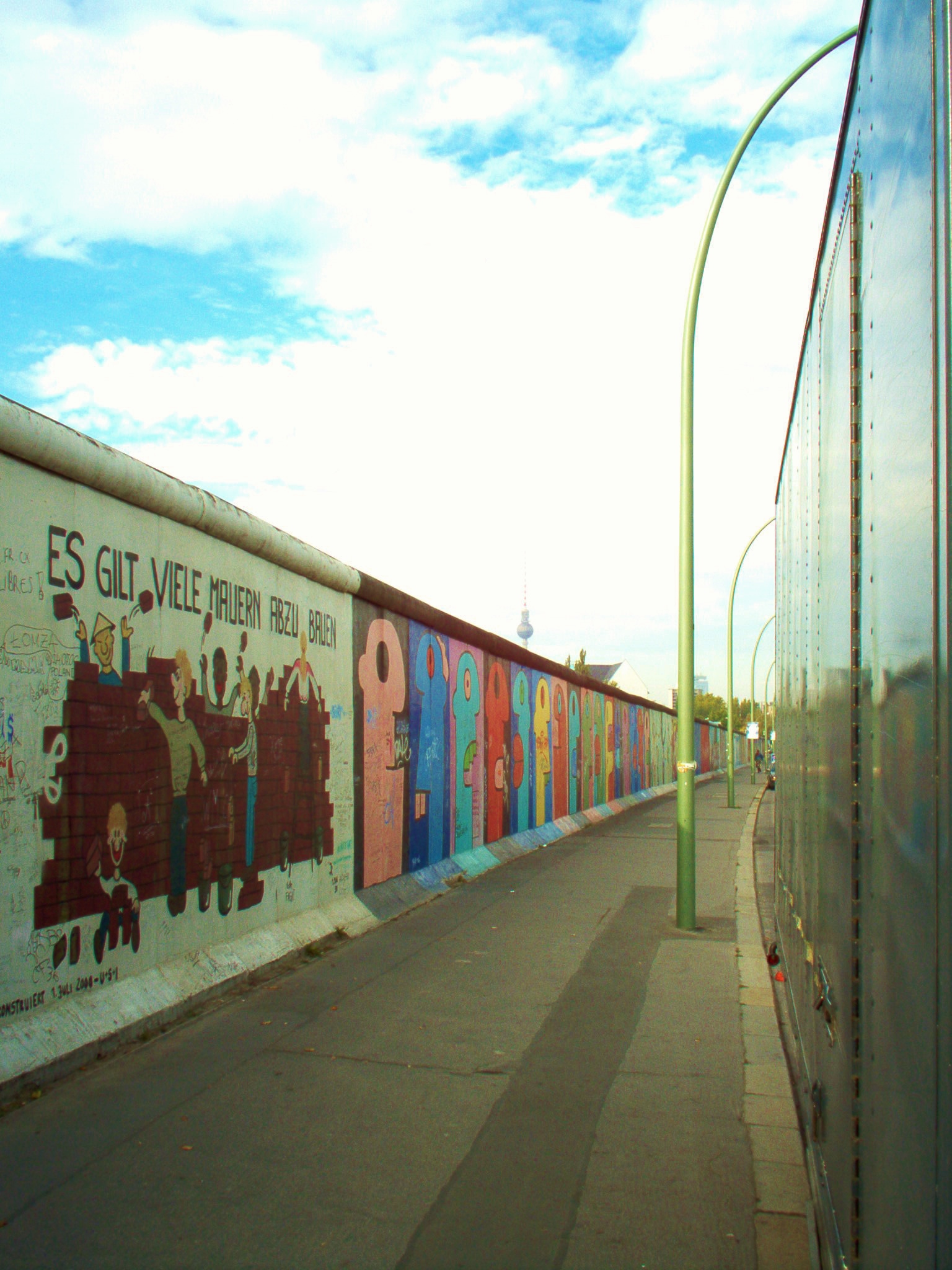
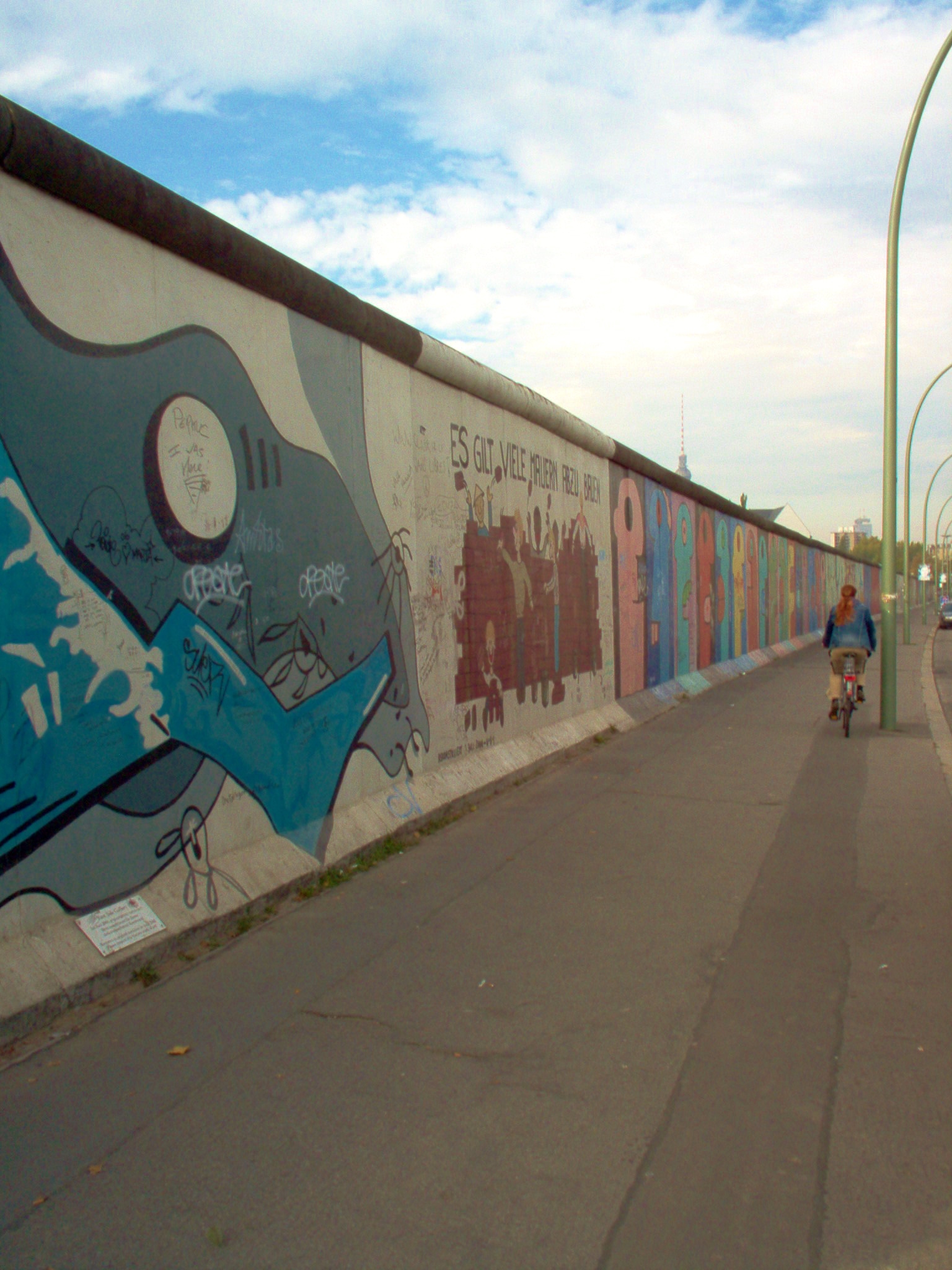
Berlin Wall East Side Gallery

Berlin Wall East Side Gallery

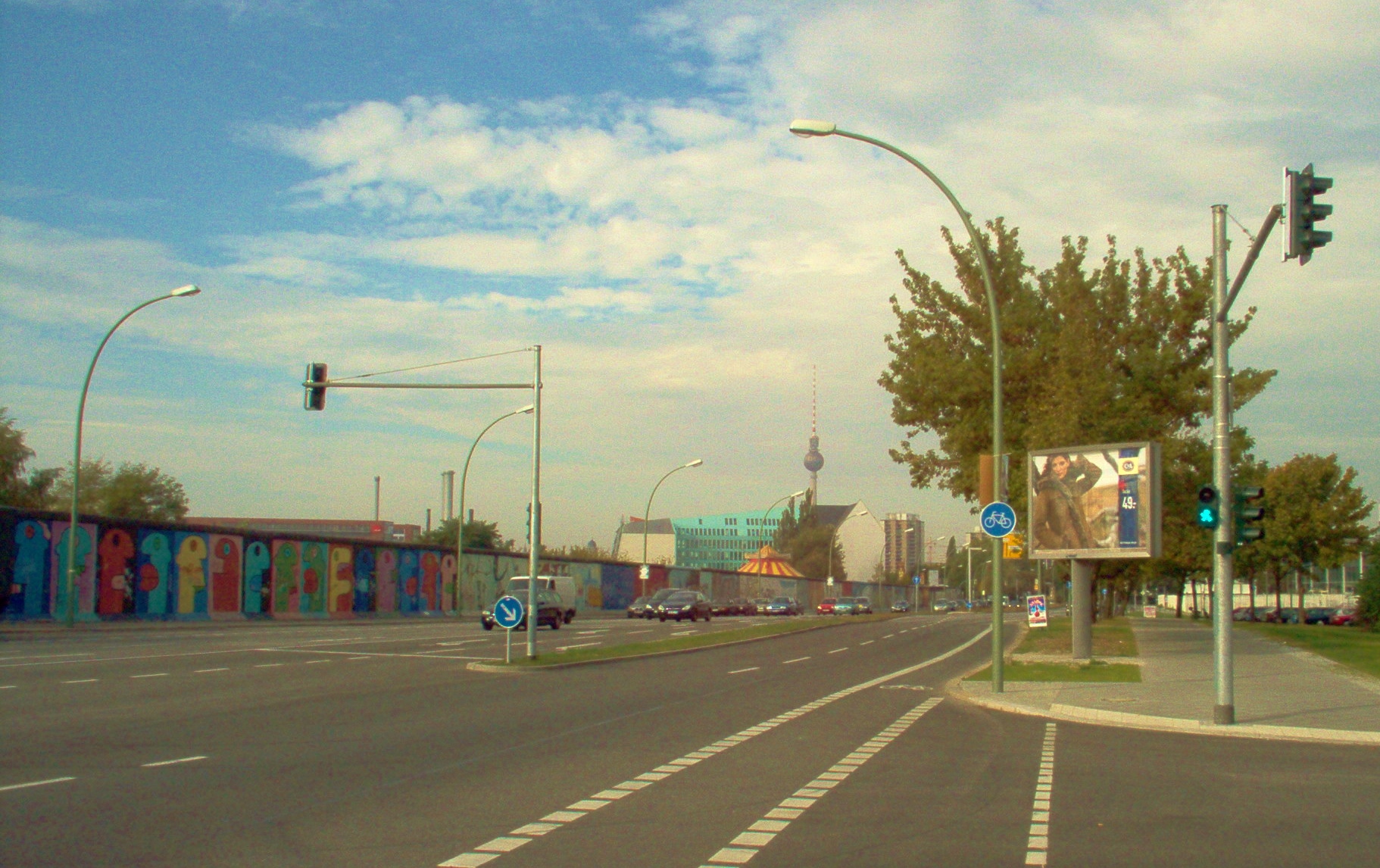
“Politics is the continuation of the war (with) by other means“. That’s the slogan on this original section of the Berlin Wall. If you want to see the longest remaining stretch of the Wall, then the East Side Gallery is the place to go, in what was once East Berlin controlled by the communist DDR. I visited it in 2006 and stayed at a hotel close by at the Ostbahnhof (East station). I think it was a weekend, a Sunday morning, as there was little traffic around.

Berlin Wall East Side Gallery

Berlin Wall East Side Gallery

Berlin Wall East Side Gallery

Berlin Wall East Side Gallery

But this part of the German capital’s history is under threat. The Guardian reports that construction workers backed by police have removed a section of the Wall to make way for a building project, despite calls for the site to be preserved. Residents expressed shock at the removal of part of the East Side Gallery, which followed a series of protests, including one attended by the actor David Hasselhoff. A police spokesman said there were no incidents as work had begun at about 5am to take down four sections of the wall, each about 1.2 metres wide, to make way for an access route to the planned high-rise luxury flats. The site is alongside the River Spree.

The East Side Gallery was recently restored at a cost of over £2m to the city. Construction staff removed a piece earlier this month but a public outcry halted building work, with local politicians saying they would look for a way to keep the rest of the wall intact. At least 136 people died trying to scale the wall that divided communist-run East Berlin from West Berlin.

The wall which was erected in 1961 came down on November 9th 1989. This stretch along with other bits such as former watchtowers then became a tourist attraction, with colourful paintings by 120 artists decorating the concrete slabs. Kani Alavi, head of an East Side Gallery artists’ group, said: “I can’t believe they came here in the dark in such a sneaky manner. All they see is their money. They have no understanding for the historic relevance and art of this place.”

By mid-morning the six-metre gap was covered by a wooden fence and guarded by scores of police officers. An Irishman Ivan McClostney who moved to the area a year ago from Ireland is quoted as saying: “If you take these parts of the wall away, you take away the soul of the city. This way, you make it like every other city. It’s so sad.”

Berlin Wall with TV tower in background

Berlin Wall with TV tower in background

The developer said the removal of parts of the wall was a temporary measure to enable trucks to gain access to the building site. He said after four weeks of fruitless negotiations with city officials and owners of adjacent properties, he was no longer willing to wait. I am wondering if this reminder of the divided city will still be there the next time I go to Berlin, one of my favourite travel destinations.

Share this:

  • Share on Facebook (Opens in new window) Facebook
  • Share on X (Opens in new window) X
Like Loading...
NEWS TRAVEL Berlin WallDavid HasselhoffDDREast Side Gallery 1 Comment

VESUVIUS LEGACY

01/04/2013 by borderroamer
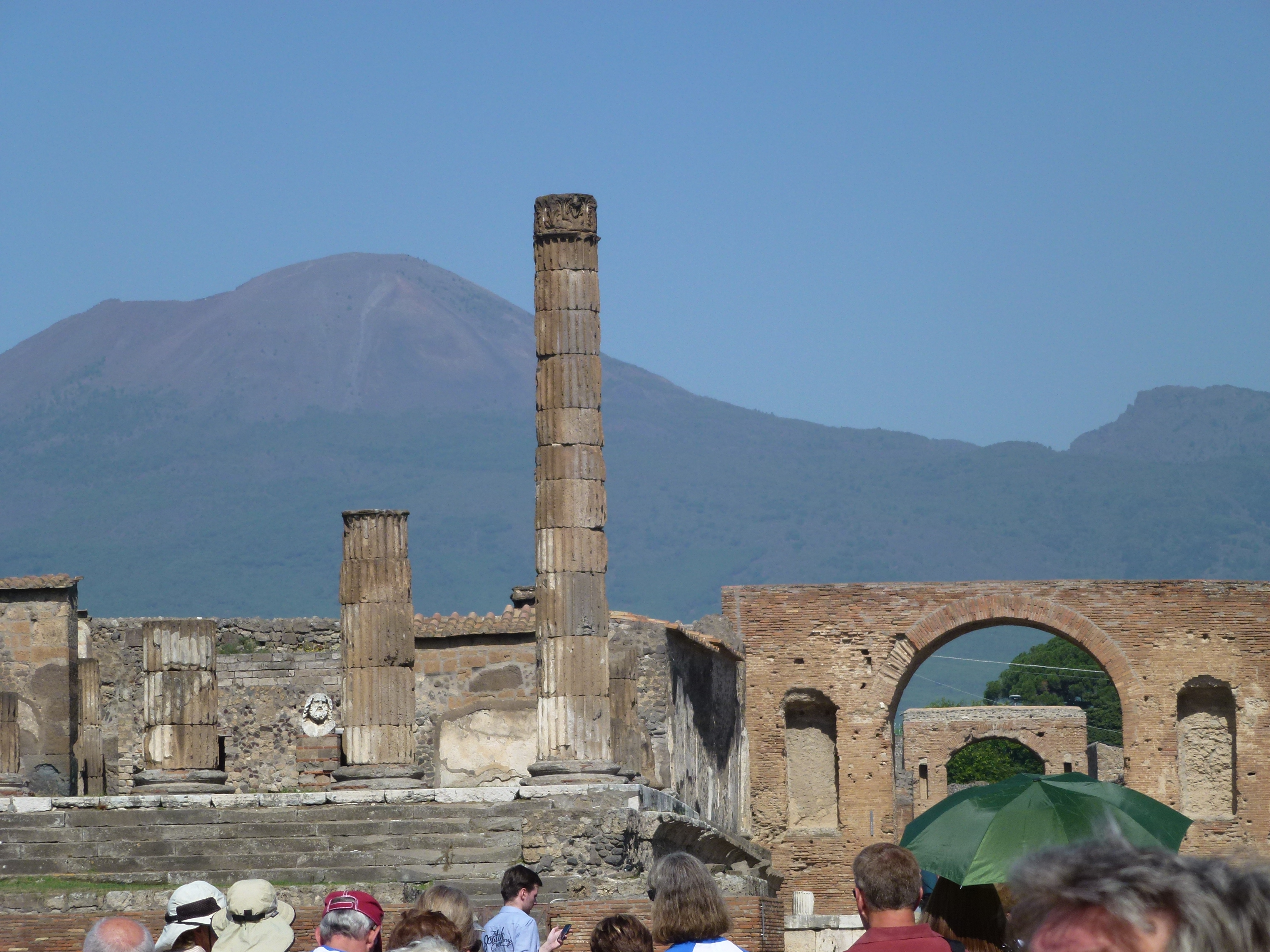
Pompeii and Mount Vesuvius

Pompeii and Mount Vesuvius

My summer sojourn for a fortnight on the Amalfi coast in Italy enabled me to visit Mount Vesuvius near Naples and to see the ruins of Pompeii, or at least part of the large site. Time did not permit a trip to nearby Herculaneum. But I watched with interest tonight a documentary on BBC2 about “The Other Pompeii: Life and Death in Herculaneum. Professor Andrew Wallace-Hadrill from Cambridge and Director of the Herculaneum Conservation Project presented the programme.  In it he follows the scientific investigation that aims to lift the lid on what life was like in the small Roman town of Herculaneum, moments before it was destroyed when Vesuvius erupted in 79AD.

Ten miles from Pompeii, twelve arched vaults at Herculaneum were found to contain the skeletons of over 340 people, just 10% of the local population, killed by the volcano. The finds included a toddler clutching his pet dog, a two-year-old girl with silver earrings and a boy staring into the eyes of his mother as they embraced in their last moment. Those found inside the vaults were nearly all women and children. Those found outside on the shoreline were nearly all men, in what appeared to be a selfless act on their part.

The documentary based on the research unravelled a surprising story of resilience, courage and humanity, with the local population going to their deaths not in the orgy of self-destruction often portrayed in Pompeii’s popular myth, but, much more like the passengers of the Titanic, it seems the ancient inhabitants of Herculaneum put women and children first.

Carbonised wooden cradle: Pompeii Exhibition: © British Museum

Carbonised wooden cradle: Pompeii Exhibition: © British Museum

The BBC programme and another related one broadcast last Wednesday on “Pompeii: The Mystery of the People Frozen in Time” coincide with the opening of a major exhibition at the British Museum. “Life and Death: Pompeii and Herculaneum” will run until the end of September and the normal admission price is £15.

Gold Bracelet in form of a coiled snake: Pompeii Exhibition: © British Museum

Gold Bracelet in form of a coiled snake: Pompeii Exhibition: © British Museum

Share this:

  • Share on Facebook (Opens in new window) Facebook
  • Share on X (Opens in new window) X
Like Loading...
NEWS TRAVEL UNCATEGORISED Andrew Wallace-HadrillBBCBritish MuseumHerculaneumItalyPompeiiVesuvius Leave a comment

EASTER SUNDAY

31/03/2013 by borderroamer
St Macartan's Cathedral, Monaghan

St Macartan’s Cathedral, Monaghan

A day for reflection and enjoyment in the company of family, so I will not venture into any lengthy diatribe today. It was my mother’s 93rd birthday, which she celebrated at home in Dublin. Meanwhile I was attending a birthday celebration in Monaghan for my first daughter, who had invited around her cousins, aunts and uncles. We were also fortunate to have our second daughter return home from London on an Easter break.

I attended Easter Sunday Mass at Saint Macartan’s Cathedral in Monaghan and there was a large attendance at the lunchtime service. I reflected on how my grandparents (on my mother’s side) would have attended the major liturgical events here sixty years ago and more. Since they lived at Tirkeenan beside the entrance to the Cathedral, they were frequent attenders at Mass, as my grandfather’s diaries from the time recorded.

I then took the opportunity to visit the graveyard at Latlurcan, where I had attended two funerals earlier this month. My aunt Marie and her husband and my uncle Finbarr Smyth are buried there. Finbarr died in an air crash in the Isle of Wight when I was five and living in London in November 1957. He had been flying out to Madeira on a holiday with Cosmo Meldrum, a friend from Sligo, where he was manager of the Yeats Country Hotel at Rosses Point. The Aquila Airways Short Solent flying boat G-AKNU (pictured here at Funchal Bay) crashed shortly after take-off at Southampton docks.

Short Solent G-AKNU taking off from Funchal Original Photo © J Arthur Dixon, via Wikipedia

Short Solent G-AKNU taking off from Funchal
Original Photo © J Arthur Dixon, via Wikipedia

During a holiday in Madeira in 2011 I discovered more details about the airline and the planes it used since 1949 to bring holidaymakers to the island, as it developed a tourist industry. There was a small exhibition about the flying boats beside the shop at the Madeira Story Centre museum in Funchal. Upstairs there was also a display that included a mock-up of part of the aircraft’s cabin, including the roof racks used to store luggage. Black-and-white archive film played on small monitors showing the planes taking off. It was an emotional experience. I notice that there is now a plaque at St Mary’s church in Brook, close to Chessel Down, containing the names of all those who died in the crash. At some stage I will go to visit it.

Short Solent Cabin Reconstruction, Madeira

Short Solent Cabin Reconstruction, Madeira

45 people died in the crash, seven of them members of the crew. May they rest in peace. Thirteen people managed to survive, among them a former British Army officer Major PW Colan, from Cloyne in County Cork. British commercial flying-boat operations ceased ten months later on 30th September 1958 when Aquila Airways withdrew its Madeira service. The flying boats for passenger traffic were a variation of the Sunderlands which provided important service from Lough Erne and other RAF bases in the Second World War. They were built by Short Brothers and Harland in Belfast.

Share this:

  • Share on Facebook (Opens in new window) Facebook
  • Share on X (Opens in new window) X
Like Loading...
TRAVEL UNCATEGORISED Aquila AirwaysChessel DownEaster SundayFinbarr SmythFunchalIsle of WightMadeiraMonaghanShort Solent flying boatSt Macartan's Cathedral 4 Comments

MARIE CURIE BELFAST

30/03/2013 by borderroamer
Marie Curie collection Belfast

Marie Curie collection Belfast

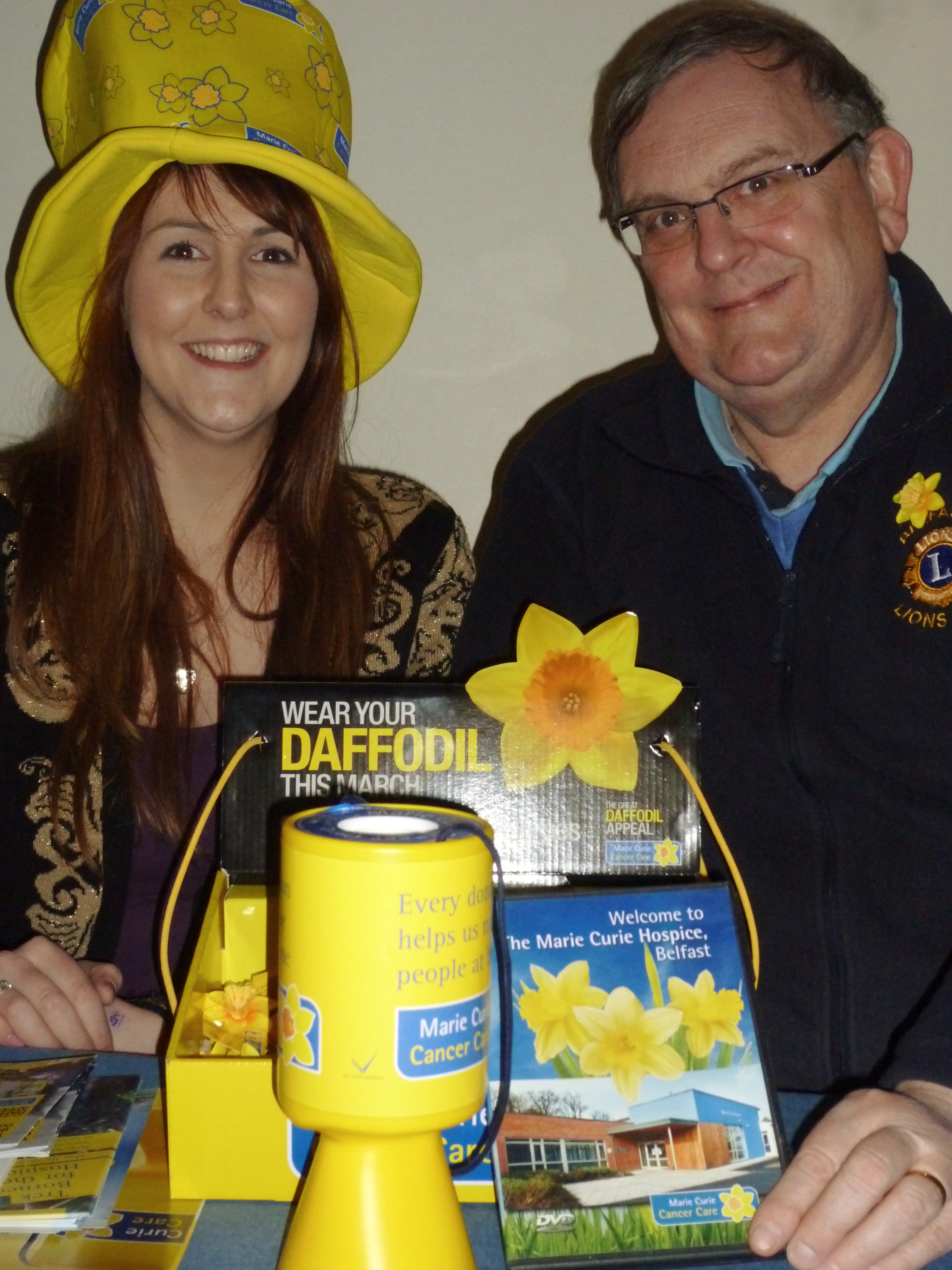
Five years ago on Good Friday, one of our neighbours in Belfast lost her battle with cancer and passed away. Liz Reid was 49 when she died in the care of the Marie Curie staff at the hospice in Knock. Her husband John later praised the outstanding work done by the care teams. To thank them for the support given to Liz during her last months, John helped to raise funds for Marie Curie by taking part in events such as the Belfast Marathon with his family. John is a well-known architect in Belfast and another project he helped to organise for the charity was a Titanic-themed dinner in the former Harland and Wolff drawing offices.

Grace Smyth & Michael Fisher, Belfast Lions Club

Grace Smyth & Michael Fisher

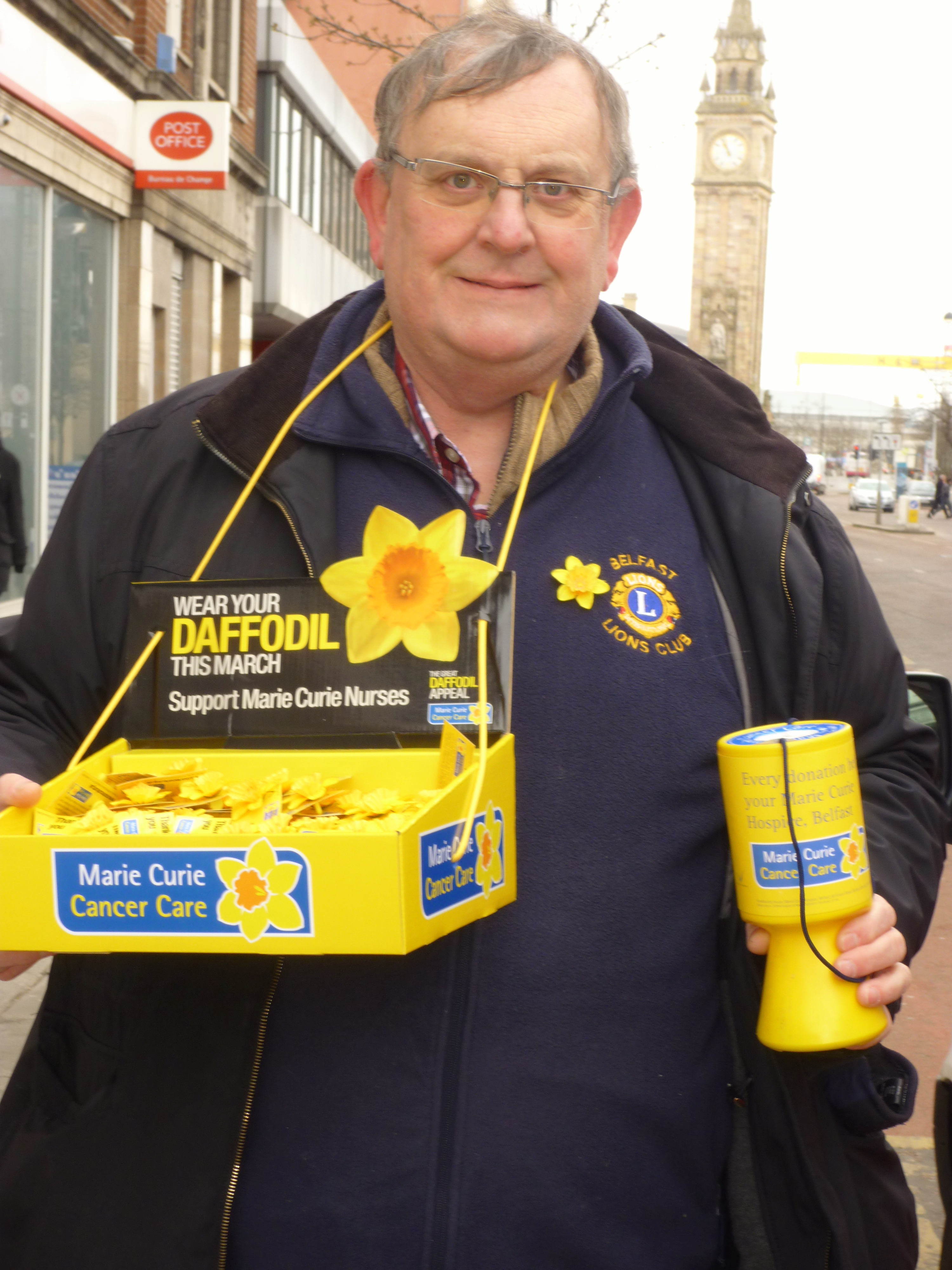
John was also interviewed for a video which Marie Curie fundraiser Grace Smyth showed to members of Belfast Lions Club at their monthly meeting at the start of March. So it was very appropriate that this morning myself and my wife, a former Marie Curie home care nurse, joined a few dozen people in Belfast city centre to help collect for the annual daffodil appeal.

A working agreement was reached in November last year by Marie Curie and the Lions Clubs multiple district for Lions in Britain and Northern Ireland to assist with the Great Daffodil Appeal. Marie Curie do great work, particularly at the hospice in Knock in the East of the city. I hope if you saw anyone collecting in Belfast or elsewhere, you were able to give your support. Thank you. More details of the collection and the charity can be found here.

Daffodil Appel: Marie Curie

Daffodil Appeal: Marie Curie

Belfast Lions Club

Belfast Lions Club

Share this:

  • Share on Facebook (Opens in new window) Facebook
  • Share on X (Opens in new window) X
Like Loading...
UNCATEGORISED belfastBelfast Lions ClubDaffodil DayhospiceJohn ReidKnockMarie Curie Leave a comment

PAUL ROBINSON BURSARY

29/03/2013 by borderroamer
Bursary Presentation

Bursary Presentation

For the past four years, the National Union of Journalists in Northern Ireland in association with the BBC and Chest, Heart and Stroke has run a bursary scheme for young journalists in memory of Paul Robinson. Paul was a producer in the BBC and NUJ member,who died in February 2009 of heart-related problems. In his memory, the BBC and NUJ jointly fund a £1,000 bursary for a journalism student in Northern Ireland. The BBC also offers a two weeks work experience placement to the winner.

This year the bursary was won by Iain McDowell from Rathfriland in County Down. His winning entry was an audio package entitled “Battling Stress: Letitia’s Story“. Former BBC and UTV journalist Letitia Fitzpatrick talked about her struggle with stress in this report into one of the biggest mental health problems in the UK. In the opinion of the two judges, it was skilfully produced. There was good content throughout and the package was well constructed and a good story, well told. The mixes of background sound were good, with decent editing and the right level of noise to ensure it was not intrusive.

Áine O’Doherty from the North West Regional College was commended for her video entry “Old Library Trust Healthy Living Centre” in the Creggan area of Derry. The judges are David Lynas of the BBC and myself, pictured above presenting an NUJ cheque for £500 to Iain along with Vanessa Elder of CHS at our branch meeting in Belfast.

Lisa Nelson 2012 award winner

Lisa Nelson 2012 award winner

The competition was open to all NVQ Level 4 students in journalism and journalism degrees students in Northern Ireland. Previous winners include Lisa Nelson (2012 for her online entry) now with the NCTJ Journalism Diversity Fund, Dean McLaughlin of the North West Regional College for a video report (2011) and David Thompson (2010) of the Universiy of Ulster at Coleraine for his audio package “Raymond’s Story“.


Share this:

  • Share on Facebook (Opens in new window) Facebook
  • Share on X (Opens in new window) X
Like Loading...
NEWS BBC Northern IrelandIain McDowellLisa NelsonNUJPaul Robinson Bursary Leave a comment

NUJ ACTION

28/03/2013 by borderroamer
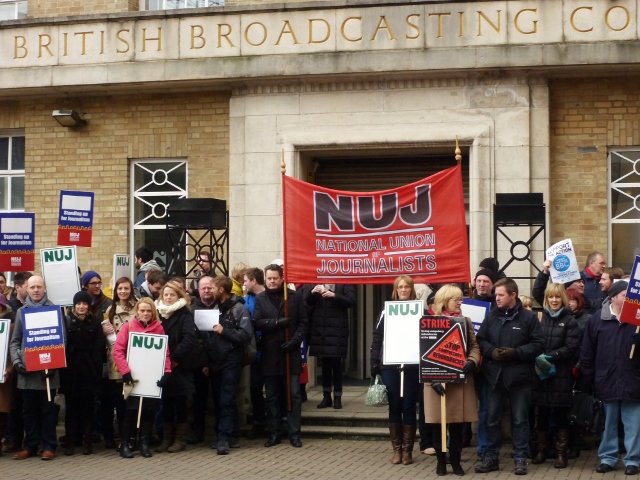
BBC Belfast Strike

BBC Belfast Strike

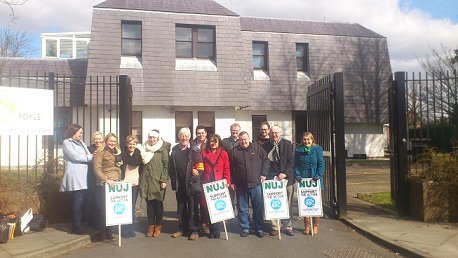
This was a busy day for NUJ activity. First, union members at Broadcasting House in Belfast (and at BBC Radio Foyle in Derry) joined journalist colleagues around the UK in walking out at midday to hold a twelve hours strike.

BBC Radio Foyle picket

BBC Radio Foyle picket  © NUJ website

The first Radio Ulster programme affected was Talkback. The presenter and long-standing member Wendy Austin was among those joining the line outside the main entrance. Inside, members of management kept some output on the air including radio news bulletins. The NUJ action along with the broadcasting union BECTU is over job cuts, compulsory redundancies, harassment and bullying within the Corporation.

At BBC picket line

At BBC picket line

At the meeting of Belfast and District Branch of the NUJ, members expressed their solidarity with their colleagues on strike. Later some of the branch members including myself joined the chapel members on the picket line. It was an interesting branch meeting, during which we endorsed a statement by the union’s National Executive Council at its meeting last Friday that criticised the First Minister Peter Robinson:-

“The National Executive Council of the NUJ has called on First Minister Peter Robinson to withdraw his remarks for the people of Northern Ireland to “stop reading the Irish News. The NEC considers the First Minister’s controversial remarks ill-considered and demands that he withdraws the boycott of the newspaper immediately. The Irish News and its journalists have the right to pursue legitimate questioning in the public interest and the NUJ will defend its members’ rights to do so.”

NUJ Belfast & District Branch meeting

NUJ Belfast & District Branch meeting

The Branch also heard from Ridwaan Haji, a Somali journalist and NUJ member based in London, about the serious situation facing journalists in the Horn of Africa. He told us that eighteen journalists had been killed there last year and so far this year three had died, almost all of them in the capital, Mogadishu. Last Sunday a female radio journalist 21 year-old Rahma Abdulkadir was shot dead near her house by three young men carrying pistols. The Guardian reports that her main focus was human rights in Somalia, particularly womens’ rights. The International Federation of Journalists (IFJ) has condemned the killing.
reviews the list of murdered journalists

Ridwaan reviews the list of murdered journalists

Tonight the UNESCO Director General Irina Bokova denounced the murder and called for an investigation into the crime. Members of the media killed during conflict will be remembered during the IFJ Congress in Dublin later this year and it is hoped that the Branch will have a stand at the conference hall in Dublin Castle on June 6th. Preparations are also continuing for a one-day safety conference for journalists and media workers in Northern Ireland to be held before July.

Share this:

  • Share on Facebook (Opens in new window) Facebook
  • Share on X (Opens in new window) X
Like Loading...
NEWS BBCbelfastDerryIFJNUJRadio FoyleRahmo AbdulkadirSomaliastrike Leave a comment

CAROLYN’S FAREWELL

27/03/2013 by borderroamer
Carolyn's Farewell

Carolyn’s Farewell

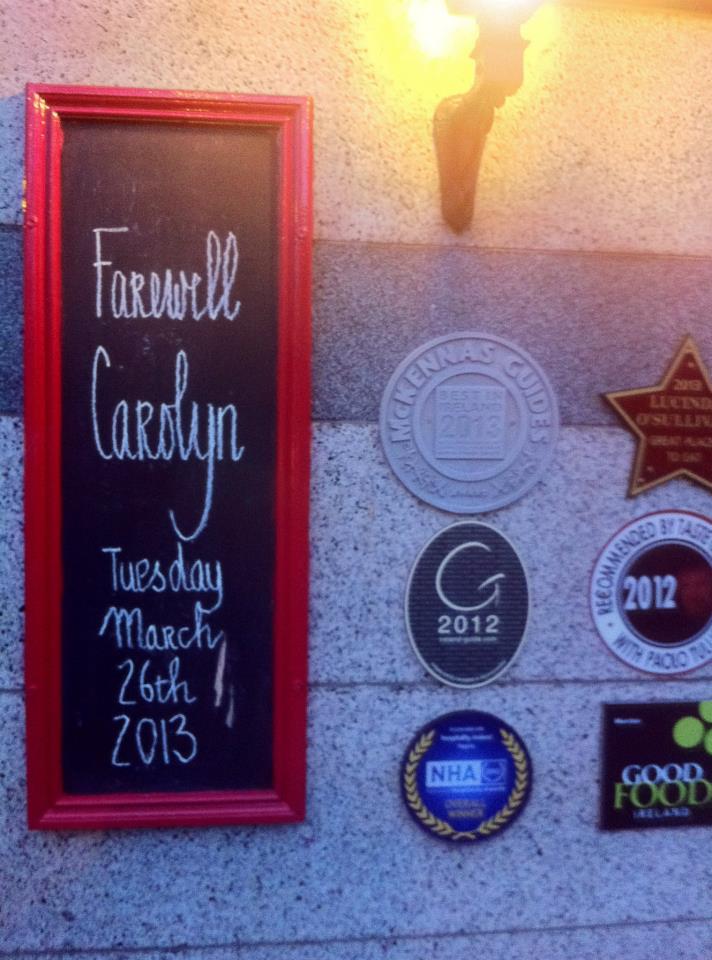
The popularity of my last blog, one of the most widely read since I started on New Year’s Day, can be attributed not so much to the content but rather to the subject: my younger sister Carolyn. She finishes on Thursday after completing around 35 years’ service to RTÉ mainly in the News and Current Affairs department. Last night her colleagues gathered at O’Connell’s in Donnybrook to say farewell. Those who are of a certain generation might remember it better as Madigan’s, frequented by RTÉ staff both at lunchtimes and in the evenings.

Sign at main entrance

Sign at main entrance

Star Quality

Star Quality

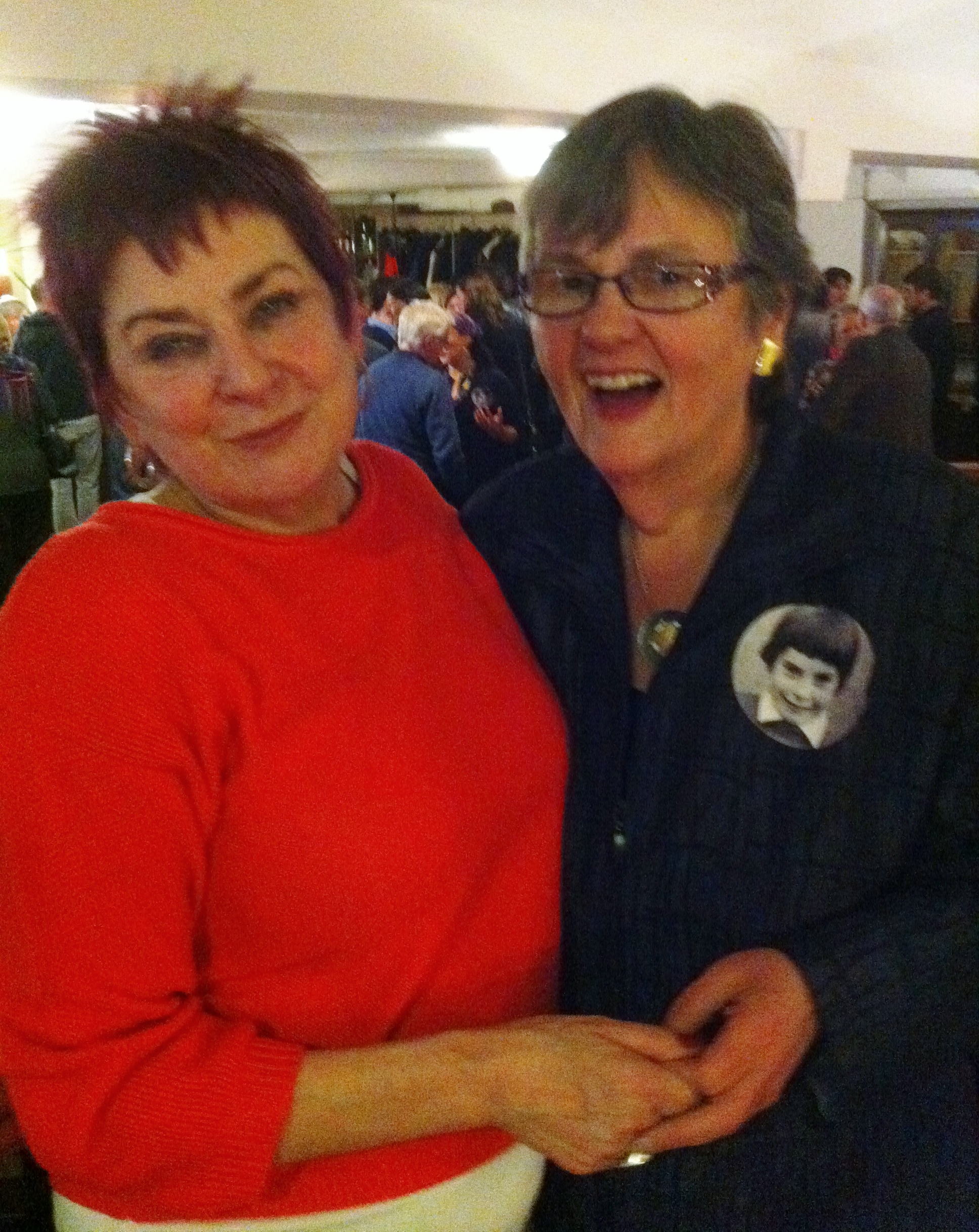
Tom and his staff made guests feel very welcome when they arrived. Some of Carolyn’s  colleagues had put in a great effort to decorate the tables and surrounding area with photographs, including some provided by my youngest brother of Carolyn in her early days. When the video rolled, threatening to open wide the Fishergate files, it asked the question: where did it all start? or words to that effect. But I never heard any mention of London, her birthplace! Like my other two brothers, she was born when my father was working there, first of all as London Editor of the Irish Press and then as Editor of the Catholic Herald newspaper.

In a recent interview with Eileen Dunne, he said that he believed his best work as a journalist had been his coverage from Rome of Vatican II. He began his career in public service broadcasting in September 1967, when he was appointed deputy Head of News at RTÉ in Dublin. His fellow Derryman, Jim McGuinness, who had also been in the Irish Press, had helped to persuade him to return to Ireland at a time when he was working as a freelance and had just finished writing his first book entitled “The Church in Transition”. The publisher was Geoffrey Chapman, who lived a few streets away from us in Wimbledon, in the Sacred Heart parish which the Jesuits will leave later this year.

Carolyn Fisher &  Miriam O'Callaghan

Carolyn Fisher & Miriam O’Callaghan

Miriam O’Callaghan acted as the MC for the speeches, which began with Director of News Kevin Bakhurst, followed by the Managing Editor Current Affairs TV David Nally, whose memories of Carolyn with her spiky hair went back to his student days. A contemporary from UCD days recalled how Carolyn (History, Politics) and her friend Mags brightened up the corridors of Belfield. Now Carolyn’s son Sam has followed her footsteps in Belfield and is currently doing an MA in Archives and Record Management. In the punk rock days, “record” might well have referred to singles, and LPs, of which my brother built up an extensive  collection!

Peter Feeney who I remember from schooldays in Gonzaga College (his brother was in the same class) also spoke in very complimentary terms about Carolyn. Like David, he also mentioned the role my father had played in RTÉ.

Carolyn Fisher and Bride Rosney

Carolyn Fisher and Bride Rosney

Among the attendance was Carolyn’s former boss, Bride Rosney. I happened to meet her in Belfast last Saturday, when she accompanied the former President Mary Robinson, now appointed to a major new role with the UN. Both were attending the celebration for the life of Inez McCormack.

Carolyn bids farewell

Carolyn bids farewell

Carolyn joined RTÉ about a year or so before I did. So I reckon she has spent some 35 years there. I worked there for 31 years and my father for 16 years. So between the three of us, we have contributed over 80 years’ service to public service broadcasting in Ireland as well as a few years to the BBC. It was perhaps appropriate that the new Director of News Kevin Bakhurst (ex BBC News) should be the first to be called on to address the farewell gathering. It marked an important chapter in our family history.

Kevin Bakhurst speech

Kevin Bakhurst speech

Share this:

  • Share on Facebook (Opens in new window) Facebook
  • Share on X (Opens in new window) X
Like Loading...
NEWS UNCATEGORISED Bride RosneyCarolyn FisherDavid NallyKevin BakhurstO'Connells DonnybrookPeter FeeneyRTÉ 2 Comments

LOOK YOUR BEST IN COLOUR

26/03/2013 by borderroamer
Colour Test Chart

Colour Test Chart

Saying farewell to the BBC television centre in yesterday’s blog, I came across a document which my father seems to have acquired after a brief attachment to BBC News in London in summer 1967 before his return to Dublin and a post as deputy Head of News in RTÉ. The foreword says “going into colour is the greatest opportunity BBC Television News has had for many years”. This was at a time when news broadcasts came from the Alexandra Palace studio. The move to the new quarters at Television Centre at White City did not happen until 1969. Some interesting figures about the building, quoted in a BBC booklet at the time, can be found on a blog by Matt Verrill, Technical Project Manager, BBC Children’s Interactive.

BBC booklet 1969

BBC booklet 1970

The final news programme to be broadcast from Ally Pally was a late night news on BBC 2 on Friday 19 September 1969 in colour. Over that weekend, sixty-five removal vans transferred the contents of Alexandra Palace across London. BBC Television News resumed operations the next day with a lunchtime bulletin on BBC 1 – in black and white – from Television Centre, where it remained until a week ago (March 18th). Bob Taylor, a retired engineer, described his memories of the operation here.  The same article contains an observation which will interest any readers in Northern Ireland. Referring to a colour transmission to America in the NTSC format on the night of Neil Armstrong’s moon landing (July 20th 1969) Bob remarked:-

“I was in charge of the (technical) line-up that night (at Alexandra Palace) and witnessed the excitement of those first steps.  As part of a World roundup of reaction for the American networks, we had in our (news) studios various dignitaries including Rev Ian Paisley and another Irish MP of the time Bernadette Devlin.  She was very young and a reactionary, but it was interesting that she never answered a question until her minder spoke in her earpiece and told her what to say“.

Unlike Bernadette to be stuck for words! But that was how the BBC man remembers it. He

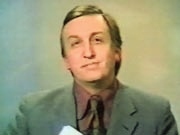
Back to the Colour Guide. This is how BBC news presenters and reporters were advised to dress to “Look Your Best in Colour”. Starting with MEN, who certainly dominated the television news industry in those days, the GENERAL advice is:-

“Partly because of the size of the screen, partly because of the television system, colours tend to be exaggerated by television. This is particularly true of reds and blues. This means that, in an interview for instance, people wearing quiet colours (women: an natural make-up) are likely to look best. Viewers’ attention will not be distracted and interest will centre on the faces and not on the clothes. CLOTHES: While a dark coloured suit is all right, you will look better in a mid-toned one of any colour. Tweeds are excellent. Very pronounced horizontal striped or checked patterns are liable to produce a strobroscopic effect. Don’t wear a bright shirt; an off-white or pastel-coloured one is best. A quiet tie looks better than a loud one. MAKE-UP: If you can shave shortly before coming to the studio it will lessen the risk of ‘five o’clock shadow’, which looks even worse in colour. If we ask you to use any make-up at all it will be only a small amount to make you look yourself on the screen, to counteract the colour system which tends to exaggerate the features (particularly the mouth and ears) of some people“.

This is the bit I like, but I wonder how often the advice was taken:

“Finally — and no joking — it is better not to have a drink (**it doesn’t specify whether alcoholic or not**) just before transmission — it will heighten your colour noticeably!” The same advice applies for WOMEN. They are told about their CLOTHES:-

“So, wear medium-tone clothes neither very dark nor very light, Beige, tan and grey are particularly good. Avoid large unbroken areas of black or white. Provided that the design is not too pronounced, dresses made of patterned material can look very effective. Smooth, very shiny fabrics, especially in light colours, will not flatter you, and may cause technical difficulties, but fur, wool, cotton, linen, tweed, lace, suede and leather are all good. The rule about very pale colours applies also to stockings. Sequins are likely to reflect light and be distracting. For the same reason do not wear large and bright jewellery. MAKE-UP: Do not use a thick foundation; remember to match your foundation as near as possible to your skin colour. If you DO use a darker foundation ensure that you blend it well down your neck. Use eye shadow sparingly; avoid strong colours. A lipstick in the ‘soft coral’ or ‘brownish’ range is preferable to a blue-pink or red one. In case we DO have to adjust your lip colour please avoid indelible lipsticks“.

So now you know how to look your best on colour television! Sure the likes of Eugene McVeigh or John Coghlan could have told you that immediately they pointed their camera at you. The guide though was intended for studio operations. Out in the field they probably would have added: …..and bring a hairbrush with you! Meanwhile there are a few other BBC News guidelines drawn up by the assistant editors for BBC2 News:-

 REPORTING Be very careful of Fleet Street ‘journalese’ — it sounds terrible — and of unfair methods in obtaining stories. We have the BBC reputation to maintain.    PERFORMING News doesn’t want television ‘personalities’, but you must have impact….Appearance matters, mostly in a negative way: you should not be uncombed, bristle-chinned, loose-tied, or curiously dressed, because such things distract from our news purpose“.

All this television news history by way of marking an important chapter in family history: my sister Carolyn (senior Press Officer) is taking leave from her colleagues in RTÉ News in Dublin this evening and finishes on Thursday after some 36 years in the organisation. She joined RTÉ a year or two before me, having helped to set up the first BBC office in Dublin where Philip Whitfield was the correspondent. As I mentioned, my father Des Fisher began in 1967 and retired in 1983 when he was Head of Broadcasting Development, having helped to set up RTE2 with the late Dick Hill and Raidio na Gaeltachta. He was interviewed recently by Eileen Dunne for The God Slot on Radio 1 about his memories of covering Vatican II and his hopes for the new Pope. So add his 16 years to my own 31 years from January 1979 to September 2010 and Carolyn’s record and you have a total between us of over 80 years’ contribution to public service broadcasting in Ireland, each if us having appeared on radio and television in some shape or form over that period.

The farewell gathering was well attended and took place at O’Connell’s in Donnybrook (Peter Feeney referred to the time when it was Madigans pub, a favourite watering hole for RTÉ staff). Carolyn’s colleagues in the Communications section did a great deal of organisation along with friends in News and Current Affairs, who put together a video package containing many clips of Carolyn I had not seen before. Thanks to Miriam O’Callaghan who introduced the speakers, including the new Director of News and Current Affairs Kevin Bakhurst and Managing Editor of Current Affairs TV David Nally. It was great to catch up with a number of former newsroom colleagues.

Carolyn Fisher & Miriam O'Callaghan

Carolyn Fisher & Miriam O’Callaghan

Share this:

  • Share on Facebook (Opens in new window) Facebook
  • Share on X (Opens in new window) X
Like Loading...
NEWS Alexandra PalaceBBC NewsCarolyn FisherColour televisionDes FisherRTÉ Leave a comment

FAREWELL BBC TV CENTRE

25/03/2013 by borderroamer
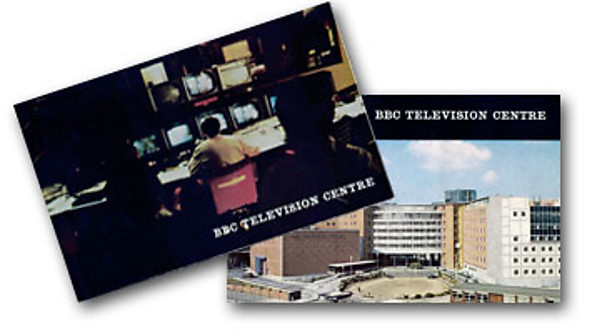
BBC TV Centre London

BBC TV Centre London

So farewell to the loyal and trusted servant Esther Rantzen called a”media cathedral”. BBC television has made its last live broadcast from the London HQ opened 53 years ago. It will vacate the 14 acre site on Sunday March 31st.  TV Centre was sold last year for £200m to a property developer and is to be redeveloped into a hotel, flats, a cinema and offices.

Stage Six TV Centra

Stage Six TV Centre

The three main television studios will be refitted and leased out to production companies, including the BBC, from 2014/15. The commercial arm BBC Worldwide will move into what is known as “Stage 6”, an area used by BBC News up until its transfer to Broadcasting House in a new multimedia newsroom near Oxford Circus. Many other BBC staff have now moved to the new Media City at Salford Quays beside Manchester.

Having started my news reporting training in the basement of the old section of Broadcasting House in April 1974 on my 22nd birthday, it was slightly daunting to move on to the television side of the operation. This meant a period of familiarisation at the television centre at White City, a very different location from the bustling atmosphere of central London.

My first day there (and I have just found the paperwork for the course) was on October 21st 1974. There were eight trainees including myself on the course. One of the particpants on the same scheme the previous year was Tony Hall, who after moving to the private sector in 2001 is the incoming Director General of the BBC. The month-long course was organised by Ivor Yorke, who went on to become head of journalist training and wrote a manual on television news reporting. The first day consisted of a tour of the Spur, followed by a visit to the news studio N1 and a seat in the observation gallery for the rehearsal and transmission of the early evening bulletin at 5:45pm. It was fascinating to see all the elements coming together and then watch as the news went live.

TV Centre 1977

TV Centre 1977

I remember amongst others Philip Hayton who had just started as a TV home news reporter. His colleagues at the time included Michael Buerk and Michael Cole. The late Brian Hanrahan who had joined the Corporation as a junior clerk in the photo library in 1971 was a sub-editor or script writer, before moving on to become duty editor and then Northern Ireland Correspondent, based in Belfast.

Brian Hanrahan

Brian Hanrahan

Brian was among the people I found very welcoming when I began a three months attachment in television newsroom immediately after the short course. I met him again on one or two occasions when he was sent back to cover events in the North. Only now am I discovering that he was a supporter of the Integrated Education Fund here and had attended an IEF dinner at the House of Lords a month before his death.

Among my memories of working at the television centre are the visits to the canteen for lunch and tea breaks (the duration of which was laid down in agreements with the unions). There was also the possibility of visiting the fourth floor BBC Club, particularly after a shift had finished.

BBC Club at TV Centre

BBC Club at TV Centre

On Thursday nights when Top of the Pops was recorded in one of the large studios  the bar was usually crowded. Among the acts who appeared with their Christmas single in 1974 were The Wombles from Wimbledon, where I was living in a bedsit at the time. I was also able to follow once again the fortunes of the local football club, then top of the Southern League and enjoying a great FA Cup run.

Other big programmes to be recorded there or broadcast live included Blue Peter, Morecambe and Wise and I, Claudius along with sports programmes such as Grandstand, to name but a few. A record of many of the programmes and an informal history of Television Centre can be found here.

News Extra Caption

News Extra Caption

David Holmes

David Holmes

My main memory of may days at White City will be my role as a sub editor on the innovative late-night news programme on BBC2 called News Extra, when the late Derrick Amoore who had created Nationwide was Editor of Television News. The regular presenter was David Holmes. However the starting time for the bulletin was a bit of a moveable feast, being any time after 11pm usually. There was one consolation however of having to work after midnight. The BBC in those days provided taxis home for its staff late at night and I would usually share with a colleague heading in the same direction.

Although the bulletin was a change from the regular evening ones on BBC1 and allowed time for reporters to explain the background to a story in four or five minute film packages with longer interviews, instead of the standard ninety seconds or two minutes, it managed only to attract around half a million viewers nightly, mainly insomniacs, I suspect! In his book “Putting Reality Together: BBC News” (1987), Professor Philip Schlesinger (Glasgow) says that the great self-confidence in the Television News department in the early 1970s following the move from Alexandra Palace and the assured place of News in the Corporation’s output had disappeared by 1975. He goes on:-

“The main symptom of the News Department’s loss of prestige was the axing of the BBC-2 late-night news programme News Extra. According to informants this came about because the programme, the most sophisticated news output of the department, was extremely vulnerable at a time when the BBC was looking for cuts. News Extra was axed for several reasons. The most fundamental would seem to be its failure to attract high audience ratings, at a time when outputs had increasingly to be justified in those terms — even those on the ‘minority’ channel, BBC-2. In the world of commercially competitive broadcasting, not even a public service Corporation can escape the ultima ratio. While News Extra’s defenders argued that it was being transmitted on a channel where audiences were anyway not high, this proved to be no defence“.

If I get time, I will add pictures of some old scripts from News Extra here. For a glimpse inside the vacated offices of TV centre, there are some in this article (Daily Mail) “End of an era: Sad pictures of inside of what’s left of BBC TV Centre as doors  close for the last time and staff move across London”.

Share this:

  • Share on Facebook (Opens in new window) Facebook
  • Share on X (Opens in new window) X
Like Loading...
NEWS BBC TV CentreBrian HanrahanDavid HolmesDerrick AmooreIvor YorkeNews ExtraWimbledonWombles Leave a comment

Post navigation

← Older posts
Newer posts →

Recent Posts

  • DESMOND FISHER 1920-2014 30/12/2020
  • GAJ AWARDS 2020 24/12/2020
  • COVID-19 REPORTING AWARD 20/12/2020
  • HAPPY 100TH BIRTHDAY 31/03/2020
  • NUJ VOTING REMINDER 26/01/2020
  • WORLD PRESS FREEDOM 20/01/2020
  • REMINDER TO VOTE 18/01/2020
  • BOND, WE’VE BEEN EXPECTING YOU! 17/01/2020
  • NUJ MEMBERS IN IRELAND 09/01/2020
  • NUJ BLAST FROM THE PAST 08/01/2020

Archives

  • Dec 2020 (3)
  • Mar 2020 (1)
  • Jan 2020 (13)
  • Oct 2019 (10)
  • Sep 2019 (30)
  • Aug 2019 (31)
  • Jun 2019 (2)
  • May 2019 (1)
  • Sep 2018 (1)
  • Jul 2017 (1)
  • Dec 2016 (12)
  • Sep 2016 (2)
  • Aug 2016 (5)
  • Jul 2016 (5)
  • Jun 2016 (10)
  • May 2016 (15)
  • Apr 2016 (19)
  • Mar 2016 (14)
  • Jan 2016 (26)
  • Dec 2015 (2)
  • Aug 2015 (1)
  • Jul 2015 (30)
  • Jun 2015 (30)
  • May 2015 (32)
  • Apr 2015 (30)
  • Mar 2015 (31)
  • Feb 2015 (28)
  • Jan 2015 (31)
  • Dec 2014 (31)
  • Nov 2014 (14)
  • Mar 2014 (2)
  • Feb 2014 (2)
  • Jan 2014 (31)
  • Dec 2013 (19)
  • Nov 2013 (17)
  • Oct 2013 (29)
  • Sep 2013 (30)
  • Aug 2013 (31)
  • Jul 2013 (31)
  • Jun 2013 (30)
  • May 2013 (28)
  • Apr 2013 (32)
  • Mar 2013 (31)
  • Feb 2013 (28)
  • Jan 2013 (31)
  • Dec 2012 (3)
  • Oct 2012 (1)
  • Sep 2012 (1)
  • Aug 2012 (2)
  • Jul 2012 (3)
  • Jun 2012 (3)
  • May 2012 (3)
  • Apr 2012 (5)
  • Mar 2012 (1)
  • Jan 2012 (1)
  • Dec 2011 (1)
  • Nov 2011 (1)
  • Jun 2011 (1)
  • May 2011 (1)
  • Apr 2011 (2)
  • Dec 2010 (1)
  • Nov 2010 (3)
  • Oct 2010 (6)
  • Aug 2010 (1)
  • Jul 2010 (7)

Categories

Meta

  • Create account
  • Log in
  • Entries feed
  • Comments feed
  • WordPress.com

Enter your email address to follow this blog and receive notifications of new posts by email.

36th Ulster Division 2013 WPFG AFC Wimbledon An Bord Pleanála Ballinode Balmoral Show Barry McCall Battle of Somme BBC belfast Belfast Festival Belfast Lions Club Big Music Week Birmingham BOSE Bristol Carlow Carrickmacross Castleblayney Catholic Herald Clogher Clones CMAPC Defence Forces Derry Desmond Fisher Dublin EirGrid Emyvale Fine Gael GAA Geel Glaslough Heather Humphreys TD Iarnród Éireann Ice Hockey Ieper Inniskeen Irish Press Kingsmeadow London Meath Michael Fisher Monaghan Monaghan County Council NEC NEPPC Newbridge North/South Interconnector Northern Standard NUJ Odyssey Arena Patrick Comerford Pope Francis Poperinge Private Robert Hamilton PSNI Royal Irish Fusiliers RTÉ SDLP Shamrock Rovers Shared History Shared Future SIPTU St Macartan's Cathedral Tallaght Tydavnet Tyrone Ulster rugby Vatican II William Carleton William Carleton Society William Carleton summer school WW1 WWI WWII

Blog Stats

  • 243,991 hits
Blog at WordPress.com.
Michael Fisher's News
Blog at WordPress.com.
  • Subscribe Subscribed
    • Michael Fisher's News
    • Join 173 other subscribers.
    • Already have a WordPress.com account? Log in now.
    • Michael Fisher's News
    • Subscribe Subscribed
    • Sign up
    • Log in
    • Report this content
    • View site in Reader
    • Manage subscriptions
    • Collapse this bar
 

Loading Comments...
 

    %d